Getting the transcript
Reading the captions from YouTube. A video nobody has opened here before takes 10 to 30 seconds; this page fills in on its own.
Getting the transcript
Reading the captions from YouTube. A video nobody has opened here before takes 10 to 30 seconds; this page fills in on its own.
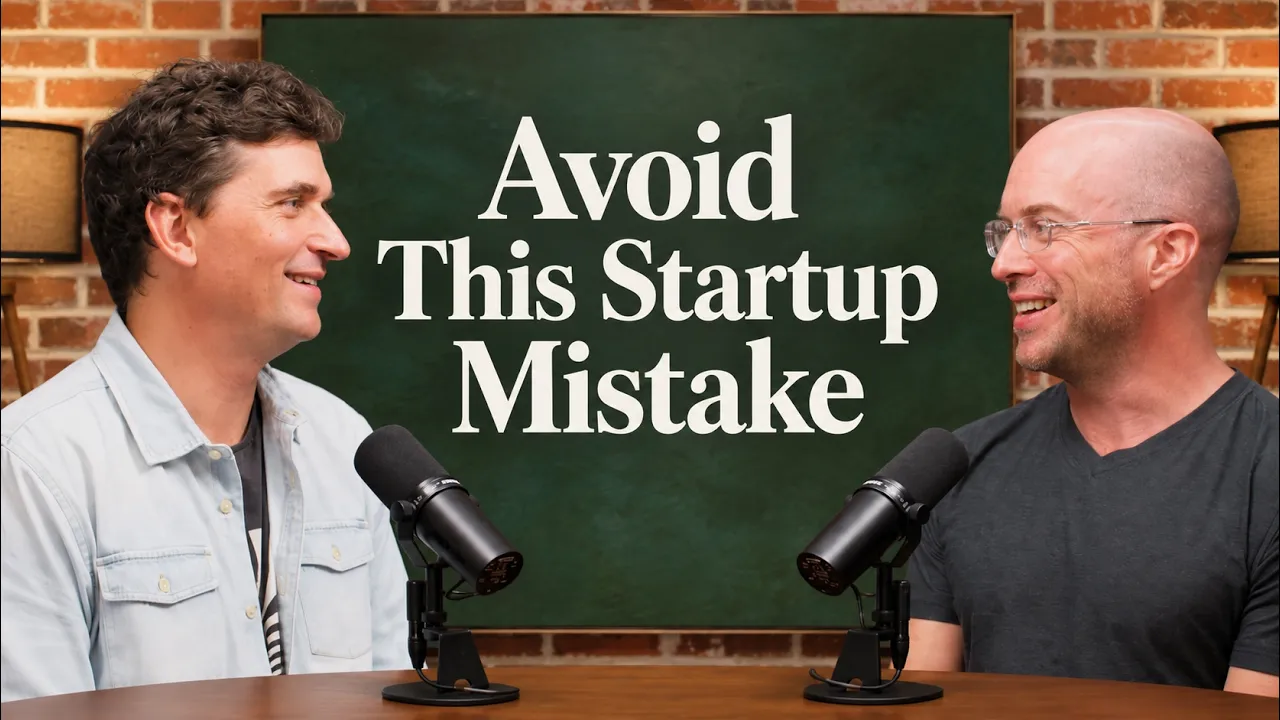
Standard Capital · @Standard_Cap
Words
4,132
Runtime
20:03
Speaking pace
206wpm
Reading time
17min
206 words per minute, above the 201 75th percentile of 349 measured videos. That distribution comes from the 349-video hook study.
Opening (first 30 seconds)
[music] >> This is Dalton and PB from Standard Capital and we are here today to talk about info hazards. >> [laughter] >> And um I don't know, like technology is great. We're technology fans, but it seems like new technologies create new forms of info hazards that can kind of mess people up, right? >> Yeah, yeah. I think everyone is going a little bit crazy, probably. Um and certainly the more time you spend staring at the screen and and especially at feeds. Feeds seem to be maybe uniquely dangerous in this way because it gives you an unlimited amount of
103 words, the words spoken in the first 30 seconds at 206 words per minute.
Free, no signup. See how the first 30 seconds hold attention, with rewrites.
Sentence shape
| Measure | This transcript |
|---|---|
| Sentences | 256 |
| Average words per sentence | 16.1 |
| Longest sentence | 60 words |
| Questions asked | 33 |
| Sentences containing a number | 4 |
Most used terms
Filler phrases
265 in total: like 134 · you know 32 · right? 21 · um 20 · kind of 17 · actually 12 · I mean 10 · basically 6 · sort of 5 · uh 5 · literally 3.
A literal whole-word count of the same phrase list the Prepublish browser extension uses, so a phrase inside another word is not counted and a phrase used in its ordinary sense still is. It is a count and not a judgement.
What this transcript is
Every word below is the caption track YouTube publishes for this video, pulled from the video itself and reproduced unchanged. It is not Prepublish's writing, not a summary, and not a re-transcription: it is the video's own published captions. English captions, generated automatically by YouTube, in the video’s original language. Source: the video on YouTube. A channel that would rather this page did not exist can ask for its removal through the contact page, and it is removed.
No Script X-ray for this video: YouTube shows a Most replayed graph only once a video has enough views.
[music] >> This is Dalton and PB from Standard Capital and we are here today to talk about info hazards. >> [laughter] >> And um I don't know, like technology is great. We're technology fans, but it seems like new technologies create new forms of info hazards that can kind of mess people up, right? >> Yeah, yeah. I think everyone is going a little bit crazy, probably. Um and certainly the more time you spend staring at the screen and and especially at feeds.
Feeds seem to be maybe uniquely dangerous in this way because it gives you an unlimited amount of what really is just sand that fills your brain. >> Well said. And maybe to to start with, let's talk about the history of info hazards and I don't know. I I think we should start with television. I know there was, you know, we talk about pamphlets and books, but I think that's outside of the scope of our expertise. Yeah.
But it used to be when television first came out, there were like two or three channels, right? And you watched the two or three approved channels and they were all very middle of the road. And um I don't think there was too much info hazard, right? >> Yeah, I mean I think certainly people at the time were probably pretty worried about just cuz it was maybe an addiction, right? You would sit there and stare at Remember people called the boob tube, right?
[laughter] Like like like the the >> make you dumber to watch it. That's right. >> was there was the old like Simpsons uh joke where like they get up and move and there's like the wall is is bleached out from like their outline, right? >> But for the most part, there wasn't this worry that by watching the two channels on TV, you could get brainwashed except for things I guess that were officially sanctioned by the government. >> Everyone got brainwashed the same, so >> Yeah.
Like like watching the moon landing when that came out. Everyone watched the moon landing at the same time. They were all on the same channel. That was the one That was the one piece of content you would consume back then. And then cable came out. And cable was a technological improvement because you could have a lot more channels, but as a side effect of that, you created sort of like filter bubbles or or schisms where you didn't need to watch the same two channels as everyone else, and you can end up curating a totally different set of inputs than everyone else did.
So, I don't know, you know, if you watched uh much TV when you were younger or growing up. >> Yeah, we only had the basic channels. My my mother was actually very afraid of this, so there was no there's no cable television in my house. >> Yeah, and I think when I was growing up, you know, when you're a kid, you had like Nickelodeon, and you would get that blasted into your brain. Um and then I really liked watching Comedy Central when it was like a a new channel, and I uh MTV when it used to be music videos.
And of course that affected my state of mind. And so, what's funny is no matter where you lived in the US, if you watched the television channels, you kind of had the same culture versus someone that lived down the street that was watching a different set of television channels. Does that make sense? Like I'm more in common with a kid watching the same TV as me that lived a thousand miles away than people in my neighborhood that watched different television.
And then, of course, we have the internet and online communities, and you were super into that. Like, maybe remember Slashdot? >> Yeah, absolutely. Slashdot was great. >> [laughter] >> So, effectively, you could find people that were just like you, that were into the same stuff, and you could kind of fool yourself. You still can. Into thinking that perhaps niche or fringe interests are way more popular or fringe opinions are way more popular.
If you're in a forum with a ton of other people that agree with you, right? >> Yeah, it's very easy to get into a sort of a self-reinforcing bubble because everyone agrees with everyone else, and anyone who disagrees gets kicked out of the community. >> Right? >> Right. >> [laughter] >> And so, again, that was something great about the internet is you could find like-minded people. Um I mean, again, like YouTube, if you're watching this, you're probably in some kind of filter bubble that recommended you to this, so thank you.
Um but, you know, it's it's basically self-reinforcing. And so, this of course brings us to social media, which you and I do know a little bit about um from our from being founders. >> Yeah, we founders. we helped build the sausage factory. >> Unfortunately, yes. So, talk about feeds and how feeds work, how they were created, and why they're so effective. >> Yeah, I mean, the feed is just essentially a non-stop drip of interesting content, and it's all kind of bite-sized.
So, you're always incentivized just to take like one more hit, just like one more hit, just like just a little bit more, just one more, right? And so, there's you never you never reach the end of the feed. And then, of course, you know, you're constantly clicking on like or or whatever it is or or maybe even just like pausing to look at the content if you like >> Yeah, that's the TikTok innovation is just pausing. Signals intent. >> Right.
And so, and so, the the machine is able to read what it is that is most engaging and then just keep feeding you more and more of it. And I think the really challenging part for all of us is there is no end. And so, you yourself have to like close the window. >> [laughter] >> Right? There is a You don't get to the end of the page. Like, at least with a newspaper, at some point, you've read the whole thing. And so, you can move on.
But, you you you never reach the end of the feed. >> Again, for for better or worse, you're literally a world expert on this. Your startup FriendFeed treated a like button. Do you want to tell that story? >> Yeah, back in 2007, we had a startup called FriendFeed, myself and a couple other people, most most notably Bret Taylor. We had this concept of at the time we were actually just aggregating a lot of different social products because we noticed that there were feeds coming in from you know, RSS was a big thing at the time as well as social products like YouTube.
And we added comments, but since we were a relatively small and young social network, we didn't have a huge number of users. And so, if you post something on a social network and you don't get any feedback, it's kind of demoralizing. It feels like you're talking to a empty room. But a lot of times like maybe you don't really have anything to say. And so the the original concept behind the like button was essentially it was like a one-click comment, right?
It's just it doesn't take any effort, right? It's like the it's the minimum amount of thing, but it feels good cuz like if you put something out in the world and you get like 10 likes, like that's oh, that's great. People I know people like it. People like me. I mean so like feels good and it incentivizes you to keep posting. >> And and for historical purposes, Facebook had the thumbs-up button. >> No, not yet. So they didn't >> So what did they They had something.
Was it a heart? >> No, they didn't have anything. >> So literally you guys created the first >> Yeah, we created the first like button. >> Okay, cool. >> Yeah, so so that Facebook did uh add the like button like about a year after us the the following year. Supposedly they internally had an example called or or or a similar feature called the awesome button that they never launched [laughter] cuz like it sounds stupid I think is probably the reason like we could imagine just like >> like awesome. >> Yeah, that is a little [laughter] bit embarrassing. >> on on everything. >> That's funny.
So basically every time someone does an emoji reaction in iMessage or something, we could trace that to work that your startup did. >> Sort of, yeah, certainly. Yeah, I mean the reactions are are a generalization of like, right? We Cuz then people said, "What if I don't like it? There needs to be an unlike." >> Yeah, or or like if someone says something that's sad, what like >> Like my cat just died. Like >> [laughter] >> Yeah, it's not clear what you're supposed to respond with.
Okay, so obviously you were part of this. So to talk about this, there's obviously really good parts of social media and I don't think we're trying to make a video being like, "Oh, social media bad." But there is a risk. There are some info hazards. So you want to talk through what those are and kind of what the move is. >> Yeah, I mean I think honestly the biggest one is just getting sucked in. Um and we were talking about this a little bit earlier with there's that analogy of you know, you have a jar and you fill it with rocks and then at some point it's full.
And but then you can put in smaller rocks and kind of shake it up. And then, you know, it's mostly full of little rocks. And then, at some point, you can still put in sand and shake it up. Uh but if you just put in the sand first, you can never put in the larger rocks. And I And I think to me, that is like a great analogy for social media because it it it's sand. You can You can It'll just keep feeding you more and more of it.
But um if you take too much, there's there's no room for anything of substance. And so, a lot of times, the hardest thing is just cutting yourself off um so that you don't completely fill your head with sand. >> Yeah, I mean, I would certainly put x.com into the feed category and still a user, you know, we both are. But I think I have an okay relationship with it and I'm not overly addicted. And I think it's just important to remind yourself that it's not real life. >> Yeah. >> And you can close the window and none of thing that happens on x matters.
You know, for the most part. Like Like things that Yeah, there's an earthquake. Okay, that matters. >> Unless it comes after you. >> But yeah, fair. But for the most part, it's easy to take this stuff really seriously. This is how I I tell my kids about social media is it feels like Instagram is like real. And it's kind of not. >> Yeah. >> And so, I think you just have to remind yourself over and over again, it's cool if it's entertaining and it's cool to use this stuff, but that's not actually your life. >> And of course, you know, the the hazard is that it just keeps feeding you more of what you click like on, too.
So, it's very easy to end up in that cycle of like self-reinforcement because it just keeps reinforcing whatever it is you're already feeling. And a lot of times, like it can be pretty, you know, depressing because a lot of the a lot of the times, the things that are most engaging are things that are alarming. And the news is just constantly alarming. Like, I haven't even looked at today's news, but I'm sure something bad happened. >> It's such a a great point that the stuff that goes viral tends to be negative things and then I guess the biggest ramifications of being caught in feeds for too long is that you just get really depressed.
Like basically it'll make it'll put you in a negative state of mind and you stay there and usually the fix is, you know, close the window and go exercise. It's probably right? Isn't that the >> Yeah, absolutely. That's that's what works best for me is to go go for a run and and and disconnect. But yeah, I it's easy to get demoralized because especially when we see so many things are going seemingly wrong or like in weird directions and at some point you're just like why bother, right?
Like we're basically screwed no matter what. >> You know, one of my mental models for this stuff is when new forms of social media come out people don't have an immune system. It's like a new virus comes out and everyone gets it. And whereas young people that grew up with this stuff are going to have a better natural immunity >> [laughter] >> I guess to some of it >> But certainly I I I think we like develop norms and guardrails around things, too.
I I've This was obviously before either of us was born but I've read this story that when they first developed like distilled alcohol like in England, they would have gin carts and people were just drunk all of the time. >> [laughter] >> Basically people would just be out drinking all the time when we as a society kind of had to develop like actually no, you shouldn't just be drunk all day long, right? >> Yeah, it also it reminds me of, you know, the the joke about boomers on Facebook who like believe all the AI slop.
Like you can post like something that's obviously an AI generated image and the boomers are like, "Wow, that's that cat's playing piano. I can't believe it." You know, and [laughter] >> I better reshare that. >> And whereas like young people are like very their their ability to detect AI slop is like way better and I think that's an example of the immune system in in practice. And so this brings me to I guess the last thing to look at historically which is LLM filter bubbles which is not a feed, but you can end up in the same You can end up in really weird spots if you spend too much time talking to Claude. >> Yeah, again, and the AIs have this um You're absolutely right.
You know, they're very they're very affirming of whatever it is you're Yep. telling it. They they don't tend to push back maybe as much as they should. And so again, you can kind of like go down a road cuz there you don't have someone who's telling you actually that that's kind of crazy maybe. >> [laughter] >> Maybe take a break, right? >> It seems like the way that they're trained and developed you want to train the models to um get a thumbs up from the user.
You want the user to be like, "Thanks, that was a great answer. Like, this is a very helpful product I want to use." But there's like this really fine line between the user wants to talk to the model all the time, and there's a lot of shades of gray between power user of an LLM and like AI psychosis. And I'm not even sure I don't think this stuff has been defined yet. I don't think we have an immune system. This is where I'm going with this.
I don't think it's so new that I don't think we we know what is an healthy amount of usage, and is it appropriate to ask it questions about every micro decision in your life or not? I think the jury is out on these things. And so again, like I guess my advice is to try to be especially um wary of the LLM validating big life decisions or [clears throat] fantastical claims not backed in reality about your abilities. Like I think that I think the term they use for this is >> Yeah, if you just if you just discovered new physics. >> Yeah, that's a great example.
Like it does seem like the LLMs have created a new class of crackpots that believe that they've solved physics or you know, created the theory of everything, right? So >> maybe like watch out for that stuff, I guess is the advice. >> Yeah, I think always you want to be um not too deep into a bubble and honestly probably the best thing to do is just go outdoors. >> Yeah. >> Disconnect from the screen, you know, um no matter what you're doing, it's going to be good for you to disconnect and like you don't have to listen to podcasts all the time either, [laughter] right?
Like you can literally just go outdoors without earbuds in and like go for a walk or a run. >> Yeah. Okay, so to move to like advice for founders, you know, the kind of people that actually be watching this video, um you know how can you use these tools to improve your life in general, like whether feeds or LLMs or or television? Um you know, yeah, what what are the positive versus the don't do these things, what are the pros that we can share? >> Yeah, I mean, I think one of the straightforward things is actually just like limitations.
You know, it's just like again with alcohol or whatever, like a little bit seems to be okay, but all day long is definitely bad. >> [laughter] >> Yeah. >> And it's probably the same with feeds, you know, I I just trying to monitor myself, I feel like I get the most value in the first 10 minutes. But then like the most harm is done >> Diminishing returns. >> Right, diminishing returns and sort of like accumulating damage over time cuz again, the longer you're kind of just like doom scrolling, it just becomes demoralizing. >> It's a great point and I think my positive take is these are great tools for learning and I am convinced that using YouTube made me smarter because I watch videos that teach me things >> Yeah. >> and I think this is a funny thing to say, but I think TikTok made me smarter because I watch videos about all sorts of stuff, about exercise, about personal health, I watch videos with like tips, tips for running, tips for swimming.
I've learned a lot about music theory. Like I'm in a filter bubble talking about music theory, so I know a lot. >> to check out this TikTok. >> Anyway, I'm just trying to say like I really think if in a parallel universe where I weren't using TikTok, I would not know as much about all those things. And I think it's made me a better person. And so again, I think there's downsides if I spent all day on TikTok and like couldn't hold down a job. >> Yeah. >> Um and I I feel the same way about the LLMs is they're already making us smarter because I can post in a photo of something and answer questions.
But it's very different than the LLMs filling a place in my life that's like crippling. Like Like basically, I can function without talking to Claude every 20 minutes. >> Yeah, actually that's a good That's always a good test too is like can you disconnect? And I think probably a good practice like you know, you can just actually just stay away from this stuff over the weekend. Yeah. Having gaps where you essentially come up for air, I think is is pretty essential for any almost anything like this that any of these technologies obviously that they they do some good stuff and they do some bad stuff.
Yeah. And that's kind of guaranteed with any technology. We never come up with an important new technology that's entirely good. Like everything has downsides to it, right? Um and so yeah, being able to kind of like just reach some some healthy ground state on a regular basis where you're not just constantly crazy. >> I think that's important. >> And also I think re- not ever holding up these technologies is a mirror of yourself. >> Mhm. >> Like I think where people really get in trouble with all these things is they start evaluating who they are on the reflection they get back from technology.
Do you get what I'm saying? Like Like if you're like, "Claude, who am I? Do you understand me? Like Claude, my my friends don't get me." And then they're like, "Yo, you're amazing." Like don't do that, man. Like don't freaking >> Well, [laughter] social media is notorious for that, too, because you get you know, and you can see it in people who who who are on social media all the time. Essentially eventually your audience sort of captures you, right?
Because you're really sitting in a little RL environment seeking likes. And and and your brain whether you pay attention or not, you know you're learning like oh I'm going to put up this video or this whatever and I'm going to get a bunch of likes and it's going to feel so good. And pretty soon your entire like brain has been RL'd to [laughter] to produce social media content but that might not be actually what's good for you. >> Totally.
And so have a firm idea of who you are outside of these things, I think that's pretty stable. Be good. You know, maybe one last thought about like how we're trying to make Standard Capital helpful to founders in these cases. So maybe to start with we're really focused on spending time with each other in person. So we're here in person and then our group office hours format kind of forces the founders to come in person and we're not staring at screens. >> Yeah. >> [laughter] >> We spend time with each other. >> Yeah, absolutely.
I mean I I I think ultimately there is something which is very grounding about getting to people together in person. When you're off on your own behind a screen it's pretty easy to go a little bit crazy when you're out to seeing people face-to-face and interacting as a human it's just fundamentally like brings more sanity. >> Yeah. And having real peers that you know is helpful. So we have a Slack channel with all of our founders and in my opinion that's way helpful versus only having X followers.
Again X is great but if all of the startup people you know are like anonymous people with anime profile picture um you could get like in a pretty weird spot. And so having real people that you know in real life that are also available in Slack to talk to is pretty awesome. >> Yeah, I think to me the the word that comes to mind is grounded. Like everything we need to do a lot of times comes down to staying grounded in actual physical reality and that comes both from yeah, people who we know in real life.
It comes from going outdoors. And it even comes from you know, at the level of like a business, part of what I think is so important about even just getting customers. Like as a startup founder, you can convince yourself of everyone wants my product, but like when you go and you try to sell it, you find out that they don't. That's again to me, actually trying to sell products is is a form of grounding. Because when you ask people for money, they say no. >> [laughter] >> Cloud will tell you your idea for like french fry salad is awesome or whatever, but when you actually go try to sell it, I mean maybe it is awesome.
You find out for real. >> All right. Thanks PB. >> Great. Thank you. >> [music]
The words are the caption track's own and nothing is reworded or re-transcribed. Paragraph breaks are placed between sentences so the text reads as prose.
Free tools for your own script. No signup, no login.
Paste your draft and see where viewers are likely to drop off, with a rewrite for each weak line.
Paste the first 30 seconds of your own draft for a hook score and rewrites.
Check your draft against YouTube's advertiser-friendly guidelines before you record it.
Read this channel's public videos and transcripts, and download a writing brief for it.