Getting the transcript
Reading the captions from YouTube. A video nobody has opened here before takes 10 to 30 seconds; this page fills in on its own.
Getting the transcript
Reading the captions from YouTube. A video nobody has opened here before takes 10 to 30 seconds; this page fills in on its own.
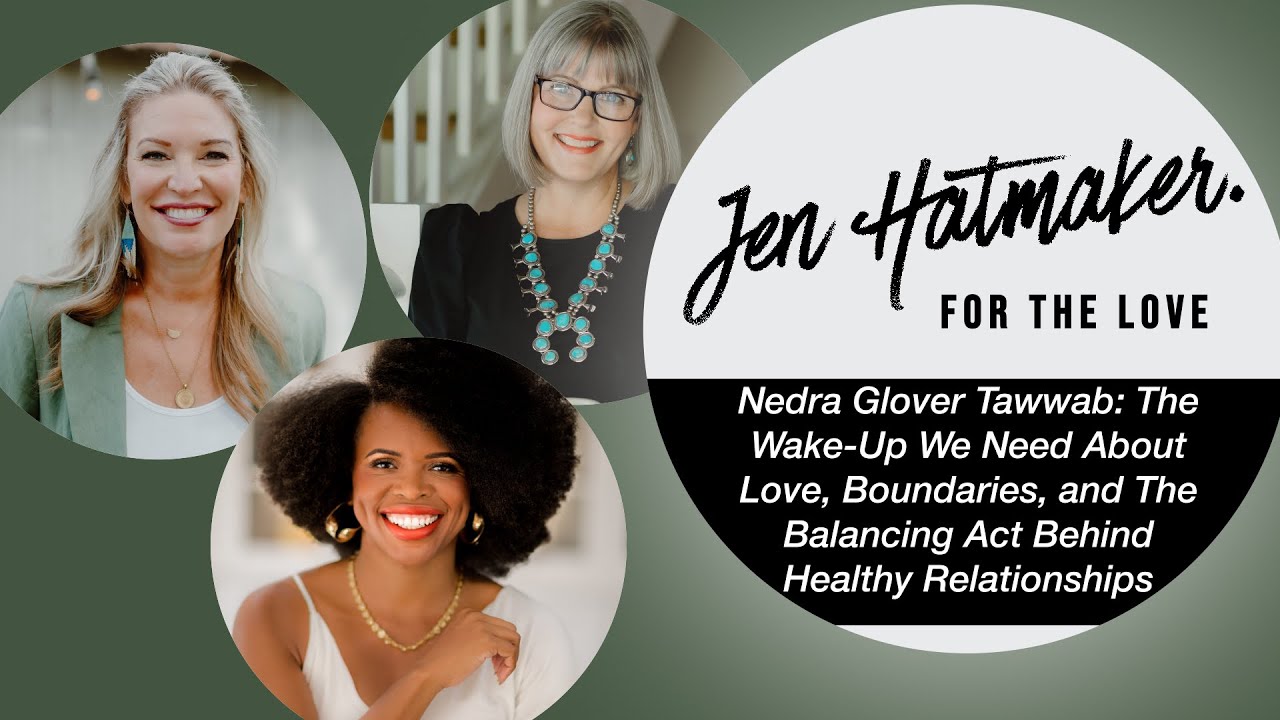
Jen Hatmaker · @JenHatmaker
Words
9,714
Runtime
1:01:49
Speaking pace
157wpm
Reading time
40min
157 words per minute, below the 160 25th percentile of 349 measured videos. That distribution comes from the 349-video hook study.
Opening (first 30 seconds)
[music] All right. Hey everybody, welcome back to the show. Welcome to the podcast. Welcome to the podcast. Yes. Okay. So, we feel really energized around the start of this year um around the for the love ecosystem. We are in a series. you know, we used to structure this podcast in series for six years. Um, and so we're kind of going just in a temporary way back to that format. We are we're running a series called
79 words, the words spoken in the first 30 seconds at 157 words per minute.
Free, no signup. See how the first 30 seconds hold attention, with rewrites.
Sentence shape
| Measure | This transcript |
|---|---|
| Sentences | 748 |
| Average words per sentence | 13.0 |
| Longest sentence | 113 words |
| Questions asked | 61 |
| Sentences containing a number | 13 |
Most used terms
Filler phrases
432 in total: um 160 · like 143 · you know 65 · kind of 13 · sort of 12 · actually 10 · right? 10 · uh 10 · I mean 8 · basically 1.
A literal whole-word count of the same phrase list the Prepublish browser extension uses, so a phrase inside another word is not counted and a phrase used in its ordinary sense still is. It is a count and not a judgement.
Run the check on the words above: where attention is likely to drop, with a rewrite for each weak line. The free check shows the scores and the one issue costing the most.
What this transcript is
Every word below is the caption track YouTube publishes for this video, pulled from the video itself and reproduced unchanged. It is not Prepublish's writing, not a summary, and not a re-transcription: it is the video's own published captions. English captions, generated automatically by YouTube, in the video’s original language. Source: the video on YouTube. A channel that would rather this page did not exist can ask for its removal through the contact page, and it is removed.
No Script X-ray for this video: YouTube shows a Most replayed graph only once a video has enough views.
[music] All right. Hey everybody, welcome back to the show. Welcome to the podcast. Welcome to the podcast. Yes. Okay. So, we feel really energized around the start of this year um around the for the love ecosystem. We are in a series. you know, we used to structure this podcast in series for six years. Um, and so we're kind of going just in a temporary way back to that format. We are we're running a series called wakeup call.
And this is sort of an outcropping of Awake where uh we discussed the themes of Awake so much last fall and we find ourselves in the like okay so now what space. Yeah. >> And that's how we've sort of envisioned this series like all right what do we do with some of these places where we might have been sleepwalking and we have decided to to wake up and face this in a new way. And so we're just we're trying to host conversations right now that number one help us eyes wide open wake up to the lives we actually have.
Not the ones we're pretending to have, not the ones we're projecting that we have. Um but the ones that we really are sincerely living. Um and and then facing those with courage and clarity and honesty. what what do we want to do in these spaces? And so today we are talking to one of the favorites of this show. Um this this will be her second time on the show, the absolutely amazing Nedra Towab, who is I hope you follow her.
The first time we had her on the show, I essentially insisted that you all followed her on socials and I hope that you have. Um but she is a true incredible practitioner in the space of mental health. Um not abstractly but her her particular expertise is located in I don't know probably the category that affects us almost the most I would say which is relationships right? Isn't that fair? >> Fair. We have others that matter and they're also going to be in this series for sure, but this is her space and I think most of us experience the greatest amount of like pain and joy in relationships. >> Yeah.
[snorts] Um Nedra's new book is the balancing act and it it talks about boundaries >> but uh >> with the theme of dependency >> and it really hit me in a place I didn't expect. I sort of thought I had boundaries figured out, >> at least on paper. >> Sure. >> You know, a lot of healthy relationships, but also it made me realize um that you can have multiple healthy balanced relationships and still have one or two >> Yeah. >> that are out of sync. >> Yep. >> Um that has to do with boundaries and attachment.
Totally. >> And dependency. And also that I still swing between um wanting to do everything myself >> but then also like panicked >> needing everybody to do everything [laughter] for me in crisis. >> Totally. >> And some of that is a natural swing. >> Um but the way she educates us on these things is so gentle. It is >> like it makes you realize, oh, I could just work on this thing in this relationship [clears throat] instead of like, oh, I'm a disaster. >> That's right.
Or this is how I always am with everyone. Um, and you know, one thing she said in the conversation was um even using it as an um an excuse to not work. Well, that's just my personality. >> Yeah. you know, I've I've I'm I'm avoidant and so that's just who I am. So, everyone's going to have to sort of shapeshift around that. She she's I love her approach um to your exact point. It's it's interesting for me just she's very helpfully diagnostic in the balancing act >> um in a really flexible kind of gentle way.
Um, and so for me, I was like, I think maybe the goal in healthy relationships is to be independent. Like, I love you, but I'm independent. And her position is like, no, that's absolutely not the goal. The goal is connection. >> Which I'm like, oh, that makes way more sense. >> Yeah, that makes way way more sense. Um, so I I think her whole thesis is good. >> Um, that what is our endgame here? And it is healthy connection. >> Yes. >> And there's a lot of ways to get there. >> And it reframes how we think of mental health within relationships in a really humane way. >> Um, you know, a lot of our conversations about mental health have to do with like a specific diagnosis and a specific treatment. >> But mental health also plays a huge role in how we show up in different relationships.
How we connect. It's a spectrum. >> Yep. >> Like you can have a diagnosis and a successful treatment and then you still need to monitor your mental health within >> relationships and in connection with people. And she really explains like the full breadth of that so well. >> I agree and she gives us really interesting factors to consider. I I really like how she talks to us about the intersection between um our attachment style >> and our dependent spectrum. >> Yeah. >> Like these go together.
And so as someone who kind of has to work at self-awareness, I I really have to work at it. >> Um I just find her a great leader and a great teacher and a really good coach and therapist. Um this is why we wanted to her in this series. Um this is absolutely on point for the wakeup call um conversation that we are hosting. Um because our our aim here too, not just for you like our listening community, but also for ourselves, for me and Amy and our families and our relationships, um is to to sort of wake up to any way or place where we are sort of surviving instead of thriving. >> Um and this is certainly one of them.
So, we hope that this will help all of us move into a more connected life. Um, which is absolutely the goal. So, let me tell you a little bit about Nedra in case you missed her the first time or you haven't been exposed to her yet. Um, she's a therapist. She's a New York Times bestselling author. Um, Nedra Towab uh with more than like 15 years of clinical experience. She is a very very very trusted voice in helping people navigate boundaries and attachment and emotional health in real life and in real ways.
And so her new book um is called the balancing act. And it's just a really um accessible invitation to you and I just to normal people um to rethink what healthy connection really looks like. Um not as hyperindependence or overfunctioning which is my drift. Um but but learning how actually to depend on each other without losing ourselves. Like dependence is not a bad word. um there is there is a really beautiful middle place where we can have healthy dependence on one another and with one another.
So she's the right person for this conversation 100%. I think you're going to love it. Um I mean I just wrapped this the whole discussion and just I don't know I always walk away from anything that Nedra has to say feeling like you know what we can do this. >> Yeah, >> we can do this. There there is a really accessible path in front of every single one of us in our relationships to make them better, stronger, healthier, more connected and more dependent in a healthy way.
No matter how long that relationship has been spiraling or dysfunctional, no matter how long we have um there is still every day the possibility for growth and evolution and I love that message. Um, without any further ado, let's get into it with the amazing Nedra Tab. [music] Um, Nedra, welcome back to the show. I've been looking forward to seeing your face on this screen for weeks. >> Oh, well, thank you for having me back.
It's always a pleasure. We flow so well together. >> We do. Um, I was just I was either telling Amy or I was I think I was telling my business team yesterday on the call, I just continue to learn so much from you. >> Um, you know, my introduction to you was two or three years ago. Um, but of course I'm a devoted follower now and have been since. And your approach to relationships and wellness is it is um such a welcoming invitational um entry point for me into these hard conversations. >> Yeah. >> You know what I'm saying?
Yeah. like her your way is gentle and flexible and where sometimes the the terms and the even concepts around your area of expertise can can to me sometimes feel rigid like this is the thing and it's always this thing and this is who you are forever. I'm getting ahead of myself. I'm getting ahead of myself, [laughter] but my point is I read The Balancing Act and I'm like, look at all this movement and possibility for change and growth and grace.
And >> it's one of my favorite things about the way that you approach your work. And so >> I'm burying the lead. Hi, how are you? [laughter] >> I am I am I am well. I I think it is necessary to be flexible especially when you are a therapist and a huge part of the work is sitting across from imperfect people. >> Yeah. >> And the way to get them to show up well is to not be judgmental, >> to not condemn. Um and not condemning doesn't mean condoning. um but but but holding them accountable almost like in this loving and supportive way and so even if someone you know I've done mandated clients and you know all sorts of things there is a way that we must enter a space with people if we are really open to the process with them and that requires flexibility.
So no matter what your hangup is, you know, hopefully we find somebody who can be gentle in their approach. >> Yeah, >> that is exactly my experience of you both in kind of video and social form, but also in the written form. I'm like, "Oh, there she is right on the page." That's that tone um that I am so drawn to. So, we are in a series over here on our show right now um kind of called a wakeup call and we are really drilling into basically four key areas of just >> overall wellness and mental health is obviously one of them.
And so >> before we kind of get a little bit more granular with your book and the concepts that you explain to us with such care and expertise. Um if if we could come real high and I'm curious what you would say to this question. What do you think that most people maybe misunderstand or misinterpret about what healthy actually looks like in a relationship? Is are we sometimes just starting on the exact wrong foot? >> Well, I think healthy for a lot of people means conflict free. >> Um, we never argue.
We never have any out of the >> Yeah, we never argue. We never have any issues. And I can recall seeing a couple some years ago and every, you know, I was seeing them weekly and they would come in and they would have arguments. And one of the folks in that relationship said, "Man, we're really messed up. I don't know if this work." I said, "Well, you know, the gift here, what I'm noticing is you're having a different type of argument every week." Which to me means you're getting to know each other still.
And that's the really important piece. It's not like you're arguing about the same thing in the same way. this is a whole new thing. Last week it was this, this week it's that. You're learning someone. [laughter] And so there's going to be these disagreements about what time you go to bed, um who takes the trash out, who's going to be the giftgiver, um how you resolve a dispute, when to argue, like those are healthy things.
Now, if you're constantly having argument about the same thing, h you know, it's something to watch. But I think just having conversations is important. And what are we labeling as arguments and disagreements? >> That is mean what you just said. [laughter] >> That is so rude. I am conflict averse and so I have long equated health with lack of conflict. But it's not true because it lives in my body. it lives in my thoughts.
It's not like it's not there. >> Um, that is a really good place to start. Thank you for putting us on the right foot. >> Um, and just normalizing two people in any given relationship that are learning each other. Isn't that such a nice way to put it? >> It's such a nice way to put it. >> Well, here here's a thought for you. You can be conflict avoidant and yet peace positive. >> I want to think about that for a second. >> Say more about that.
If you want peace, you have to have a little bit of conflict. >> You have to have the hard conversations. You have to move through the discomfort because as long as you are avoiding, you are thinking about it. It's waking you up at night. It's coming out in your skin, um your waistline and everything else, right? [laughter] So, it's it's coming out. So, where it needs to come out is here, our mouth, right? We need we need to speak it and then we get to, you know, the discomfort.
Oh, oh, and then we get to the piece of what that situation could be. >> Yep. It's true. It works like that. >> I feel like this is important on a micro and macro level >> right now. >> A good point >> in a lot of ways. That's >> that's a great >> worded so well. [snorts] You've written extensively about boundaries. Mhm. >> Um, what specifically were you seeing in your clinical work that made you realize dependency was the next important conversation to have? >> Well, I'm starting to see um more loneliness >> and I think it's as a result of overcorrection.
M >> we have corrected some of the challenges we had in relationships without inviting new situations in. >> Um our boundaries have become more rigid and so people have to meet all of these qualifiers and pass all these tests to be in our circle and that again creates more loneliness. And so there is a way to be dependent in healthy ways. We only hear about the bad ways. Oh my gosh, you're codependent. That's so terrible.
Well, if every relationship is codependent, maybe. But if you have one codependent relationship, um because you're trying to, you know, I don't know, maybe you have a partner and you're trying to, you know, save their life or something. Um, there are things that you can manage in that relationship that might give you some space in between that codependency. >> And I want people to know who who um struggle with codependency, it's your way of showing up in love.
It's the only way you know. And it is fixable. It is something that you can um do differently in those relationships. And I think with codependency has been like, "Oh, it's terrible. It's bad." And it's like I think it's loving actually. Um and very often, especially when I don't have a relationship with someone, but they have a codependent partner. I'm like, I'm so happy they have you cuz I don't have to do any work, right?
[laughter] So, I'm like, I'm I'm happy you have someone. Do they have a GoFundMe? [laughter] >> Because I want to I want to support them in supporting you. >> That's good. Because everybody needs someone, right? That's true. >> It's you. You have the capacity. >> I don't. >> And that's so helpful to remind ourselves of cuz so often we realize we were codependency after a relationship has ended >> and then we do all this work to not repeat that.
But like your work is saying you can identify this within a relationship >> and and learn and do better and the relationship can be healthier. It >> doesn't have to end for all of this hard work to happen. >> I love that. That that's kind of that flexibility I was talking about. You're there's grace and generosity you offer us inside any given relationship that it >> it can improve. We can improve. We can change our own patterns and behaviors um in a way that doesn't mean a relationship necessarily has to end because of it. >> Yeah.
I think because we are sometimes conflict avoidant, the the ending is sometimes the easiest thing to do. And I'm not saying ending is easy. I'm not saying that. But >> it can feel easier than ignoring that person's call >> or saying I can't do that for you this time or acknowledging I am at capacity and I'm actually unavailable. I mean, it feels really terrible to, you know, know somebody wants to talk to you about something and they're always like dumping on you and you you have to place a boundary.
It it may feel easier to just say, >> "I'm going to ghost them." >> Mhm. >> I need to ghost this person >> because they won't stop dumping on me. And there there there are some steps in between. >> Ah, that's so good. You you write about a dependency spectrum in the balancing act. Um and the terms they use are from hyperindependence to hyperdependence and then a bunch of stuff in between a lot of gradations in between.
So I wonder if you could talk about those extremes. Um, and then I wonder if you could tell us how people can start to recognize, oh, where do I fall? I sometimes, the reason I ask you that question is because I sometimes struggle with self-identification. I am I [clears throat] >> I sometimes cannot locate my own interior landscape. I think I do and I have to look at my own behaviors as my clues like, well, what do I do?
Um, I I tend to be outwardly focused. And so, another thing that you teach me in addition to a lot of these behaviors is how to be self-aware. And so, I'd love for you to talk about that spectrum and some sense of self-awareness that can go, "Ah, I feel like here's where I fall on this scale." >> Well, I want to start with hyperindependence because I don't think it gets enough shine. Okay. And the the hyper independent folks are the folks in society who are strong, who are very capable, who um tend to be successful individuals, but they have low support systems. >> Um they have challenges with seeking and accepting help.
I can do everything on my own. Um and then the opposite end of that spectrum as you mentioned is you know where we see people who are more codependent. They need someone for every single thing. >> And in the middle is um a person who can can show up in multiple types of relationships in healthy ways. What does that look like? If I am a married person, I have friends. M yeah >> I have I have friends that's that's in the middle right and so there are some things I do with my partner and there are some other things >> that I do with my friends I have relationships with maybe my children and when when I need things from people I'm able to um ask them for support if they say no I'm not so bent out of shape that I never ask people again I just find someone else >> that is the the the healthy dependency that I think is important But very often when people operate um on the extremes, it's like no one can help me. >> Yeah. >> One person said no, that means everybody said no.
And sometimes our internal ticker is if my parents weren't able to show up or if my family wasn't able to show up, >> I can't ask these other people to to help me because no one will show up. We create this this generalized messaging around who is capable of helping us based on our experiences with you know some of the significant people in our lives. M one thing before you jump to your question that I want to say about that uh something that you included in the book which I really appreciated because >> um I I I trend toward um hyper independence.
I'm not all the way there. I've got a lot of healthy >> flexibility, but I recognize that pattern in me for sure. Um if I'm reaching for one extreme, it's that one. Um but one thing that you wrote about and I appreciate this even to frame up as we continue to discuss um various like patterns is that >> it is certainly true that our childhoods largely craft and create a lot of our internal mechanisms and that we take those into adulthood.
I just appreciate you also saying that there's more than one factor. you say it can be your childhood, but sometimes your patterns don't track to your upbringing. And I thank you for saying that because I grew up in a house where my needs were absolutely met emotionally, physically, mentally. Um I I had a and I still have some behaviors in my adult life that don't uplink to the way my parents parented me. >> Um I didn't have a deficiency at home.
I wasn't left on my own or any of the things. And so I just at one point somewhere in here you were like there's several factors. It could be personality. It could be environmental. It can be a relationship you had in adulthood that begin to really like steer your ship a certain direction. And so because I just don't fit the mold. Some of my dysfunctions don't fit my don't fit my childhood mold. [laughter] >> It's not your mom and dad's fault. >> It's not.
I mean, it's it's or not all, not entirely. Um, and so, thank you for just saying there's more than one way to consider >> um our adult behaviors. >> Um, and that for a lot of us, it's certainly childhood related. And for some of us, we're just born dysfunctional. [laughter] And also I I really loved when you dug into um you can be um offbalance, you can be hyperindependent in one relationship, be really healthy in all your other relationships. >> I understand that you are not just this one static person and you're just broken with everybody. >> Totally.
You can have patterns with some people and completely different patterns with others. And that is another like gentle open door to be like, well, I remind myself I can be healthy in all these ways. I just need to work on these things a little more in this one relationship. >> Big agree. >> Yeah. >> Yeah. I I noticed with um my work with boundaries and especially like after the book came out and I have quizzes on my website and all these things.
People would take the quiz and they would like I am a person who has poorest boundaries and then my work became wow you really identify with that like [laughter] as a a general way of being >> but I bet there are some instances where you have healthy boundaries. M >> maybe it's it's not in this relationship that that's at the forefront of your mind, but it sounds like you do an excellent job with your neighbors. It sounds like you do an excellent job with your children, but at work, right?
So, we don't want to say you're this terribly boundared person. No, but I I do wonder why is it with work in particular that saying no or that that that leaving on time is much harder. What is what is that idea connected to? But it doesn't mean that in every single situation you show up as this. You know, one of the things that um I talk about in the book, and I'll just say it, it's my favorite chapter, the chapter on attachment styles.
Yeah. >> Because that information is so helpful. It's great self-awareness, and it does not have to limit you. >> Yeah. >> Lots of times we're like, "Oh, I'm such an avoidant person." And we just we take that personality on and we just I have to avoid everyone now, right? Like, "Oh, they're calling me too much because they like me. I got to avoid them. I got to avoid, you know, my sibling. I got to avoid that's just my personality.
And it's like, >> uh, but is it a life choice? >> That's good. >> Yeah. >> Since you have that awareness and you're saying, >> "I want better quality relationships, you have to override what those behaviors have been in the past and do the opposite of what has felt natural to you. You now have to, oh my gosh, I'm dating someone and they call me two days in a row. I'm going to answer. >> I'm going to answer. [laughter] >> I'm I'm going to sit through this discomfort because my ink my instinct is to >> let this person just die out >> because they've they've admitted to liking me.
What a bad thing. >> Um [snorts] >> I'm not going to do that this time. >> That's good >> because I want something different. And the only way >> to get a different outcome is to behave differently. like my pattern has been mostly avoidant. That's wonderful information. Now that I have it, >> I don't want to do that anymore. I can choose to do something differently because actually I want connection. >> That's it. That's the that's the top run letter.
What is your attachment style? I have I took the you know not the quiz but you know looked at the graph the the matrix I actually and highlighted like crazy as I did through the whole book. >> I'm three. It depends on the relationship I'm in. >> Um I >> but I I think I would have >> um scored placed myself differently 20 years ago. I think I I did have a primary one and yeah, like I just constantly working on these things and so I see it show up in different ways.
It's interesting. >> Um and and I'm I'm sorry just to interject there. I always wonder like when someone has like an insecure attachment or anxious attachment or avoidant attachment, what is the other person's personality type? >> What are they doing that are pulling these things? Yeah. Like what are they doing that is pulling this interaction and relationships out of you? Do you like a little cat and mouse? So they're avoidance.
So you're like, "Oh no, I got to chase this person." [laughter] >> Like what's what's going on here? Like that matters. And we think it doesn't. We think that, oh my gosh, I just get so anxious in relationships. And it's like, >> yeah, but you keep dating people who provide no security. M >> so do you really have an anxious relationship style or are you dating people who are emotionally unavailable? >> It's great distinction that matters. >> Um it was so interesting the way you uh laid out the connection between attachment styles and dependency for people who haven't looked into attachment styles.
Can you sort of explain the major ones and what they mean and how they show up? >> Yeah. >> Yes. So avoidant which is the first one that I mentioned that would be more >> on the dependent side I mean the independent side right of things. It is >> I can do everything on my own. I don't need people. When people try to connect I put up barriers and block them. So you are the person who will not go to the office party. You are the person who is slow to return phone calls intentionally.
You're not doing anything. You know, you're the person who is dive ducking and diving connection. >> So that is a hyper independence. Like I am used to doing it on my own and that feels not necessarily good but it feels normal almost. it it almost feels awkward to reach out for support and to ask for help or to even have people help you. So when they do, you're over apologizing. You're you're sending them a thank you card and a gift.
You're doing all the things cuz you're like, why did they even help me? It is uncomfortable because you're like, uh, >> I function alone, >> anxious. Um, people who have an anxious attachment style tend to be a little more dependent >> because they are constantly looking for these triggers in relationships to let them know that the relationship is not okay. >> What are the things that are happening here? Oh my gosh, they just checked their phone.
They're not listening to me. Oh my gosh, are they on social media liking someone else? It's just like a constant flow of what if doubt doubt doubt and then becomes a situation where you start to perform to gain their their love. you start to question. You start to in some instances you may become [snorts] um overly attached like oh my gosh I can't be away from this person because you need this security that maybe you didn't get.
Maybe you feel like you need but I have seen situations where people are actually in a pretty healthy relationship but they feel like it's not. >> It's like I'm constantly questioning what my partner is doing. Sometimes, you know, people can get pretty frustrated by that behavior when they're not doing anything. >> Um, uh, another type of personality, I mean, attachment style, I would say, is disorganized, where we just have a few different things going on depending on the situation.
Um, and where we all aim to be is secure. And those folks are dependent in a healthy way. They can accept help. they can request it. Um, they know how to so show up in certain relationships and there are other relationships where you maybe do need to back off because all relationships are not healthy to begin with or there is a person who has their own attachment stuff and you notice it and you need to protect yourself.
Um I I think the most important thing with attachment styles is that we don't internalize it as this is how I have to show up forever or if we notice, you know, an attachment style with someone else, it's also very important that we're not like this person is that >> because I I talk about that as well in the book like the the diagnosing of other people and how that limits our ability to connect. >> They're bipolar. They're this.
They're that. And that just puts up a wall. Who wants to be close to a person who has this dysfunctional tendency of XYZ or they have this or they have that? It's a way for us to disconnect. There are tons of people who are bipolar and have relationships. There are tons of people who talk all the time and have relationships. There's tons of people who relate to every single thing that have relationships. There are tons of, you know, these aren't necessarily qualities that would say, "Oh, you're you're not relationship material, but I may have to be strategic about how I show up in the relationship with you, >> but I don't have to not be in it." So, the attachment styles, if you know yours, you you that's great, but you don't have to say to another person, you know what your issue is? you're avoidant. >> That's why you haven't answered my calls in a week.
I've been texting you for a whole week. >> Um it's, you know, it's >> it's important that we use the proper language to check on people. Hey, are you okay? I >> I called you this week and you know, I was just checking to see if you were okay. Not you didn't answer. It's a problem, but >> I was just checking on you. >> That's how I treat the avoidant people in my life. I just send them a text every here and there. I'm like, "Hey, you still out there?
All right. Love you, cousin. Bye. [laughter] >> Yes. >> Cuz that, you know, it's we all want different levels of connections >> and I am not taking it personal. >> That's >> because I know you love me. >> She's emotionally healthy. [laughter] That's why. >> Yeah. I'm I'm, you know, I'm not taking it personal. I I think we have to allow people >> to exist as they are. And sometimes that's not in the same way as us. And it has nothing that people have. so much going on in their head and so much so many things going on that the things that we experience with them we have to depersonalize. >> I want to um shift a little bit over into your particular um skill set and expertise because um you have said that therapy we're big fans of therapy over here >> can be a practice space for emotional intimacy.
I have found this to be absolutely true. It's almost like the therapy room is magic. It's a magic room. Um for the I I tend I lean not none of this is surprising because the crossover so high. I lean hyperindependent and I lean avoidant. Um that's I recognize so much of me in there. I'm not all the way to that edge, but I feel that um tight feeling sometimes about vulnerability. And >> um and so when I am with in a therapy room with another person, I'm like, who is this version of me able to try out these new words?
It's so brilliant. So, I would love for you to talk about that for anybody listening going, "Me and my person were circling the drain or I just am. I can't break out of my own like patterns or whatever. Can you talk a little bit about therapy as practice? >> Yeah. Well, my therapeutic style is I don't want to say confrontational. I'll say carefrontational. >> Um I am honest. I I love humor and you know I try to to fuse that along with the the cognitive behavioral and the EFT like all together.
So what that looks like sometimes in practice is you know I I may have a client who does not um want to address the important thing. So they'll say, "Hey, here's my issues, but I'm going to come in here and I'm going to talk about watching Atlanta Housewives." [laughter] >> Totally. >> And so, you know, after a few times of doing that, I may say, "Hey, do you do this with other people?" Like when something needs to be addressed, do you sort of dance around the topic and do they let you do that? >> Yeah. >> Because I I I know there's something bigger there.
And this is just a strategy to not talk about the really big thing that you said you want to talk about. [snorts] >> Or if I have a client who, you know, maybe we do have a lot of fluff conversation, but those last 15 minutes are heavy. [clears throat] >> Last 15 minutes are heavy. That says something about their approach again to difficult conversations. >> Um, and so what I what we might work on is, hey, when you want to have a conversation with someone, it's okay to be direct.
They don't need the sandwich method. You don't have to compliment their hair. You don't have all of this stuff. Like I get it. Like I see it. I see. It's like you're warming up to the conversation. [laughter] >> Like you're warming up. >> And this, you know, I I think it's, you know, it it you think it's a strategy, but actually it's a distraction from the real issue. >> Sure. Mhm. >> You know, sometimes when when clients um I don't want to say ghost you, but I have had scenarios where I don't hear from somebody after a big thing for a little bit. >> Where it's like, "Oh, wow.
It's been two months and the last time you left here, we were talking about divorce." >> Oh, yeah. [laughter] Yeah. Yeah. >> What I mean, what's been going on? >> Do you not like support from people? >> [laughter] >> You just want to cry in your pillow all by yourself. You don't want to come here and do it on my couch. >> I have nice tissue. >> Yeah, >> I have the kind with the lotion in it. >> Yeah, you do. [laughter] >> So, that shows me how you reach out to people when you need it most. >> I bet.
But she's got receipts on all of us. >> Seriously, >> all [laughter] of her clients. She's like, "I see what your partner's up against." [laughter] >> Yeah. And and and and imagine the people in your life. They're trying to reach out to you. You've disclosed this big thing. Hey, I'm getting a divorce. And then you're not answering your phone. >> And you know, because it's not just me. It has to be this is how you operate. >> Sure. >> With people in the world, right?
And I know a lot of people can be intimidated by therapy and it seems scary, but honestly, it is a safe place to practice >> better ways of communication, better ways of looking at yourself. >> Like, and and being asked those hard questions, I would rather you ask me those hard questions, >> same >> than someone else. Like, >> so it's it's so helpful in so many ways. I cannot agree more. >> And it's the only place we can have a conversation that is truly focused on us. >> That's a good point. >> In so many other instances, we have to hold space for other people.
Um, unless someone's going through a crisis. Of course, if someone's going through the a crisis, you're like, "Okay, you go. I know life is bad. Tell me all about it." But in most instances, there's this back and forth. with a therapist, the conversation is about you and your stuff. And that, you know, for some people >> that is so uncomfortable. Like the start of therapy can be so uncomfortable because you're so used to talking about >> the weather and oh my gosh, did you see this news story and this other person and and all the things, but to sit there and talk about yourself and to to have someone, you know, like ask these questions like, "Well, why do you think they said that to you?" M >> and you're like, "Huh?" >> Mhm. >> I don't know.
I don't know why they would say that. Like to to have those sort of things happen in a space, it is it can be >> transformative if you allow it. >> Totally. >> If you allow it. >> Um specifically, um trauma survivors >> have um >> huge challenges in connection in their attachment styles. um can you talk about how that affects their ability to be close to others and to rely on others? >> Yes. So um there are a few clinical diagnosis that support um traumatic reactions to people.
It's reactive attachment disorder, oppositional defiant disorder, conduct >> disorder, and that is due to some traumatic experiences. And so it sort of >> um forms these these relationships. When you form relationships, either you have um a challenge with connecting with people or you connect very fast. I used to uh work in foster care and and juvenile delinquency and one of the things that was very interesting is you know some kids go from home to home and there are some kids this is their fifth home and the first day they're like mom >> yeah totally >> mom >> hey my mom is going to take me and it's like oh >> okay >> yeah so this is an attachment thing what they're seeking is like safety and comfort and you know five homes you I have to imagine all of them were not safe, >> right? >> So that creates this almost codependency cycle >> because you're like, "Oh my gosh, I have to really attach to people and be really close." And yes, their actions don't necessarily match it, but this is what I need to do. >> Or sometimes we can't even take people being in our space.
We we've we've had so many scenarios with people that that when we meet a person who is healthy, we think they're unhealthy because everybody's unhealthy. >> So our reaction to this person is negative. >> Um you hear about, you know, these scenarios where people have, you know, maybe a doineering parent and they are like they can't take direction. They show up in the world and they're like, "No one can tell me what to do." oppositional defiant. >> You don't you don't want anyone to control or manage you because you've had scenarios where that control was actually abuse. >> Yeah. >> That impacts again our connection to people.
Not that you know you try to control people, but you know even if I had a neighbor and their tree is over in my yard, I'm not trying to control them, but I might say can you cut your branch? But if their reaction is, "I'm being controlled," >> there's going to be a problem with that connection. >> Yeah. >> And all of this is so critical because ultimately what we're looking for is intimacy in our relationships, healthy intimacy. >> But sometimes you talk about intimacy becoming >> inshment.
Mhm. >> What are the signs that something that is healthy has sort of tipped into something harmful? >> Yeah. When there is no separation from you to them where everything is alike in thought, in behavior, um whatever you like, they like whatever they like, you like. There's we have to spend so much time together. If I don't talk, it almost becomes kind of like if I don't do this thing with this other person, then >> every single time we go to the movies, no one else can come.
Like everything is our thing. Sometimes it's it's inshment in a family. Sometimes it's just imshment in a relationship. Now, there are scenarios where, you know, like if you start dating someone and you're kind of like, "Oh my gosh, I'm always with this person." But eventually, hopefully month three or four, you start to pull your people back in, but it can be problematic if it's been 2, 3 years and your folks are not pulled back in >> and you're still constantly with this person.
So, it's not >> there is time limited imshment, right? That that's kind of healthy. It's like, okay, well, you're you're gathering your bearings. You're a new mom. I get it. you want to really hunker down with your child. But if you are performing in that way when your child is 15, >> that's good. >> That's probably an unhealthy level of imshment. It has not evolved to some level of separation. There has to be some separation at some point >> um you know within our relationships, within our families.
It is okay to not all think one thing and be on one accord. That's a great distinction. >> Um let's let's talk about some practical stuff >> for anybody listening who um is realizing that they have been avoiding asking for help. >> I obviously keep asking questions out of my own zip code. [laughter] >> Um >> what would you say like just boots on the ground? What are a couple of early and easy and accessible first steps toward moving towards something that looks more like healthy dependency, which I really love that term.
I love this idea that there is absolutely a place in every life for healthy dependency. >> You know, I I think when you struggle with asking for help, I think it's very important to make an inventory of when people have offered. M >> so sometimes people have offered and you said no thank you I got it >> um >> and I want you to go and invite them back in. So maybe last week there was a friend or someone who said let me know if you need any help.
Well [laughter] >> this week you've listened to this podcast >> and I don't think the help is always um what we think it might be. If I'm painting my bathroom, maybe there's a friend who's sitting in the hallway and just we're we're just having a chat. >> If I have a long week at work, maybe it's it's someone just saying, "Hey, you want to grab a coffee?" >> If I'm getting my kitchen remodeled, and I did this when I had a friend getting her kitchen remodled, why don't you all come over for dinner?
Mhm. >> So, you know, there are there are things that we forget that we've already said no to. >> When someone says, "Hey, I know you're having a gathering. Do you need me to bring anything?" Whatever that thing is. And sometimes you can say, "You know what? We don't need anything, but I love candles. I would not say no if you showed up at my door with a candle." Or just bring yourself. Come a little early so we can chat.
So the first step I think is taking an inventory of who has already offered. The second step is thinking about who in your environment is a potential helper and I don't even want to say who has the capacity or who has the availability. we may start crossing people off the list because we are assuming that because of their lifestyle or they have three kids or I know they work in the evenings that they're not available.
Sometimes people like a little life distraction. Sometimes people want to help you and they've been dying to help you and you haven't even you haven't even let them in. This morning, um, we were all heading out to catch the bus and my little neighbor, she missed the bus and I, it was cold, so I drove to the bus stop and I said, "I'll just take you to school." >> You encouraging us to always be thinking about who has offered to help, if we need help, what kind of help we need, >> um, is critical because it takes practice. >> I am really good at asking for help when I'm in crisis.
I will stand in the middle of my kitchen and um in a very highpitched tone of voice say I am not okay. >> Oh boy. >> Like >> I need help right now. But the rest of the time I'm like no I got it about everything. >> I can do it. I want to do it. I want it done my way. >> Y >> it's so many things to do in adulthood. >> Like I can't imagine without there being a crisis there. I mean, just waking up, having to get yourself together, make the breakfast.
The eating alone is enough. [laughter] >> God, just the kitchen. >> It's like the breakfast, lunch, and dinner, and cleaning that up every day. I need help. [laughter] >> So, real adulting is so much. >> Can we meal share? [laughter] >> Totally. >> I definitely need help. >> Yes. Gosh, it's so real. And we are wired in every way to be in community. >> Totally. >> So it's not just building that community and having [clears throat] you know functional healthy relationships.
It's also like utilizing that community. >> Yeah. >> For whatever we need all of us together like there it is a eb and a flow. >> Yeah. That's how we optimize truly. >> Yeah. Like how we're built >> and having a large enough community. So people >> aren't assisting constantly. >> Yeah. >> We have to broaden >> one person. >> Yeah. We you cannot just have one person. It needs to be multiple people. >> Um there there you know whether it's at work, it's in your neighborhood, it's you know within your religious community. >> My fault. it is, you know, in all of the spaces you need, you know, multiple people to support you because I think if there's only one or two, those people are overwhelmed with help helping you.
It's like every day you're you're like calling me for something. is like we have to have some strategy around how we activate these people in our lives so that they are so they are showing up in a you know in a happy sort of way and they're prepared and refreshed when they're able to help us. >> Yeah. >> You one sentence you wrote um in the book is we need multiple people to maintain a healthy support system and keep our life in harmony.
It takes a village to produce a healthy functioning adult. I'm like, God, it is so true. It takes so many people to produce one decent adult. So, [laughter] like, thank you for reminding us. Like, we're kind of in this together. And there's no such thing as just a lone a lone wolf really. Or there is such a thing, but that is a lonely hard sad existence. Yeah, that's right. >> What's that movie with Will Smith where he's like the only person in the movie? >> Oh.
He's like the last person I can't remember that. >> It's so sad. It's like passed away. It's like, oh my gosh. Like sad. >> This is worse than the notebook. His only friend is a ball. >> Totally. [laughter] >> Worse than the notebook. Amazing. >> Um, as we as we wrap up, um, for someone listening today, if they could just take one mindset shift Yeah. from the balancing act, what would you want it to be >> to to get what we want in our relationships?
Sometimes we have to do that uncomfortable thing. So, if your zone of comfort is where you live, like, oh, I need to always feel good. I don't want any anxiety. I won't do it. Or I don't ruffle I don't want to ruffle any feathers. Or, oh, if I ask this person, they might say no. >> I want you to just try it. >> That's good. Because the connection that you're seeking is on the other side of that discomfort. >> You did at the end of the book I highlighted it.
You wrote discomfort should not be easy. >> Yeah. >> And then you repeated it and then you repeated it and like >> that's just the truth. >> But easy doesn't give us the connections that we really crave and deserve really. And not just crave and deserve, but need. >> Need. Yes. Of course, the data is unambiguous. >> It's a human need. Do you know that elderly people go to the doctor more just for touch? >> They don't have anyone touching them, paying attention to them.
Extreme loneliness. So, it's not just like, "Ah, yeah, I'd like to have some more friends." You need them. >> Yeah. This is so good. everybody listening, there's so much in the balancing act that we just didn't even get to. There's we've barely like started here. So, um this is a useful book for every human person. If you um know any other human people, then you should read this. [laughter] Um if you have any relationships at all in your life, you should read this.
It's so good. >> All human people. >> All human people. Can you tell everybody the best place to find your work because you have a lot of resources um for people to access when they are really interested and invested in improving their relationships. >> Yes, all of my work um is on my website nrawab.com. On socials, you can find me at nedra towab. Um but yes, visit my website for resources around um mental health and relationships. their worksheets and books and quizzes and all the things. >> Yep.
You guys, we will make sure you have that link. >> Um, so thank you for being such a good helper to the rest of us. I'm always so grateful when therapists bring their expertise to bear in a way that we can access. Um, and you know this as well as anybody, therapy is accessible to some people, not always everyone for lots of reasons. There are a lot of barriers. And so, just even the fact that you bring all your work to the internet and to socials and to your website going here, let me offer you a space to work this out um with a really low barrier.
I am always so grateful for that. Truly. And I mean, I told you at the top of the of the interview, just from following you on socials, I have learned so much in the last couple of years. Um, and so you say something and I have to think about it for 4 days and just let it like find its way through my body and go there. There's the that lands. Um, so anyway, I just respect you and I admire you so much. I thank you for your way of doing this kind of work in the world.
It really works for me. like your approach >> is the type that works the the best for my avoidant ways. [laughter] And so, thank you for being with us today. Just so you're welcome back anytime. [music] >> All right, you guys. I hope that that conversation served you in the same ways that it did us. She is amazing. Um, and as promised, we'll put up all of Nedra's information over at jenhhatmaker.com under the podcast tab.
All of her resources, her website, her socials, everything. But before we go, I want to invite you into something really special that we've been working on and planning for and we feel really excited about. We are hosting a free wakeup call virtual gathering on February 5th at 7 p.m. Central, 8:00 p.m. Eastern. And I would love to invite you to be there. Um, I have some truly amazing guests that are joining me. We are having like a killer panel discussion.
Um, and we're going to have interaction with you too as our community. Um, we're going to have an amazing conversation across body, faith, mental health, and relationships. These four pillars of what make really make a life. Um, we're going to be inviting you into a deeper, braver, more integrated way of living. So, in the US, just text wake up. All one word. W A K E U P. Wake up to 866970 0235. In Canada to our beloved neighbors to the north, text wake up to 1-866-970235 to RSVP.
We will put that those numbers, by the way, in case you're like, I'm driving. I can't write it down. We'll put that over in the show notes at jenhhatmaggar.com under the podcast. Um, we'll put it in the copy if we have once we've posted this to socials, too. So, um, we're going to let you know all about it. It is absolutely free and we would love for you to be there because you don't have to wake up all by yourself. Come sit with us.
We have big dreams for this community. Um, so, thank you for joining us today so much. Uh we look forward to bringing you more of this type of conversation in these next couple of months. Um and we have some of the best most wonderful leaders and thinkers and practitioners that we know coming alongside of us to lead these discussions. So don't miss any of them. If you have not already um followed the show and subscribed, just do that wherever you listen to this podcast.
It'll that takes you under 5 seconds. Um, so subscribe to the show and you will not miss a single episode. You guys, thanks for being here and we'll see you next week.
The words are the caption track's own and nothing is reworded or re-transcribed. Paragraph breaks are placed between sentences so the text reads as prose.
Free tools for your own script: paste a draft and see where it stands before you record it.
Paste your draft and see where viewers are likely to drop off, with a rewrite for each weak line.
Paste the first 30 seconds of your own draft for a hook score and rewrites.
Check your draft against YouTube's advertiser-friendly guidelines before you record it.
Read this channel's public videos and transcripts, and download a writing brief for it.