Getting the transcript
Reading the captions from YouTube. A video nobody has opened here before takes 10 to 30 seconds; this page fills in on its own.
Getting the transcript
Reading the captions from YouTube. A video nobody has opened here before takes 10 to 30 seconds; this page fills in on its own.
Words
3,124
Runtime
20:14
Speaking pace
154wpm
Reading time
13min
154 words per minute, below the 160 25th percentile of 349 measured videos. That distribution comes from the 349-video hook study.
Opening (first 30 seconds)
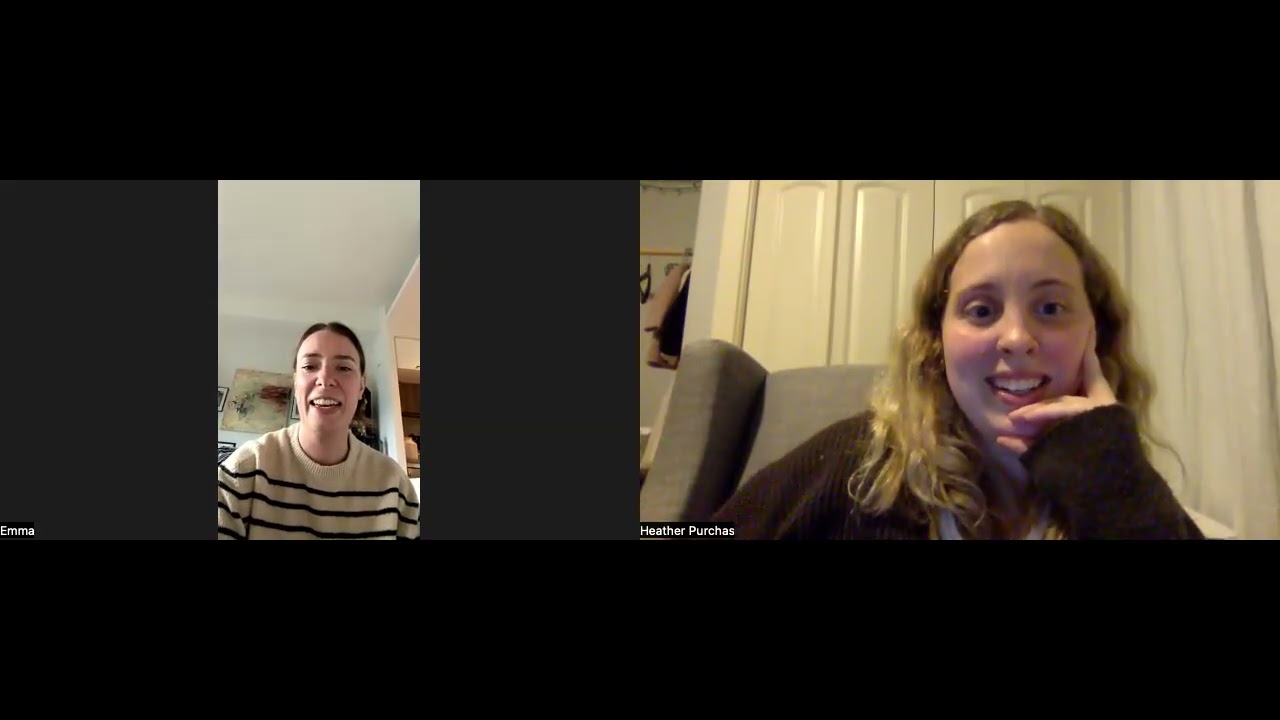
Okay. So, my name is Heather and I'll be conducting this interview today. Before we begin, I want to go over confidentiality and informed consent. Everything you say will remain between you and I, and there are a few exceptions to this. If I believe you have the potential to harm yourself or others, I would need to let someone else know. This is not a counseling session. and this 20inut interview, we need to be careful
77 words, the words spoken in the first 30 seconds at 154 words per minute.
Free, no signup. See how the first 30 seconds hold attention, with rewrites.
Sentence shape
| Measure | This transcript |
|---|---|
| Sentences | 240 |
| Average words per sentence | 13.0 |
| Longest sentence | 75 words |
| Questions asked | 19 |
| Sentences containing a number | 4 |
Most used terms
Filler phrases
117 in total: like 70 · um 27 · actually 6 · uh 5 · sort of 3 · I mean 2 · kind of 2 · literally 1 · you know 1.
A literal whole-word count of the same phrase list the Prepublish browser extension uses, so a phrase inside another word is not counted and a phrase used in its ordinary sense still is. It is a count and not a judgement.
Run the check on the words above: where attention is likely to drop, with a rewrite for each weak line. The free check shows the scores and the one issue costing the most.
What this transcript is
Every word below is the caption track YouTube publishes for this video, pulled from the video itself and reproduced unchanged. It is not Prepublish's writing, not a summary, and not a re-transcription: it is the video's own published captions. English captions, generated automatically by YouTube, in the video’s original language. Source: the video on YouTube. A channel that would rather this page did not exist can ask for its removal through the contact page, and it is removed.
No Script X-ray for this video: YouTube shows a Most replayed graph only once a video has enough views.
Okay. So, my name is Heather and I'll be conducting this interview today. Before we begin, I want to go over confidentiality and informed consent. Everything you say will remain between you and I, and there are a few exceptions to this. If I believe you have the potential to harm yourself or others, I would need to let someone else know. This is not a counseling session. and this 20inut interview, we need to be careful that the content of what is shared is not so emotionally heavy that it leaves you in a place of discomfort.
In addition, this video will be viewed by my instructor on YouTube. It will be an unlisted YouTube video, so no one can see it except for my instructor and myself. And the topic we are going to be talking about today is a meaningful life transition. So, you've chosen to talk about moving to DC and starting your new job. Is it okay with you if we proceed with the interview? >> Yes. >> Okay. Thanks. And before we get started, how are you feeling about talking about this today? >> Excited. >> Yeah, excited.
Um about thinking about it again or disc >> Definitely since it's a positive move transition in my life. It's >> Yes, we love that. and can you tell me a little bit about what led up to your decision to move to DC and start your job? >> Okay, so I graduated college like 6 months prior and then had worked on a campaign in the fall which naturally ended in November and then that was a break in life. So deciding what I wanted to do next and since I was looking to work in politics, DC seemed like where my most opportunities would be.
Um so without a job that's when I moved to DC, but um just hoping for more opportunities, I guess. >> That's great. I mean there's >> Did I cover enough of the background? I don't know. >> Yeah, that's No, that's good. Sounds like there are lots of things that came together in making the decision. >> And it's like the next logical thing to do. >> Yes. >> That's good. And what made you start your job like at the capital or like exactly what what you're doing? >> Well, I wasn't really familiar with a lot of the positions on the hill.
Like now, of course, I know there's the ledge policy side, the communications side. um more administrative roles, but I did not know much about that and so I didn't have a particular one I wanted to do. But it seemed to be that staff assistant, which is a role in every office on the hill, is sort of like the entry level starting out, um get to learn a little bit of everything. So that is what I was looking for. And then the campaign that I was previously on since they were a five-term office, so less turnover and a good office.
I was not expecting an opportunity there, but one opened up a month after me moving since I was sitting here unemployed and they already knew me and it was staff assistant. It just perfect timing all worked out with that opportunity. >> That's perfect. That's actually so nice. >> Though I was interviewing for another job at the same time. Like literally the day before I got this job. I had talked to two partners at another company.
And so, but it's cuz I already knew like my boss and like some of the people in the office that I work in now that it was a maybe safer bet or I already liked them and knew they were good people. >> That's nice. And what was it like for you when you realized that it was actually going to happen? >> Oh my gosh, that was it was like, oh, that was so exciting. I I wasn't necessarily expecting it right away. the chief of staff just called me in and was like, "I want to talk to you about something." And I was hopeful, but he was like, "This is what it pays.
When do you want to start XYZ?" So, I really did not have time to there was not like a long interview process since they already knew me. So, I don't think anybody was expecting it like my parents are telling them about it. But I definitely made a lot of calls and then a little bit of panic struck in about like what do I wear too and then it was like a weekend of finding work clothes cuz I had not worn professional clothes in >> a >> like ever.
So it sounds like >> that was the next thing. >> Yeah. >> Yeah. Definitely excited. There's lots of like uncertainty though with with all of that. >> But there was I guess the good thing was certainty I would get paid because the uncertainty of sitting around in a new city without knowing anybody really um >> was far more taxing than having to get work clothes in my brain. So I was very excited to have an income. >> Yes. >> In DC.
Yes, that's what you need. >> Yes. >> Yeah. And what was the actual transition of moving to DC like for you? >> That was also very quick since the campaign ended um early November. I had a house in Colorado where most of my stuff was different from where the campaign was that being at home in Nebraska. Um, and then coming to the idea of actually moving didn't happen like right after the campaign. It was still a couple weeks after that.
So, I had about two weeks because I wanted to move to DC at the beginning of January and it was sort of right before Christmas that I made up this decision. And so flew to DC after Christmas and had two days to do an apartment hunt. And I knew the area I wanted to look in. So it was I think I booked four apartment tours each day, but the first day, the last place we toured, I was like, "This is the one." the price was like slightly less than comparisons and a lot more space.
And so we tried like filling out the form that night and flew out the next day. So really it was just like a one-day operation in DC deciding on the apartment. Um and then I went back home, got my car, filled it up with stuff, drove from Colorado to DC over three days. >> Wow. And what happened to your house in Colorado? >> It is still there, but uh moved everything from its storage into in Nebraska closer to my parents.
And then the house in Colorado is now rented out. >> Wow. >> Yeah, >> it was quite a whirlwind. Good Christmas. >> Yeah. Yeah. >> But that's so exciting. Wow. And was it hard leaving things behind that were familiar and comfortable and having to figure out an entirely new environment at the same time? I don't think there's material things that I had issues with. Um I have being from Nebraska and always having a lot of space physically and then Colorado having a house. >> Yeah.
I thought maybe that would be a bigger thing, but I think I was more excited for a new city because I've always wanted to live in a big city and DC is certainly that. So, I think it just felt like getting to where I had always wanted to be. And then like the chaos of moving and only having what you can fit into one car because the like cost benefits of moving your furniture out there wasn't really there. >> Yeah. >> So, it was really just necessities. a few like cooking tools, like books, and then like clothes.
I only packed clothes for winter cuz it was winter, so that was rough when it became summertime and I just had like coats and sweaters. But um No, I think it was exciting to start over and fresh and new space and new things and like minimal. Yeah, it was more exciting than than taxing just in general, it sounds like. >> No. Yeah, but the like all of the logistics you have to go through to get there were definitely stressful.
Like getting approved for the lease and signing it and all the electronics and having your co-signer and um getting utilities turned on and Wi-Fi and the checklist and changing your address, um changing your car insurance, all of that was stressful. >> License plates and Yeah. Well, that just happened like two weeks ago, so that Yeah, that took a little longer than >> That's okay. >> Probably should have. >> That's totally fine.
It takes takes a long time to get used to being somewhere new. >> Yeah. >> And then on top of moving somewhere new, you were also starting a completely new job. So, like, how long after you moved did you start working? It was, I think, six weeks after I moved because I started working mid, it was February 19th. Um, and I when they asked when I wanted to start, I picked right away cuz I was just so excited. >> Um, and that was probably best for me because then I got to be around people and start to meet people and have human interaction instead of just sitting in my apartment.
Also being in the middle of winter moving was not great because this city you can do so much outside in parks and get on the mall but I couldn't because it was bad weather. So having work >> definitely helped with that. >> That's good. Yeah. So it definitely affected your experience of settling in DC in a good way. >> Yeah. >> That's good. And it it sounds like it gave you something structured and exciting to focus on. >> Definitely.
It got me out of the house every day and then it got so busy there that I wasn't looking for more or I didn't need more because I was so busy trying to figure out a new job. >> Yeah, fair enough. And what do you think has been the biggest challenge for you during the transition? probably like a support system outside of work or friends or other relationships outside of work. Not been great at balance in life typically.
So making my job everything and then but once you're done with your job at the end of the day tired. >> Yes. So then I don't particularly want to go out and try to start new friendships which is also exhausting. So >> well it's so hard to make adult friendships too. So >> yeah there's a ton of networking on the hill and professional but when like do you want to cross the like personal line with people you meet at work?
I don't know. But like where else do you meet people? I don't know. I don't particularly want to go sit at a bar or meet people there and I feel too old for that. So when I don't run or exercise or things like that, hobbies. Yeah. >> Yeah. I was going to say it's hard to um have hobbies when you're working all the time and then >> yeah, >> it's just all around difficult to meet people. But sounds like you've met some some interesting people at work though. >> Yeah, definitely.
There was uh my work best friend Daniel who started 5 days after me. So, we were in a very established office with a lot of people who had done internships there and had been there for maybe a year, but then there was also a ton of people who had been there for four plus years. And so they are all settled into what it's like. But Daniel and I started five days apart for each other. So I think we became fast friends since we both were like the new kids on the block.
And >> yeah, that's so nice to have someone in it with you. >> Yeah. And figuring out the office and the dynamic together at the same time. >> That's so good. And so what has been the most positive part of like your move and starting the new job and everything? Uh maybe well I I don't I guess technically start of a career is positive but then like the confidence that comes along with that like not only starting a career but then finding out I'm good at what I'm doing and >> yes >> the confidence that then trickles I think into other aspects of life like meeting people or talking to people outside of work and all the networking you have to do.
So >> that's >> probably I guess across the board confidence. >> Yeah, you seem a lot more confident. >> That's so good. I love that. And when you look at yourself before the move compared to with yourself now, do you feel like anything has changed other than like confidence that you just mentioned? I feel like that's the biggest thing. >> Yeah. Um, I guess prioritizing things differently and maybe I I guess it I don't know if it's a good thing or not, but I think I probably prioritized more personal relationships um or romantic relationships more, but it's cuz I didn't have a professional goal. >> Yeah.
Um, I guess people could argue good or bad one way or the other on that, but I think for me that was good. Um, yeah. Yeah. Well, that sounds like it's overall been a really really good thing for you to move to DC and start your job and begin your new life and >> Yeah, I think so. all of the things. That's so good. Well, I'm happy to hear that. And looking back on this transition now, what do you think you'll remember most about this period in your life? >> I don't know.
Well, definitely the hill. like the Hill will definitely define this era because I don't know if I'll be there after this with my boss leaving office in January. I think it has made me realize what I'd like to prioritize next and I don't think it will be working on the hill. Um I haven't told you this but like I was told um like when you're looking for a job there's three things you can look for. your dream job or your passion, location or money.
And I think in this big city with a high cost of living, >> starting out a career, um I've decided that my number one is money to support myself and keep staying in DC. >> Yeah. >> And I can do my job in any industry at any kind of company. So, >> and the government does not pay a lot. So, I can make a lot more money offhill. So, if it's not the person running to replace my boss, then it's going to I'm going to look off hill.
So, >> exciting. Well, that's so understandable because money impacts your quality of life so much. >> And they're just I feel like I need to hit a baseline before I can go look at like, okay, well, what industry do you actually want to work in or what interests you? But also I learned so much from working like what I actually like or what is actually interesting to me. So I think going offhill different kind of company still could be political adjacent like lobbying or an interest group but hopefully with more money and then to experience a new environment cuz the Hill with House of Representatives being up for election every two years that's lacking a little bit of stability that I would like.
I would not like my job to be at Jeopardy every two years, which no matter what it would be in the house. >> That's a lot. That's very often. >> Yes, it is very often. >> Yeah, that's exciting. >> Yes. >> I love that. It sounds like it's all going to go in a good direction and exactly how you want it to. Hopefully. >> Hopefully. But now back to the unsure uh what the next job is. So, >> yeah. Well, hopefully you'll have more stability in the future then. >> Yes.
Um, but maybe not. If the person wanting to replace my boss wins, then I will take that and it will be back on the hill with a competitive district. So, but uh definitely stability in my role dayto day >> because I know what I'm doing. >> Yeah. >> So, there is that. >> And you're confident and you know >> know exactly what you're doing. >> Yeah. And I could always slowly look for a job. If he wins and I keep working on the hill, I could slowly work look for a job while working for him because they say the best time to look for a job is when you already have one. >> So there's not as much pressure on it and you can take your time and really look at the options and find what would be a best fit.
But that may not be the case. So we'll have to see. >> Well, hopefully. I mean, hoping for good things and hope that you get the leg up on on what you want from your job and yeah, >> we'll see. It's a fastmoving environment and out in DC sort of everywhere, people are always coming and going. So, I think there are a lot of opportunities that consistently open up on and offhill. Um, just have to see what >> what it brings.
Mhm. >> Yeah. Well, thank you for being willing to talk with me about this and for sharing your experience. And before we end, is there anything else about this transition that you want to share that we didn't have a chance to talk about? >> I don't know. >> Okay. And um Okay. Thank you. That concludes our interview. And at this point, please fill out the um the interview feedback form if you can. I think I emailed it to you.
So, >> yeah, I saw there was a couple attachments. >> Thank you. >> Oh, wait. Hold on.
The words are the caption track's own and nothing is reworded or re-transcribed. Paragraph breaks are placed between sentences so the text reads as prose.
Free tools for your own script: paste a draft and see where it stands before you record it.
Paste your draft and see where viewers are likely to drop off, with a rewrite for each weak line.
Paste the first 30 seconds of your own draft for a hook score and rewrites.
Check your draft against YouTube's advertiser-friendly guidelines before you record it.
Read this channel's public videos and transcripts, and download a writing brief for it.