Getting the transcript
Reading the captions from YouTube. A video nobody has opened here before takes 10 to 30 seconds; this page fills in on its own.
Getting the transcript
Reading the captions from YouTube. A video nobody has opened here before takes 10 to 30 seconds; this page fills in on its own.
Words
690
Runtime
6:03
Speaking pace
114wpm
Reading time
3min
114 words per minute, below the 160 25th percentile of 349 measured videos. That distribution comes from the 349-video hook study.
Opening (first 30 seconds)
well always within the pre-reading strategies we will introduce you to two main Concepts the predicting and the previewing strategies of course you will see concrete examples of text to manipulate these reading strategies first previewing for preview when you need to preview the text features reviewing is a strategy that readers use to recall prior knowledge
57 words, the words spoken in the first 30 seconds at 114 words per minute.
Free, no signup. See how the first 30 seconds hold attention, with rewrites.
Sentence shape
| Measure | This transcript |
|---|---|
| Sentences | 1 |
| Average words per sentence | 690.0 |
| Longest sentence | 690 words |
| Questions asked | 0 |
| Sentences containing a number | 0 |
Most used terms
Run the check on the words above: where attention is likely to drop, with a rewrite for each weak line. The free check shows the scores and the one issue costing the most.
What this transcript is
Every word below is the caption track YouTube publishes for this video, pulled from the video itself and reproduced unchanged. It is not Prepublish's writing, not a summary, and not a re-transcription: it is the video's own published captions. English captions, generated automatically by YouTube, in the video’s original language. Source: the video on YouTube. A channel that would rather this page did not exist can ask for its removal through the contact page, and it is removed.
No Script X-ray for this video: YouTube shows a Most replayed graph only once a video has enough views.
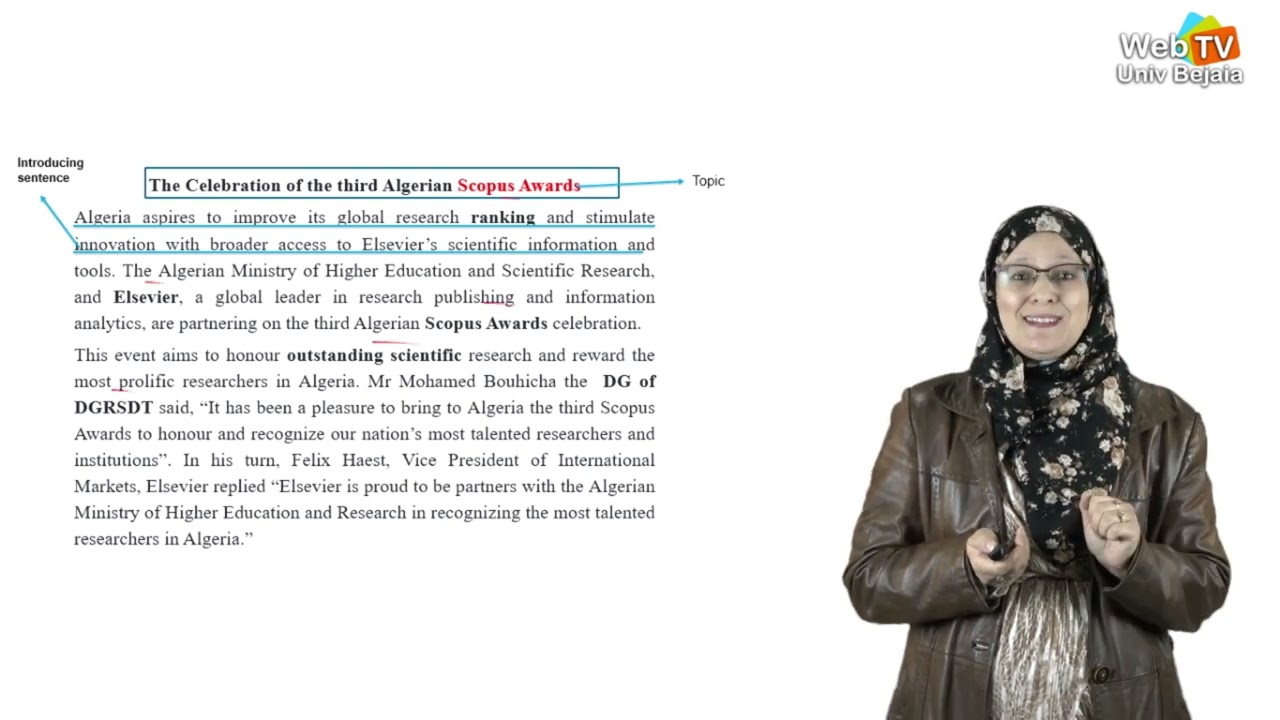
well always within the pre-reading strategies we will introduce you to two main Concepts the predicting and the previewing strategies of course you will see concrete examples of text to manipulate these reading strategies first previewing for preview when you need to preview the text features reviewing is a strategy that readers use to recall prior knowledge and set a purpose for reading we have already seen what is meant by prior knowledge when previewing the videos schemes a text before reading he or she looks at it quickly and does the following reading the title subheadings or the first sentence of paragraphs examine pictures bold words appendix and table of contents once the text is reviewed the video gets an idea of what it is about and what the video is going to read foreign is effective when it comes to expository texts as they include expository text elements such as pictures headings subheadings and clear text structure comparison and contrast argumentative illustrative Etc let's have a look at this example on the slide previewing a scientific paper is something you do most of the time in your research so have a look at this profession the future of political science the politics and management of the academic expectations from the UK this represents the article's title and just below you have the author's name have a look at these circled words so this is the topic of the paper and you have here the main objective of the paper again skip into preview the text preview the following text via schemina scanning identify the topic keywords topic sentences Etc you have the example here this is the main text let's have a look at how we can apply previewing on this sample this is the topic and this is the underlined sentence which is the introducing sentence you have the keywords circled in red in front of you with a bold character and finally you have the concluding sentence so previewing helps you do these information in short period of time we need to talk about the difference between previewing and predicting making predictions or what we call educated guesses is a reading strategy that permits you as a reader to use information from a text to anticipate what they are about to read the previewing process enables the video to gather the needed information that will be used to formulate these educated guesses to predict what will be the content of the text before reading it the video should Supply answers to the following what can I learn get from these texts what Clues might be the author be given me and what might I anticipate to happen Theory into practice now you have an example here of the healthy and inexpensive dish an example we have seen in our previous sequence list all the information that comes to mind about the title list all the information that comes to your mind about the picture and think of what the folks of the author is in this article and what main topics will be covered in this passage and finally what keywords do you expect to learn and list them below possible predictions here can be from the title these texts will talk not only about healthy food but inexpensive food as well from this picture these texts will focus on vegetable consumption or may be healthy and inexpensive food the writer of this text is referring to vegetable from the first lines I think that the writer will focus on healthy and unhealthy food in the United States of America the main topics to be covered in this passage and finally keywords I expect in these texts are healthy versus unhealthy food low-fat food and of course you can apply all these strategies in any type of text just follow these tips and you will succeed in previewing and predicting and in your pre-reading stage as a whole and thank you for watching and let's listen to the coming videos which will be about the during reading stage strategy with other colleagues thank you for watching
The words are the caption track's own and nothing is reworded or re-transcribed. Paragraph breaks are placed between sentences so the text reads as prose.
Free tools for your own script: paste a draft and see where it stands before you record it.
Paste your draft and see where viewers are likely to drop off, with a rewrite for each weak line.
Paste the first 30 seconds of your own draft for a hook score and rewrites.
Check your draft against YouTube's advertiser-friendly guidelines before you record it.
Read this channel's public videos and transcripts, and download a writing brief for it.