Getting the transcript
Reading the captions from YouTube. A video nobody has opened here before takes 10 to 30 seconds; this page fills in on its own.
Getting the transcript
Reading the captions from YouTube. A video nobody has opened here before takes 10 to 30 seconds; this page fills in on its own.
Learn English with Tangerine Academy · @english.tangerineacademy
Words
3,174
Runtime
32:20
Speaking pace
98wpm
Reading time
13min
98 words per minute, below the 160 25th percentile of 349 measured videos. That distribution comes from the 349-video hook study.
Opening (first 30 seconds)
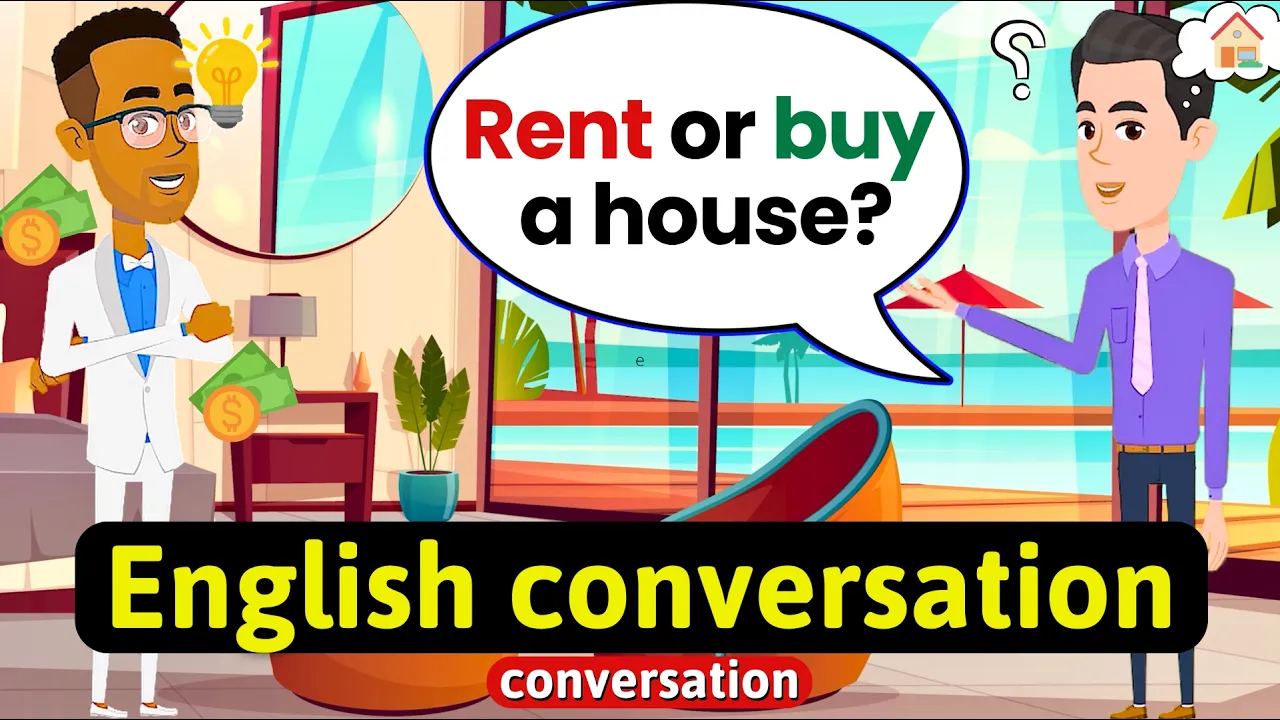
Hello, Felipe. I'm happy you came. Come in. Take a seat, please. Hello, Richard. Wow, it's the first time I come to your apartment. I like it. Thank you. It is next to the beach. We can go there later if you want. Yeah, sure. But I need to
49 words, the words spoken in the first 30 seconds at 98 words per minute.
Free, no signup. See how the first 30 seconds hold attention, with rewrites.
Sentence shape
| Measure | This transcript |
|---|---|
| Sentences | 349 |
| Average words per sentence | 9.1 |
| Longest sentence | 32 words |
| Questions asked | 49 |
| Sentences containing a number | 6 |
Most used terms
Filler phrases
38 in total: like 19 · you know 6 · actually 3 · um 3 · I mean 2 · right? 2 · uh 2 · kind of 1.
A literal whole-word count of the same phrase list the Prepublish browser extension uses, so a phrase inside another word is not counted and a phrase used in its ordinary sense still is. It is a count and not a judgement.
Run the check on the words above: where attention is likely to drop, with a rewrite for each weak line. The free check shows the scores and the one issue costing the most.
What this transcript is
Every word below is the caption track YouTube publishes for this video, pulled from the video itself and reproduced unchanged. It is not Prepublish's writing, not a summary, and not a re-transcription: it is the video's own published captions. English captions, generated automatically by YouTube, in the video’s original language. Source: the video on YouTube. A channel that would rather this page did not exist can ask for its removal through the contact page, and it is removed.
No Script X-ray for this video: YouTube shows a Most replayed graph only once a video has enough views.
Hello, Felipe. I'm happy you came. Come in. Take a seat, please. Hello, Richard. Wow, it's the first time I come to your apartment. I like it. Thank you. It is next to the beach. We can go there later if you want. Yeah, sure. But I need to ask you something. How much does this apartment cost? I would really like to buy an apartment like this. It must be really expensive, right? I don't know. I think it's $200,000 or something like that.
I am not the owner. I just rent this apartment. I don't know the price, but yeah, I suppose it's expensive. Seriously, I can't believe you. And how much do you pay to rent this apartment? $1,000 approximately. Comes with garage and storage. $1,000. That's not cheap. Well, for me, with that amount of money, why don't you better buy this or other apartment? I mean, isn't it better to buy your own house? Why are you renting this apartment?
That's how I also thought in the past. But then I understood that it's not better to buy. I prefer to rent. That's much better in my opinion. In my case, it suits me better. Nah, I don't think so. Without money, you can be paying for a house, your own house. How can you say it's better to rent? Explain it to me, please, because I don't get it. All right. For some, renting is considered throwing money away while buying is an investment.
The truth is the answer to rent versus buy question is much more complex than that. It's more like which size fits me. I will explain it to you. As I said before, the biggest myth about renting is that you're throwing away money every month. This is not true. After all, you need a place to live, and that always costs money in one way or another. While it's true that you aren't building equity with monthly rent payments, not all the cost of home ownership.
Always go toward building equity. When you rent, you know exactly your housing cost each month. But one advantage is no maintenance costs or repair bills. That's excellent. One of the benefits of renting a home is that there are no maintenance cost or repair bills. This means that when you rent a property, your landlord assumes all responsibility for all maintenance. improvement and repairs. If an appliance stops working or your roof starts to leak, you call the landlord who is required to fix or replace it.
I like that. Another advantage is no real estate taxes. One of the major benefits of renting versus owning is that renters don't have to pay property taxes. In some areas, the cost associated with property taxes can amount to thousands of dollars each year. What else? Oh, I know. More flexibility as to where to live. Renters can live practically anywhere, while home owners are restricted to areas where they can afford to buy.
That's too bad. Although rents can be high in areas where home values are also high, renters are more apt to to find an affordable monthly payment than home buyers. Seriously. Also, the flexibility to downsize. Renters have the option to downsize to more affordable living spaces at the end of their lease. This kind of flexibility is especially important for people who want a less costly, smaller alternative that matches their budget.
For example, me now I am paying $1,000 for this beautiful apartment. But if something happens or if I want, I can move to a cheaper apartment whenever I want. Now you know what is my favorite reason to rent this apartment rather than buying it. No down payment. Yeah, renters generally have to pay a security deposit that that is equal to one month's rent and that's usually all. This deposit is returned to them when they move out provided they haven't damaged the rental property.
When purchasing a home with a mortgage, you are required to have a sizable down payment. Typically around 20% of the property's value. That's a lot of money, my friend. I had that money. Yeah, I could buy a house. I had saved $20,000. But instead of using that money for a down payment on a house, I decided to invest it. I started my own business with that and I also invested in other things and it worked for me. Now I have my business and maybe in the future I could buy a house with the money it produces.
That's interesting. You know, I was saving money to buy my own house. It was my dream. But now that you told me about the benefits of renting a house, I think I will better rent. Wait a minute. It is not for everyone. If you like businesses and you can work hard, then you can choose that option. But you need to educate yourself before investing that money. If you don't have the financial education to make that money grow, it's better not to do it. better buy that house and thus you will pay the fee month after month along with the interest.
As I told you before, it's not for everyone. Plus, buying a house has also its benefits. Really? And what are those benefits? I want to know, please. Well, there are many of them. Maybe after you listen to me, you can take a better decision, but it will have to be in another video because we don't have time now. I'm sorry. Oh, [clears throat] damn it. Okay. What do you say, guy? Is it better to rent or own a house? Hey, Michael.
Sorry to interrupt you. Do you have a moment? I'd like to ask you something. Hey, Alex. It's break time, so sure. What's on your mind? I'm going around asking everyone if they've thought about their New Year's um resolutions. Have you made any plans for next year yet? I'm just curious. It's something I do every year. To be honest, I haven't really thought about it. You know, this year went by so quickly with all the projects and reports, but now that you ask, I suppose I should think of something.
Maybe a resolution to exercise more and take better care of my health. This year, I felt like I was always sitting and staring at numbers. [laughter] That's a good one. It's easy to forget that to take care of ourselves with all the work we do. By the way, how was this year for you overall, Michael? Did anything stand out? It was productive but exhausting. We met all our goals, which is great. But I sometimes feel like like I spent too much time here at the office and not enough time with my family.
If I could change something, it could be to make more time for them. What about you, Alex? How was your year? It was a learning experience for sure. I've grown a lot, but I think next year I need to focus on on personal growth outside of work, too. It's good to reflect on these things, isn't it? Absolutely. Thanks for stopping by, Alex. You've inspired me to think more about what I want next year to be like. I am happy to hear that.
I will continue asking more people about their uh resolutions. Hey, Charles, it's break time, huh? Got a moment to chat or you're going to eat now? Hey, Alex. Sure. I'm not really hungry yet. Tell me what's going on. I'm going around asking everyone if they've thought about their New Year's um resolutions. It's interesting to hear what people are planning for next year. Have you made any? Oh man, I haven't really thought about it yet.
This year has been nonstop. with all the system upgrades and the tech issues. But now that you ask, I think I should focus on learning new programming languages or tech skills. It's easy to get comfortable with what I know, but technology is always changing, right? That's a great resolution, James. Keeping up with new tech is important. How was this year for you, though? What would you change if you could? This year was intense to say the least.
I felt like I was always on call, always needed for some emergency. If I could change one thing, it could be finding more time to disconnect from work. I think I need to set better boundaries. What about you, Alex? What's one thing you'd change about this year? I could try to build better connections with everyone. I was so focused on learning the job that I didn't make enough time to socialize. Next year, I want to change that.
That's smart, Alex. Building relationships here can make work a lot more enjoyable. Thanks for making me think about it. I guess I'll add more time for myself to my resolutions list, too. That's great. Good to talk to you. Hey, Richard. Um, do you have a few minutes, Alex? Hello. Shouldn't you be eating your lunch now? What's going on? I'm asking everyone about their New Year's resolutions. It's something I'm curious about.
Resolutions. I haven't given it much thought, but I suppose it's something worth considering. If I had to make one now, I'd say I want to spend more time mentoring younger employees. This year I was so focused on meeting targets and managing projects that I didn't get to share as much knowledge as I wanted to. How about you, Alex? Have you thought about your resolutions? Yeah, I'm planning to focus on work life balance and improving my skills here at the company.
It's been a big year of learning for me. How do you feel this year went for you, Richard? It was a good year in terms of achievements, but I missed out on personal moments. My kids are growing up so fast and I wasn't there for as many school events or family dinners. If I could change anything, it would be to prioritize my time better and not let work consume my evenings. That sounds really important, Richard. Work is just one part of life after all.
Exactly. Thanks for bringing this up, Alex. It's a good reminder that we all need to reflect and plan for what matter most. Thank you. That was interesting. Emma. Hey, Emma. Come here, please. Just one moment. >> Hello, Alex. I just finished having lunch. Tell me what's going on. >> It's about your New Year's resolutions. Have you already thought about it? >> Uh, New Year's resolutions? I haven't really thought much about it, but if I'm honest, my first thought is about saving more money.
This year, I felt like I spent too much on things that that I didn't really need. So, yeah, my first resolution would be to budget better and save more. That's a really practical resolution, Emma. Saving money. H, [clears throat] it's important. But what else? Are there other things you'd like to focus on next year? You know, now that I'm thinking about it, I'd really like to travel more. This year, I worked so many long hours. that I barely took any time off.
It's easy to forget that there's more to life than work and saving money. I want to visit new places, experience different cultures, and just relax more. Traveling can really change your perspective, and give you new energy. Is there any place you'd love to go? Yeah, I've always wanted to visit Italy. The food, the history, the art. It's been on my bucket list forever. And maybe some tropical places, too. Just to unwind by the sea.
But more than that, I want to have more time for myself, even if it's just a quiet weekend getaway now and then. That's such a great goal. How did this year go for you? Is there anything you'd change? This year was productive, but tiring. I hit my work targets and learned a lot. But I also felt burned out. If I could change one thing, it would be taking more time for self-care and saying yes to myself, not just to work.
Next year, I'm definitely going to plan my time better so that I can enjoy life more. >> That's interesting. You know what? I have been asking people about their resolutions and even if they answer things about work at the beginning, all they want is time for themselves. I think a lot of people forget that resolution aren't just about being better at work or saving money. They are about making life better overall. I think that is what really matters in life.
So what about you guys? What are your resolutions for next year? Tell us. Hello. Hello. Welcome to a new Tangerine TV video. Hello Mr. Savala, good afternoon, Sam, and welcome to all students watching this video. I hope you're fine. I'm sure they are. The students have been asking a lot of questions these past few days, but one of them is in my humble opinion one of the most important questions the students may have.
We know that the best way to practice your English is to speak it with another person. But many of us don't have a person to practice English with a conversation partner. And that's why we're here today with the teacher. We want to know how can we find a conversation partner. That's a really good question. You're probably learning English because you want to be able to speak it. To get better at something, you have to practice it.
That goes for speaking, too. The more you do it, the better you get. There are no shortcuts or hacks that will get you speaking like a native unless you actually practice. Now with this in mind, there is an important question. Does my conversation partner need to be a native speaker? I will answer. Although it might be ideal to speak with a native speaker, you don't have to. Native speakers are great because they can provide model language the way it is actually used.
They speak the language so they really know it. They can tell you if something sounds strange or better ways to use language. So a native speaker might be the ideal conversation partner. But you can get many of the benefits of practicing the language from conversation with non-native speakers too. Speaking with other learners will still help you develop confidence speaking. It will still help your brain practice formulating sentences using English words and grammar. and it will still give you mouth muscles.
Practice pronouncing English words indeed. You might feel less nervous speaking with other learners. It really works. There are lots of people who are fluent in English that aren't native speakers. that are just as effective conversation partners and even people who are learning English can be great partners too. Now, where can you find a conversation partner? Well, you absolutely need to start from your network. Look for people in your life that speak English or are learning it.
For example, I'm learning French. I made a list with people in my family who speak French. Nobody. [laughter] Close friends? No one. But then I remembered I made some friends years ago while I was traveling around a touristic place in my country. They are from France. so they could help me. I am not going to tell them, "Hey, can you practice French with me?" I don't think that can work. Instead, I am going to ask them about something, the weather, their trips, whatever.
Also, I also remember that when I was studying at the college, I made a lot of friends. Some of them told me they were studying French. I think I can try to contact them now. I can invite them for coffee or lunch and start speaking in French. You can do it too. The important is you do something about it. Don't just wait for it because it could never happen. Tell your friends, family, and co-workers that you want to practice speaking English and see if anyone volunteers to help.
Language exchange apps. A language exchange pairs two people that are learning each other's language. So you might speak Farsy and want to learn English. Your partner could be someone who speaks English and is learning Farsy. Language exchanges are a great way to share your language while learning a new one. Some of them are tandem, high native, polyglot club, my language exchange. There's a lot there. Just pick one to try it and see if it works for you.
If not, try a different one. And of course, you can use social media, too. It's designed to connect you with others. You can join Facebook groups, WhatsApp groups, Discord server and so on. Online chat with the strangers. Another possibility is just to find a regular English chat website. There are a few out there that I'm aware of, but I know that some of them can get a bit creepy. You might be more likely to have an awkward experience on it.
Proceed with caution. Now, how to organize a relationship with a conversation partner or success? The difficult part is actually setting your relationship up for success. believe me, so that you can both get the most out of the conversation that you have together. I'm going to tell you how to do it. Prepare in advance. Choose a time that works for both of you. Choose the application you'll use, Skype, Zoom, Google Meets, or any other.
Decide how much time you'll spend on each language. I mean, if you're applying language exchange, think about what you want from the exchange. Set your goals so you can check your progress. Try not to rehearse in advance. A conversation is meant to be off the cuff. The point is to listen and respond. If you're nervous, you'll be tempted to memorize the speaking points. But I encourage you to just go with the flow. That way, you could sound more natural, too.
And the most important language conversation topics really important. For example, ask about your partner's country and their life there. Ask about plans they have for next weekend or what they did last weekend. Ask what the biggest thing on their mind right now is. Ask about what they are grateful for. Any topic you think both of you are interested in. I hope these tips can help you find a conversation partner. They are helpful tips, teacher.
If you want more tips, please like the video and comment. Take care. Thanks for spending time learning English with these conversations. Consistent listening is one of the best ways to improve your English. If this video was useful, don't forget to like, subscribe, and turn on notifications for more English practice.
The words are the caption track's own and nothing is reworded or re-transcribed. Paragraph breaks are placed between sentences so the text reads as prose.
Free tools for your own script: paste a draft and see where it stands before you record it.
Paste your draft and see where viewers are likely to drop off, with a rewrite for each weak line.
Paste the first 30 seconds of your own draft for a hook score and rewrites.
Check your draft against YouTube's advertiser-friendly guidelines before you record it.
Read this channel's public videos and transcripts, and download a writing brief for it.