Getting the transcript
Reading the captions from YouTube. A video nobody has opened here before takes 10 to 30 seconds; this page fills in on its own.
Getting the transcript
Reading the captions from YouTube. A video nobody has opened here before takes 10 to 30 seconds; this page fills in on its own.
Pro Audio Perspectives · @proaudioperspectives
Words
6,605
Runtime
41:37
Speaking pace
159wpm
Reading time
28min
159 words per minute, below the 160 25th percentile of 349 measured videos. That distribution comes from the 349-video hook study.
Opening (first 30 seconds)
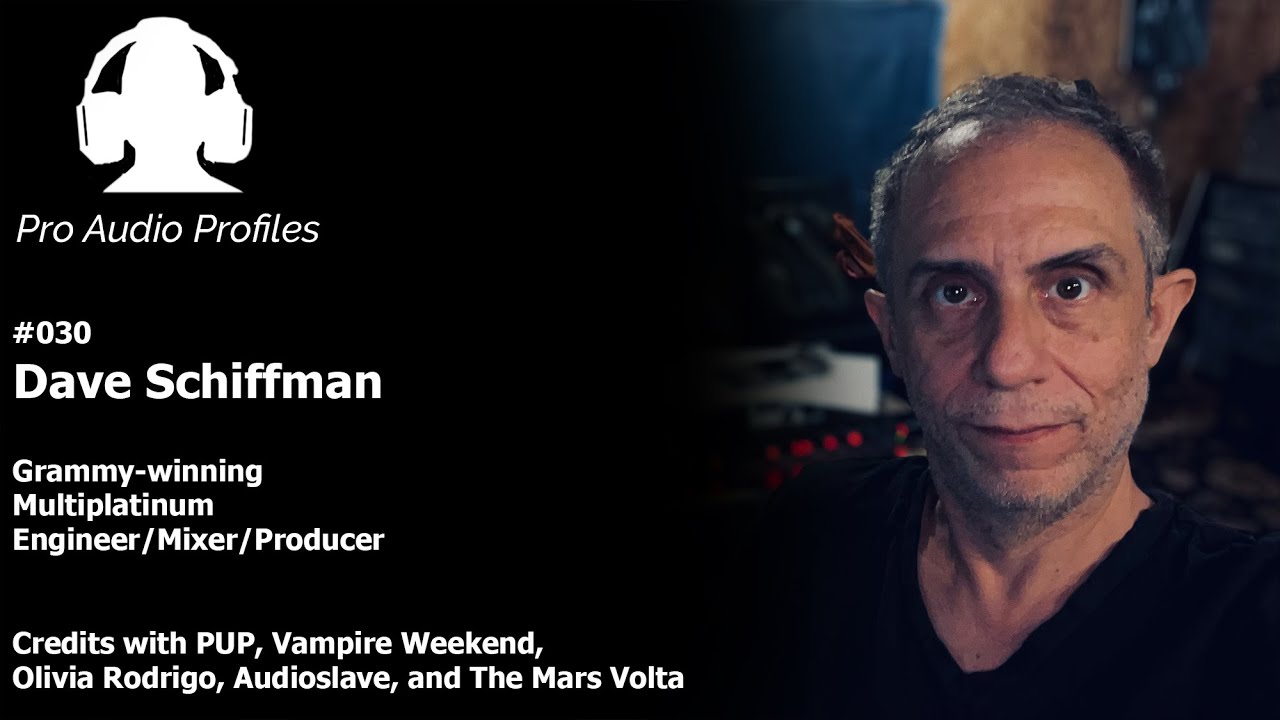
welcome to Pro Audio profiles my name is Brendan Decora and each week I'll be hosting different guests mainly engineers and producers but also people from across the industry enjoy on this week's show we have Dave schiffman he's a grammy-winning engineer mixer and producer who has credits with pup Vampire Weekend Olivia Rodrigo Audioslave and The Mars Volta enjoy so first and foremost I want to thank you for being here really appreciate it sure you're actually here yeah
80 words, the words spoken in the first 30 seconds at 159 words per minute.
Free, no signup. See how the first 30 seconds hold attention, with rewrites.
Sentence shape
| Measure | This transcript |
|---|---|
| Sentences | 1 |
| Average words per sentence | 6605.0 |
| Longest sentence | 6,605 words |
| Questions asked | 0 |
| Sentences containing a number | 1 |
Most used terms
Filler phrases
494 in total: you know 193 · like 172 · uh 48 · kind of 38 · um 22 · I mean 9 · actually 7 · literally 4 · sort of 1.
A literal whole-word count of the same phrase list the Prepublish browser extension uses, so a phrase inside another word is not counted and a phrase used in its ordinary sense still is. It is a count and not a judgement.
Run the check on the words above: where attention is likely to drop, with a rewrite for each weak line. The free check shows the scores and the one issue costing the most.
What this transcript is
Every word below is the caption track YouTube publishes for this video, pulled from the video itself and reproduced unchanged. It is not Prepublish's writing, not a summary, and not a re-transcription: it is the video's own published captions. English captions, generated automatically by YouTube, in the video’s original language. Source: the video on YouTube. A channel that would rather this page did not exist can ask for its removal through the contact page, and it is removed.
No Script X-ray for this video: YouTube shows a Most replayed graph only once a video has enough views.
welcome to Pro Audio profiles my name is Brendan Decora and each week I'll be hosting different guests mainly engineers and producers but also people from across the industry enjoy on this week's show we have Dave schiffman he's a grammy-winning engineer mixer and producer who has credits with pup Vampire Weekend Olivia Rodrigo Audioslave and The Mars Volta enjoy so first and foremost I want to thank you for being here really appreciate it sure you're actually here yeah you came over so yes thanks for coming awesome I like to start by uh if you could go over your backstory kind of how you got to where you are my back story okay um I started at a music studio in Manhattan in the late 80s a place called Skyline Studios started there as a runner uh getting people's food cleaning bathrooms occasionally being allowed to help set up and break down and gradually worked my way into being an assistant right that did you what what made you want to be an engineer in the first place I you know it was it was looking at album covers and reading credits and occasionally seeing like a a picture in the studio I think just kind of piqued my curiosity like you know how they do that and it just kind of Grew From there okay and it was just a pretty esoteric thing people thought I was weird because it's what I wanted to do and there wasn't like a lot of it wasn't a lot of schooling for it at that point yeah you know maybe there were a couple of schools that Standalone schools but also not a lot of colleges that offered a program in it right um College I went to sort of had they had like two classes and took them both uh let's just kind of learn on the job situation yeah yeah you know and I think back then there was more of a nod towards the uh apprenticeship vibe that the business used to have right where you that's how you did come in you know you you cut your teeth as a as an assistant right you uh and then you got your break somewhere somehow I mean even for me like yes I went to like one of the more you know like the trade school kind of thing where there's like extensive recording information but they did they taught you how the gear operates and the basic fundamentals they didn't teach you how to make stuff sound good right or to be good in a session or any of that kind of stuff like you still had to go and learn you know in the studios for that yeah absolutely and I think you you hit something really important is that they don't teach you how to be a good hang yes and and you know eighty percent of the gig when you're starting out is being in good hang and not being that annoying Critter on the couch or next to an engineer who just keeps peppering with you know inappropriate questions or you know just being stupid right you know there was just a way of being able to uh embed yourself right and become part of the process and become part of the the gang right exactly that you know that spoke volumes that that was where you got your experience because then there were people who kind of you know took you under their wing and looked out for you or you know gave you opportunities or yeah you know and that was really my schooling right was of course was learning you know having the opportunity to learn from from people like that right you know right so back to your kind of timeline where did you go after that first well after that I I that was when I met my now wife and uh we were dating cross country for a year she lived out here and you know back then it was a lot easier because I could literally go into the Village Voice and buy a ticket to fly to LA and I would literally fly under somebody else's name like it didn't matter you know there was no security to speak of back then you know you could walk people to the gate back then right right up to the plane that's right so I multiple times I flew with somebody else and you know never never got stopped right um so that's what we would do we would kind of alternate and then it was kind of becoming evident to me that the vibe in New York was changing yeah a lot of Studios were closing they were getting uh priced out right real estate was really starting to kick out kick up um and when when was that roughly that was uh the early 90s okay so like 91 92 93 okay was kind of when you know the writing was on the wall right right and um I it seemed like there was a a convolution of things where it was like okay it's it's time to make a move right and I came out to LA and I interviewed at a studio called oceanway right a guy that I assisted a lot for in New York named Kevin Killen got me the interview okay I went in and they had just installed their first SSL console out of record one right so I figured that was my angle because Studio I came from was all SSL conference nice I was like oh you know I could be like your SL guy you know and so managed to talk my way into it they you know they gave me a job and I think I did a total of two sessions on the SSL console like it just never it never worked out you know because there was an assistant who was already there who kind of called dibs on that room okay and he was kind of all over it so but it worked out for the better honestly because that way I got into all the rooms where people were recording right where people were tracking right right and that's where you were able to kind of become part of the the process yeah exactly and that was amazing you know working with amazing producers Engineers artists obviously you know great music right and uh one of the producers that I was assisting for a bit at that point was Rick Rubin okay and uh it was probably like the the second or third gig that I had done with him it was for uh Chili Peppers record called one hot minute right the record no one talks about yeah the one with Dave Navarro I I personally like that record I don't know it's funny it just it just does not get a fair Shake I don't think no but um so yeah so we were in studio three at oceanway doing vocals with Anthony and uh an engineer by any of Richard Dodd was engineering fantastic you know legendary guy out of Nashville and you know it was uh it was a long process uh Anthony was kind of in and out of the studio a bit so when he wasn't there uh American records which is Rick's label would just throw [ __ ] at Richard to do okay be like here mix this song here let's do a remix of this song Here we needed you know we need to do something for this right so that's what it be we became like the Clearing House you know and and after a while Richard just kind of got tired of it he had been out here for I don't know like two months or something he missed his family he was like I I don't really you know he's like I'm ready to go home yeah and he and he looks at me he's like you want to take over I was like sure he's like he said are you ready I was like yeah I'm ready all right is that okay he's like I'll talk to uh I'll talk to Rick and see what what happens I was like all right great nice so uh like two days later he left and they hired some other guy to come in oh geez I was like all right well you know I guess you know you tried and so they they bring in this guy uh from uh things from Vancouver okay and comes in and he proceeds to just uh completely destroy the session I mean like and and just such a horrible attitude just you know we had um we had these very intricate multi-track machines over at oceanway right he impacts the ATR 124s which were very esoteric right and very moody and they had all these little like tricks to kind of keep you you know all the assistants knew like these shortcuts and they had their presets set up so you know first day of the session we sit down Anthony goes out into the room and I grab the remote and turn it around to me you know ready to go and this engineer looks at me he's like what are you doing getting ready to record right and he's like why is there a remote in front of you I was like well because I was gonna run tape it's just like no you're not she's like he's like if I want you to run tape I'll ask you to run tape and he grabs the remote and turns it around and I was like okay sure I was like hey let me just show you a couple little shortcuts to get around the remote because it's it can be a little tricky and he looks at me he's like I I know what I'm doing all right okay no problem so I went to the back of the room sat in a chair and just watched him bury himself you know with you know a track a two tracks in sync the rest of the machines and reprogram you know recording over track just completely and you know he's getting more and more frustrated and you know you start snapping at Rick he starts snapping at Anthony and I'm just like oh my God this is just just a total [ __ ] storm you know and I I was like wow the day ends and like this guy didn't even Flinch you know you just thought everything went fine right and I was like all right man well I guess I'll see you tomorrow yeah and so I come in the next day nobody else shows up not him not Rick not Anthony nobody so you know whatever happened that day right you know hit hard I guess so I'm just kind of sitting there in the room there's a stack of multi-tracks of you know stuff that Richard was supposed to do right right and I was like all right well you know he's they're paying for the room so I put up a uh a Jayhawk song they were remixing a couple songs for I forget which record it was it was excuse me it was the uh like the last one George did George right and I just started to mix a song you know and Rick Rick that was back in the day when Rick would have you know three rooms locked out in Russian way you know he was doing we were in three he was working on Danzig and two right and around the corner uh Scott lit had a room that he would rent out the clubhouse he was working on something else in there so he would just kind of like bounce around right so you know later that night I see him walking down the hall and I had something I was like well I guess I need to play it for him right now so I I go out to the hall and I was like hey hey Rick Rick hang on a sec I said you know I I know you guys needed that Jayhawks song mix so I took a crack at it uh do you want to come hear it and he said he's like okay well make me a cassette and come down to Studio two and play it for him okay a cassette all right so that's right that's the Year we're talking right yeah we're talking about 1990 four four ninety five yeah so so I burn a kiss out of the mix and I go down to Studio to pop it in the deck we sit there listens to it was got about halfway through and he's like and he's waves me to stop it so I stop it and he's like like cool thanks for doing that man sure okay like all right and I go back to three and like oh what the [ __ ] just happened there I have no idea what just happened geez and so you know hung out for a little while went home right and uh the next morning the phone rings and it's Rick's assistant uh this woman named Mala and molecules and she's like hey so Rick wants to know if you're available tonight to go to sound Factory and do vocals with Anthony oh geez and I like yeah sure what time she's like eight o'clock I'm like great and so I guess somehow I was in right and and that's where it started and I worked with Rick for you know like the next 10 years wow and you know made a lot of great records with him yeah got you know worked with some super talented people and it was uh you know it was baptism by fire for sure but you know it was it was the best thing that ever happened to me in terms of my career of course because it was my it was my shot exactly exactly so and so nowadays are you doing more mixing producing engineering kind of everything you know kind of everything yeah I I do you know most of the stuff I I would say 98 of the stuff I do I produce I mix as well right it just kind of works out that way um and there are a couple of guys that I still am more than happy to engineer for right right um I I still I still enjoyed that part of it right you know I you know I I think you know like I have an Atmos set up now as well yeah and I know a lot of guys who are just doing Atmos right and I there's no way I could do that yeah you know I still like the other stuff too much I still like stereo I still like yeah producing I still like tracking you know that stuff is still you know a lot of fun to me absolutely now even myself like I've been doing mostly mixing lately but it's like the more I do it's like well I'll do you know a handful of recording sessions here and there but then I get in the studios like well maybe I should do more of this sometimes you know it's just to switch it up you know yeah you know it just keep it fresh you know and there's something about like mixing can get very lonely I mean like I'm back here you know there are some days there are some days there's some weeks where I literally do not leave my house where I don't put on shoes where I you know shower rarely and it's just because there's no reason to you know and and I really look forward to the opportunities where it's like oh we're gonna go track it sunset sound for five days or we're gonna go to East West or you know out to somebody else's Studio you know whatever like because there's that interaction there's that right you know there's that thing that just isn't there anymore of course which which I miss yeah yeah and that's I mean that actually brings us to kind of the main thing I'd like to talk about on the podcast is you know how to inspire artists in the studio right and when you're producing say like how do you usually chat with artists about the vision for the project I think it starts obviously it starts from the music right and what they're looking to get out of the process what's their ideal situation right and how do we achieve that or get close to that um and actually how does it vary between like an established artist that has a bunch of Records versus a brand new artist you know well I think with a brand new artist you're helping them develop their sonic footprint so to speak right yeah which I actually really enjoyed doing I think there's something about uh the energy of helping somebody kind of create something that just they've never been able to do before or uh you know achieve a level that they haven't gotten to before right that's you know that's always very uh that feels good to do you know I just want to take a quick break and tell you about my free snare guide in it I go over all my techniques from drum choices microphone placement tuning even mixing techniques check it out now at brandondacora.com huge snare and now back to the show [Music] so how does your approach to working with artists changed over over the years how has how have you evolved um I think I'm less concerned about being honest and candid because I I feel like you you don't do an artist any favors by by bullshitting them or by candy coding [ __ ] right you know if if I want to do the record if I believe in the artist then I feel like I should be able to say whatever I need to say to them and not in like a vicious or um you know aggressive way of course but if there's something that I don't feel is good enough yet or if there's something that you know I want to change or look in a change well then then I bring that up right and and I make sure my opinion is hurt now I and I will say and I'll and I'll say this to any artist I work with my idea isn't necessarily the be-all end-all of course I I don't you know I try not to bring that kind of an ego into the studio but if I can at least open the question and engage the possibility right I feel like then I'm doing my job because if the chorus on the song Say say of course wasn't right yet right and I brought up hey you know a suggestion as to how to change the chorus but it fell flat but from that came another idea that did work well then you know I think that's my job right you know it isn't necessarily to go I have the answer and this is going to make it a huge hit song right it's here's the question it's you know it's my job to to help pose the question right about what could be about how could this be better or how could this you know fulfill what you're trying to do and go from there from there exactly exactly and how um how do you tweak your techniques for different styles of music different genres I think you know a lot of it depends on for example if it's if it's a band and a band that hopefully plays well together I think it's pretty important to have everybody playing together right to initially to record the songs yeah and what I'll say to them and what I firmly believe is that there's just something about that interaction in the room that is a great Foundation to build from and it doesn't mean that you know we have to keep that guitar part or we have to keep that vocal or right whatever I mean everything's open to be edited redone adjusted what what have you but there's still an element of of energy there right and and I'm you know I'm not a uh I'm not a Slave To The Clique either yeah I feel like you know the click has its place I think you know songs that uh maybe are more like Loop based or more like have more of an electronic tinge to it okay well that you're gonna kind of want to have on the click right pretty tight but if you have a band and you have it reasonably on the click you know we're not talking about a a huge you know Tempo drop or a dropping beats or anything but if you have like uh that ebb and flow of a song and everybody's playing to that ebb and flow yeah it doesn't sound like it speeds up or slows down it sounds natural right and I think that's a that's what makes a recording exceptional now yeah because anybody can make a record that sounds perfect anybody can line up at everything the [ __ ] out of it yes and there it is but but in the process do you do you still have personality do you still have emotion do you still have Groove I mean how many times have have you gotten have you had somebody else maybe edit your drums and they come back and it's like what happened like this wasn't that far off you know if you're just looking for a tune-up but it's just like it just all gets sucked out yeah you know and so you know there are you know don't get me wrong there are a lot of great editors out there yeah but you know every once in a while you just get somebody and just like I don't know like I flipped the playlist back to the unedited and that sounds that feels a lot better today you know and it's you know I think part of the record process is being able to to trust your ears also yeah and decide no I do like that right that's you know exactly and not being afraid of well it's a little Out Of Tune mm-hmm okay is it is it annoying is it is it is it taking you out of the song I think that's my litmus test is it taking me out of the song is it creating a you know a moment that I don't necessarily want for that right it doesn't make sense for the song if it doesn't then right you know feel if it feels good yeah and It's Tricky too when you're editing like you know you for example you edit the drums a little bit but everyone was playing to the drums and so then yeah it becomes a spiral I I can't tell you how many times that's happened where you know literally you know there's that one Kick Drum that's ahead can you pull that back right okay and you pull it back and be like okay now that's snare after it right deals uh feels late yeah okay well I'll just pull that pack a little bit Yeah and then all of a sudden the entire section has been chopped yeah and you listen against the rest of the track like exactly so then it's like well you know what let's leave that kick drum alone or you just kind of figure out a way to cheat it it's like let's pull pull everybody else back to it or something or you know a combination of the two it's you know you're you're striving for natural natural nests at that point so you know there's there's got to be a give and take yeah and It's Tricky too because you know often a lot of clients and artists are fairly technically Advanced you know they know exactly what they what they think they want right you know and then they say okay let's do this one little thing and then but then you listen it's like well that's not really the problem right it's this other thing over here and then right right you know so it's trying to navigate all that as well I I think part of what comes from experience from doing this for a while is the ability to see four and five moves ahead yeah and sometimes it drives people nuts but right it's it's become something that you know is pretty hard to like you know bite your tongue on sometimes right right like all right if we do that you know what's gonna happen now right like right what well now the tempo the song is different right like what do you mean well watch you know exactly watch how this verse is really fast all of a sudden right and the rest of the song is this right oh yeah so like exactly exactly exactly so yeah I mean it's like kind of like experiencing those pitfalls before is you know is good because you've been down that road yeah but then comes the second part of it where you have to explain it to the artist or the band that is pitfalling at that point exactly and like here's why we don't want to do that right here's what here's how I here's how I've had it happen right let me explain you know academically and you know also at the end of the day you kind of have to pick your battles yeah I mean at the end of the day it's their record you know their name's a lot bigger on it than mine of course so they need to be happy they need to be comfortable with it uh Paramount right but as you said sometimes people don't know how to get to where they want to be right and I think part of experience is like okay I know where you want to go let me let me help you get there right right let me exactly let me help you avoid a roadblock here and there right and get to the Finish Line exactly yeah it's so often it's like I see these little notes you're telling me but really it's this bigger picture right so this is really how you get there right and you know you'll see it in mixed Notes too where it's like you know you're they're essentially asking you to turn everything up yes and and then so you have to go back and go what is it that is bothering you about the mix right like well it's just not it's just not loud enough and they're like okay well aside from turning up the volume yeah um you know and then you kind of have to figure out a way to get it so they understand no no it's it's fine right it's good but I think what you're missing is you want the vocal louder or or I think what you're hearing is maybe the vocal is too loud all right just not bright enough right or whatever yeah and so I what I try and do is I try and look at the notes like holistically like overall what is it that they they seem to be like talking about Reverb a lot here okay so maybe maybe we've gone the wrong direction okay right you know and and that's the thing it's like there's mix mixing is so subjective yes so subjective so when somebody says well you know just do your thing like okay but I hate when people say you know like direction is really important I think yeah you know I I really like when a band says you know here's what we're going for or they send me a rough mix where it's like look it doesn't have to be I I'm there to mix right so it doesn't have to be perfect but like give me an idea like right vocal level like are you are you looking for like a super reverbed out Vibe you know give me a a reference you know we really I actually have a question regarding that because I'm working with a client now where the ref mixes they send there's like zero effects on any of the vocals right that's super raw but they want you know they want it to be polished and cool but like how do you judge okay the the balance of this ref mix is super loud but it's also so raw that it's like a totally different picture at the end of it so it's like how do you navigate those kind of things yeah I think if I'm feeling unsure about what the band is going for I encourage them to send me uh records that they like right yeah you know I'll say them where do you in say you're on tour who's opening for you or who you opening up for who do you feel like you stand in the same room as right and that's interesting and that'll kind of give me uh an inkling you know if if I'm working with somebody who really isn't good at saying what they want right right you know because because I can pick a direction right and I feel like you know I I'm fairly versatile at that like I'm not gonna do like the thing right right far from it you know I wish I wish my mixed template was more organized like that because I never do the thing right it just kind of it just kind of starts from what's the song sound like you know what's what's driving the song to my ear right what's important here what's not important here and that's that's what drives how I set up my mix right [Music] um you know is it the most organized thing in the world definitely not yeah but you know so how do you handle creative differences with artists to ensure a positive outcome for both parties like if you know they are like two artists are arguing over which part or whatever you know two artists within the band are arguing about a part yeah I think the the way I start a record is I try and make it so that communication is as open as possible right and people should feel like they're able to make suggestions but be aware that their suggestions may not always be the ones that get used that being said I feel like it's worth it to take the time and if you're between two to try them both yeah because a lot of times everybody will hear both and it will be really obvious which one works right right you know and that way everybody feels heard you've you've looked at both ways right and you know honestly I it's it's amazing because sometimes I'll feel like no no it's that way it's that way it's that way and then you hear the other way like no you know what right that is that is better yeah you're right I like that better right and it's not that it is better it's I should rephrase that I like that better yeah that works for me right that's cool there's no right or wrong there's no right or wrong you know and and a lot of times you know the arguments are about minutia you know about you know the enunciation of a word right and not even like an important word like a V and an uh you know it becomes like a thing right and it's like all right you know we're talking about a 15th of a second here in the song is it really going to affect sales right you know that and so at that point you kind of have to let everybody say their piece you try it both ways and you know there's definitely been situations where I'm like I can't tell the difference right or it's just not important enough to me right let's have a vote yeah you know who likes it this way who likes it that way that way wins right you know and let's move on right and and worst case scenario is when they're like well you know we can just have two different options when we mix and like yeah you know yes right but right so what generally ends up happening is you know you kind of feel which one is working in the room and I just use that one yeah and if somebody brings it up be like oh right yeah we were going to try that exactly and and I'll do it there you go you know but it's like I I just want to try and make the decision right you know and you know it varies from Project to project artist to artist there are some artists that need you to go that's great that's what we're using right and there are other artists who want to challenge you along the way and sometimes you got to let that challenge happen right because it's it's part of the process yeah and you know there's a an establishment of trust you know you go through it a couple of times and they can see your not taking sides you're in it for the you know your opinion is for the right reason right then there becomes less and less challenges I think because they're like okay you know he's got it yeah exactly I think I think he understands what we're going for right and it's never obviously never my intention to make anybody in the band look bad of course you know like that that doesn't work for me yeah it doesn't work for them so I you know I'm not gonna do something that is detrimental right to the song or at least in my opinion right of course you know and you know it gets back to it's all you know at the end of the day it is subjective right absolutely so uh is there any current or recent projects that you can talk about that you want to anything that's been released recently um well I there's a record I made last November December with a span called no bro okay they are a uh I guess I guess Punk sure like Punk rock band that just happens to all be women okay um and they're great they really you know great Vibe great energy songs are all just really good nice um and it's finally just you know the first single came out I guess like two or three weeks ago okay cool and yeah like I'm nice I have I have high hopes for it awesome and I'm actually doing the atmos mixes right now oh cool nice sweet uh I like to wrap up each podcast with the same kind of set of questions um the first one is who has been your most influential teacher you know not not by actually showing me stuff and explaining stuff but I'm gonna have to say Rick yeah you know just because of the situations he put me in that forced me to become a better engineer right and because I was a fly on the wall during all of these records where I was able to see how he interacted with the artist right what I liked about it what I didn't like about it and I felt like that was just this incredible crash course in what to do and what not to do yeah you know and you know look he's he's Ultra successful and deservedly so right but you know everyone's got a different way of doing things and you see what rubs somebody the wrong way you see what it doesn't rub somebody the wrong way and what's crazy is one thing will really rub somebody the wrong way but somebody else will really like it right so there is no like consistent it like you know that it's so much of it is psychology right and just knowing who your deal you know figuring out who you're dealing with exactly exactly and you know to his credit he was usually pretty good at that right and he was able to get people to do things they necessarily didn't want to do but do them well yeah you know and that's you know that's the job exactly nice uh next question is what is your favorite reference track if you have to go to a new studio kind of learn the room what are some of the tracks you put on um well one is uh Rich coffee mix this Weezer record that I recorded and uh there's a song on it called Troublemaker which has this 808 that comes in like it's a a single hit like before the chorus right that's always been like my bottom end check because it just it just sounds so great on a right on the right set of speakers right it just hits you like like a brick wall it's awesome nice that's that's a great sounding record um uh My Brightest Diamond have you heard of her she really really talented um my friend Andrew scheps mixed a record for her as probably like two records ago right and there's a couple songs in there that he just slayed that just I mean the whole record sounds phenomenal but you know obviously there's some songs that will hit you in a certain way but there's there's a couple on there that are just great where I can put them up and know you know what somebody's stereo is made of or what my monitors are made of exactly nice uh last question yeah what is uh what would be one tidbit For an upcoming engineer it's great to ask questions it's great to be involved but know your place right be able to be out of the way but have the engineers back at the same time yeah look for the opportunity to ask the question right not in the middle of the not in the middle of doing overdubs or in the middle of something that's important look for look for the moment yeah and most guys are more than happy to answer your questions it's just a matter of timing right nice awesome man well thank you so much I really appreciate it thank you thanks so much for checking out the show make sure to subscribe for all the updates and I'll see you next week
The words are the caption track's own and nothing is reworded or re-transcribed. Paragraph breaks are placed between sentences so the text reads as prose.
Free tools for your own script: paste a draft and see where it stands before you record it.
Paste your draft and see where viewers are likely to drop off, with a rewrite for each weak line.
Paste the first 30 seconds of your own draft for a hook score and rewrites.
Check your draft against YouTube's advertiser-friendly guidelines before you record it.
Read this channel's public videos and transcripts, and download a writing brief for it.