Getting the transcript
Reading the captions from YouTube. A video nobody has opened here before takes 10 to 30 seconds; this page fills in on its own.
Getting the transcript
Reading the captions from YouTube. A video nobody has opened here before takes 10 to 30 seconds; this page fills in on its own.
Tom Strahle · @TomStrahle
Words
12,437
Runtime
1:04:16
Speaking pace
194wpm
Reading time
52min
194 words per minute, between the 181 median and the 201 75th percentile of 349 measured videos. That distribution comes from the 349-video hook study.
Opening (first 30 seconds)
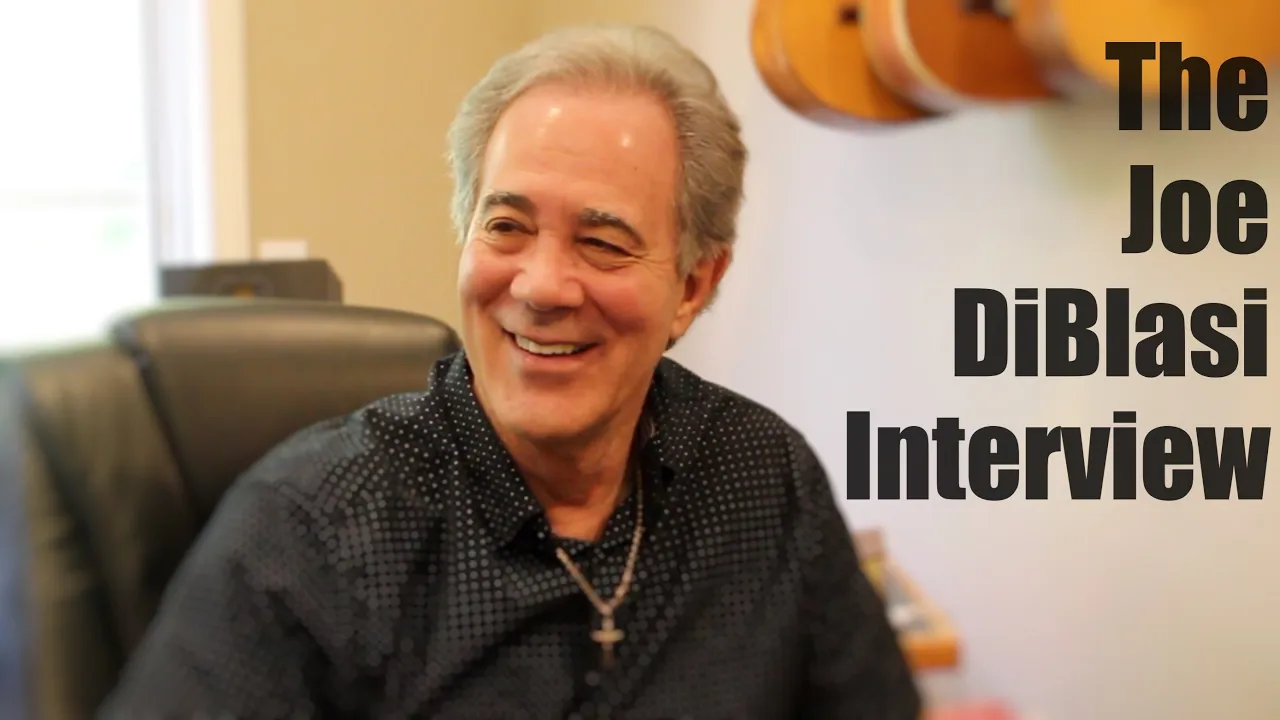
all right i'm here to do my first all-time interview on my youtube channel and i'm interviewing a friend of mine a great friend of mine and who's been a great encourager of mine especially when it was my career was really just struggling the beginning he said you've got this kid basically so and this is joe de blasio and i'm just going to read you some of his credits so you get a sense of what he's accomplished over the years as a career as a session musician mostly here are some movies that he
97 words, the words spoken in the first 30 seconds at 194 words per minute.
Free, no signup. See how the first 30 seconds hold attention, with rewrites.
Sentence shape
| Measure | This transcript |
|---|---|
| Sentences | 5 |
| Average words per sentence | 2487.4 |
| Longest sentence | 6,797 words |
| Questions asked | 0 |
| Sentences containing a number | 5 |
Most used terms
Filler phrases
675 in total: uh 174 · um 164 · you know 146 · like 101 · kind of 31 · I mean 29 · actually 13 · basically 12 · literally 4 · sort of 1.
A literal whole-word count of the same phrase list the Prepublish browser extension uses, so a phrase inside another word is not counted and a phrase used in its ordinary sense still is. It is a count and not a judgement.
Run the check on the words above: where attention is likely to drop, with a rewrite for each weak line. The free check shows the scores and the one issue costing the most.
What this transcript is
Every word below is the caption track YouTube publishes for this video, pulled from the video itself and reproduced unchanged. It is not Prepublish's writing, not a summary, and not a re-transcription: it is the video's own published captions. English captions, generated automatically by YouTube, in the video’s original language. Source: the video on YouTube. A channel that would rather this page did not exist can ask for its removal through the contact page, and it is removed.
No Script X-ray for this video: YouTube shows a Most replayed graph only once a video has enough views.
all right i'm here to do my first all-time interview on my youtube channel and i'm interviewing a friend of mine a great friend of mine and who's been a great encourager of mine especially when it was my career was really just struggling the beginning he said you've got this kid basically so and this is joe de blasio and i'm just going to read you some of his credits so you get a sense of what he's accomplished over the years as a career as a session musician mostly here are some movies that he he played on independence day indiana jones in the last crusade the karate kid lady hawk officer and a gentleman uh rocky one and three somewhere in time which i always liked that movie because it was filmed in michigan stripes and ghostbusters really you played on ghostbusters uh television shows bionic woman mash quantum leap dukes of hazzard which i know i heard you on that quincy i heard you on that fame golden girls i mean that's like a huge show right now that show is huge right now happy days uh were you ever on that with carl verhein on happy days uh yeah maybe i don't recall yeah already a good interview i'm sorry i just messed with you uh knott's landing vegas laverne shirley wonder woman l.a law love young and restless and then you worked with burt bacharach who is one of my favorite top 10 writers of all time great melodies unbelievable and and bill conti who did the the rocky scores christopher cross michael mcdonald dion warwick people bryce and frank sinatra may have to get if there's a story there phil spector we may have to talk about that okay if there's a story there we're just going to be talking about stories um and ray charles phil collins bette midler i know the bette midler story and you have to tell it okay if you if you don't mind yeah but but if i'm going to send this to you joe i'm going to send this to you before i post it and if you you tell me to edit anything out okay it's fine okay all right because i don't want to get you in trouble all right but anyway that's just the crazy i mean that's a that's a prettiest crazy list looking back on it and so i just want to ask you grew up in this area right yes in what what city did you technically grow up in van nuys van gaal okay you know when my parents lived in van nuys so i i was there with them yeah yeah and your mom we moved to van nuys uh from cleveland when i was five oh okay so you were born in cleveland yeah yeah yeah but you grew up here how old were you when you started playing guitar 12. oh okay and and then who are your influences early on i mean i know one obvious right the beatles right okay when i was 12 the beatles were on ed sullivan and my parents made me play accordion before that yeah and um actually the funny story my um my now father well my now father-in-law who's deceased um frank frank morocco who's probably the best accordion player that's ever lived yeah um he uh he was my accordion teacher when i was a kid no way yes so i was 10 and taking accordion lessons and my now wife was three and so our families became friends when when um uh when when i uh decided i wanted to play guitar and not accordion frank talked my parents into letting me quit accordion and playing guitar uh he said this instrument's a curse what do you want him to play accordion for so it's the fun of many jokes right yeah he said he wants to play guitar let him play guitar so uh so that's when i started studying guitar and like i said our families had become close you know friends yeah but kind of drifted apart when i quit playing guitar or quit playing accordion went to guitar but then when i became a studio musician um frank and i would work together on a lot of movies and and things he said uh they talked sort of like uh like uh you know the godfather always said hey hey joe uh you remember my little daughter lisa and i said well i remember a little you know three-year-old yeah he said well she's she's a professional ice skater she's with ice companies and she's dating a skater that i hate he said next time she she's in town why don't you take her and try and take her out so i went to hear him one uh play one night at dante's which was i remember dante's yeah yeah and uh she had a microchip right yeah she happened to be in town and she was there so we hit it off we hit it off like like that oh that's so it was an arranged marriage and how long have you been married now oh we just hit 40 years that's that's so great i mean that's you know that's like 140 in hollywood years yeah yeah that's what i always say you know okay so um so who are some other influences the beatles beetles beetles were big uh rolling stones cream uh you know i i mean i was uh a big jeff beck freak back then but then i i was i was totally into um uh west montgomery and you know uh hometown of mine i'm from indianapolis oh yeah so um jazz was uh uh i was all i always had jazz on the back burner yeah uh while i was you know playing rock bands and everything else so i was i was influenced big time um later on by like matheny and um and classical guitarists too some of the classical guitars that influenced you uh classical guitar player julian bream um christopher parkening who actually has become a real close friend i i had dinner with him a couple years ago yeah yeah it was great yeah he had some great stories oh yeah chris is an amazing guy and i actually got to play for segovia which and you know i i thought i didn't think about it before but i i wasn't nervous at all talk are you playing for segovia i i i would have thought that you know i would have been just crazy nervous at the time did you know how big how important he was of course i used to go i used to go hear him in concert all the time but for some reason i don't know it was god looking over me or something right you're not going to be nervous so um i played for him and i wasn't nervous a bit i think though that's that's one of the almost prerequisites to being a good session musician in general because if you're really prone to being nervous or stage fright you know getting in front of a sit in front of an orchestra like you would have to often do i couldn't do it i my hands just get locked finger and i get too shaky and i make stupid mistakes and smart mistakes but i make mistakes and you are i've seen you in sessions in in in live situations where the reading is insane and you're fearless and i think that's a a valuable skill to have wouldn't you say well i mean look fearless yeah you don't know what's going on on the inside yeah uh the the thing is the more you do it the funny another funny story one my very first recording session um tommy tedesco was was actually the one that basically walked me into a career right now we're gonna have i'm gonna have you tell them how that happened yeah so what was the first session well so the first session i was at um uh i was at universal studios and doing uh i don't remember if it was a tv movie or whatever it was for for a composer named pete rugelow and the way he would write is he would look at the scene and change meter instead of changing um you know he would change meter like either every bar or wherever he needed to change meter so here my very first session i'm reading three eight um six four uh sixteen eight you know all next to each other when you're having to count all this and you know and then it would go to borrow seven and then a bar two and then it would be like and this is my very first session so i was so nervous my hands were shaking at that point and i somehow got through it but i have no recollection of how i got through it i mean it was just angels were holding your hands i was on the edge of my seat and you know it was uh just because you know the sight reading at that point um when you're on this on the hot seat and having to sight read on top of it you have to not only play but you have to you know you're looking at it for the first time so yeah and play with feeling and all that and whatever make it sound like yeah i yeah that's that's one of the markers i mean i remember doing sessions i did a couple sessions with michael thompson and he could pull up a chart and make it a sound that was the thing he was really good at is getting a really good sound for the scene for the moment and he made it sound like you've been playing it for six months like oh yeah like he wrote the song you know that's that's a a rare skill right there well there there's a there's a kind of a trick to that because basically they're calling first of all they're calling you generally for what you do that's true so you do what you see on the paper in relation to what you do you are to who you are how you're wired right yeah you know that's exactly right well i hear that a lot now in my career um and it was pointed out to me by a very young producer who i said what do you want me to do on this and he said strailify it and i went what does that mean he goes well you do your thing i like how you play and that was the first time i'd ever even thought about it that way exactly yeah yeah so they're calling you yeah i mean if if it's not just you know a random call or whatever yeah they're calling you for what they know you do right and and what they know they could count on you for so then when they have notes written you play it according to the way you play right right so now did you go to school from guitar or music i i went to cal state northridge for four years um no i went to to pierce pierce college got all the general ed stuff out of the way and went to cal state northridge for a couple saved mom and dad a couple bucks yeah that's what my kids did and then but you know i got the i got the ge stuff out of the way yeah and then and then went on to cal state northridge and i wanted to i wanted to study jazz but they didn't offer anything but classical and ron purcell who was my teacher right was i mean he was a world famous classical guitar guy i mean uh the way i met segovia is he would uh every time segovia was in town he would come to cal state northridge and do a master class right so it's like it turns out that cal state northridge at the time may have been one of the top schools in the world for classical guitar yeah so i was very fortunate in having having to learn classical guitar but it didn't come easy i had never i had never played classical or anything fingers on i always used to pick up until i got into college and my my first teacher in college wouldn't let me touch the neck of the guitar for six months he made me play breaststrokes and free stroke and and work on my right hand and i i was so frustrated i wanted to quit i hated it and then finally it clicked and then and i got to the point where my right hand is pretty pretty solid i had some right hand skills right when i went to college and i had to study classical guitar because at butler they didn't have any other degree there was something else you get and this would have been 79 and um but they were all like blackbird and and fingerstyle jazz stuff that my teacher was showing me right like jazz arrangements of things so i was doing that or um but i had my my wrist was collapsed my hand was collapsed right and so my lessons were like he would just be grabbing my wrist and making me and then i would do this and then he'd grab it that's my memory of my lessons it was purely me just like him slapping my wrist and then grabbing it you know exactly for a whole two semesters yeah six months of basically going through that okay so you already mentioned tommy dodesco but i want you to tell the story of how you got because you're living in los angeles which is really the epicenter of tv and film industry and even the record industry particularly in the 70s 60s and 70s right there's a great movie um i'll put a link here where you can see trailers for it called the wrecking crew and um you it talks about these basically it's 15 to 30 musicians that kind of populated all of the um film scores well mostly records that was a big thing like hal blaine played on seven record of the years in a row right records of the year a row on for uh the grammys right he played on seven in a row um but you kind of came along kind of at the tail end of that so yeah 73 is when you met tommy 1973 i i met tommy probably in 72 or 71 okay um and then he groomed me for a bit because my sight reading was horrible so um uh basically um i was i uh i was playing classical guitar in a church on a on a sunday and he happened to be in the church and so i'm playing i was in the choir off by myself and playing a solo and all of a sudden i look over and i see tommy tedesco standing in the doorway and tommy filled up most of the doorway and he had a goatee yeah he had his hat probably yeah he i mean he was very recognizable he very recognizable yeah and so i i i look over and talk about nerve i was way more nervous seeing tommy stand there than i was playing for segovia and tommy and tommy didn't play authentic classical guitar but i look over and i see tommy and i go oh yeah and he goes no no good good good i like it you know and so i kept playing and afterwards he came up and said man i dig the way he played he said um you play all the other styles and i said yeah yeah classical is kind of just an add-on thing you know i went to college and and learned to play classical so he said well you ever thought about becoming a studio musician and um i said well i thought somebody had to die right you know right first and you know and and make space and um he uh he said well come on hang out with me a little bit you know so he started taking me around the sessions and i'd look over shoulder and he'd give me tips and pointers that was the best issue that was a bigger education than then so when i could have ever gotten yeah so when you got to the studio to work you'd been there before it wasn't a foreign environment right um i think did i go to two sessions with carl took me to a cheers date so i could see what it was like and i was amazed one of the things that really amazed me is how short the cues were right like you had you had 10 minutes to look over three bars of music to kind of get it down while they were setting everything up and then okay let's take it and they would do it in one take right and then there's a usually a stack of music yeah so yeah they would do several episodes in one city yeah right so you'd have a stack of you know a stack of queues and um you know most of the stuff studio work tommy used to say this is this is a direct quote from tommy um studio work is ninety percent boredom and ten percent sheer terror yeah yeah i've heard that i've heard that quote many many that came from tom yeah yeah and then you know then there's charts that are eight pages long and it's sight reading all the way through and you're like i tell you almost like the hardest thing is you're in a big orchestra date and it's difficult thing for an orchestra you know they're they've got like super hard passages and stuff and and um and you are tacit until or 98. that's it meaning you have rest you're not claiming you don't play bars so nine till bar 98 and then and then you have a very exposed whole note yeah yeah and that is so hard because you're going 62 to 363 you know 60 foot wait wait was that 63 or 64. oh no 63 hopefully it was 64 65 and you're again you keep thinking you know your you your mind starts to to go other places oh heck yeah and then and then when it comes time if you put that note in the wrong place you just take you take heat from everybody else oh my god they just played 98 bars of music and you messed it all up exactly that's why i always say i'll be an overdub i do orchestra dates but i'm always an overdub now um yeah and now i thank god for the little baby notes do you you know what i'm talking about right where they where it's like the flutes play this line right at the bar before you're supposed to play right so that helps a lot because because they're aware of that like a good copyist who who does the charts is aware that if you've got 98 bars of rest you need something to help you know when it's time to play not always no i know you know i know that's kind of a newer thing right imagine back in the day that probably wasn't even they they didn't you know they didn't do anything except right your part at r98 or 99 whatever way and some of those bars are seven eight and some of those bars are you know three four and then you got four four for 92 bars or whatever yeah yeah yeah it's crazy so so tommy you sat next to tommy tommy he brought you to a session then at some point oh he he started he he would bring me whenever i whenever i was available i would go on a session with him and um you know be looking over his shoulder and he he'd say okay see this it's not playable on guitar but i'm gonna make the i'm gonna make a composer look good and i'm gonna make him love it so he'll so it comes time for the for a little thing that's written and he'll play something totally totally different that'll bring you know if he's on nylon string especially although tommy didn't play um he didn't play traditional classical guitar he could pick up a nylon string guitar and made me cry i mean he could the way he the way he interpreted lines and the way he the feeling that he had he was a master is that him on the theme of mash um there were three three guitar players on that i believe the theme though the original suicide painless theme yeah we um uh they were that was re-recorded every year oh it was yeah so um i believe it was tommy uh uh i don't know who did it the i i wasn't at the start of manchester united that was 72 i think yeah yeah so that's a year before you so right so then when i started doing it it was dennis buttimer tommy and me okay and so you did it one year then maybe do you think that's you on the on the intro uh we all we had to re-record the intro every so yeah there's more than one guitar on the internet yeah okay i always think of the one yeah i used to teach that oh yeah yeah it was three guitars and they had the parts broken up and um but yeah it was three guitars that's cool yeah so what was the first session that tommy brought you to do you remember that one at all i don't that you played on oh uh well no the first one that i played on was the one i told you about okay okay um but i i didn't the the sessions that tommy brought me to i never i never played on right but then eventually you were sitting next to him oh yeah when after after he would uh the way he recommended me i'll tell you that story we were um one day i was with him at um at universal studios and he after the session he said come here i want you to meet somebody so i went um i went over with him and uh he introduced me to sandy d crescent who was you know sandy the biggest contractor i mean she she's the only contractor i know that's ever had an agent i mean she was like she was huge yeah um so uh he's you know he introduced me joe this is sandy sandy joe he said okay go wait outside for me i got some business with sandy and nothing more said i i got home i lived with my parents i got home my mom said uh joe sit down so i said why she said just sit down so i did she said you're working at universal studios tomorrow for sandy de crescent it's she knew that that meant something yeah oh yeah yeah how did she know was she in the industry my mom yeah no she it's just she knew that that i was trying to become a studio musician and that i had uh spent the previous year sitting in my room sight reading right nine hours a day yeah you really would chopped it well and which ended up right and that was another tommy tedesco story um after backing backtracking when um when tommy uh uh was taking me around to all these sessions one day he said well come on over to the house i wanna uh i wanna check out see how you sight read and all of a sudden my heart started going like this because right that wasn't a focus you know in in college it was like you you memorized pieces yeah yeah you know you learn pieces and and um so the the focus was not learning how to be a good site reader so i thought oh no my career's ended before it's even started so i i went to tommy's and he put something in front of me and i couldn't i couldn't play past one bar without making mistakes it was like you know and he gave me a tempo i couldn't keep up with the tempo it was horrible so he said well you know he said you got you've got all the skills except for the sight reading he said go home study site reading and you call me when you're ready and so i uh i started studying with a guy named joe valenti who i know that name yeah he was a trumpet player but he taught sight reading on any of you you know he taught many studio musicians how to read and then uh but he passed away uh his books were just absolutely amazing he self-published books okay let's talk about cyrene a little bit um because what do you have any tips for sight reading i have a couple that i've given you know through the years but um um anything comes to mind when you're sitting down you get a chart thrown in front of you you look at maybe it's just black with notes what's the first thing you do look for positions look for places look for places where you could stay you know while you're reading you know you know the position that you're in and you can go in and out of that position hopefully without you know without having to look down that's what i yeah that's one of the things i say look for the lowest note look for the highest note and see if you can find a position on the guitar that contains both of those notes right then you don't have to move your hand at all right and then you can keep your eyes on the chart because as soon as you take your eyes off a complex chart right you're in trouble the one thing is if the chart is is diatonic if if it uh if the the notes fall within within a key yeah you know if you if you feel uh if you play within that key if you're playing like c major you know and uh uh you're playing it in in seventh position um it's it's easy to get yes but as soon as you get a chart where there's no key signature and um lots of sharks and flats lots of sharps and flats and and um you know just chromatics and stuff like that you have to be on it you just have to know the neck you have to know the neck you have to know you know where everything is and and if it's a really difficult chart looking back and forth looking at your hand and looking back up at the chart you're going to eventually lose your place especially if the chart's moving at any any good like a good clip right um you're going to eventually lose your place so the thing is know the neck so well that you know i mean uh look you know if you look with your peripheral vision i can you could you could look at the chart and kind of train yourself to see your hand right in your peripheral vision um then you you know then you you kind of have the best of both what's crazy though too like um tommy would you know play you always wanted to have a lot of different instruments so you could do doubles you would pay extra um but he would almost have all of his doubles tuned like a guitar like you said a mandolin the top four but you don't do that right uh do you do that with any i did up until i've got my new mandolin i just i recently i i wanted a i bought a a new mandolin and i always kept two mandolins in my in my guitar trunk one tune like a real mandolin the other tuned like a guitar in case the sight reading was you know if it were single line stuff where i had to do i have that same thing i have a mandolin that's tuned like a mandolin i have a 12-string mandolin that's play it's like a 12-string guitar only an octave up and i can sight read single notes on it if it's very complex particularly if the rhythms are complex right um the notes not so much don't bother me so much it's when the rhythms are non-consistent right that really i don't have to be thinking about what mandolin scales do i need to use right but i love playing mandolin now banjo did you leave it too like a five-string banjo would you always leave it into g no i i tuned a five-string banjo uh traditional yeah and you used you probably played banjo do you ever play banjo on tv uh what's the show i i said uh dudes of hazard did you play banjo and dukes who hasn't no no i never played no uh that was larry mcneely was okay the banjo player and then um larry the last i think the last season of dukes um larry moved back to nashville so i recommended this guy bill noff who's an amazing banjo player in fact i just did a gig with him this past week and uh he he's he's an excellent amazing badger players so that's cool yeah so we they always had a a specific a ringer a specific chair for banjo and there were five guitar players wow who were some of the fights like i know it was probably rotating but tommy no no tommy wasn't on that it was uh tim may mitch holder yep john murrell i don't know john john yeah uh john morrell um uh tommy rotella and you okay that's fun yeah and and sometimes there would be um this was another session where we'd be on the edge of our chair the whole time because a lot of those chase scenes and stuff um there would be stuff written specifically and we'd be sometimes we'd have to play um harmony guitar parts five-part harmonies and stuff so you know and you're reading at a pretty good clip yeah yeah up tempo stuff yeah so yeah we would uh after after those sessions we would always uh they used to do at warner brothers in burbank and we'd always go over to um uh uh what was it um oh the mexican restaurant uh there uh we we'd have margaritas afterwards and just just to take the edge off yeah because the sight reading high speed stuff and for me like being with other guitar players is it that competitive thing too so all that adrenaline you want to kind of you get before you go home to the wives you want you want to have that adrenaline gone yeah um okay so now you so you did a lot of tv and films was there a film i i i we talked about this the other day i asked you if you played on officer and a gentleman i think you said you were the only guitar player on yeah so all the guitars you hear on that are joe uh playing an officer and a gentleman and i i was reminded of of that and the iconic particularly the very last scene um where richard gere picks up uh what's her name uh uh i can't think of the female elite uh in the factory um there's a big guitar solo in there and there's power chords and all this i'm assuming it was over dubs yeah um and uh but the simpsons referenced it at one point and they did kind of a kind of a schlocky version of it you know kind of making fun of it but at the same time revering it like the simpsons do you know they're always using real life have you ever worked on a simpsons episode i didn't do not okay it's cool though because one of the things i think they do simpsons and family guy both have real musicians on them because if they used synthesizers it would sound too much like a saturday morning low budget cartoon right um and they want it's prime time show so what they do is to take this two-dimensional show they put a real orchestra on it and that gives it a little bit more seriousness like it's for adults not for kids um and i i've always respected that they've done that now i think the new shows i'm not sure what they're doing now but because they changed composers just a couple years ago right uh but that's i think they're on season 32. i know is that amazing i mean that's that's that's a serious career for some of those musicians who knows i know some of them that have been on it covering a couple players so give me a couple tommy todesco's stories well tommy tommy was um really funny yeah really funny uh one time we were working on a on a sunday on uh it was the composer was billy goldenberg and um uh tommy had spent the weekend at his beach house and he fell asleep in the sun and he was lobster red i mean he was burned up he was burnt to a crisp he didn't have many days off no no but he had a day off he he had uh he he had uh he had uh fry he probably went up friday night and spent saturday there and then came straight to the session on sunday but he fell asleep in the sun on saturday and he literally he was he was as red as as a as you'd ever picture anybody being i mean is as sunburned as you could possibly and he had a what's called a studio tan which means no tan at all white is a sheep so you're really susceptible to that yeah and you know and he he was a big guy so he had a lot of area to be to be burned so we he we get to the session and he's just suffering he's suffering so uh and we're sitting right in front of the podium the guitars and then the whole orchestra behind us and tommy takes off his shirt and then he brings his trousers down to his ankles and leaves his pants down because it was just so painful and so he's and he's got he's just got his his underwear on but he's got these roles of you know of of of um tommy yeah uh and you can't abandon high school rules of tommy right um and and he looks like he's sitting there start naked right and uh and we're playing and it i i mean it was it was it was really really he was suffering but he had the he had the whole place in stitches and then on a break steve shafer and i ran down to the ran down to the um to the store and got him some you know some spray stuff to ease the aloe vera or whatever yeah yeah yeah but um yeah tommy was that an orchestra date or was that like a pickup date like just guitars no that was orchestra that was so you were sitting in front of an orchestra or in a booth no in front of the orchestra right so imagine you have you and tommy and anybody else and the composure right in front of him yeah and then just an orchestra of you know 70 players behind you oh my gosh it was the funniest thing yeah so if there's pictures of that anywhere you know if that happened today it would be on instagram you imagined my dad i mean tommy was tommy was was a character yeah and um one thing i i noticed too it seems like a lot of the session guys that i've known through the years the the the guys that did it a lot particularly in those days they always had a joke at the ready you know you always wanted i i noticed nobody really wants to be cooped up with a debbie downer right you could be the best player in town but if you're a bummer to be around nobody wants to be around you right exactly yeah so you kind of had to be a fun person to be around i mean you know if if if they're if if there is a jerk as a player it's going to come out sooner or later and and because of the pressure they get weeded out yeah they get weeded out and it's like no yeah you're right nobody nobody wants to wants to be around guys that are you know that that have big egos and right and um there were a few guitar players when i first started that ended up getting weeded out for that that reason and good players too yeah yeah we don't need to name them any other tommy any other tommy stores you can think of well there was um this was this was a sight reading story that um tommy dennis buttimer and i were at i think we're at disney and dennis earlier in the day this was an afternoon session and earlier in the day dennis had this session where he had this part to play that was pretty pretty intense so he took the part with him and he knew he was going to see tommy in the afternoon so he he said brother tommy look at this part i had to play tommy looked at it said oh yeah looks looks pretty hard he said what was the tempo he said one was like here so tommy put it up on the stand he played it double time no double double double the tempo dennis and i are looking at each other going whoa part of what tommy had was a photographic memory so he could look he could look at four or five lines of music yeah and have it memorized yeah and that's that's one of another tricks that you try to do if you can get it down is have your eyes ahead don't let every note be a surprise you need to be like a bar ahead if you can get a bar ahead you need to be yeah you need to um you know the the back back in i don't know 20 years ago they used to advertise this evelyn watered uh speed reading yeah and stuff and the idea was you look at a whole you look at a whole paragraph at one time and you you try and do that with music you know you look look at what's coming up and memorize you know memorize what you have to play in the moment so you could be ready for what's coming up and sometimes like i i noticed too on like film score dates um you there may be an hour of music total right you know or more um and there's themes and so once you get halfway through the session or even a third in you're starting to run across similar themes there may be variation so you got to keep your eyes open for that but then there's scores that you work on that are like you you did the omen right and and where there it's maybe very atonal so there's nothing you can really hang your hat on melodically and go oh this is familiar i've played this before right whether it be melodically or rhythmically so i imagine that that requires more reading chops in that in that kind of yeah and and you know it it's it's a it's a gift when when you have reoccurring things um but you you have to be prepared for when of course you know for the opposite right so if if stuff is um that's the 90 boredom stuff that right that tommy talks about right yeah right yeah and yeah tommy used to say yeah you could train a chimpanzee to do 90 of what we have to do as studio musicians but then you know we get called in for those times where you know you got to be able to sit down and and and perform right i had a comp i have a friend that's i've been working with and for for 30 years and he brought me in on a tv show before i was really ready but the cool thing was i was second chair guitar on it and i got to work with michael thompson john goo uh grant geisman dean parks so i had the the other chair was every week was different but i had i was the same you know chair number two every day and it was really a huge learning experience and that was where i got to see michael thompson and you dean parks the the his cartage guy plugged power into his pedalboard and blew his whole system so when he showed up nothing worked so he he had his les paul we were doing kind of a southern rock thing he had his les paul and um they had a mesa boogie he plugged straight into that and he made it sing oh yeah he's a wonderful guitar player he's an amazing star player yeah he really is and i loaned him a slide and i never got it back it was my favorite slide i never got i mentioned it to him like a couple years ago i ran into him and uh he goes oh yeah i remember that slide you want me to try to find it for you i'm like no it's fine yeah i've replaced it i found a video but it was my favorite slide at the time and i think i i lifted it from a friend there you go yeah i like borrowed it and never give it back so yeah it's karma um okay so um let me uh so uh now i saw that there was a phil spector did you you worked with phil spector was that on an album i'm assuming because that's really what he tended to do we uh when i first started before actually before i started doing sessions with tommy i was in a band that got signed by phil spector and um yeah he was doing that wasn't he yeah yeah he was signing bands and and um it's kind of the next level of a producer yeah yeah it's the next step so oh so i've got stories to tell with phil spector that can you i mean yeah he's he can't come after me he's gone that's right he passed away didn't he he's gone yeah but there were there were some stories that that you would not believe if i would if i was not there to see what what went down what went down i probably would not believe the stories but i i saw all this stuff first hand and and um maybe one little example yeah and if you can't i understand yeah we were um we were working at a m records and keep it pg-13 though yeah we were we were at a name record yeah the hence henson now i know yeah right so and we were in studio studio a been there many times right and and they had a beautiful trident board and um uh he relieved himself on the console we got kicked out of there we had to go finish the record at um i'm assuming number one right number one no we we had to go finish the record at uh a gold star um but and one one day at gold star and he had the he had the playback so loud we couldn't none of the band members could be in the in the booth listening back because he had it so loud and he went up and put his head right in he there would be a big uh voice of the theater kind of yes wooden wooden playback and they were on pedestals it was so loud the thing one of them fell off and and a splinter went in his eye from the from from the cabinet so we had to stop the session and rush into the hospital get the splinter taken out of his eye um did you ever get the record done yeah the record the record got finished but but he shelled it yeah he he just you know it was uh either a tax write-off for him or he got into other projects and didn't have time to you know he probably did this with with many groups yeah i've been on so many records that have been shelved yeah that's all more records get shelved and released yeah yeah and um yeah he was uh he was also a very interesting character he was he was a a black belt in karate yes and um we were one night after one of the sessions we thought he took everybody to miceli's on uh lancashire for pizza and we're in there and uh uh he was real loud and you know he i mean he used to just get uh kind of obnoxious a little bit you know after drinking or just old ways he was always drinking he drank he had a he'd always have a bottle of wine with a long straw in it and he'd just be sipping on sipping on a cat and stuff so that's funny so he he was real loud so he went in the bathroom and somebody had said something to him you know you're like what a jerk you are or something yeah and all of a sudden it sounded like you know one of those cartoons where you know you you see you see a guy go in the like a gorilla with a guy go in a bathroom or someplace and you hear all this pounding and it's like stealth uh stuff breaking and everything and you see you see him come out and his hair is all like you know whacked out his shirts more than normal yeah his shirt's torn he goes he lays a few hundred bucks down on the table he goes we better get out of here i think i just killed a guy it was always something though every time we every time we did a session it was it was something else that's crazy gold star um did that become something else what was what's what was he saying about tanning salon right i don't know i don't know yeah gold star was in a strip mall wasn't it it was kind of on it was on a street i remember seeing pictures of it was just kind of on the street yeah like on santa monica or something like it was on a uh one of the one of the side streets that ran um uh i can't remember which street gold star was around had that reverb chamber that that that phil used so much yeah that was gold star was amazing yeah but it's i don't think it exists anymore uh east west used to be uh what was east west before it was east west i can't remember anyway i've yeah i've only done a couple records of east west oh i gotta show you something look at this it's like i finally arrived at my own parking spot that's awesome i love it i love that so i kept it yeah east west it's yeah it's an interesting studio because they they they decorated they had a an artist come in like a weird artist come in and decorate the lobby and everything yeah it's kind of got this weird weird but what an amazing sounding studio you worked on a lot of movies tvs you worked on records i just wanted to talk about i want you to tell the bette midler story if you're comfortable telling that story um and by the way she's pretty funny lady yeah um and i remember she had a show that came out i think it lasted six episodes but i remember the opening scene from the batman this i think was called the bette midler show and she's on she's in her master bedroom on her treadmill running her husband walks in and he thinks he's being funny he says what are you running from and she goes my ass that she probably came up with that line you know that was i'm like okay that's a pretty funny line so so you're working with an orchestra yeah we were doing a movie called jinxed oh right i know that yeah that's like a witch or something she's a witch i never saw it and and the the arranger wrote complex parts typically right billy byers he wrote um uh he wrote a guitar part that was really naughty like just you know on top of the orchestra and it was it was kind it was it was almost a feature but it was just kind of enhancing the orchestra and you know playing arpeggios and stuff around the orchestra and lines and and stuff so we're we're bette midler's in the booth she happened to come to this session and so we're playing and and um uh you know i'm playing the part as written so she gets on the talkback stops the orchestra guitar player you're too busy i said okay i'll start taking friday's off you thought you either thought i flipped her off or something i mean she but the orchestra that well that's the thing ever the joke was on her basically which i didn't mean to do no no it was one of those things where you you open your mouth and and insert your foot and you've never said that before that just came right through it was just uh a natural funny it just came out yeah it's hilarious i've told this story many times in fact my live stream audience knows this story because i told it and the thing was is in any room bette midler's in she's supposed to be the funniest person in the room oh yeah yeah yeah so but i didn't mean to be funny i mean i just okay well you're too busy okay i'll start taking friday's up it's a great line literally everybody everybody in the room was busting up like this was like a you know a two minute long laugh yeah and and she was like she was not happy evidently so i had to edit the part you know play the part simpler whatever um and which is pretty easy to do actually when you have a real hard part and you have to edit it you just play every third note or turn off every half yeah yeah yeah yeah or or you know or play you know the usually you get you you get some um some uh headway from the you know from the the composer just say you know do what you think you went then there was a like a break like a five yeah and she comes out oh yeah when uh when they when you get a 10 minute you get a 10 minute break every hour right so when it came to break time she came out of the booth and right at me and i'm going oh no so um so she had seen me earlier going into my guitar trunk you know with a big guitar trunk that the that the uh cartage company takes around so i uh she made me go and take every instrument out of it she wanted to hear what every instrument sounded like so here my whole break yeah my whole 10-minute break i had to show her every instrument in my in my uh in my trunk and she just at the end of the break she turned around walked away and that was it left me with all my instruments out and you had to put everything away oh man that's that's pretty funny that's that's pretty that was big yeah yeah that was payback yeah yeah that's funny i love that story i don't know why but i just i cra it cracks me up i think she's really funny but that that is a hilarious line and i bet you should probably use that line in a movie or a tv show or something you know the biggest album credit you have i think and probably by far when you consider sales is um pink floyd's the wall and i it was probably recorded multiple studios but it was recorded in l.a largely i was looking at the list of musicians on that record your father-in-law is on that record yeah frank morocco is on that record i'm assuming he played accordion he didn't play anything else right so i if there's accordion on on pink floyd's the wall that's his father-in-law who passed away a few years ago yeah um actually 10 years ago and probably the most recorded organ or uh according player definitely yeah and um lee written hours on it tony teneal sings backgrounds on it yeah uh from captain anteniel which is interesting right uh jeff piccaro and joe piccaro are both on it right okay so how who called you for this um bob de caro was he one of the boys i know i'm sorry frank duterte frank was he one of the producers or was he no he was the contractor the contractor for the so basically the contractors know what you do you know they they know uh pretty much what you know what you if you have a specialty or whatever and i was um i was known in town over say your phone is that my phone scam likely so i won't answer okay don't answer that so so i got i got called by uh by frank decaro and um who knew that i knew that i played uh classical or finger style getting uh fingers down one of your fortes and and um uh i got the call because david gilmore they uh had tried to play something with um with a felt pick he didn't he doesn't play finger style at all so uh so i got the call and i showed up at the studio and they didn't have anything written um their uh the song was uh is there anybody out there is there anybody else right so um was there anything recorded or were you the first thing on youtube yeah because that's all you well yeah and then they added everything else after after the fact uh was there a click no no it was just me so um uh they kind of they they basically um bob ezran had come up with the the three note um you know it's it's that almost james bond yeah e f f sharp uh back to f back to e so he came he had come come up with those three note uh that three note pattern and that's all they had so he he he and david gilmour and i sat down and uh in the booth and um they kind of told me what they were looking for so i play something they go yeah do that and i'd play something else and put that with it and we constructed the whole thing that way then i went in and recorded it okay so yeah so you actually you kind of worked it out and then and then and they were sitting there when you worked it out yeah yeah and then once you had it down is that the first take that we hear or we no we did about ten takes okay just uh bob bob ezran is an amazing producer yeah and he he had he had a specific uh performance that he wanted he was looking for something that just he would he wanted a specific performance and um you know i i probably one of the first two or three takes would have been my choice um but he he wanted more and finally i maybe yet after after about ten takes he goes that's the one oh okay so it was the tenth one a lot of times you're right it's the first take is always the almost always the best right and then you're just trying to replicate that but i yeah i know exactly what you're talking but i was trying to memorize what i had what we had put together as well yeah so maybe i sounded more confident than you if there's an adaptation yeah yeah yeah yeah so maybe i sounded more confident or whatever ken takes in or maybe he just wanted to you know see what the what the parameters were the you know how good can you play this or whatever right funny thing funny thing is um uh years later probably oh maybe five six years ago now a buddy of mine had run into bob ezran and and said hey remember joe deblasi you know worked on the wall without anybody out there he said oh yeah yeah i would totally remember so he said well he's one of my best friends so he said let me get him on the phone so he gets me on the phone and bob bob said well he said now i think i could play that song better than you could and i said well you've had 40 years to practice it i came up with it on the spot yeah yeah he laughed where what studio was that at do you remember sunset sound oh such a sound okay yeah yeah that's yeah that's a great studio yeah excellent excuse me and uh another cool thing for guitar players yeah um uh first of all david gilmore is the nicest guy you'd ever want oh good he was such a was gonna ask yeah he was so nice um and roger waters who took the writing credit for what i did wasn't even there so he may have had something to do with the three-note phrase you know the e f f sharp james bond yeah um but he took the writing credit for it and then learned it note for note and put out a video of himself saying that this was his demo of oh my god of of what i played well we've all i mean i've been there too so um now that was your ramirez yeah do you have that guitar is it out it's it's just a closet it's packed away i can pull it out if you want you want to pull out the ramirez that you played on sure okay we can do that hold on give it take a break here this is the beast it's heavy wow that's that's amazing [Music] sorry there you go [Music] it's a big sounding guitar yeah it is it's a really big sounding guitar yeah especially out in front of it so i'm not going to have you play it though because i don't want to i don't want to have a copyright strike against me oh okay well and also i've got no fingernail you know i just had i had i broke my thumbnail the other just a couple days ago and i went in and i never go to a nail salon but she actually did a really good job on it oh yeah uh she made it made it saved it right because i cracked it mine mine are all done at the nail salon oh okay so i have to go have that one fixed my you know as you get older your your nails get soft yeah so um but yeah so this is the guitar i use that's just it's a gorgeous uh that's uh that's a brazilian rose way back back and sides yeah yeah yeah it's uh it's i was 19 years old when i went to uh to spain to buy this and um i went right to the factory and wow it was amazing wow that's crazy yeah so you were studying classical guitar in college yeah okay so you knew and ramirez's have been like the instrument they were the instrument for years decades yeah and um for my taste they still are they're they're i i don't think that um another classical guitar company that that i've heard has the consistency and the the you know with the volume and the the tone that these have um christopher parking again who's a a close friend um that's all he'll play he won't play anything butter ramirez okay so and and i mean just you know he's that's one of the best players right yeah yeah no definitely definitely true i think i've got everything i need i want to just thank you so much this is fun i love it most of these stories i've heard the the uh the phil spector ones were new um but most of these stories we've talked about and and i i have a couple um one one is when i um was i decided 15 that i want to be a professional guitar player at 16 i discovered that there was this career called studio guitar work and that most of it was done in los angeles and so i started recording with a cassette deck tv shows i would put it next to the tv when the show was on you know it's not like you could you know watch there was no vhs or dvds or anything i had to wait for the show to come and i would hit record and record like uh rockford files or uh you know bj and the bear dan ferguson dan ferguson does all the really the guitar solo on that yeah um great playing and so i would transcribe the guitar parts from those shows um writing them out and made them look like the charts i would see in tommy dodesco's column in guitar player magazine back in the 70s because they you would get a little clue and i would do i would every month i would read that article and go oh i could totally do that job i can read that oh that's so cool and even he would tell you a lot of the tips you know and say hey you got to simplify or whatever right it's not playable and um so i'm telling joe that i did this and i would take these charts and i would set them on a stack with the cassette tape and wouldn't look at them for for six months and in six months later because that way i would forget them and that way i would be literally i would put the cassette in and i tried to sight read along and of course i'd fail miserably but i tried to sign read along with it and i told joe that he said well i was probably sight reading your playing a lot of those shows yeah yeah um and the other thing i did this session a while quite a while ago and it was a it was for a documentary um it was for a documentary and uh the composer was chris anderson bizzoli it was a documentary on a computer thing um on the uh uh some operating system thing about 15 years ago and um the entire every queue it was live orchestra a small orchestra every queue was in seven eight so after two days of recording on this i'm driving home and i'm listening to four four you know songs in the radio and it's four four sounded funny to me you know when you've done seven eight for two eight hour days you're just you're just not you know but but there was this one chart that was uh fortunately i got the charts in advance and this one chart was it was in seven eight it was nothing but sixteenth notes he wanted it played on a 12 string and it was descending astronaut like descending uh lydian scales that modulated all over the place okay and so i spent fortunately i spent probably four or five hours just wood shedding this and i realized if i turn the the e string down to d and if i tune the d string up to e i can actually play these descending lydian scales very easily and i was telling joe this he goes no you just hand it back to him and say it's not playable and i went you can do that had you ever done that did you ever get a part where you just said this is not playable i i just make it work there were many there were many times i got stuff that was impossible to play and uh the one thing you don't want to do is make the composer look bad yeah you you you want to bail the composer out because he's just like he's the one that that basically hired you um or you know uh requested you yeah he's he answers to somebody who's probably sitting in the booth right so um you you want to make him look good our job is is pretty much to you know not only to play the music uh the best we could possibly play it and and interpret it you know um yeah and interpret it uh authentically but if if there's something that's not right um actually the worst thing you could do is hand it back to him and say it's not playable but yeah yeah what you want to do is um is is make him look good yeah so you know um uh you might you might say something that um you know it cannot you mind if i take a little bit of liberty on this i i think i could um come up with something that'll really enhance you know what you've written right you don't want to say it it sucks you can't or you can't play it or it doesn't lay on the guitar i don't have those notes on the guitar yeah exactly so yeah you you you want to make him sound uh look good okay you don't want to you don't want to yeah yeah bag on the com not so that's why those guys don't call me anymore because i handed the trip no yeah no it's funny because i i do i have a reputation particularly with one composer i worked with he he you know he will even say don't reinvent the guitar for me right let me know if it's not playable and i always figure a way to do it right um and and i've got this thing called a spider capo where i can push down one string here and one string right there you know and that way if i need a like a high e in the middle of this thing i can capo it and have it right just that one note sure um and so i've always figured out a way to make pretty much anything work but that's why i love working from home because i'm kind of the king of the puncheon i can i can get right you know uh but if i had this if i had to do some of the stuff i do in my studio in front of an orchestra i'd have a one day career i guarantee it so i i'm that's why just you blow me away because you did it for 35 years you've done it for forever and you you know you the fact that you did it two days says that you made them happy the first day that you were able to do it and you didn't you were fearless and i know you said on the inside you might be fairly you know and that's one of the ways i've kind of dealt with fear too is i like i just tell myself i'm the man just say you're the man they hired you to do this it's your job right they think you can do it right so you think you can do it right yeah yeah and inside you're going why did they hire me right well i'm not going to reveal it but i always the first time i met you it was at my church at shepherd and uh you gave me your email address and your email address was like wait no that you know is is basically uh you know basically he said guitar amateur let's say that i'm not going to say i don't want to say what it is but you know it's like guitar amateur and i'm like no this guy's been you know like on everything so it was it was really fun you know you're very humble and the first thing you mentioned whenever you talk about your career is tommy and how tommy gave you your career tommy was a blessing to a lot of people and um you know i know danny you know danny i'm sure you know danny well danny uh uh his son yeah danny we well we spent every christmas at the tedescos so we were there you know we were there for many years uh christmas eve with you know with them tommy would dress up like santa and come off the roof and you'd hear they had a recording of sleigh bills and yeah yeah and and uh reindeer and and they had bad the sound effects everything and then he would come off the roof with a big bag of stuff for all the kids right but it was like it was it was amazing those were great years i love the story of him doing the gong show oh he did the gong show and you're like why would he do the gong show well he he he knew how to work the business he was amazing yeah yeah he did it in a tutu he did a tutu but he wrote the song so he wrote it sang it performed it live so it's like triggered every quadruple triple double you could ever he that was has to be sag because he sang it right it was his song so he got royalties you play guitar so there might have been an afm federation musicians kind of segment thrown in there as well right i mean it was just hilarious you know that he but that's what he that was one of the articles of guitar player he talks about that and that's why he did it was this like he made a bank on it another amazing thing that he actually he and my father-in-law frank did was fernwood tonight yes that was yeah that was uh that was such a fun show you can actually see tommy in that he's in the episode yeah and so fernando tonight was a uh uh parody kind of a show yeah it was uh uh in fact um martin mull's show i think right mark mull was part of it martin mull went to um the school of my team my sister teaches that rhode island school design right well i used to hang with martin mull at his uh he had a beach house in malibu and he's he's a great jazz guitar player he has yes he had the most amazing l5 uh i used to try and when when are you going to sell me this yeah uh west montgomery's l5 is at the children's museum in indianapolis oh wow yeah so i've seen that one up close right and of course it's just been sitting in the case for so long the action was like this high right but he might have played it like that so many of those guys they did play it you know that was how they got their tones yeah really high action with those flat wound strings right so okay well anyway i i could literally talk to you for hours you know this is more fun than i'm allowed to have and so anyway thank you joe and we will i will put this up soon and uh of course it's not live so i don't know why i'm talking like it is anyway god bless you thank you so much for watching and we'll talk to you soon bye bye
The words are the caption track's own and nothing is reworded or re-transcribed. Paragraph breaks are placed between sentences so the text reads as prose.
Free tools for your own script: paste a draft and see where it stands before you record it.
Paste your draft and see where viewers are likely to drop off, with a rewrite for each weak line.
Paste the first 30 seconds of your own draft for a hook score and rewrites.
Check your draft against YouTube's advertiser-friendly guidelines before you record it.
Read this channel's public videos and transcripts, and download a writing brief for it.