Getting the transcript
Reading the captions from YouTube. A video nobody has opened here before takes 10 to 30 seconds; this page fills in on its own.
Getting the transcript
Reading the captions from YouTube. A video nobody has opened here before takes 10 to 30 seconds; this page fills in on its own.
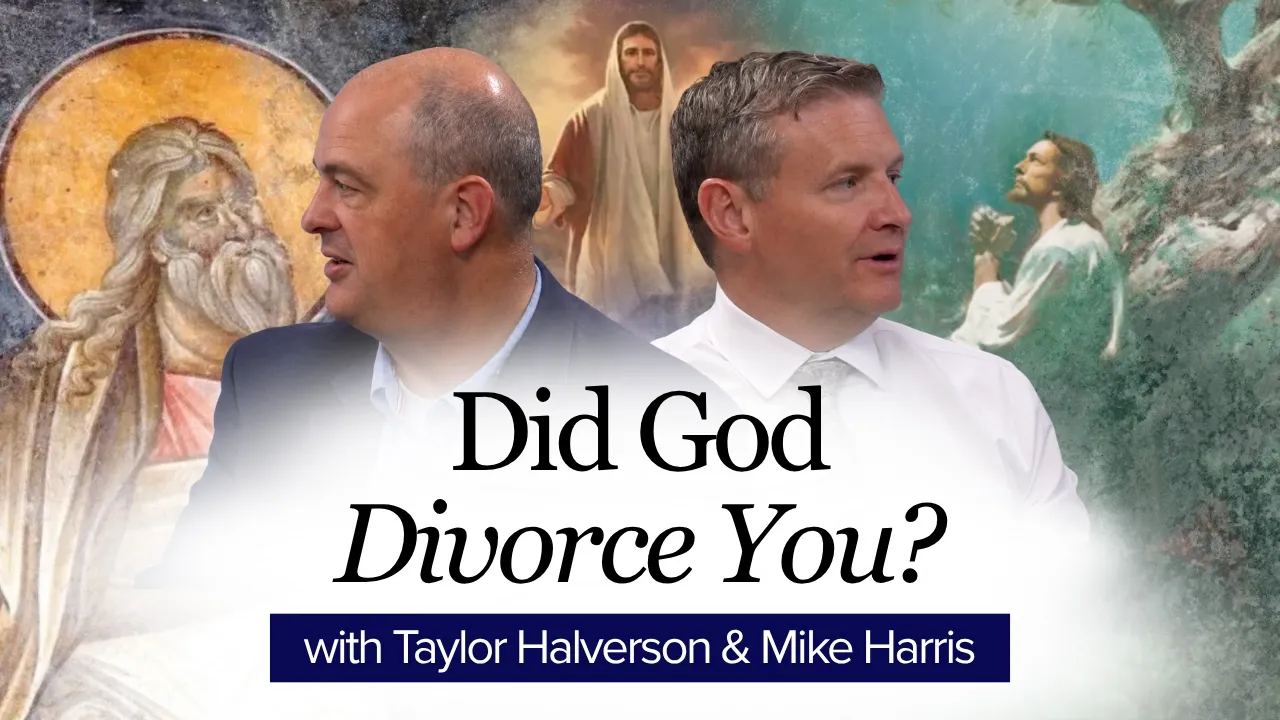
Scripture Insights · @ScriptureInsightsLearning
Words
12,796
Runtime
1:16:05
Speaking pace
168wpm
Reading time
53min
168 words per minute, between the 160 25th percentile and the 181 median of 349 measured videos. That distribution comes from the 349-video hook study.
Opening (first 30 seconds)
So wait a second. When we get baptized into the church and receive [music] the gift of the Holy Ghost, do we actually smite those kids on Sunday? When we make a covenant [music] in the waters of baptism or in the house of the Lord, it's wonderful. There can be rainbows, butterflies, and refreshments. And there can be like we're all excited. Why are you laughing? Because you understand. I'm 90 years old. I've been through menopause. And you're telling me that I'm
84 words, the words spoken in the first 30 seconds at 168 words per minute.
Free, no signup. See how the first 30 seconds hold attention, with rewrites.
Sentence shape
| Measure | This transcript |
|---|---|
| Sentences | 1,043 |
| Average words per sentence | 12.3 |
| Longest sentence | 73 words |
| Questions asked | 119 |
| Sentences containing a number | 84 |
Most used terms
Filler phrases
218 in total: like 89 · uh 46 · um 24 · right? 22 · kind of 11 · actually 10 · you know 7 · basically 4 · I mean 3 · literally 2.
A literal whole-word count of the same phrase list the Prepublish browser extension uses, so a phrase inside another word is not counted and a phrase used in its ordinary sense still is. It is a count and not a judgement.
Run the check on the words above: where attention is likely to drop, with a rewrite for each weak line. The free check shows the scores and the one issue costing the most.
What this transcript is
Every word below is the caption track YouTube publishes for this video, pulled from the video itself and reproduced unchanged. It is not Prepublish's writing, not a summary, and not a re-transcription: it is the video's own published captions. English captions, generated automatically by YouTube, in the video’s original language. Source: the video on YouTube. A channel that would rather this page did not exist can ask for its removal through the contact page, and it is removed.
No Script X-ray for this video: YouTube shows a Most replayed graph only once a video has enough views.
So wait a second. When we get baptized into the church and receive [music] the gift of the Holy Ghost, do we actually smite those kids on Sunday? When we make a covenant [music] in the waters of baptism or in the house of the Lord, it's wonderful. There can be rainbows, butterflies, and refreshments. And there can be like we're all excited. Why are you laughing? Because you understand. I'm 90 years old. I've been through menopause.
And you're telling me that I'm going to have baby? Okay, first of all, that's really crazy. free invitation to the waters of life. People believed anciently that when somebody died, you put them in the ground and there was some sense that they were still somewhat alive and you had to pour out wine libations to the ground [music] to get them to drink. Welcome to Scripture Insights. I'm Taylor Halverson. >> I'm Mike Harris.
Today we'll be in Isaiah chapter 50- 57. So this is uh almost near the end of Isaiah's readings. We have one more episode after this. And might be helpful, Mike, for us to review some of the core themes that are going on in Isaiah at this point and why there's so much content that Isaiah preserved and why God asked us to spend time with it. First, uh I just want to remind everybody that the word Isaiah means Jehovah saves.
And so if we're looking for that theme throughout the text, we'll find it everywhere, specifically these sections that include some of the most important messianic references anywhere in the Old Testament of Jehovah saving his people. Second, um the Isaiah book of Isaiah is kind of centered around like the first 39 chapters are like history and judgment, all the ways that people have rejected God's covenant and are suffering the consequences.
In chapter 40 makes this massive pivot where it's about comfort. In fact, it begins with two words, comfort ye, comfort ye. And this is in that same vein. God is offering comfort to people who've been out in exile or suffering the consequences of having walked away from God's presence. And as a reminder, God made eternal covenants to offer his people eternal blessings, >> but they have to receive them. And if they walk away from them, there's consequences.
And you'll see language in here of where God is asking the people to bring him to court to test him if he has actually been faithful to his end of the bargain. And he also calls him out a bit on you guys are experiencing what you chose and I've always been loyal and faithful. I'm still reaching out to bring you back in and I'm willing to suffer fully to make that happen. And that's where we get some of the suffering servant songs.
Uh and the most famous one is I say chapter 53. >> Yeah. >> And we'll also talk briefly here today because there's some references uh back to the Book of Mormon or more clearly the Book of Mormon quotes uh Isaiah chapter 52, Isaiah chapter 53 and I think also Isaiah chapter 54. The first two are in the whole priest of Noah Benedai contest I think >> and then the resurrected savior quotes Isaiah 54 and 3rd Nephi. >> That's right in Isa Nephi chapter 22.
So we'll talk through all these things and then just highlight some great insights along the way and we hope people just continue to feel just this deep love and engagement with the words of Isaiah, one of the great chosen prophets from the ancient world. I have spent a lot of time in my life focused on the study of learning and teaching. this book in just under 150 pages. I go through what do we know about the educational system during the time of [music] Jesus.
You can find these books and many other resources right here at these QR codes. Have a great time learning. >> People talk all the time, Taylor, of how loving God is, right? It's almost like bumper sticker theology like God is love. And we say that so easily, but I wonder if we really I don't even know if I fully comprehend that. But I think right here in chapter 50 verse one, I think he's going to give us a stunning metaphor to get the point across and how loving he really is.
Should we dive in? Let's verse one. Thus sayeth the Lord, and he's talking to his covenant people, right? uh where is the bill of your mother's divorcement whom I have put away or which of my creditors is it to whom I have sold you in other words there's been this fracture this divorce between me and my covenant people and you're you're saying it's all done and we're divorced and it's over. Did I say it was over? Did I ever ask for a divorce?
And he's like, he's insinuating, I never asked for a divorce. And what's stunning about this, Taylor, we're married. We have friends that are married. If somebody was committing adultery, that is pretty good grounds for divorce. And it wasn't just a one night fleeing. Ancient Israel, Isaiah's people, if you will, have been committing spiritual adultery over and over and for decades and centuries. Now, if our if our spouse was doing that or if we were doing that, of course, I'm done.
But this is so shocking. He's like, I haven't given up on the relationship. Is this the metaphor? Am I reading this metaphor correctly? I love it. In fact, he goes on and says, listen, if you're experiencing anything where you feel like the relationship is fractured, behold, the middle of the verse, for your iniquities have you sold yourselves, and for your transgressions as your mother put away. So, um, well, who moved?
I've been here the whole time offering this relationship. I'm the God of creation, and I want to be in relationship with you, and you've decided you would rather be in relationship with my created >> objects like wood and water and gods, idols, >> versus just being in relationship with me. But, okay, go for it. Let's see how that works out. But I'm still here calling you back. So when people say God is love, it is true.
There are also consequences for when we walk away from God's love. He ops, he operates within a covenantal framework. Yeah. And for our listeners, I don't want to be misunderstood. If there's anybody in a situation where their spouse is cheating on them, I'm not suggesting that we always need to be as patient and as loving as the Lord is and we need to be a punching bag and just forgive 70* 7. That's certainly not always the case.
But I think he's using this extreme example to get a point across and how deep his love can be. Is that a fair? >> That's powerful. Now, I think also I think our our listeners who are carefully studying the scriptures, they might be a little confused though because it says, "Where's the bill of your mother's divorcement?" Why does it say mother's instead of Why doesn't it just say where's the bill of divorce? Where's the paperwork? >> We You and Israel, you and I were married, but now where's the paper?
Why does it have to say mothers? >> What do you think? Yeah. >> Uh I was hoping you would have a ready answer on that. >> So yeah, the way I understand this is that the children of Israel, right? So you imagine have the original uh this is my interpretation, the original generation of covenant makers with God and their children have walked away from that and they have lost what the mothers and fathers have known. >> So the mothers and fathers would have been the original patriarchs and their wives, Abraham, Isaac, and Jacob and their wives. >> Exactly. >> Okay.
Like God has not walked away from Abraham, Isaac, Jacob. The original covenant, >> right, or their spouses. It's still there. That covenant, the Abrahamic covenant that shows up in Genesis 12 15-17 is unbreakable. God cannot break it. We can walk away. We can walk away from it and suffer all the consequences. We are seeing that throughout the scriptures and particularly here. But he goes on and says, "Listen, verse two," wherefore, meaning or, "Therefore, when I came, was there no man?
When I called, was there none to answer? Is my hand shortened at all that it cannot redeem? Or have I no power to deliver? Behold, in my rebuke, I draft the sea. I make the rivers of wilderness, make their fish stinkketh, because there is no water, and dieth for thirst. I clothe the heavens with blackness, and I make sackcloth their covering." You know what impression I get when I hear you read that, Taylor? Is just yesterday I had a student confide in me.
He was really vulnerable and he was like, "Brother Harris, I know I've heard a hundred times that when I mess up, I should still go to God and pray, >> but I just can't. It's just so hard because I know I'm not worthy, >> and I know he's perfect, loving, and but I I just have a hard time with that." And he was asking for advice. And I wonder if if this verse that you just read is almost like the Lord like saying, "Okay, you did botch it.
You know, you really did blow it, >> right? >> But can't you really I know how to fix things. I just know if one of my kids came to me and said, this is basically what I told them. You tell me what you think." Uh and they told me that they really blew it and did something really seriously wrong. Yes, I would be devastated, >> but at the same time, my heart would go out to them even more and that I would want to help them. >> That's right.
If they really wanted if they felt bad and they wanted help, I'm going to go above and beyond. And I wonder and if I can do that as a mortal dad, right, >> I think Heavenly Father can do a lot better than I can. >> Oh, amen. And look at actually the way he says it. Nowhere in verse two does it say God is just sitting around waiting for his people to return. He is going to them. >> Wow. Okay. I like that insight. >> And they basically aren't even show up to the door.
You think about that picture we have of Jesus knocking on the door and there's no door handle, right? It's like that night shot. >> It's like we have to open the door. So, he's already arrived. Are we willing to let him in? >> Verse two, when I called, there were none to answer. M yeah. So I wrote a little note to myself here. We have ignored God. He has not ignored us. We have ignored him. >> Yeah. So then you this transition Mike goes from verses 4 to9.
It's one of these servant songs. It's a third of four servant songs. And remember these servant songs could refer to maybe the prophet Isaiah. uh it can refer to the house of Israel and definitely to Jesus in his messianic role who is willing to suffer on behalf of people who have broken covenant in order to help heal the wound. >> So let's just read a couple of these. >> What verse are you on? >> Um I'm going to be in verse five.
The Lord God hath opened mine ear and I was not rebellious neither turned away back. So this is a faithful servant who keeps covenant. But what happens? So when you keep covenant, you should be prosperous and happy and have kids and everything works out, right? What happens in verse six, Mike? >> I gave my back to the smiters and my cheeks to them that plucked off the hair and hid not my face from shame and spitting.
So wait a second. When we get baptized into the church and receive the gift of the Holy Ghost, do we actually smite those kids on Sunday when they we like, "Hey, here's the newest member of the church." And we all like pull off whatever facial hair they have growing and smite them. Like no, it's this beautiful welcoming experience. >> Yeah, >> that is how we understand covenants and we should. But notice that this particular covenant servant is willing to suffer because there are other people who have been unwilling to receive God's covenant.
And so they're willing to suffer both to heal the breach and to invite the people back in who've rejected. So then the real question is, have any of us who've committed like Elma's people, the waters of Mormon, to bear the burdens of others, are we truly serious about that? Are we willing to suffer like this servant to be in the cause of righteousness when there are people out in the world who are God's children and we have covenanted to offer his covenant of love to others?
Are we willing to make that have that be a hard, difficult, suffering experience? >> I like where you're going with it. If I'm if I'm following you. So, when we make a covenant in the waters of baptism or in the house of the Lord, it's wonderful. There there can be rainbows, butterflies, and refreshments. And there can be like we're all excited, right? and we're going to the temple. But at the same time, if we do want to be one of the Lord's servants, you got to buckle up because it's going to lead to the cross.
There are going to be some big asks. >> Mhm. >> And there's going to be times where you're going to get smitten and spit upon sometimes literally, physically, and other times emotionally, verbally, spiritually. >> Yeah. >> And I I guess we need to be aware of that when we decide that we want to be a part of the kingdom. that it's not always going to be easy. >> Enduring to the end sometimes does require quite a bit of effort.
Uh I have a friend who recently reminded me that being a disciple is can be hard work because you have to be disciplined. You think about somebody who wants to perform well in any task like some skill or talent. Maybe they're a sports uh somebody who's really interested in sports. It takes enormous discipline to be really good at something and to perform at a high level. It means level of sacrifice of giving up things.
Sometimes uh time with people you care about because you're got to practice or you have to get up early and make your body feel uh tired. I think about Elder Bedar when he spoke in general conference April 2026. He talked about his lovehate relationship with running. That running is really hard. It's hard work. He has to push himself through the hard parts. That's discipline. So yes, there is joy in the gospel. We shouldn't be surprised when God invites us to step up to be challenged to exercise our spiritual muscles to get stronger and to do hard things. >> So what it seems to we're going to get more of this language when we get to Isaiah 53.
Yeah, that's the intense uh suffering servant. That's the one we most are familiar with. >> Yeah. But we get we get a little appetizer here in chapter 50 verse 6, right? But it's not a pleasant appetizer. >> No. And what's interesting is when people read this, they're like, well, why is God even sharing this with the people? Is that remember the beginning of the chapter, they're like, well, where's God? He divorced us.
And God's like, no, I haven't divorced you. In fact, so much of my committed to this relationship, I'm willing to suffer to bring you back in. That's what I see going on here in the suffering servant song of chapter 4 or chapter 50 4 to9. And isn't that what good parents are doing throughout the world? But I mean, yes, having a family can be absolutely bring us the most joy we've ever experienced, but it can also bring us the most heartache we could ever experience.
Right? You've got to be the suffering. You're if you want to be married and have family, buckle up. You're going to be the suffering servant. You will get spit upon and all your money and your time goes to the Why are you laughing? Because you understand. Oh, I'm laughing because I'm laughing from a state of ignorance. >> No, no. Blissful peace. >> Yeah, >> I'm I'm joking. So, >> but you know, there's something really sacred.
Even though I you know, I'll be honest, there's been times where all I could do was hold my wife's hand while she cried herself to sleep at night. It's because she's a mama, >> right? >> I'm feeling sad about something that's going on with the kids. >> Yeah. The agony is just and I think it's it's a sacred it's painful but it's it gives us a little peek into our savior's soul. >> Mhm. And as a reminder, these chapters are embedded in the larger structure of Isaiah's comfort message from chapters 40 to 66.
So if we want just like the bed of roses, we can read verse one of Isaiah chapter 40 again and again. Comfort you, comfort you. Oh, I felt great. But comfort is on the other side of suffering. Suffering is part of the world and God is willing to condescend and enter into that suffering to heal us so we can get us to to the comfort of being back in relationship with him. >> Yeah. >> So, uh, the last two verses talk about listen, God wants to be in relationship.
Choose him. Let his light be what guides you. Don't try to follow after your own light. So then here in chapter 51, uh I made a note here that God comforts Zion and awakens his arm in the Old Testament and actually scriptures in general are nearly 100% consistent that the hand of God is a symbol of justice. Like you don't want to see the hand of God because it means bad things are happening. Like justice is happening.
The arm of God is where mercy is. When you say justice, could we make that synonymous with judgment? >> Judgment is probably the better word. Yeah. Yeah. >> The consequences of >> the consequences. Yes. Yes. Yes. Thank you. >> Some aspects of justice are very hopeful. >> Correct. >> Okay. >> Yes. So the arm, think about when Lehi says, "I want to be wrapped in the arms of his mercy." There's no scripture writer that talks about God's hand as merciful.
It's his arms. You think about a relationship. Do you want just a handshake with the people you love or do you want an a warm embrace? Okay, so God wants to be in a relationship. He wraps us up in his arms. That's what's going on here in chapter 51. Let's see some highlights. So this is a comfort chapter. Isaiah is telling the people, "Hearken to me, ye that follow after righteousness. Ye that seek the Lord, look unto the rock when you are heun." What's the rock that >> Let's see this.
Let's see in verse two and three. Um, once you're human and the hole of the pit once you're digged, look unto Abraham your father and unto Sarah that bear you. For I called him alone and blessed him and increased him. Hey, this is Genesis 12, Genesis 15, Genesis 17. This is the Abrahamic covenant. Isaiah is reminding, speaking on behalf of God, reminding his people God has not abandoned the covenant. So if you want comfort, remember that God has been loyal and you are all of the rock of Abraham and Sarah.
So you're using the parallel nature of Isaiah's writings to identify that the rock and the whole refer to Abraham and Sarah. >> That's right. >> I like it. Good. >> Yep. Verse three, why don't you read that one for us? Look at the main theme. >> Yeah. For the Lord shall comfort Zion. He will comfort all her waste places and he will make her wilderness like Eden. And I would quickly interject. If you go to I did this yesterday.
If you go to Google images and you type in wilderness, you will see a bunch of photos of the mountains and the forest and the trees and the prairie grass and and the animal life. That is not what wilderness is in scripture. It comes from the Hebrew word midbar and it means the desert. Think sand, desolation, no water. Okay? And he will make her wilderness or desert like Eden and her desert like the garden of the Lord.
Joy and gladness shall be found therein. Thanksgiving and the voice of melody. And then he says, well, how are you going to experience this? By hearkening unto him. Verse four, thou'll experience the the laws of God, which are covenantal instructions. Verse five, he says, my righteousness is near. My salvation has gone forth. Mine arms shall judge the people. The aisle shall wait upon me and on mine arm they shall trust.
Okay, so this is his mercy. Meaning he's going to stretch out his arms of mercy to envelop anybody who's willing to join that embrace. Uh look again at verse 7. Hearken unto me, ye that know righteousness, the people in whose heart is my covenantal instructions of the law. Fear ye not the reproach of men, neither be you afraid of the violence. So the Israelites have been off in captivity. They've been dealing with the revolings of people.
They've been physically, emotionally, socially assaulted. God's like, I will heal it all. Uh verse 9, and we get this uh also in second Nephi chapter 8. Awake, awake, put on strength, oh arm of the Lord. That's his mercy. Awake as in the ancient days, in the generations of old. Art thou not art thou not it that hath cut Rahab and wounded the dragon? That's kind of a weird reference, but uh ancient creation myists from Babylon and Assyria believed that the gods had a big conflict before creation and that one of the gods symbolized by a dragon caused a bunch of havoc and other gods came along and cut out the forces of chaos like this dragon and chopped up the dragon's body and then separated the chaotic forces so that there could be peace.
And when we get to the Bible, the Bible writers invert that story and say there's not multiple gods having a fight. It is God himself who shows up and he provides peace. His Sabbath at his temple. Remember, there's seven times that good is rep mentioned in Genesis 1. And this last time is when God is on his throne on the Sabbath day. And this is kind of this ancient symbol that the people would have been familiar with. this Rahab and the dragon symbols.
So God is simply using cultural terminology even though there wasn't like this big war in the heavens between opposing uh pagan gods and killing dragons. >> Yeah. So this is where verse 11 is where we see strong evidence that people should feel comforted. Therefore, the redeemed of the Lord shall return and come with singing unto Zion, and everlasting joy shall be upon their head. They shall obtain gladness and joy, and sorrow mourning shall flee away.
I made a note here. This is a full expression of the Abrahamic covenant. What God committed to do for people is to bring them back and to redeem them if they were willing to join the ranks of the redeemed. So this Abrahamic covenant where God is operating out of his hessid, his everlasting love and kindness, this is comfort. We can trust that he will never forget his commitment to offer us salvation if we're willing to reach out and to receive the embrace that he's offered.
Now, I love Isaiah's hope. I can see why Nephi would want to quote these Isaiah chapters because Layman and Lamuel and even Nephi's own seed, they're not keeping the covenants. And and I think we all have loved ones that were like, "Ugh." But um I remember it was President Henry B. iring who shared that he was worried that some of his family members were making choices that were going to disqualify them from enjoying all the blessings of heaven in the celestial kingdom. >> And then another apostle said to him, "How?
You're worrying about the wrong thing." >> Says, "You keep the covenant and the relationships in the hereafter will be better than you can imagine." I maybe slightly misquing it, but that was the gist of it. And I don't I don't know how that works out, but that's the sentiment I get from Isaiah. >> We keep the covenants the best we can, and that those that we are worried about, um I I hear Isaiah saying, "Let's not lose hope in them." And granted, it might take decades.
It might even take in to the next life. And I know that's excruciating, but that's the message I I feel like I'm getting from Isaiah. Well, and if you keep reading these verses like 12 down to 16, God identifies himself as the creator. He keeps going back to I've done the creation. In verse 15, he talks about he's the one who made Exodus possible. He says, I am the Lord thy God that divided the sea, whose waves roared, the Lord of hosts is his name.
So, we can trust that God's got that power. Not only is he the creator God, he's the covenant-making, covenant keeping God. It's all one story. God makes covenants. The comfort is we can trust him. Uh I like love verse uh 22. And you see Jehovah or Jesus, the infles Jehovah takes up this role as our mediator. It says, "Thus saith thy lord, the Lord and thy God that pleadith the cause of his people. Behold, I have taken out of thy hand the cup of trembling, even the drags of the cup of my fury.
Thou shalt no more drink it again. And if we think about Jesus, he's in the garden of Eden or garden of Gethsemane, and he asks for that cup of bitterness and suffering to pass from him. But he says, "Nevertheless, I will do what is necessary." And he keeps his covenant to suffer to bring people back in. He drinks the drugs so that we do not have to do so. >> It reminds me of Doctrine of Covenant section 45 where Jesus says, "I am your advocate." And here he is pleading.
That's not a bad I mean to hire Jesus as your attorney, your lawyer. It doesn't get much better than that. But it's kind of ironic though because if we look at it from a legal sense and we need to know what our final destiny is or our final fate. Well, as the attorney, if Jesus represents us, it represents us. He's going to say guilty, right? We got to plead guilty. And he But then he's going to say but. >> That's right.
He's also the judge and he's also the law. >> Yeah. So, we have a pretty good situation where the judge is our lawyer who's also the law. And he's like, "Listen, I've already solved everything. If you're just willing to come back into relationship with me, will you every week at sacrament declare with sincerity and earnest intent to always remember me? Then we're good." And it's not like he swept under the rug the the punishment for the crime.
No, he did the time for us, if you will. He took the the licking for us. There was He paid the fine or whatever the punishment would have been. And yeah, but we just have to recognize him as our our redeemer. What's fascinating is that he shares this more fully in chapter 53 which we're going to get to about the suffering he's takes on and furthermore >> that we should have taken >> right why are these chapters of comfort because the people have been suffering the consequences of their own disloyalty.
So, as much as we keep pushing that God will reach out, reach out, he will welcome us back in, we have to realize that if we reject his consistent, constant offer to be with him, we're going to find that things don't always work out. In fact, even when we choose to be with God, when we covenant to be in relationship with him, we will also see life can be hard because then we will suffer as Jesus suffered in the sense that the suffering of the righteous for the people that we see in our lives who are suffering and hurting because they've made bad choices.
So sometimes we think, "Oh, it's evil either or like I do bad. I leave God and all these bad things happen or I choose God and everything turns out." It's like, if you choose God, also know he will allow you to be tested. He tested Abraham. He tested Adam and Eve. So it's not going to just be a better roses. Be willing to shoulder as you've committed at baptism. Just like we saw at the waters of Mormon, being willing to suffer with those that suffer.
It's hard work. Well, and he says, and I don't think it's just a cutesy metaphor, take up my cross. Why does he use such a violent imagery? I think it aligns with what you're saying. >> There are going to be, yes, there's going to be moments of joy and tears of gratitude and joy, but there's also going to be bitter tears of, you know, agony at times. >> And well, by the way, we signed up for all this, right? We signed up to have the bitter and the sweet.
That's what Eve tells us that, oh, I now understand that this life experience gives us learning in the depths of both. >> Yeah. >> All right. So, chapter 52, I'm I put a note here. Uh, the good news of peace, the Lord reigns in Zion. Now, if you look carefully, chapter 52, portions of it are quoted by Noah's priests to Abenadai as a way to try to convince themselves that Abenadai is a false prophet. And what we're going to walk through is what is the original context that Isaiah is teaching?
What is he trying to message the people? And how did the priests of Noah twist this message for their own purposes? And then how did Abinadiah respond? What did he how did he involve Isaiah in the debate to answer the real question about the comfort and peace that God has to offer. Mike, this is a really amazing chapter. Uh just this whole sequence 52, 53, even 54. Uh just there's so much that's going on for Isaiah's time, but then how it's used in the Book of Mormon is just utterly stunning.
So remember Isaiah whose name means Jehovah is salvation. What's the message here? Jehovah, God will bring salvation. So, we're going to talk about that message of salvation. And then how did the priests of Noah like reinterpret or misinterpret this? Okay. So, right there in verse 1, 2, and three are messages of comfort and salvation. The the command to awake and to return back to God. Verse four says, "For thus sayith the Lord God, my people went down a for time into Egypt so to sojourn there and Assyrian oppressed them without cause." So we have kind of two things going on that at one point the people were in Egyptian bondage.
Then the northern 10 tribes got taken into Assyrian bondage and been lost to history and the missionary work today is intended to go reather all those lost people and the Jews went into Babylonian bondage. Now therefore what have I hear sayith the Lord verse five that my people is taken away for not that they rule they that rule over them make them to howls sayith the Lord and my name contin continually every day is blasphemy.
Therefore my people shall know my name. Therefore they shall know in that day that I am he that doth speak. Behold it is I. Meaning God is about to declare his salvation. Jehovah's salvation. That's Isaiah's name. God will call messengers to spread this message that God's covenant is still alive and he will invite people in. So Mike, this is really powerful. God is reminding the people like where's comfort come from?
His identity, who he is. He has saved the people from Egyptian bondage. He will save them from any form of exile spiritual, physical, social, whatever it might be in our own lives. It is I, he says. And then verses 7 to9, this is what he does. He sends out messengers to declare this message of who he is. And it's such a powerful message. What's the message here? How beautiful upon the mountains are the feet of him that bringeth good tidings, that publisheth peace, that bringeth good tidings of good, that publisheth salvation, that saith unto Zion, Thy God reignth.
Verse 8, "Thy watchmen shall lift up the voice. With the voice together shall they sing, for they shall see eye to eye, when the Lord shall bring again Zion." >> Okay, this is super powerful. So these are the true messengers of the Lord. They go out and call the people from exile back into God's presence. That is a time of joy, prosperity, happiness, gladness, and ultimately comfort. And what do we see the theme in here that that publishes salvation?
So Isaiah is one of these messengers. His name means Jehovah saves and that's the message. So Mike, you can imagine for the Jewish people how exciting it would be to hear this message or for Nephi who had access to these records to share them with his people. But then the priests of Noah who are living in the lap of luxury, they hear Abinad come in and say, "Hey, bad things are about to happen." Which, by the way, Isaiah spent 39 chapters laying out the judgments or the consequences of people walking away from God, right?
Sometimes prophets have to share a hard message and they're still true messengers of God. And what did the priests of Noah do? They quote this to Benedict. They throw this in his face saying, "Huh, you claim to be a prophet. Well, this is our measure of what a true prophet is." They declare all is well in Zion. So what are they trying to claim? According to the book of Deuteronomy, false prophets are to be executed. And so because Abinadiah was preaching doom and gloom, they're like, well, according to Isaiah, you are a false prophet because you are not preaching the good day of the Lord.
You are not one of these who comes with a beautiful how beautiful feet upon the mountains or how beautiful upon the mountains or the feet of a brea good tidings. Well, and specifically says that saith unto Zion. And where was Zion in Book of Mormon mentality, the land of their first inheritance? That's where King Noah and well, who was it before King Noah? Who would led the expedition? >> Zenf Zenf to go back to lived to the Nephites original inheritance land. >> They thought that was going to be their Zion.
And maybe Zenf had good intentions, but they think that needs to be Zion. But the prophets had said, "Nope, we have to flee." And so they went up north. >> Interesting. Well, you were actually about to read this. What do they think? Who the that saith unto Zion, "Thy God reignth." Well, who's reigning here? King Noah. And that name means rest. What does God do when he wipes out and cleanses the world of the flood of Noah?
He reestablishes the creation with uh Noah as the new Adam. And just like God rested after creation, he brings Noah to bring rest again after all the suffering. And then it's an error of peace. So King Noah has the name in their minds, well, he's the king of peace, just like Noah was in the Old Testament. And yet what's happening is Adidai is warning you're going to go back into exile like the Israelites did in in Egyptian in Egypt or what happened to the northern 10 tribes.
They were oppressed by their enemies if you don't repent. I can't preach all is well in Zion when you guys are laying around committing fornication and lying to people and everything you're doing is contrary to God's covenantal instructions revealed through Moses at Mount Si. >> Y so they go on and they have this big debate. Listen to what verse 11 says. I can imagine Abenadi wanting to say this to them because the priest did not quote this.
Depart ye, depart ye. Go you out from thence. Touch no unclean thing. Go you out of the midst of her. Be clean that bear the vessels of the Lord. These are the priests. >> Yeah. >> And they're committing fornications and lying to the people about the truth. And I look at verses 13, 14, and 15. These definitely represent Jesus Christ in the flesh. I also think they represent Abidadai. Behold, my servant shall deal prudently.
He shall be exalted and extolled and be very high. And as many were astoned at thee, his visage was so marred more than a man that is formed more than the sons of men. And so shall he sprinkle many nations, the kings shall shut their mouths at him. For that which had not been told them they shall see, and that which they had not heard, they shall consider. Abenadi was basically marred by the priests of Noah unto death.
But without Abenadai, he was the founding prophet of the Book of Mormon. No Abinadi, no Alma the Elder, no Alma the Elder, no church in the Book of Mormon. We're talking like in in the record that Mormon himself produced, not the small plates. I love from First Nephi say to uh the words of Mormon, but from Mosiah through the very end to Moroni, Abinadi is the source of revelation that influences Alma who establishes a church and that church persists all the way till Moroni deposits the plates.
And what happens? Abenadai's words have sprinkled the nation through the Book of Mormon. >> Absolutely powerful. >> Nice. >> So the priests of Noah, they have been on Abinadai's case claiming he's a false prophet because he's not preaching all and Zion. And Benadai says, "All right. Well, if that's the message you guys want to hear, let me quote for you the chapter you guys should have quoted from." And it's the next one, Isaiah 53.
This is the most peaceoriented chapter in all of Isaiah because it teaches us of the suffering servant who redeems all of us with his own body. There's no greater message of comfort and salvation. Isaiah's name means Jehovah saves. And that's what chapter 53 is all about. So, should we walk through some of this? >> Yeah, you bet. >> Oh, by the way, I put this note for all the audience out there. I wrote this note. This is the sermon that converted Elma the Elder.
Elma heard this read and he's like, I need to repent. >> Who [snorts] hath believed our report? And to whom is the arm of the Lord revealed? You imagine the priests of Noah don't even understand. This question is directed towards them. And the answer is they're not going to see the arm of the Lord. They're not going to see his mercy. They're going to see God's hand of justice because they have broken covenant. They're gonna get a karate chop.
For he shall grow up before him as a tender plant and as a root out of a dry ground. He hath no form nor clumliness. And when we shall see him, there is no beauty that we should desire him. And I see a Benadai in this as well as Jesus. For he is despised and rejected of men, a man of sorrows and acquainted with grief. And we hid as it were our faces from him. And he was despised and we esteemed him not. And the word acquainted comes from the Hebrew word yada which means to have an intimate knowledge.
Yeah. Deep intimate knowledge. So powerful. Surely he have borne our griefs and carried our sorrows. Yet we did esteem him stricken, smitten of God and afflicted. But he was wounded for our transgressions. He was bruised for our iniquities. The chastisement of our peace was upon him and with his stripes we are healed. All we like sheep have gone astray. We have turned everyone is in to his own way and the Lord hath laid on him the iniquity of us all.
He was oppressed and he was afflicted yet he opened not his mouth. He is brought as a lamb to the slaughter and as a sheep before her shearers is dumb. So he openeth not his mouth. He was taken from prison and from judgment. And who shall declare his generation? People like Abinadai will. For he was cut off out of the land of the living. For the transgression of my people was he stricken. And he made his grave with the wicked, and with the rich in his death, because he hath done no violence, neither was uh neither was any deceit in his mouth.
Yet it pleased the Lord to bruise him. Heath put him to grief. When thou shalt make his soul an offering for sin, he shall see his seed. Those are those who have chosen to follow and to accept God's covenants and to be with him. He shall prolong his days, and the pleasure of the Lord shall prosper in his hand. He shall see of the travail of his soul, and shall be satisfied. By his knowledge shall my righteous servant justify many, for he shall bear their iniquities.
Therefore will I decide him a divide him a portion with the great, and he shall divide the spoil with the strong, because he hath poured out his soul into death, and he was numbered with the transgressors, and he bured the sin of many, and made intercession for the transgressors. This was a Benedict's message to the priest of Noah who wondered, "Hey, listen. People who have beautiful feet upon the mountains, the messengers of God who declare God's knowledge of people will know who the Lord is that brings comfort.
Where is it? Glad tidings of Benedai. And this is what Abenad preaches." Isaiah chapter 53. So Mike, help us understand how is this probably the greatest concentrated forward-looking chapter anywhere in the Old Testament for seeing the salvific role of Jesus Christ. >> Yeah, it gives us a beautiful intimate insight into his love again which isn't bumper sticker theology. Uh love is can be filled with a lot of suffering and sacrifice.
Um and you get you get a lot of that here. And when I read this, I think about the last week of Jesus's life, particularly say from Wednesday until Friday, right? just the the suffering he endured willingly that he put himself in a situation to experience all of these physical and social traumas also all for the reason that he was [snorts] Jehovah of the Old Testament who committed to make a path of salvation possible so that he inserts himself into human history becomes human becomes fallen in his body.
He's divine nature with a fallen human body. And he lives the expectations of the covenant that were revealed at Mount Si, which by the way, Abenadai is going to remind the uh the priest of Noah. He's going to review what Moses taught people at Mount Si, the ten commandments, which are the conditions for covenantal loyalty. Jesus lives them all. And so, he fully fulfills that obligation. And from the Abrahamic covenant, he fulfills the obligation to offer a path of salvation to the point that he dies to make that possible.
This is the good news that Isaiah is preaching. And it is a message of comfort. And how do the priests of Noah respond? Well, they get mad. They want to take him. And Benadai is like, he actually had started teaching them from the law of Moses. They try to grab him. Bad is like my message is not yet complete and his face shines as if he was Moses on the mount. So it's just drawing us right back to Mount Si where the conditions of our covenantal loyalty are are revealed.
Abenadai retaches it to the priests who should have been teaching it and living it and modeling it for the people. They didn't do it. And Benadai says because you guys have not done these things, you're going to suffer all the negative consequences. All of them. And of course then he says and God himself will come down. What we just talked about which was preached here in Isaiah 53. God's going to come down. And that's what got Abidadia executed was the message that God himself will become like us so we can become like him.
It was radical then. It's radical now. And people are still angry about the message. And yet it ultimately is the message of comfort. So Mike, you were pointing out as we transitioned into chapter 54, Jesus when he shows up at Bountiful after the destruction the Nephites and Lemonites experienced um at the death of Jesus. Jesus shows up, shows himself to the people and he tells them, "Study Isaiah." By the way, let me quote for you this chapter.
What are some of the significant things you see in this chapter that would have mattered to Isaiah's people, would have mattered to the people of Nephi when Jesus spoke spoke to them? And why does this matter still today? >> Well, in Isaiah's immediate context, he is surrounded by friends and family, neighbors that aren't keeping the covenant, >> right? If you will, they're barren >> because that's verse one. Single barren thou that did not bear. >> Okay?
Right? You're not bringing forth fruit. You're not bringing covenant fidelity. So that's Isaiah's world. That's Nephi's world. And then why would Jesus quote this to the Nephites and Third Nephite? Well, they just went through where their cities were burned, drowned, right? Volcanoes. They had a lot of their loved ones because they had rejected the prophets that have been destroyed. And maybe they had lost some hope like and even baron refers to the wives of Abraham, Isaac, and Jacob.
All of them were labeled as infertile or barren. >> Sariah couldn't have children till she was 90. And then Rebecca, she was infertile or barren for a long time, I think, 20 years. And then uh Jacob marries Rachel and she couldn't have a child for years and years. And even finally when they do have children, it's not like they have this immense posterity where they're like gathering every day to do come follow me and have family home evening and hold the hands and quote scriptures.
No, that it's a mess. >> It's a spiritual train wreck. And so throughout the generations, the Lord understands, hey, let me talk to you about these loved ones that you're not bringing forth spiritual children. You're you feel barren. And I think we need to be careful not to conflate um modern infertility and as painful as that is and excruciating with the biblical motif of infidelity. And let me say that again. I think we need to be careful not to conflate the the modern pain and struggles of infertility with the biblical motif of barrenness or infertility in scriptures is referring to having children that are faithful. >> Yeah. >> Is that is that >> I love this. >> But I think the Lord uses that painful motif of inf infertility to get the point across. like I understand your agony that your children aren't being good.
Is that a good way to to start it? >> And if you think about the context, this is all in the comfort section. Chapters Isaiah 40-66. Isaiah is preaching comfort. God will do his work. Verse two, he will enlarge the place of thy tent. Think about we have stakes today. They're named that because as we strengthen our stakes, we move out the boundaries of God's kingdom. What happens if Jesus shows up to the Nephites? Now that Jesus has arrived in 3rd Nephi 22, his gospel kingdom can continue to go forth.
He's now establishing stakes all over the world when he shows up. Like he's been in the old world. He's down in the in the new world. And he's singing the song of salvation. And look at it from the immediate context. It's an illusion back to Sarah when she hears the news that she's going to be a mom after 90 years of being barren. She's in the tent and she laughs. And the tent isn't just a place where you sleep at night, but the tent all throughout the Old Testament refers to the tabernacle of Moses or the temple.
And here, this is really radical. I mean, from Sarah's point of view, that's radical. Wait, I'm 90 years old. I've been through menopause, and you're telling me that I'm going to have baby. Okay, first of all, that's really crazy. And now you're telling me that I'm going to have children as numerous as the dust and the sand and the stars of heaven. I just want to have one kid, let alone and you're telling me I need to get a bigger tent. >> That's right. >> And you're like, what?
And then Jesus shows up and quotes this and says, we are expanding the tent. Yes, you Nephites and Lameites. You have suffered a lot. It is now time to know God. Which was the message of Isaiah 52 that God will send his messengers so that people will know him. Well, Jesus shows up as his own messenger and teaches people who he is and says, "And by the way, I had a foreign messenger named Isaiah who spoke on my behalf." And here's the message.
Okay, verse uh there's so much here. Um, verse three talks about inheriting the Gentiles. Verse four, we shouldn't fear. Verse 5, for thy maker is thine husband. The Lord of hosts is his name, thy redeemer, the holy one of Israel, the God of not the old world of like where the Bible happened. The whole earth, the entire earth. Sometimes we get nationalistic and we wanted to say, well, God only loves this country or that country.
God loves everybody. goes on in verse six out of seven, for a small moment have I forsaken thee, but with great hassid or mercies will I gather thee. Think about the Nephites when Jesus shows up and they have been dealt with this destruction. And he says, it's a small moment. I'm gathering you back in. That's the good news. In a little wrath, I hid my face. Imagine again the destruction the Nephites experienced in Third Nephi chapter 8 and 9. from thee for a moment with everlasting hessid and kindness.
Will I have mercy on thee, sayeth the Lord. The word for mercy there is probably ra which means the the nurturing womb that provides uh protection. It is good verse n for this is as the waters of Noah unto me. For as I made a covenant that the waters of Noah should no more go over the earth, so I have sworn that I would not be wroth with thee, nor rebuke thee. And by the way, the rainbow is a constant reminder God keeps his covenant.
You imagine how this would have felt to the Nephites to hear Jesus read this to them after so much destruction. And he goes on and says, "For the mountain shall depart," which had happened to some of the Nephite areas, and the hills be removed, but my kindness shall not depart from thee. Neither shall the covenant of my peace be removed, sayeth the Lord, that have ra mercy on thee. This is so powerful when I read this in the context of imagining myself as a Nephite sitting there at battleful hearing Jesus read this.
It's so stunning. Absolutely amazing. >> And I also wonder what do you think um the mountains and the hills. If you read every time that mountains and hills appears in the 66 chapters of Isaiah almost always there might be one exception mountains refer to the temples. H >> the mountain of the Lord. >> Okay, >> that's a common motif not just in Isaiah but throughout the scripture, right? Jesus would go to the mountain, Nephi goes to the mountain, right?
This temple imagery. >> I wonder if he's saying so even if the temple shall depart or even if the temples be removed from the earth, which did happen during the apostasy. >> I I love the dualism literally for the Nephites, their mountains were leveled >> because of the great destructions. But I love the symbolism on top of that that even if that we go through a,500 years of universal apostasy, there's no temples on the earth, the covenant's still in place.
There's going to be a restoration. I'm going to come visit the boy Joseph. >> Yeah. >> And I'm going to We can call it the new and everlasting covenant, but it's not brand new. I'm just going to It's new in the sense that I'm bringing it back to earth. >> That's right. And I'm not going to forget about him on either side of the veil. >> I love that's beautiful. Mike, >> verse 11 would also resonate with the Nephite survivors.
Oh, thou afflicted tossed with tempest >> and not comforted it. Behold, I will lay thy stones with fair colors, and lay thy foundations with sapphires. And I will make thy windows of a gates, these beautiful jewels, and thy gates of carbunles, and all thy borders of pleasant stones. And all all thy children shall be taught of the Lord. And you could translate instead of just saying taught of, you could say taught by the Lord. and grace shall be the peace of thy children, which they had for several generations after Jesus left the new world.
They had multiple generations of peace. So, there's a lot going on here in Isaiah. You have Isaiah's message for his people of comfort. It's what happened for the Nephites. And what does this matter for us today? How is God making this alive in your life today? All right, friends. Let's move on to chapter 55 of Isaiah. I wrote at the header uh a free invitation to the waters of life. So this chapter um begins with ho which is kind of like means it's an exclamation getting people's attention like behold everyone that thirsteth come ye to the waters and he that hath no money come ye buy and eat.
Yay come buy wine and milk without money and without price. Now that's kind of ironic though. You got to buy it. Hm. What does that mean? >> But then he says, "What about without money?" >> M. >> That sounds like a contradiction. >> Mhm. It's really fascinating. I was doing some research a couple months ago about the invention of money. The first time we have coinage invented in the world is around maybe 600 BC in the what is now Turkey.
And the concepts that are used to talk about interactions with God are all relational. And then as soon as money is invented, we start getting into circumstances where we talk about God's love in monetary terminology like he's paid our debt. >> Abraham never talks like that. Moses never talks like that. No prophet ever used the terminology of debt relationship until coinage for business transactions started to go into effect.
And money is a way that you can manage relationships much more efficiently. You can manage trust and it minimizes um friction for transaction. >> Well, wait a minute wait. Hasn't coinage and used for business transactions basically always existed in the history of the world? 600 BC is the first time we had um coinage and before that it was but people would trade and they would ch ex exchange things of value. So when uh Lehi and uh had all that gold and silver it was probably for jewelry and other ornamental purposes and not for um coins as we imagine them today. >> Okay, thanks for clarifying. >> So people actually had things of value and they're still trade and purchasing and buying and people could go into debts.
Mhm. >> So debt's actually an older concept than money is. >> Okay. So when you say coinage, you're like government sponsored. Yeah. Making the coins the money. Okay. >> But even then, like people weren't really doing coins before then. Not not really. But when I hear this like buying wine and milk without money and without price, it's like we're going back old school where everything is relationship based. Like yes, all these things are freely available and the expectation is you stay in the relationship.
It's all freely here. The buffet is set out. Will you come in, sit down and participate, and welcome others without disruption. >> Is that the price we Is that what he means by buy? >> That's what I see is our loyalty back to God. So remember, we're still in the moment of Isaiah teaching comfort. Verse three, incline your ear. Come unto me here and your soul shall live and I will make an everlasting covenant with you, even the sure mercies of David.
This is wildly powerful. These are everlasting covenants. So, how long does that last, Mike? >> This is God's covenant. When he says the shore covenant, that Hebrew word is amen. And the mercies is hassed. God makes covenants that are full of amen, trustworthiness, and his hessid. And when he says David, I see this representing Jesus, who is the epitome of Davidic kingship. He's the one who makes the ultimate enduring covenant.
So when I read verse 6, I immediately think back to Jesus quoting in 35:22 chapter 54 of Isaiah. Let's read verse 6. Seek ye the Lord while he may be found. Call ye upon him while he is near. Kind of quite powerful. So this chapter goes on and um gives more instructions about how we can trust God's mercy. Verse 9 is quite famous in LDS circles. So are my ways higher than your ways, my thoughts and your thoughts. Um but at the same time that doesn't mean we can't understand God's work.
His work is quite simple. He loves us and he wants us to receive that love and to share with everybody in the world. We should not limit it. We should not be exclusive. If we have received the words of salvation, we should be open to sharing that with others. And I have a a gripe. I want to file a complaint. All right, let's hear it. And I want everybody to listen. I hear that verse eight quoted all the time. For my thoughts are not your thoughts and your and the way it gets used most the time is used as almost a copout.
Like anytime you start talking about something about the gospel of Jesus Christ or God's ways and theology and and people just kind of get frustrated and they don't know the answer and they don't want to keep searching and investigating and researching and finding answers and sometimes we can't, >> right? >> I get that. >> But they take the lazy approach. Well, God's ways >> we don't understand all things. And I don't know if that's why Isaiah put that in there.
But what you're saying is like when they give up instead of continuing to be willing to pay the price to explore learning and understanding who God is and what his work is. He just got done saying please seek me like ask questions be inquisitive. Right? And he says to Emma in Doctrine Covenant section 25 your time will be spent in much learning. >> You know seek ye learning in from the best books. And so let's not use verse 8 here in Isaiah as a well I'm just going to focus on the fundamentals which we need to do.
Yes. Yes. But don't let it be a crutch for as President Nelson said once be a lazy learner. Well yeah he got out the brass knuckles on that one. But you know sometimes I've been guilty of that too. All right. >> But oh my gosh that's so funny. >> We got to go also back Taylor to verse five. This is this is really radical, isn't it? Um verse Yeah. Five. Behold, thou shalt call a nation that thou knowest not a nations that knew not thee.
The referring to Israel, and all these nations that don't know about Israel, the covenant people, notice the promise. These nations shall run to Israel. See, we seeing the the shift here, the contrast. We go from Isaiah 53 where we have the suffering servant. There's no beauty that we should desire him. He's rejected of men, despised. He's treated like this leper, this outcast. He's a nobody. But that suffering servant is also you and me. >> We should be if we're covenant, >> right?
And here the Lord is going to say the day is going to come and I don't know if this like pre second coming at the millennial day I don't know but there's going to be this great reversal where we're not going to be the outcasts. We're going to be a light to the nations and people are going to want to know more about the gospel because of who we are and they're going to want to know more about Jesus Christ even though he's been rejected throughout the centuries of earth's history.
And that is a message of comfort. In fact, he he builds on that in verse uh 11 and 12. He says, "So shall my word be that go forth out of my mouth." And in verse 12, "For ye shall go out with joy and be led forth with peace. The mountains and hills shall break forth before you into singing, and all the trees of the field shall clap their hands. Instead of the thorns shall come up the fur tree, and instead of the brier shall come up the myrtle tree, and it shall be for the L to the Lord for a name, for an everlasting sign that shall not be cut off.
Rather poetic. I don't know how many times he used the word everlasting in this chapter, but uh at least twice. And that's a long time. When God acts on our behalf, it's for time and all eternity. So, where else do we see comfort? Isaiah preaches in chapter 56, um, a house of prayer for all nations. So, Mike, we've been to Israel leading tours and the garden of Gethsemane, which is way smaller today than it used to be anciently.
Used to be many, many, many, many acres and now it's kind of constrained into a very small walled garden. There's a church built into the Garden of Gethsemane called the Church of All Nations. It was built by maybe 12 different nations who contributed money after World War I as a as a house of prayer as a signal that let World War I be the last war that humanity ever has to see because World War I had been so destructive and that's beenund almost 110 years and a lot of wars have happened since then.
But this is something you could read in the garden of Gethsemane at that church. Thus sayeth the Lord, keep you judgment and do justice. That means doing righteousness, for my salvation is near to come and my righteousness to be revealed. Let me go on. Verse two. Blessed is the man that doeth this, and the son of man that layeth hold on it, and keepeth the Sabbath from polluting it, and keepeth his hand from doing it e doing any evil.
Ne neither let the son of the stranger that hath joined himself to the Lord speak, saying, The Lord hath utterly separated me from his people. Neither let the unic say, "Behold, I'm a dry tree." By the way, what is this saying? Everyone who's faithful is allowed in. Anciently priests, you couldn't be a priest if you were a foreigner. You couldn't be a priest if you were infertile. And what is God saying here in chapter 3?
Even foreigners, the immigrants and the infertile all get to be part of God's kingdom. This is a radical update from what the people would have known during the time of Isaiah until after they were brought back in from exile. >> Excellent observation. I love >> by the way. Ezra, Nehemiah, they did not practice this. >> This being >> they did not practice this this uh expectation from God. >> They were very exclusionary.
Um and so this is still yet to be fully fulfilled. Okay. And he goes on and says um for thus sayith the Lord unto the Unix that keep my Sabbaths and choose the things that please me and take hold of my covenant. They've chosen to be a covenant. Even unto them will I give in mine house and within my walls a place and a name better than of sons and daughters. I will give them an everlasting name that shall not be cut off.
Now think about when we go to temples. It doesn't matter your situation. If you are willing to covenant with the Lord, he invites you in and he offers you a new name, an everlasting name. >> And what what's a place that's and a name better than sons and daughters? What what's that place that's better than sons and daughters? What's the name that's better than sons and daughters? >> It's his name. And the place is him.
He is the place that we come on to. If you look throughout the Old Testament, when we talk about the temple, they often say his name is there. >> Mhm. This is the name you're receiving when you join covenant with him. Also the sons of the immigrant, the stranger that join themselves to the Lord to serve him and to love the name of the Lord to be his servants. Everyone, I circled that 100% that keepeth the Sabbath from polluting it and taketh hold of my covenant.
Even them will I bring to my holy mountain and make them joyful in my house of prayer. In verse eight, the Lord God which gatherth the outcasts of Israel saith, yet will I gather others to him besides those that are gathered unto him. Meaning, once we are gathered in, we should be proactively extending the gathering to other people. Everybody is welcome. That is a massive amount of comfort. After the Israelites have been kicked out of their homeland, God says, "I'm going to bring you back in." And guess what?
This will now be my covenant for everybody. everybody. So really powerful chapter. So one more chapter for today's lesson is chapter 57. The header I put here is um peace to the humble. And it begins with uh Isaiah speaking on behalf of God, reminding the people from a from a lawsuit standpoint, God has kept his covenant, and God will continue to keep his covenant. So, uh let's actually take a look at uh verses 1-3. The righteous perish, and no man laid at the heart, and merciful men are taken away.
None considering that the righteous is taken away from the evil to come. So this might be Isaiah reflecting on the ways that God's people were going to be impacted by exile. So technically he's calling them righteous men and he's calling them merciful men. Maybe that's how they considered themselves. >> Mhm. But because they weren't keeping the covenant, the Lord allowed them to be taken into exile by Babylon. You've nailed it because if you look at verse two and three, that's what's going on.
He shall enter into peace. They shall rest in their beds. >> That each man walks in whose righteousness? >> His uprightness. >> Or yeah, in his uprightness, not not the Lord's. It's his own. They're righteous in their own eyes. It sounds like >> it seems that way. It's a little confusing. And then there's this paragraph marker in chapter 3. But draw near hither ye sons of the sorceress, the seed of the adulterer and the Against whom do you sport yourselves?
Against whom make you a wide mouth, and draw out the tongue? Are you not children of transgression? in a seat of falsehood, inflaming yourselves with idols under every green tree, slaying the children of the valleys, under the cliffs of the rocks. So, this is a lawsuit. It's back in the mode of what we saw back in chapters 1 through39. God's giving evidence that the people aren't living up to their covenant privileges and instead they're putting their time and effort into idols that don't have the power to save and they're doing these really atrocious things including sacrificing their children.
Um they're doing drink offerings. These are like pagan offerings. Like if you ever heard of the uh the music group, the Grateful Dead. That comes from the ancient Bible times. Okay. The the people believed anciently that when somebody died, you put them in the ground and there was some sense that they were still somewhat alive and you had to pour out wine libations to the ground to get them to drink. And they were called the grateful dead because somebody took the time to feed and nourish them with wine and food.
Well, who's the only one who goes into the grave and feeds people? Jesus. That's his role. Us pouring wine into the ground anciently like that is not how it's done. That was a pagan practice. And again, those people, the dead people were considered the grateful recipients, the grateful dead. So when you ever hear that group, that's really good. They they still have a biblical perspective. Interesting. But what God is saying is like you can't do these false and fake religious practices.
You can't do false worship and expect to have comfort. Isaiah's message is Jehovah saves. That's comfort. How do you get the comfort? You have to turn to the Lord fully. Okay? And we get we get his message of mercy verses uh 15 to 21. I'll highlight a couple verses here. Verse 15. For thus sayaith the high and lofty one that inhabitth eternity whose name is holy. I dwell in the high and holy place. This is like the eternal heavenly temple with him also that is of contrite and a humble spirit to revive the spirit of the humble and to revive the heart of contrite ones.
For I will not contend forever. Neither will I always be wroth, for the spirit should fail before me, and the souls which I have made. For the iniquity of his covenantness was I wroth and smote him. I hid me and was wroth and he went on forwardly in the way of his heart. I have seen his ways and will heal him. I will lead him also and restore comforts unto him and to his mourers. I create the fruit of the lips. peace, peace to him that is a far off and to him that is near, sayeth the Lord, I will heal him.
So the beginning of the chapter is kind of a a lawsuit against the wickedness and people's disloyalty even in the face of God starting to return them to his salvation. And he says, "I won't always leave you in the consequence of your choices. I will reach out to you and I will comfort you." Verses 14 and 18. His peace is there when we when we seek him. >> 1919 peace. Peace. Shalom. Shalom. And the Hebrew word for shalom isn't just, oh, I feel relaxed today.
I feel peace. Shalom is a, if I understand it correctly, is a feeling of spiritual um, emotional, even physical a sense of well-being and security. Is that the way a wholeness? Yeah, peace is what God brought after creation where there had been all that chaos. He established the conditions for flourishing and he sits on his throne and everything is at shalom. >> Is that isn't that where King Solomon's name comes from?
Does it come from shalom? >> That's exactly right. >> Yeah. And we know that during King Solomon's reign, there was a period of great peace and financial well-being and >> Yeah. Well, in the notice he says, "Peace, peace to him that is far off and to him that is near." I wonder if that's really trying to say. It's not those that live clear over 3,000 miles away and those that live next door. I think he's he's just trying to express no matter where you're at. >> I I want to bring peace to everyone.
It's comprehensive. I think verse 19 conceptually and linguistically parallels Isaiah 53:5. >> Yeah. Right here in the middle of that verse it says, "The chastisement of our peace was upon him and with his stripes we are healed." >> And here it says, "Peace, peace to everybody, sayith the Lord, and I will heal him wherever you may be." Mhm. But that cost for peace, for that shalom was great. >> Yeah. Was at the cost of him suffering. >> Yeah. >> So, we've gone through a lot.
There's Isaiah, even just a single chapter could just occupy hours of conversation. I hope that for all of us listening today, we've felt renewed and refreshed in our spirits that God is a source of comfort. He has a plan. He has spoken to his messengers. and how beautiful upon the mountains are their feet. He did this anciently. Isaiah, Abinadi, Jesus himself was one of these great messengers showing up to his people in the Book of Mormon in Third Nephi.
And he shows up today. These words are still true. God's comfort is still available because Isaiah's name is still true. Jehovah saves. And we hope that you take that comfort with you today and always. And we leave this with you in the name of Jesus Christ. Amen. >> Amen.
The words are the caption track's own and nothing is reworded or re-transcribed. Paragraph breaks are placed between sentences so the text reads as prose.
Free tools for your own script: paste a draft and see where it stands before you record it.
Paste your draft and see where viewers are likely to drop off, with a rewrite for each weak line.
Paste the first 30 seconds of your own draft for a hook score and rewrites.
Check your draft against YouTube's advertiser-friendly guidelines before you record it.
Read this channel's public videos and transcripts, and download a writing brief for it.