Getting the transcript
Reading the captions from YouTube. A video nobody has opened here before takes 10 to 30 seconds; this page fills in on its own.
Getting the transcript
Reading the captions from YouTube. A video nobody has opened here before takes 10 to 30 seconds; this page fills in on its own.
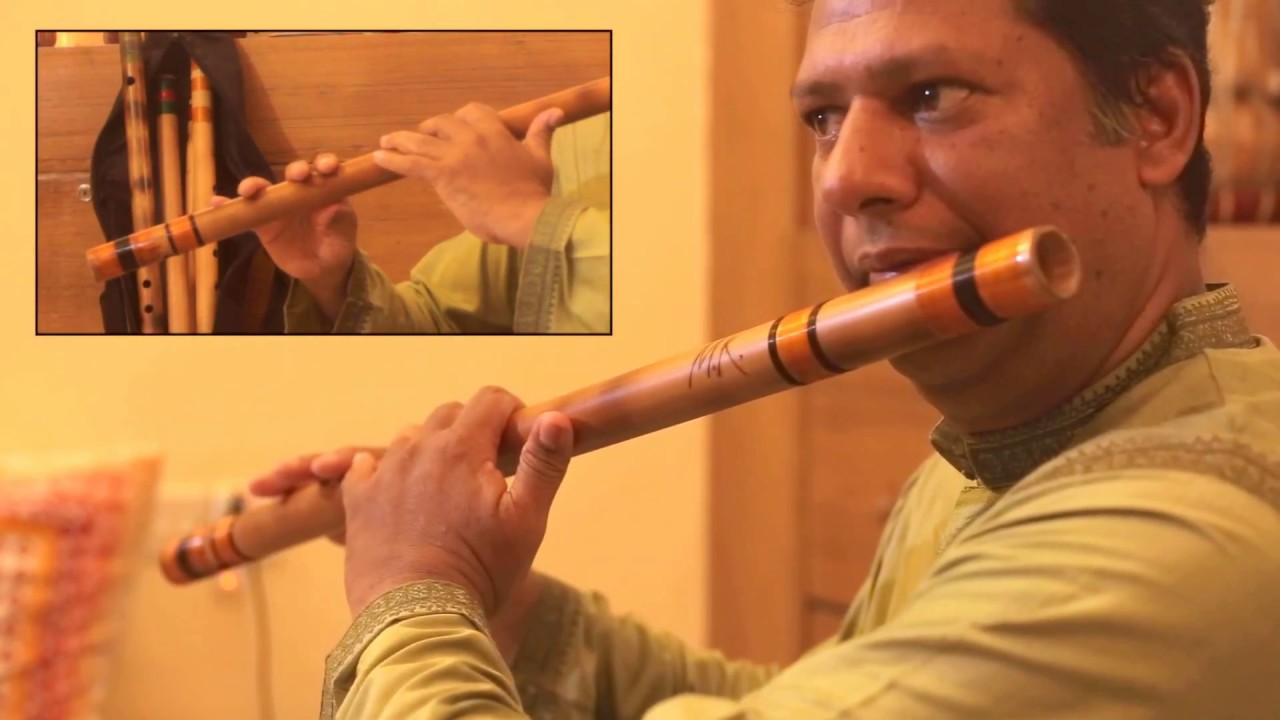
Easy Flute School · @EasyFluteSchool
Where viewers went back to watch this video again, from YouTube's public Most replayed graph, lined up with what was said at that moment.
Most replayed moment #1
3:463.7x the video's typical replay level
octave. Now if you move your finger in different way you can find the sound. [Music]
Said at 3:39
Most replayed moment #2
4:163.4x the video's typical replay level
tune from here. [Music] See you're playing the same note just
Said at 4:13
Most replayed moment #3
1:423.0x the video's typical replay level
Again, [Music] I show you from the first C.
Said at 1:38
The graph counts replays. It does not show where viewers stopped watching.
Words
751
Runtime
12:10
Speaking pace
62wpm
Reading time
3min
62 words per minute, below the 160 25th percentile of 349 measured videos. That distribution comes from the 349-video hook study.
Opening (first 30 seconds)
[Music] Now you know how to blow the flute, how to hold the flute and how to place your finger on flute. Now I will show you just the place in
31 words, the words spoken in the first 30 seconds at 62 words per minute.
Free, no signup. See how the first 30 seconds hold attention, with rewrites.
Sentence shape
| Measure | This transcript |
|---|---|
| Sentences | 59 |
| Average words per sentence | 12.7 |
| Longest sentence | 45 words |
| Questions asked | 2 |
| Sentences containing a number | 0 |
Most used terms
Filler phrases
16 in total: uh 9 · like 6 · you know 1.
A literal whole-word count of the same phrase list the Prepublish browser extension uses, so a phrase inside another word is not counted and a phrase used in its ordinary sense still is. It is a count and not a judgement.
Run the check on the words above: where attention is likely to drop, with a rewrite for each weak line. The free check shows the scores and the one issue costing the most.
What this transcript is
Every word below is the caption track YouTube publishes for this video, pulled from the video itself and reproduced unchanged. It is not Prepublish's writing, not a summary, and not a re-transcription: it is the video's own published captions. English captions, generated automatically by YouTube, in the video’s original language. Source: the video on YouTube. A channel that would rather this page did not exist can ask for its removal through the contact page, and it is removed.
[Music] Now you know how to blow the flute, how to hold the flute and how to place your finger on flute. Now I will show you just the place in your finger on the flute and make the different sound in the lower octave. First just block the first hole. Make sure there's no leakage on your finger because if you have leakage then your breath maybe leak from here and you don't get the sound in perfect way. So make sure the hole is blocked perfectly.
See once you block it perfectly and blow and take it off. So you get two sound. See? Okay. After block the first hole, go to the next finger like this and blow again. Take it off. Then go to the next finger. Block it properly. Again, [Music] I show you from the first C. [Music] Now I will show just uh the right fingers how to place here and make the sound. See and make sure when you play the note u in the lower octave like which note you're playing then the other finger must be closed like this because I'm just blowing this try to make the sound from here.
So the top finger is closed. Then [Music] if you try to blow the sound with this sixth finger and if you open your top finger that is wrong like this or like so make sure when you play the note which note the lower holes must be open like this. So I'm blowing this note and all these holes are open. Now I play the next note. The four note is open. These are open. [Music] So now you can make the sound in lower octave. Now if you move your finger in different way you can find the sound.
[Music] And if you if you want you can make some tune from here. [Music] See you're playing the same note just move your fingers in different way and make the sound. I hope that now you enjoy because you can make your sounds and uh then after this fingering we will move on the next step. Uh I show you how to play the lower octave. Now I'm playing it again. [Music] You say there is six hole and I just make seven sound.
But next so you play the lower octave. You need more nodes. And how to play the more notes? Now you have to use your breathing pressure. From each fingering you can find two different note low and high. Just I'm showing from the uh lower side [Music] you can play the sound just now change your breathing pressure just use little bit pressure you get this sound so just watch I will show the two different sound low and Okay.
[Music] Nothing change on the fingering. Just using my breathing pressure. [Music] Then next. [Music] Next. [Music] And remember when I'm going from the low to high notes just gradually the pressure is increasing. [Music] Now I'm going to play only the high notes. Use the more pressure. [Applause] Always remember from low to high you have to increase your breathing just little little little. [Applause] And when you go from high to low, you have to less your pressure.
Now I'll show you lower octave and then high octave. [Music] Same thing. Just change your breathing pressure and make the high notes. [Music] I hope you can play the notes and once you can play these low and high notes, I hope you just learn uh most of the alphabet of the music. Now you're ready to the next level to uh learn the sirums and other other elements to control the uh sound in lower octave and high octave. You need uh some practice every day.
If you do this every day for several time you can make the sound day by day better and better. Just need practice and try to pay play it uh long notes. Take break. [Music] each note for several time or each sound in low and high for several times. [Music] [Laughter] Try it again from low to high. [Music] [Applause] [Music] Once you can do it now just do it opposite from high to low because more you just practice this lesson, you can control the note very easily in very short time.
Just control your breathing pressure. [Music] At the beginning, you have to do this lesson for several time and every day.
The words are the caption track's own and nothing is reworded or re-transcribed. Paragraph breaks are placed between sentences so the text reads as prose.
Free tools for your own script: paste a draft and see where it stands before you record it.
Paste your draft and see where viewers are likely to drop off, with a rewrite for each weak line.
Paste the first 30 seconds of your own draft for a hook score and rewrites.
Check your draft against YouTube's advertiser-friendly guidelines before you record it.
Read this channel's public videos and transcripts, and download a writing brief for it.