Getting the transcript
Reading the captions from YouTube. A video nobody has opened here before takes 10 to 30 seconds; this page fills in on its own.
Getting the transcript
Reading the captions from YouTube. A video nobody has opened here before takes 10 to 30 seconds; this page fills in on its own.
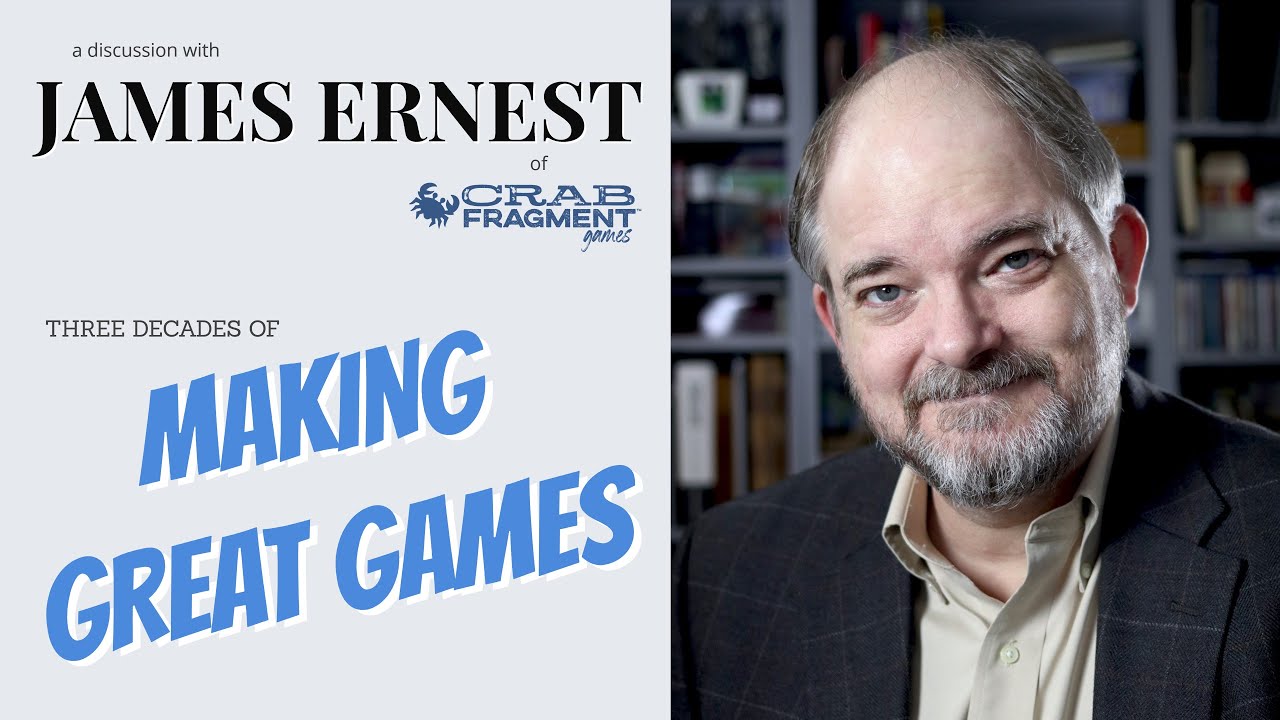
Renegade HPG · @RenegadeHPG
Words
8,279
Runtime
42:31
Speaking pace
195wpm
Reading time
35min
195 words per minute, between the 181 median and the 201 75th percentile of 349 measured videos. That distribution comes from the 349-video hook study.
Opening (first 30 seconds)
all right you ready to go I am all right welcome everybody to this episode of the Renegade hpg podcast this is Travis and today my guest is James Earnest James is the owner and lead designer of cheap ass gains and uh has a little bit of unique insight into some uh some battle Tech History which we're going to kind of start our conversation off with today and use that as kind of a jumping out point to talk about that game design in general but uh James I uh pulled your name there was a
98 words, the words spoken in the first 30 seconds at 195 words per minute.
Free, no signup. See how the first 30 seconds hold attention, with rewrites.
Sentence shape
| Measure | This transcript |
|---|---|
| Sentences | 2 |
| Average words per sentence | 4139.5 |
| Longest sentence | 4,905 words |
| Questions asked | 0 |
| Sentences containing a number | 2 |
Most used terms
Filler phrases
514 in total: uh 157 · you know 127 · kind of 77 · like 62 · um 52 · sort of 17 · actually 9 · I mean 8 · basically 3 · literally 2.
A literal whole-word count of the same phrase list the Prepublish browser extension uses, so a phrase inside another word is not counted and a phrase used in its ordinary sense still is. It is a count and not a judgement.
Run the check on the words above: where attention is likely to drop, with a rewrite for each weak line. The free check shows the scores and the one issue costing the most.
What this transcript is
Every word below is the caption track YouTube publishes for this video, pulled from the video itself and reproduced unchanged. It is not Prepublish's writing, not a summary, and not a re-transcription: it is the video's own published captions. English captions, generated automatically by YouTube, in the video’s original language. Source: the video on YouTube. A channel that would rather this page did not exist can ask for its removal through the contact page, and it is removed.
No Script X-ray for this video: YouTube shows a Most replayed graph only once a video has enough views.
all right you ready to go I am all right welcome everybody to this episode of the Renegade hpg podcast this is Travis and today my guest is James Earnest James is the owner and lead designer of cheap ass gains and uh has a little bit of unique insight into some uh some battle Tech History which we're going to kind of start our conversation off with today and use that as kind of a jumping out point to talk about that game design in general but uh James I uh pulled your name there was a little thread on the BattleTech ccg Facebook page which was a letter that you had written probably two decades ago talking about the the early development of BattleTech ccg and kind of how you are involved in the first iteration of that game before kind of a illegal and stuff was uh caused it to be scrapped and turned over to Richard Garfield who was the eventual designer so uh so I'm a little curious I've done some more content on the uh the BattleTech ccg to get you know I think the people in the group would have a little bit of a kind of you know fun little trip down history Lane and kind of see maybe a what if you know what that game looked like and and uh well honestly uh it's it's been so long yeah uh I I think I think that letter might know more than I do I should bring it up as kind of a reference here but uh but yeah so what I was gathering from it was that uh you know you guys had mostly a fully formed game you know uh built and sort of ready to go yeah um so I'm going entirely on scene of the pants recollection here um for instance I don't recall writing that letter but uh I recall writing a fairly uh more uh angrily worded letter to uh some higher upset wizards but no the uh to sort of just restate what you did um in the in the early days of Magic the Gathering uh the the Gen Con when they released it in 93 uh Wizards employees went around to all the big game Publishers at the time and said hey let's work together let's do a deal because this trading card game thing is going to work out and we want the next one we make to be even bigger and so they signed a bunch of licenses including battle Tech um and Netrunner and vampire uh the Masquerade and thought that one of those games had the potential being a licensed game to be even bigger than magic of course you know fast forward to six or eight months later and it's like well we're flying with this elephant on our back now we have magic is doing just fine without a license but we have contracts and we have to make all these other games and it turned into from and this you know this is just my recollection of it but it turned from an opportunity for growth to a serious paperweight and um so over those next few months and years they uh fulfilled their contractual obligations to make the Netrunner game in the Metal Tech game and the the vampire game and um I was working at Wizards first as a freelancer as a technical writer and uh graphic designer and then in-house as essentially same and so I had a desk in the newsletter department and once in a while someone from Wizards would walk past my desk and say Hey you get you designed games right and I'm like uh yeah uh can you help me with this project and one of those times was Glenn Elliott who had been given the BattleTech ccg so Glenn was uh I believe one of Peter's old friends Peter Atkinson's friends from a previous employment and came aboard to uh to work on the business end of making board games they had done a little internal contest I guess or I I don't know a request for proposals internally to say who Among Us can make this BattleTech ccg Glenn had taken that job had done a fully functional first draft but then sort of felt stuck and that was when he came by my desk and said what can you do for me so at that point I became essentially a freelancer under him to do support work make play test cards and make suggestions on rules and so forth and do internal play testing of this BattleTech card game which we did for about a month um and then uh at least the way I heard it essentially FASA got word of this Arrangement and said no no this contract that we have with you says that Richard Garfield is going to design this game and so wizard said to Glenn sorry you can't have this job anymore and Glenn was like okay you're still paying me so whatever yeah and and that meant that I got fired off that project too so for all the worst reasons the game that we made uh uh technically thus it didn't come out but then of course being the same property and based on what little everyone knew about trading card games at the time the final project was reasonably similar to the one that we had made the only difference being that our names weren't on it and we didn't get paid well hopefully you got paid till the time that they let you go but uh well I again I was I was just freelancing for Glenn so no I made zero money on that project oh my goodness more uh you know when you're when you're new in the industry and trying to get work you do a lot of stuff on spec and and and Things Fall Apart sometimes so that's I mean terrible but but uh yeah that's how it went I'm curious and you know where if you even remember as such so long ago but you know any kind of core mechanics that kind of stood out or uh you know more themes in the game I am racking my brain uh as to how that thing worked the one thing that I remember that I think we did in our game and see I haven't played the new battle tank game so you can tell me if this is the way it is by new I mean you know the one that happened two months later right um well that's good because then you can't you can't claim your piggybacking right you know if you uh if you haven't played the new game then anything you come up with that's the same you know we know exactly ignorance on all accounts I've never looked at the patent office I've never played another board game in my life that's uh to start from that um no the the one thing that I think I took away from our BattleTech ccg construction was that we did a game where instead of in Magic the Gathering where you have several phases in a row all packed into the same turn we tried a game where you could pick one of those phases and just do that and it meant that the turn went back and forth a lot faster but the only reason that I know that is because I did a similar thing in a ccg that I made through cheap ass which was called fight City and so I can talk about fight city with a little more clarity um in that game there is essentially three different types of turns that you can take it is not a draw phase followed by a plague you know construction phase followed by a fighting phase it's one of those three things and it means you could take three fighting phases in a row except that the other guy gets three turns too and I think that that made the game a lot faster generally speaking you know this is just knowledge that we know from designing all kinds of board games but if you take a multi-phase turn and and break it up into many smaller turns the game just goes faster everyone gets through it quicker and uh and so that was an interesting experiment in BattleTech it turned into a thing that I did in fight City and it's a thing that I would love to see again in uh in the future project yeah I'm familiar with that concept you know from having played a Star Wars Destiny when that was out of that back and forth and just how engaged it kind of kept you and and it's interesting you point that out because for me you know when I'm playing board games in general that's kind of the biggest the biggest draw our turn off for me is kind of just that down time while you're waiting for other people you know and kind of it seems like exactly the more they can do on their turn the less you can even plan for yours especially if it's a big interactive game where I don't really know what the lay of the land is going to be until literally my turn starts so yeah that downtime is critical if you know just sort of game design 101 if you're designing a game for a lot of people let them all take their turn at the same time right I mean that's how Robo rally works for instance we all do most of our thinking simultaneously and then there's an execution phase that's sort of basic barely turn based but we're all really going all at once and that keeps everyone engaged all the time whereas if you played you say magic with five people which we certainly did a lot of back then um yeah that's that's that's Forex downtime that's just you know looking at your cards and and waiting for for 20 minutes yeah do you remember you know with that original iteration was the the focus kind of on heavily on mechs and and do you remember how you kind of you know translated those mechs to the cards and uh you know one thing if you know looking back for myself if I had a chance to kind of redo and reapproach the game it would almost take it more like uh the how the Star Wars ccg went where you could if you could decide if you wanted vehicle based or you know starship-based or our planet and character based and BattleTech kind of has a very similar balance certainly in the lore in terms of you know a full balance between the characters and the richness of the characters as well as the technology and equipment and it seemed like the the game that Richard eventually came up with you know the the characters were very much kind of a side thing and not even two degree playable at a certain level because they just didn't blend very well with with the Mech so I'm curious if if your original iteration you know how you kind of dealt with that if you even remember kind of I I think and again this is 25 year old plus Reckoning here but um we we mostly I remember all the cards and they were mixed they were they were straight up Max and it was you know I think when you're gonna do a game that that doesn't bloat you want to pick a cross action and play that thing so yeah I agree like the stories are great um and even the planetary level conflicts are interesting but I think as a metagame that might work but as all part of the same layered game that's a lot to pack in especially if you want a game that plays fast so yeah we had Max deploying and ranks jumping out of your hand and into play and being you know in the front or the back end and having ranged attacks and things like that I mean it was very much on the sort of combat unit level each card was a was a Mech basically definitely yeah I just that that back and forth is interesting because then how it translates the tabletop because the tabletop has initiative and basically people take turns back and forth and that's something that didn't did not get translated into Richard's final version you know where it is kind of one person goes to the whole time yeah I think you shouldn't think of a ccg as an adaptation of an existing game mechanic it's more this is a new game mechanic that tells a similar story right so yeah in this in this world in this Trading Card Game World I want to be able to carry a deck in my pocket and and sit down in a line at a convention and play a game in in 10 minutes with a friend of mine like on the floor and so chop chop you don't have a lot of time you don't have a lot of rules you don't even have a lot of space again this is the theoretical envelope in which ccgs are being developed in 1994 right right uh it's still a real quick play pocket size game and so yeah you have to pick a cross section and and do that I'm curious you know and a little insight into that history you know you were really on the ground level of kind of the explosion of the you know the card game you know what uh you know any insights that you can kind of share from that and I'm curious kind of how it shaped your personal development kind of as you grew at Wizards and then you know eventually came into cheap ass games yeah well building magic decks taught me how to build decks for anything so a board game that has a deck of cards in it everything that you learn about how many of each card to put in and what to expect in a random shuffle and you know how the cards interact and and you know more rare cards and less common cards are sorry backwards like everything you learn about building decks in a ccg just as a player uh it strongly informs how you construct new decks for games that have similar behaviors whether they're constructable or or just fix right um yeah but like kill Dr lucky was one of the first products that I did through GPS games and that's got a deck of 96 cards and the balance of weapons and and failure cards and move cards and so on like the way those cards are distributed through that deck um is informed by how I learned how to build magic decks I you know I and I know that's that sounds like over simple like of course you can make a deck of cards for a card game without like needing to know how to make a ccg but um but I think that was kind of my uh invitation to a better level of game design like just sort of understanding how to build magic decks is a huge deal right and in the modern you know card game landscape you know there's a there's a strong strong caring between draft play and constructed play and I'm curious kind of how that how and when that kind of evolved from the game design aspect and and when I guess you guys were forced to really kind of consider in that that play testing design developments of those two different formats and how they interact with each other and how to kind of design cards that can be effective in both well well to be fair I was never part of you guys I was always kind of on the outside of that yeah so I I know though I know what I can say about how it evolved looking essentially from from next door but I was not on the design team for uh for a magic expansion I I we certainly tried to be in fact um uh one of my earliest pitches to wizards was a ccg for kids which they uh initially asked for and then like I said with all the uh obligations that they had already signed up for they realized they couldn't make it yeah so that was uh that was a disappointment but that's as close as I got I certainly like was play testing all of those sets but I wasn't a designer on any of them the closest thing I got to design at Wizards was uh compiling a list of multiplayer variants for the pocket players guide the the booklet that uh that came out with uh uh revised maybe around about that time okay survives that was the fourth one the fourth one alpha beta unlimited rise yeah it sounds right um but uh you know just speaking to the development of of draft play and and that it seems like in an environment where the you're perpetually buying the game and the person with the most cards has the best choice and you know essentially the theory becomes that the money Players win yeah the notion of playing from a fixed set of starter components to have a Level Playing Field again it's kind of like the notion of table stakes poker right everyone can only buy in for two followers that's what you have to play with make the most of that and that translates to ccgs is saying okay I have all every card in your collection you've been collecting them longer than I have there's no way I'm catching up so instead let's start with a new you know we'd all know we're going to buy some of the new sets so let's all buy x amount of the new set and play with that and that'll be fair again uh as a ccg designer you have to say okay well we know now that people are playing that way and so we're even more terrified than ever of cards which individually are so out of whack that whoever gets that car just wins the draft right right definitely and you know Tata I'm curious about your Evolution kind of in your own and where you took that experience at Wizards into your own experience and and you know maybe use that as a chance to tell us a little bit about cheapest games and kind of what that company's been focused on and the type of games that you've been developing since well uh cheapass came out of a pitch that I actually did to other game companies at the time including Wizards and the pitch was sort of a razor and razor blades or PlayStation and and discs kind of approach where you would sell a box of high quality game components that were generic enough to use for lots of board games so it really started around that tackle box that hundred dollar box of poker chips play money tokens pawns dice that you buy once and then the board games that played with it would cost like 15 or 20 bucks yeah like it was an investment that eventually paid off in lots of of uh fungible games um it was a pitch uh you know it didn't get any interest and then I uh I found myself not at Wizards and then freelancing with a lot of games that I wanted to sell and no real way to sell them not a lot of you know cloud in the industry or friends that could you know bootstrap a dozen games out of my briefcase and so I said okay I'll just make them myself the cheap ass games idea started with that Razer and Razer blades thing except I couldn't afford to make the razor and so I just started making the blades and said all right people you probably have dice in your house like many other in developments in game marketing over the last 50 years that was based on my experience with d d right DND sold the books uh separate from the dice and you go get your Miniatures and your Dyson your whatevers we just sell you the books and so cheap apps was kind of the same way we're just going to sell you the boards and the rules and the things that this game desperately needs and we're going to craft them to use generic components like dice that if you if you have nice dice great if you have terrible dice great too but whatever it is We're Not Gonna deal with it it's it's your problem and that was a way for me to essentially bootstrap a game company for with no money I you know to print my first products on my laser printer and put them in envelopes that I got at the Office Depot and take them to a con and and cross my fingers right it's interesting I mean just uh yeah I've been um you know think for me and and Renegade hpg you know so many of the conversation I have are just kind of looking at behind the scenes for that creative process and and I'm curious that kind of the challenges that that you face and what you've learned and how you've learned it in your own developments you know through through the game design and I know you know there's there's the BattleTech fandom is big enough now that there's there's certainly enough people who have thought you know kind of about you know have this idea for a game you know and I think well everybody has ideas I always say kind of there's a big difference between having an idea and executing on an idea but uh for those that that have that idea and maybe have that ambition to kind of execute you know what is what have you learned along the way in terms of uh translating and the kind of do's and don'ts for kind of those those early Gamers and and how to get started I think if you want to get started as a game designer the first thing you need to do very intentionally is to separate your desire to design games from your desire to design games you can sell and the reason that I say that is we all sort of are exposed to a culture of retail products and that's how we see and I'm not successful in making a game unless it lines up on the Shelf at my local game store but I think that is a it's such a big uh extra that that weighs you down it's like saying that I I want to make a AAA video game or I want to make a feature film like of course you do want to make those things eventually but you can't do it all at once you can't go to film school and hope and expect to make the Marvel Cinematic Universe that's like way out of your league right and similarly making a gloomhaven not just mechanically but like the physical components and the marketing and the presentation and the distribution and the business back end of that is so much nastier than just make a game that you you can enjoy playing with your friends and so like that's the first thing I try to teach people is that your first customer is you your second or is the people you play every day and way down the line your customers are going to be you know Publishers and Distributors and retail stores in us to God customers right but if you if you're fixated on the business end first maybe you should start a game company but it doesn't mean you should also be designing games doing both there's way too much work yeah yeah for me I would I would definitely be bringing in the uh the business side experience rather than the game design experience but yeah and what I'm doing now like cheap ass games is in St Louis now I don't really take much I have a hand in it I'm kind of doing that again I'm doing crab fragment Labs which is a springboard for new ideas but like I'm not dealing with manufacturing at all some of our games can be done on a print-on-demand site called drive through cards but most of them are all just print and play like this is a game full stop play it enjoy it send us a dollar if you like it uh but that is kind of liberating because now I can just not worry about who's what what publisher I have to satisfy or or you know what that what print deadline I have to make or whether my games are going to be stuck in a thousand ship back up at La right like no kidding it's horrible yeah well what it what are you playing like what do you what do you put on the table you know most often these days or are you stuck in kind of design um I am playing a lot of playing a lot of video games I'm still playing a lot of Animal Crossing it's a fun toy um you know I I play casino games on my handheld and uh mostly what I'm spreading on the table is stuff that I'm working on like that's just uh that's always been the majority of what gets played in my house is games that are not done yet it's weird because like what that the frame of mind that puts me in is I'm no fun to play a board game with because if you break out quacks of quiddling burger whatever you know and and we play that I'm gonna spend the whole game talking about how it could have been better because that's the mindset that I'm at like I'm always editing I'm always fixing I'm always why why is this rule like this why is this character like this everything is why with me and if you're a player like like the way I enjoy movies is to sit back and let them flow over me and so because I'm not a movie maker right but yeah as a game designer my my experience with every new game is I I treat it like it's still in play test yeah now do you is that is your family your play test group or you got a group of friends there that you're able that said uh well covet has sort of screwed up everything um my daughter Nora is definitely my most frequent play tester now because we are in the same bubble but uh previously to that uh for for the entire lifespan of cheap ass games I had a weekly game night that uh was comprised of about a dozen or so uh friends local Gamers and so forth who were real at the uh at the headwaters of every new development and then whenever I went to a convention uh I I pulled people to to play the game as often as I could so I'm always sitting down with new people and new players when the when the opportunity is there definitely were you able to get to the Gen Con this year um I was not willing to get to Genco this year a little up in the air yeah it's good at least we're starting to reintegrate back so I was uh you know pull us off the topic to fund side uh thing and maybe uh you know looking at the development of our careers as they go but uh it was funny to see you know your early kind of focus was nothing to do with games but was juggling so I want to ask you I want to tell us a little bit about that uh and and kind of it's funnier the Wikipedia page reads very funny it reads as if you uh you had an early career in juggling and then you were hired by wizard of the coast to juggle and I was like oh somebody needs to work on their grammar there yeah um well I did actually do a couple of juggling jobs for wizards I mean you know we're all friends here it's a small industry and um the Wikipedia page desperately needs work there's a much more good much more girderer bio fragment so I forgot to go pick that up but anyway um I started my professional career as an Entertainer I was a magician as a child you know I learned to juggle when I was like 13. um I I spent my my teens in the sca which is a medieval reenactment group where you get to dress up and play with swords and and in my case juggle at feasts and so forth yeah yeah um so you know entertainment was just a thing that I liked the thing I knew how to do I went to engineering school but in the weekends I went to St Louis and juggled in the train station and you know passed the hat and um when I moved to Seattle in 89 I actually took on a pen name James Arness is not my real name because there were three famous people in town with my real name a weatherman a congressman and a serial killer and I didn't want to be confused with any of them um but I think what's important about this back story is that I'm an Entertainer and I think that is a part of game invention that can't be overlooked I have to remember that the every game that we make is really about an audience experience it has to be interpreted through their eyes and it has to be you know straight up entertaining for them the cheap ass line specifically is about why it's about why am I playing this game what is the joke on the front of this envelope that's going to make me spend five dollars to try what's inside of it and therefore what am I as a player pretending to do so that's always been my uh gateway to a new game is what am I about to pretend to do yeah it's also from a design standpoint if you're actually modeling a real world system and you can tell your players what system that is and they bring a whole bunch of rules in that you don't have to teach them again as opposed to a purely abstract game that models nothing where you have to start from scratch that's a harder learning curve that's a bigger first step and so when I say you know you're sneaking around a house trying to kill somebody that helps me explain why when he can't see you you can do stuff that you can't do when he does see you like okay that's just like when I really sneak around somebody's house you're channeling that uh that serial killer part of your uh you're absolutely your alternate personality too funny and um yeah kind of as I I've grown it's interesting kind of reflecting back on on just kind of education and what is important in that education and applying it to Real World experience and and there's so many people that have that kind of story of you know of these Specialties and such disparate uh areas you know and how they apply it and it really fascinates me I mean ultimately I graduated with psychology degree and so just kind of why people do the things they do is generally yeah and people can't even explain why they do the things they do and yeah that you know so it's psychology is a is a crazy uh science I tell you um a lot of people come to game design through entertainment more people I think come to it through uh math and the hard sciences and I think that because the defining aspect of games is their mechanics it's easy to forget that they have all these other aspects that they share with other media and to say that mechanics are the only thing that matters and so there's a whole lot of game designers especially you know when you meet new game designers who are coming at it from that perspective and they want to make a game and what they think a game is is a set of rules um which you know ignoring all the aspects of marketing and Manufacturing but just like here is a set of rules uh it is there for a game like they sort of Miss the experience that a player is having when they adopt the game when they learn the game when they teach the game when they think about the game you know those are those are often much more um soft Sciences than than rules and numbers and and writing yeah and I think you know my recent you know game commitment has been flesh and blood and certainly a very well designed card game but what drew me to that game was the the value and the energy and effort they put into the competitive side the organized play side you know because for me I play games these days mainly for the social side you know and I pick games that I can resonate with and enjoy certainly you know that certainly helps me stick around but uh but to see that and uh and I think that that's something that I would like to see in battle Tech you know I have my own ideas for kind of ways to kind of bring that into into fruition but uh you know one of the things that uh BattleTech doesn't have is just that it's an ease to get people together and and play in kind of an organized fashion and so that's something kind of in terms of me in terms of my own you know personal goals and ideas that's that's something I have on my my mind to kind of addresses is fun find that way to kind of bring people together but it's good to and it's good to put that as a high level goal in your design plan like that doesn't happen automatically you have to know you want it yeah and you have to put in I mean the yeah the the Logistics of that and organizing that are incredible you know but as you said it's uh you know they it is two completely different worlds between designing and creating the game and actually um Distributing the game producing the game you know it's it's insane and it's uh you know it's someone frustrating battle text you know and a big Resurgence now you know coming off a very successful Kickstarter two years ago um and uh it's interesting to me having run a business and kind of watch people give feedback and you know as customers and frustrations and you know share you know positive feedback as well as negative feedback if uh you know it's it's always amazed me how alien the reality of producing a product and getting it to to Market and deliver it to the customers how that reality is so alien to the consumer of that product and how sure well and but they don't need to know how the sausage is made but yeah but uh yeah it's it's uh again you're delivering for them an experience they yeah they see a game on a store shelf and they buy it and play it yeah I see it more more on the empathy side and kind of managing expectations because we want people to enjoy it you know and you don't want them to be like oh why isn't this on the shelf and it's like well that's because it's floating in the harbor off of California that's that's why it is but uh yeah it's crazy so what's um you know what are you working on now you gotta you got a game kind of in development are you kind of in the design and play testing well your daughter at the moment uh I have several games we just send out the crab fragment newsletter for this month and I have three games that are about to drop and they're all sort of different shapes and sizes but the first one is called Vines and it's a collection of trick taking games speaking of Magic the Gathering style deck building when you when you make a traditional style uh trick taking game you the the deck construction rules are pretty simple you just set up a rule and then build that deck you know yeah yeah um but uh but I've really enjoyed doing games in that category games that are with what is essentially a traditional style uh deck maybe five suits maybe six or three or whatever but whatever that in introduces to the games uh Vines is a set of trick taking games that I did for uh basically on spec like I do many times uh a project that finally just evaporated and now I have it and and I love these games so that's coming out and I'm actually working on the art right now to get the cards ready for for a proof um there is a city building game sort of a tile laying game called Copper Creek which is actually like 15 years old at this point it was just one of these back burner games that was never quite right and this this year we took it out and made it a little closer to right uh so that's another game that will be print and play uh on crab fragment pretty soon and the other one is I don't know if you're familiar with Tac that's a game that I did out of a science fiction or a fantasy novel uh with Patrick rothfuss that got me a few other uh leads including uh this one called the Verdigris Pawn which is a uh a y a uh novel that just came out this summer that is sort of chock full of references to this chess game and the author of the book said I would love it if this chess game was a real thing and so we are about to drop the open Beta rules for uh fist is the name of the game uh and uh it is a a asymmetric chess variant so you know the King has lots of uh pieces and the Challenger has a fewer pieces but they can do more things okay um and so that that is another game where I don't have to manufacture it because you can play it with the chess set so we're just putting the rules out um the author's main objective is to have a set of rules that that she can sort of share with the people who are reading the book my objective is of course to find a publisher for this thing and actually make some money on it yeah yeah that'll happen after we get the rules down definitely so yeah I got a bunch of stuff going on those are just the three uh the three hottest topics right now and where do where do people find those what are the links and stuff uh crab fragment Labs is the uh is the website crabfragment.com we'll get you there and uh that's all games by me mostly print and play some of them are also available uh from drive through carts awesome and as is crowd programmatic kind of a subsidiary of cheap ass you know what's the relationship that's a replacement uh cheapest games uh got bundled up and shipped to St Louis about two years ago we took uh essentially a greater than games is a game publisher in St Louis has done many things you have heard of and we were looking to get out of the publishing business luckily before covid before or you know the the most recent shipping and Manufacturing issues that came up we said at some point we have to retire and so my wife and I uh looked around for a publisher to take the catalog and greater than did they uh they continue now with those things and uh uh crab fragment is full stop brand new uh stuff that that didn't go out the door with that uh with that delivery gotcha excellent and uh you know for people for people out there that are listening that are interested in kind of diving into the industry you know any kind of suggestions you know as a veteran kind of for people you know where do they go you know where to look how to look what kind of things to avoid kind of in the industry as publishing as designing is developing I think as designing developing as designing I you know the um the common wisdom is that to make a lot of games you have to play a lot of games and I don't 100 agree with that I certainly have played a lot of games in my life and I continue to do that but you can't really learn without also making a lot of games like just literally crank them out and that's why I tell people don't get distracted by selling it to a publisher don't get distracted by manufacturing it make games the first things that we did as game designers was kit bashing stuff we already have I changed the rules to every game in my house I changed the rules to Monopoly I changed the rules of DnD I changed the rules to chess right I just you know monkey with what you have play it with people and see if it got better and eventually learn those steps that take you from an idea in your head to a board game you can play with friends but let us stop there and do that a hundred times when I taught a game design class I was just like you're gonna make a new game every week we did we did that every week for a whole semester just just crank them out because you will learn a lot more finishing a lot of short projects than than dragging yourself through one long project gotcha yeah on the education Side Are there specific fields and focuses that you find to excel more you know I know you talked about kind of the math and Engineering as one that people come into but not necessarily the recommended one you know what uh what kind of backgrounds do you find you know I think about designers it depends on what kind of game you want to make right yeah games is such a broad category um I have a background in math and entertainment I'm a technical writer I I'm a graphic designer I have sort of all the chops to to make my own things and it doesn't hurt to dip your feet in all of those things you should at least um you know read a little bit about math as it specifically applies to game design I have some articles at crab fragment that sort of touch those areas I just posted a video last year about graphic design and for game designers very specifically how to make prototypes that work better it's not about finished products it's just about laying out the information on a card you know um but uh but yeah mostly you'll learn by doing and and game design if you're if you're used to another creative process like painting or writing or almost any other form of art you typically don't involve people in your process you show them something that's done or close to done you get editorial feedback but you can't really get someone's feedback on your idea right um the process of game design at least for me is much different from that because I will I will Workshop names of games on a workshop core mechanics I will put components in front of people and say what would you do with these um and that leads to much better products than if I sat at my desk writing a game down to its last details and then put it in front of somebody that product always sucks I did it a couple years ago at uh a convention I wrote a a card game that I I I didn't have any testers so I just wrote this whole thing and put it in front of people and it was awful and and you know just one more reinforcement of for game design specifically to understand how people will approach what you're building and what they want to do with it what they expect it to do you could put it in front of people pretty early in the development and they will help you a lot so so that's maybe the most important thing for a new designer to understand is that you cannot retire to an ivory Tower and and poop out a game you really have to uh put the structure in front of people understand what they expect take their feedback seriously and the less you work on something the less attached you are to it the more likely it is you'll be willing to change it into something better you know because if you do work in that tower for a year and then put your game in front of somebody and they don't like it you will just reject their feedback and move on to a tester who does like that's that's that's no way to run a railroad right right yeah you know that resonates with one of my favorite quotes that I have as a professional is that you know Perfection is the enemy of progress and it seems like that's kind of you know that's exactly what you're saying it's just absolutely the number one reason I procrastinate is fear of doing it wrong and you just you only overcome that by getting in there and getting your hands dirty definitely excellent well I appreciate this conversation James uh before I sign off are there are there any uh videos of you uh showing your uh showing off your juggling skills actually um um you can find a lot of miscellaneous things on my YouTube channel uh they're all linked from crab fragment uh mostly in the about page and yeah over on the lecture Pages um so yeah it's a mix of travel videos with the family uh there is a video of me juggling at a ren Fair a few years ago there is uh a number of just how to how to make your own board games and and you know playing cards and so forth and um you should also check out my podcast which I do every week it's called here all week and my my friend Kelly Wright and I decided that during the pandemic we would sit down in front of a microphone uh for half an hour every week and tell each other jokes so that's uh I love it yeah uh Renegade hpg is a coveted baby so yeah that's uh you know it's you know it was a good time for people to kind of come up and you know exercise some ideas definitely to get the podcast up and going so uh what other what are the links for that you know certainly people can find that on iTunes Spotify I assume and any kind of social media links that people can check out in addition to uh everything front page of crab fragment that's your uh that's your answer for all that good stuff excellent well I will definitely be checking that out and kind of exploring some of some of those YouTube videos so I appreciate your time James and uh I know it's been fun get a little glimpse into battle Tech History and go yeah thanks for having me kind of uh how games are met I appreciate it I wish I could tell you uh of all the years that I worked on that game but sadly they were cut short you know it's uh but lots of good things lots of good things and so a lot of good games have come out of you since but uh we appreciate it Thanks James thank you bye [Music] foreign [Music] foreign [Music] foreign [Music]
The words are the caption track's own and nothing is reworded or re-transcribed. Paragraph breaks are placed between sentences so the text reads as prose.
Free tools for your own script: paste a draft and see where it stands before you record it.
Paste your draft and see where viewers are likely to drop off, with a rewrite for each weak line.
Paste the first 30 seconds of your own draft for a hook score and rewrites.
Check your draft against YouTube's advertiser-friendly guidelines before you record it.
Read this channel's public videos and transcripts, and download a writing brief for it.