Getting the transcript
Reading the captions from YouTube. A video nobody has opened here before takes 10 to 30 seconds; this page fills in on its own.
Getting the transcript
Reading the captions from YouTube. A video nobody has opened here before takes 10 to 30 seconds; this page fills in on its own.
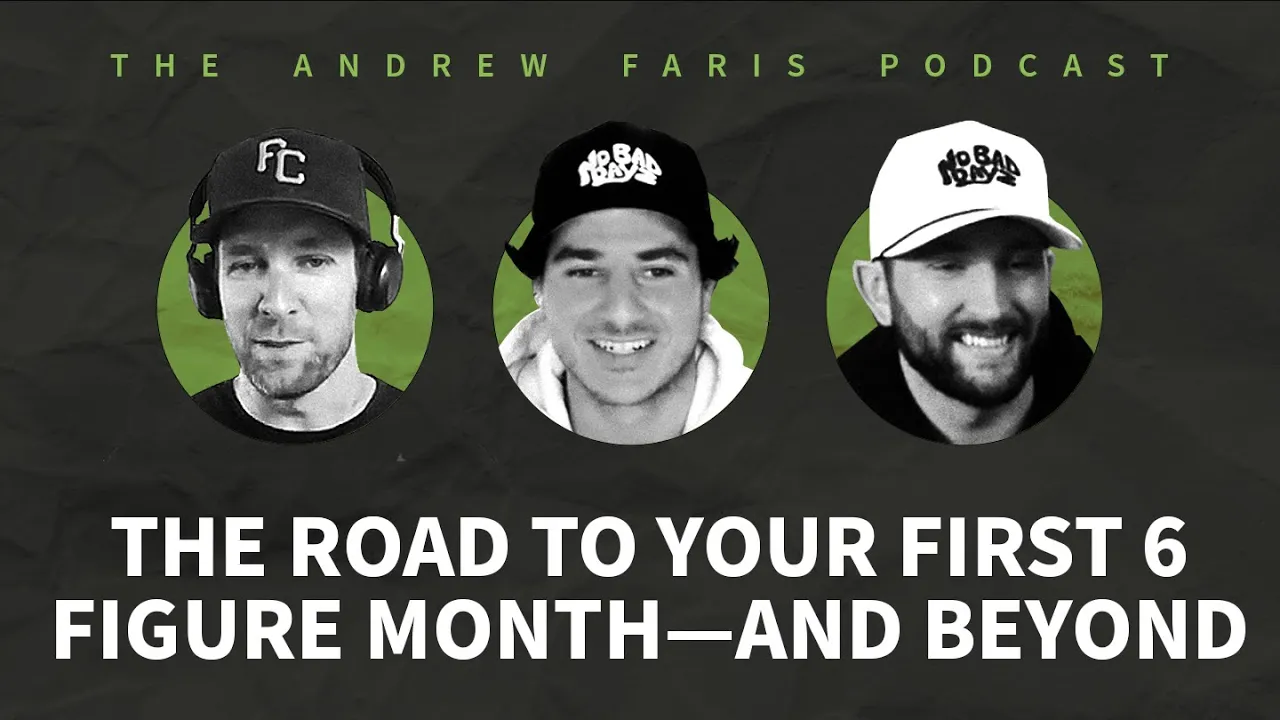
The Andrew Faris Podcast · @andrewfarispodcast
Words
21,586
Runtime
1:46:04
Speaking pace
204wpm
Reading time
90min
204 words per minute, above the 201 75th percentile of 349 measured videos. That distribution comes from the 349-video hook study.
Opening (first 30 seconds)
[Music] hello and welcome to opening the books number three the third episode of this I've ever done with my good friends Ben and Kevin from Pretty Boy and upand cominging men's skincare Men's Grooming men's Personal Care eventually a whole empire of things if they have it their way they've got Big Dreams big Visions for where this whole thing is going really talented couple of entrepreneurs who' have seen some initial success and are trying to scale it and we're going to talk about how to do it if you've never listened to or watched an opening the books episode
102 words, the words spoken in the first 30 seconds at 204 words per minute.
Free, no signup. See how the first 30 seconds hold attention, with rewrites.
Sentence shape
| Measure | This transcript |
|---|---|
| Sentences | 2 |
| Average words per sentence | 10793.0 |
| Longest sentence | 19,554 words |
| Questions asked | 0 |
| Sentences containing a number | 2 |
Most used terms
Filler phrases
695 in total: like 347 · you know 128 · kind of 94 · actually 70 · I mean 17 · basically 17 · uh 13 · literally 5 · sort of 3 · um 1.
A literal whole-word count of the same phrase list the Prepublish browser extension uses, so a phrase inside another word is not counted and a phrase used in its ordinary sense still is. It is a count and not a judgement.
Free, no account. See where attention is likely to drop, with a rewrite for each weak line. The free check shows the scores and the one issue costing the most. Or run it on the words above first.
Free · No login · See a sample audit first if you prefer.
What this transcript is
Every word below is the caption track YouTube publishes for this video, pulled from the video itself and reproduced unchanged. It is not Prepublish's writing, not a summary, and not a re-transcription: it is the video's own published captions. English captions, generated automatically by YouTube, in the video’s original language. Source: the video on YouTube. A channel that would rather this page did not exist can ask for its removal through the contact page, and it is removed.
No Script X-ray for this video: YouTube shows a Most replayed graph only once a video has enough views.
[Music] hello and welcome to opening the books number three the third episode of this I've ever done with my good friends Ben and Kevin from Pretty Boy and upand cominging men's skincare Men's Grooming men's Personal Care eventually a whole empire of things if they have it their way they've got Big Dreams big Visions for where this whole thing is going really talented couple of entrepreneurs who' have seen some initial success and are trying to scale it and we're going to talk about how to do it if you've never listened to or watched an opening the books episode of my podcast before there are two previous ones to this with mixed by nazarin and beardbrand beard brand actually similar C somewhat similar category to the Pretty Boy guys but a little very different stage of their Journey each of these episodes does does the same thing which is that basically I am going to record a call a Consulting coaching call with these guys in their business I'm going to spend some time working through what they are doing where they're trying to go and how we can help them get there and they have a agreed to share with radical levels of transparency actual stuff in the business including like real numbers for Revenue real numbers for ad spend like we may open up their ad account and go look at it and talk about their setup exactly as it is and the goal of this is to give you the viewer of this episode and and maybe the listener though I recommend often that you view these because we do do a lot of screen shares that sort of thing real insights into not just like what happened after the fact which is what a lot of podcast interviews are but like what would you do right now in a business what are the real numbers going on in a business and how can you learn from what what smart and talented entrepreneurs are doing and from any advice that I would give them along the way so Ben and Kevin are here we're going to talk about pretty boy really cool brand you going to like this episode so much if you've liked my past opening the books episodes you will love this one and if you haven't liked my past opening the book opening the books episodes what are you doing here go away you're you're not going to like my content that's just how it's going to be all right here we go let's get into it Ben and Kevin hello gentlemen how are you Ben you can you can start first it's awkward when the host says how are you and then you nobody knows who should talk first when there's three people on the podcast so Ben how are you all good man doing well thank you for having us you are throwing us for a little bit of a loop Kevin usually starts us off on podcast so I wasn't prepared but we we think quickly so everything's going man good man you've been an awesome person to pay attention to and enjoyed learning from you and all the stuff you and some of your other peers put out and so it's really cool to finally be on something like this with you man yeah it's I'm glad to be doing it the the background here of course is that the two of you came over to my house the other night and we sat and had a drink and smoke cigars and and just chatted life and business and as you guys were walking away I like strong armed you into this I think I was like hey come do opening the books come do this with me because you guys are were pretty transparent so I appreciate you doing it Kevin you're doing well yeah doing well thanks for having us I was gonna say I mean should we have cigars right now or I don't know might be little ear for that though cigar hour yeah that's a good idea I mean that would be a good live that would be a good inperson event to do essentially like a closed in person you get like 20 or 30 people you do cigars and the consultation lasts as long as the last cigar is still burning basically you know mine might last pretty long because I didn't there for a couple hours with c yeah yeah you go through it yeah well yeah so you guys are you guys are in La let's that made it nice and easy because I'm I'm obviously in La too so you guys came over and hung out talk to people about what pretty boy is and who you guys are maybe a little bit so people get a sense of the brand give like the the quick Brand Story the and what the product or products are so that people kind of have some sense and and maybe kick people to the website so they know where to go follow along the journey here and that's where Kevin usually kicks us off yeah yeah so you know I'm Kevin and co-founder Ben quick backer on us we're best friends from college both from Ohio before we moved out to LA went to Ohio State together kind of the two kids that always wanted to you know start a business together funny enough Ben grew up you know kind of having some bad acne I didn't have you know any skin issues until I got to college I played football at Ohio State my freshman year started getting pretty severe red breakouts all over my face like most Founders you know kind of you know have an issue and you know how do you solve that didn't know how to handle it ended up having to go to dermatologist and was diagnosed with form of eczema you know fast forward 10 years Ben and I both been going to a dermatologist for over 10 years and Co hit and I took a a class on how to start Ecom business and Ben and I were roommates at the time working the same job which was pretty funny and we're like how do we kind of to get out of corporate America what could we start and you know we've always had struggled with our skin and didn't really like the products that were you know out there for kind of active males who we were as people there was very scientific Brands there was a ton of brands for women that had many you know too many SKS there wasn't really a brand that fit us personally and then also a brand that our dermatologists would back there's a lot of hyper masculine Brands out there but they wouldn't let him use on our face due to his sensitive skin my Eczema like hey maybe there's something there so over three years ago or over four years ago we ended up kind of going down this path on how do we start a skincare brand for active males that kind of met the clinical backing that dermatologists and clinical Community would back took two years we've been live for just over a year and a half now because it took two years for development and we kind of went down this path on how to we create a product for guys what do guys actually want and you know we did a lot of research to Ben's credit on what do men want before we built the brand and before we built the product and it kind of came down to a couple things on one Simplicity less is more guys don't want more than three products performance obviously has to be high quality something that the clinical Community back our goal is not to just be this kind of $50 million doll brand we're trying to go after the big dogs here be this billion dollar brand and you have to have the clinical Community to back it and quality products texture is a huge thing guys don't want to make it you know something lightweight something non- greasy they don't want to make it seem like you're wearing a a mask all day and then a brand that they can align with you know we kind of say we're the Nike skincare like a lot of brands do but you think a Nike it's not a shoe you know it's inspirational aspirational we really want to create that brand that guys can align with and make skincare a little bit more approachable so like I said we've been live for just over a year and a half it's been hell of a ride it's been fun we're going really quick obviously having some roow bumps along the way as any brand but I think with our approach with this space that's been growing a lot of people are diving into men's skincare the way we're approaching it has been pretty successful and you know part of the reason why we've been able to bootstrap this and really grow and kind of compete with some of the big dogs wining some awards with just one product Amazing Ben anything you want to add there no like I said I think we this part we've got pretty down good so I always agree with with everything Kevin says later on we'll probably have kind of different things that we both add to some of those but nailed it right on the head although I am curious how do you feel we joked about this at your place when Brands compare themselves to Nike would love to hear your take after hearing Kevin's description of why we do think it's a very good analogy and goal to set out for us you guys didn't do it in the way that Anno me the way that it annoys me is when people look at Nike creative or something like that and they go like gosh like this is why it's so good they'll do like the the like retroactive breakdown on why it's great or they'll say like this is the inspiration you should use or they'll do the really specific tactical thing where it's like look Nike would never do that and it's like well okay so Nike is the biggest brand in the universe or whatever you know I mean I don't know how how big they Rel to everything but it's just so silly for small Brands to compare themselves at the Tactical practical level like their multi- many million dollar shoot and influencer deal is not comparable to your ugc ad and it shouldn't and that's okay like so yeah so you guys taking inspiration from them and and saying like we want to have the level of impact that goes beyond the product and really build a brand I think shoot for the moon go for it and and one of the things that's you know I picked up from you you guys right away is like you know as I say to a lot of people like I'm actually not wired to go after like gigantic results which I I don't think is necessarily good or bad I think it's really great that a lot of people have ambition to go do big things in the world and so you guys clearly have that ambition and so if you want to go compare yourselves or go think about people and examples that are really really monstrous like that's fantastic go go shoot for the moon you know that's great yeah and I think just one thing to add on to that that I know we talked about with you is is what and Kevin touched on this like there's a lot of Brands one of the things that we were most overwhelmed about when first kind of entering this space is there is definitely a saturation component two things that come out of that for us though is one like competition does Foster Innovation so for us we're both highly competitive people Kevin was a national championship athlete at Ohio State when he played football there I was super competitive when I was riding the bench in high school football we we do want to compete and so that does lead to Innovation and also that when for for a saturated Market how we've always looked at this and this goes into that simplicity piece is like we're going after the Lion Share and I think Kevin said that but like we want to be very substantial within our category and we've talked to you about skew counts and would love other listeners to give their thoughts and we've heard other listeners or people you've had on and various kind of things talk about skew counts but you know our market cap for the three categories we intend to play in if we take 1% of that we're a four five $600 million company versus if you're trying to distribute all of that across a bunch of different SKS confusing guys in the process and so you know that is for us we have big goals and the whole Nike thing for us why we do think it works is they's so much more than a product and that's when we lean into that it's the characteristics said quality performance Prestige stuff like that yeah and they didn't get there overnight right so like and I think you guys have a clear sense that like you know they they started in a narrower category they added stuff from there and you know the other thing I think about like goals and Visions like this that they're a statement about what's true today they're not a statement about what you will think is true in three years your vision may change in three years for what you want to become and that's fine so right now though it gives you a sense of where you're trying to go and how to think about some decisions and that's that's what they're useful for that's fine so no I I think it's I think it's great talk about the product a little bit so you know this core product that you guys have right now single skew basically talk about that and then and then talk about what's going from there I think there's there is an interesting thing I've heard this before too that you know as as as gigantic as a category as women's skincare is men's skincare and personal care is a growing category and people have noted this for a while but they've also noted how hard it is and you you said something right away Kevin which was like men don't tend to want to buy as many products they you know I remember when I was at bamboo Earth we you know there was a lot of comments from customers that essentially having a multi-product you know five products something skincare routine felt like a little personal spa treatment to them like it was like a relaxing way to unwind after a hard day or was part of their morning kind of prep to get the day going it didn't take that long it's just they like going through thing and smelling each thing and the feeling of going through all that and that's that's great men don't tend to want to do that so you guys launched on one product and you have a vision for three I think you said so talk about where that is right now and where it's going yeah so I I think like I'll give my kind of take on this first and and Kevin mentioned this one of the things for us again so a big portion of stuff we'll talk about I'm sure is that we're self-funded so it was all our own money from the beginning we had saved up to do this we knew we'd want to start a company but when it is just your own money you've only got so many options and you got to make sure you spend that money well for us what our mentality became was we need to find ways prior to making these big decisions where we can validate in a real Market setting as much as we possibly could and for us what that meant was prior to even really getting the development in process we had some samples kind of going back and forth we sent out a survey we got about 300 and I think like 20 responses something like that from people that were not only within our Circle but we would ask them and this is you know I think this just comes from paying it forward and we've mentioned this to you we want to pay this forward all the help you've given us that Kevin and I good relationship guys we take care of our friends we're really good friends with a lot of people kind of ask them hey send this outside your network we really need to get outside of just our friends and what we did is we uncovered all the things that Kevin said so going into that first product we were super super super focused it was either we could do the typical step launch a set that would have meant more money and less quality because we didn't have enough money to make all three products really high quality or we could kind of and we relied a lot on the summer Fridays approach a more female focused brand of they launched with one product it became viral and then they expanded from there so we said hey moisturizer is the one that we know like everyone uses a cleanser moisturizer is in that adoption growth phase more and more guys are using it so if we can nail that product there's room to grow but it's also something people are comfortable with we're going to launch one product based on the consumer feedback we got Kevin already articulated it but texture results simplicity and once we launch that product which you know has been our hero product we've been selling it for a year and a half we've sold 75,000 esque units of it you know then from there the process now has been kind of just starting to build out the other steps and and like Kevin said we're very science focused dermatologist focused every dermatologist you talk to any esthetician is going to say there's three things everyone should be doing every day hydrate so moisturize wash your face not with a bar the same bar of soap that you wipe your ass with and then get you know a sunscreen that's going to the SPF is going to be you know most important and provide the most results for longevity so right now we're in the process our cleanser is coming out in June we took a similar approach again a lot of surveys premarket a lot of sending out of samples that we've gotten into customers to validate like I said we want to make sure that when we launch something new when we do something new like Kevin and I love to go into every conversation every customer interaction every interaction with someone like you is if we are the dumbest in the room hopefully we're not always but because of our lack of experience you know we're always trying to learn from our customers people like you make the right decision earlier in the process so that we're not spending time correcting things we'd rather take a conservative approach be a little slower very intentional so now that process has kind of been delivered on that next product which is the cleanser and then from there it's getting to work on that sunscreen yeah and I think just kind of and I think he hit the nail on the head there like the way we kind of approached it and like kudos to Ben a lot of people and I would recommend this to anyone starting a new business like one like you said Andrew at the end of the day it's just knowing customer guys are different than women skincare is skincare like skin is skin but guys are different consumers than women they don't want 10-step products they don't you know they don't want all these different SKS and that's why you know you kept seeing all these different male Brands pop up with male branding but they're 10 different products and you know we see that happen all the time it's a new industry it's growing people are just coming in to try to make money and they're just pushing a bunch of products and we're like all right like that's how we know we have something special because we're taking the approach being very in intentional on what do guys want and from the get-go before we even created the brand like we did all this surveying and then built the brand around the data which a lot of people build the brand around what they want and then figure it out later and I think that's what's been very successful for us is get all the data first and then build the brand around that and then like Ben said yeah less is more is kind of the ethos for us guys don't want a lot a lot of products so you know we launched with just one yeah obviously we could have maybe launched with you know if we had the funding the the three basic products for a routine but honestly launching with one has been great it's a hero product we're very intentional with that product hero products I think I saw a stat like 80 like almost 80% of the revenue comes a lot from the hero product for most brands anyway so if we can nail that we can get that trust for people to adopt a cleanser and then SPF the hardest thing you know then they can adopt that but I think just being very intentional from the beginning for this one product has been really a huge key for our success yeah it also has a huge Advantage for a brand Where You Are bootstrapped which is that like the skew management and demand planning side of things which I know there's already been some challenges around that just imagine how much worse those challenges are the more complexity you add to the product mix so like there's this beautiful thing about having one core product to launch with which is that it it's going to narrow the band of problems that you have to solve and so like creative you don't have to go pick between 50 products and then decide which creative works with 50 different options of create of products to start with to say nothing of 300 products or a thousand products or whatever right you start with one product and you have to figure out how to sell that product and there's just like there's there's a limit of how many offers you can run there's a limit of all of those kinds of things so I think there's it's got a secondary advantage that the stage you guys you guys started it obviously you're hungry entrepreneurs but you also started as a side business I know you were working other job so there's limited time so it's it's just there's all kinds of reasons why I think it's a huge advantage to get you guys going and why you guys are actually set up for long-term success really really well by starting there on top of the fact that like you said the the male customer maybe doesn't quite want the level of complexity of adding you know whole giant skincare system or whatever it is because it's just one thing they can do it and they can go so that makes a lot of sense to me I think it's I think it's great talk about the journey so far you guys launched when and how did it go each year so far yeah so we launched in April of 22 we did like a soft launch in February so that was our first year in business we did our goal at the beginning of that year was to sell out of our initial moq 10,000 units which that in of itself was extremely nerous racking to go in with a highq self funding doing it all for the first time yeah how much money did you guys put out for that 10,000 units like initially so the initial order was 70 yeah so you had to come up with 70 grand to to start basically yeah that's GNA make it or not so paired with so we had the 70 grand paired with you know and this this is a little side tangent like to anyone listening who's considering doing something or who is doing this on their own like you have to have in our opinion there's only only one way to do it and it's having two people running the ship it alleviates so much burden and thankfully if you're like us like you guys are very much the same thinkers but very different skill sets so why I went into that is we had our 70k but because Kevin is such a has such a lofty marketing vision and Creative Vision we then are spending another 10 to 15K on like high quality commercial style production shoots to the point of Nike of skincare so that's another you know 15K out the door and so you're sitting there like almost 100K in the hole going holy holy smokes man this better work thankfully it did I mean to the point of having a partner like like we do Kevin has led so much of the charge early on of not only teaching him like he he didn't even say this at the beginning of what he typically says to the story how this started was he went home took uh during covid went back to Cincinnati took a class on how to start an e-commerce business you know learned a lot from that it's how we learned about the contract manufacturing process ads creative then went and learned the ad program to start out so getting started you know it's it's Kevin's in there just tinkering around not only producing our creative he has one of the most unique creative minds and and ability to put things into a visual perspective while also being responsible for kind of scaling us from literally zero and you know what went really well there is even though metrics wise like we weren't crushing was Kevin does have that ability to hone in on what a good angle is and what a cool way of showing a product would be how to make people have that fomo fact early on hit our goal of selling the 10,000 units we did about $17,000 in that first year second year was when we started to really figure some things out we've gone through four different agencies or three different agencies at this point only to bring marketing back in house because we know our business the best we've learned a ton we know how to make those decisions that second year in business last year we ended up growing to just a little like a 1 million you know 1.1 million which was like ridiculously exciting for us and I think that's kind of when we started talking to you the most was you know and we'll get into how we actually got there you know in October we had only done about 650,000 I think through the year so we were 350,000 off of our goal of a million at that point and we were sinking money we were losing anywhere from 30 cents to breaking even on every dollar spent on meta kind of beating our head in the wall carrying $10,000 agency retainer fees that are just sinking any cash that we do have and all of a sudden we were like listen we've seen these strategies talked about we PID a lot of attention to you Taylor Dave people on Ecom fuel which is you know for anyone listening is like one of the best platforms of all time and wanted to try something new and that's when we implemented kind of the cost cab structure which from October to December 25th we closed that $350,000 Gap as we were able to just keep like skyrocketing and selling at a a high profit which leads some more cash to go into other things so the growth Journey for us has been ridiculously exciting but has been all just kind of work of our own hands getting in touch with the customers Kevin learning stuff that neither of us have experience on and becoming Masters or attempting to become masters of it and kind of growing to that state has been super super interesting and exciting yeah that's helpful so can I pull it up and show people the the revenue Journey so people can see that of course see so if you go so I'll screen share here here's your guys's first time versus returning customer Revenue since January 2022 you guys did something back in here did a little something in February yeah it was like our soft launch we had like our samples cool and then really didn't start to see till you get to July 2022 and then August and you're like you're starting to move forward what happened in here how did you guys get to July and August starting to get you know July's your first your first eight figure month it looks like or not eight figure excuse me goodness Grace five figure month first time you got over 10 grand in a month and in August and September was that some initial ads hitting yeah C you want to talk about kind of that time period yeah yeah so we initially I mean one appreciate nice thoughts or feedback Ben yeah so that time and this I think kind of goes into some of the stuff we'll talk about which is the inventory planning this was you know we're partnered with an agency we had a few ads that hit to Ben's credit we or to Ben's Point yeah we did spend probably more than you need to on production early on in a business I will say we're still using a lot of the content two years later but I just like about that ug ugc is obviously powerful and we had a few ads hit of just me as a Founder talking you know comparison you know obviously good markeet marting is really just the function of knowing your customers you know there's people that don't have crazy good-look marketing but they know their customers they know how they speak they know the topics they want to talk about and you know we found out some of the biggest brands that our customers were using they were asking for comparisons I just did a ugc video comparing us to ks because that's what our customers asked for that was the product that they're using the most and it just it hit it really took off and then so we kind of had a limp you know we weren't doing cost caps at the time though but you know the ads were doing well and then we ran into our first inventory problem because we were scaling too quick with the ad that really took off it's still an evergreen ad today but then had to pull back so that's why you you know you don't see some of the spikes as you do throughout the the timeline there and I just I just pulled oh you're about to do it I was gonna say you can see the ads that are in there and there's a lot of learnings to take away from that that Kevin even just mentioned yeah I mean you got somewhere but at the same time you spent that at a pretty significant loss so you you know in this in these days of the of things I don't mind and actually we'll talk about it with your LTV this actually probably came out in the wash in terms of the money you spent there and the learnings and all that kind of stuff but seeing some traction where you're selling something really matters like you know at this stage of the game that you guys are at that's that actually is like even if you're taking a loss you're not getting total like yeah you're within spitting distance of winning there you know so can I say one thing about agencies as well yeah yeah yeah yeah yeah so I'm Ben mentioned you know we went through three agencies and you hear this a lot as Founders on you know the agency and I think there's obviously a lot of learnings and just for people out there if they're going to go in on an agency like you don't need to use an agency right away at least you know I have strong opinions about this which is that basically if you're under a few million dollars in Revenue under like 2ish it's really really rare that you're going to find the right kind of partner like I I personally will partner with some people at a lower level because I happen to love that stage of business and working with people from a pretty early stage and and all that but but that's even for me like pretty pretty low end somewhere around there what I what I really think is that people should join admission from CTC that's what I really think they should do and which is the best learning community around learning your way around ads that I'm aware of they just like and there's a link to it in the show notes here but like they it's so valuable because there is going to be a bunch of knowledge you can get at that stage of the game that you can then have to unlock or really develop point of view on what great advertising looks like both financially and creatively and media buying actually all of those core things and so admission is the best tool for this in my opinion because it's rooted in the best principles and is both a mix of like a bunch of learning content that is already given out plus it is an ongoing community so you have actual access to continued help both from other people who are in it as well as like the team at Common Thread Collective who in my opinion are like the best thinkers around finance and media buying kind of stuff out there that I know of so that's what I would tell people to do and what that does is it saves you from the possibility of burning dollars on agencies because you can just go around any e-commerce community and you will find horror stories of a bunch of money wasted on agencies where things didn't work out because the people who are servicing you actually didn't know that much or didn't do a great job or whatever and you just don't know enough to know that you don't know how to guide them you don't know how to lead them so what I always say to people is if you're going to start a DDC business paid social is very likely going to be maybe the biggest line item in your business besides cogs itself sometimes it's bigger than cogs and therefore you ought to go learn your way around it and in the early stages you should understand it yourself you don't have to manage it yourself forever but you should develop enough principles to know it so in the early days I would almost always encourage somebody go get the best knowledge available in my opinion that's that's the knowledge in admission at CTC again there's a link in the show notes there and for me that's that's where I would send it so yeah because because otherwise yeah the three agencies story I've just heard it a million times the thing is at your at an early early stage agencies can't make any money on you you don't spend enough so they're too expensive for you you're paying too much they're not going to give you your best talent because you can't pay them enough to give get the best talent it's just it's not a the finances of the relationship don't work very well so so yeah that's what I would say yeah and no 100% agree with every everything you were saying like to us it was you know our thought process in the beginning was hey they probably know more than us and then we don't have the knowledge to combat them like you should be running the agency not them running you and so that's why we went with three different agencies we always started to question like hey like why aren't you doing this why are you doing this anytime an agency says like this is the way to do things every business is different there's multiple ways to skin a cat if they're going to say that right off the backat move on there's a million different agencies if you are trying to find one but it got to the third agency and we were just like like what why the hell are we wasting in money on this like we know what we're doing like let's stop wasting money and do it our way and right when we started doing it our way things took off and at the end of the day too you should try to learn before you even go with an agency I I don't know I I think there are better and worse ways to do it and there are plenty of agencies who do things in my opinion that are that are not as good of ways to do it and so like I there are multiple ways it's going to get sort of but like there are multiple factors in the success of your ads I would say but at the same time that there are some principles that you should learn and lock in on and you know I talk about them a lot I think Taylor and that crew does and I that's part of what I would say is like develop those then get people who can do a great job executing the best principles very very well and then what you said Is Right Kevin which is like be very involved in the creative process relative to your specific business I mean you you describe this process of spending years re or spending you know a year or whatever researching your customer and thinking carefully about why you have only you know one and eventually three products for this customer that's knowledge that an agency doesn't have I need that from a client when I'm working with them they've got to fill me in on that and I love getting that because then I can think more about how to speak to that how to develop creative and then I can combine that with my best practices around around you know what kinds of creative formatting how to do great messaging and offers and all that kind of stuff and media buying and finance all those things that can all kind of come together but yeah that has to be there has to be some kind of combo of those two things and what a great agency hopefully will will at this point you know follow a lot of the things that are financially driven media buying principles at the same time go ahead Ben and and that's what I was going to kind of say is I think even though I think we've learned and we're glad that we got to the point where at this stage we think we can manage this on our own and do it well the learnings that did come out of an agency is is a couple fold too of the topic now that is so trending and guys like you and the CTC guys and plenty others are talking about this intersectionality of marketing and finance and that's kind of a a direct kind of trickle down effect of where VC money's at and where how people are even funding their businesses and needing to make sure that you are profitable needing to make sure that you have cash moving through the business what it taught us was at times not to say I'm not even willing to say or we're not like trying to say these agencies were bad agencies it was a bad relationship because we didn't know enough about certain business components to give them really really clear goalposts so in turn like Kevin said it perfectly and this was something we've had to tell each other multiple times we're like dude we can't blame other people for us not knowing certain things and then expecting them to do things now at the same time he touched on this and I agree is like you need an agency that is willing to say we're here to be a partner we're here to be a de facto operations marketing Finance whatever like kind of arm of your business that you you need them to be and as long as you can communicate your certain business goals clearly and concisely they need to be open-minded enough to say I think where I get the most defensive about how I feel about agencies is what Kevin said where it's like some of them do think that their secret like they have this secret sauce and if they're not using it then they then you have no chance of success and don't adapt to maybe the client does have certain learnings and you need to find a way to bring both schools of thought together to deliver and we did see that a couple times where our lack of certain operational and financial knowledge paired with you know their unwillingness to want to try things differently or kind of appeal to what we thought had worked and and replicate what had worked and and kind of continue to iterate that's where there were some tents kind of like more like okay we're kind of pissed at agencies and I think that I've heard some and I know the CDC guys and you guys do this where it's like we have to all come together and realize each client is different there's certain core principles that will transfer directly always but you do need to look at each client very customized in a customized sense and say like okay we know where you're at here's how we're going to put a tailored approach to getting you to where you need to go I think almost all of that is at the creative level so I'll tell you I think like there are some media buying principles I'm not going to bend on with a client in fact if they don't want to do that they should just fire me like I'm I'm not going to bend on cost controls in the ad account I could imagine going to you know cost Caps or inro instead of bid caps that would be a smaller thing but in general I'm I'm not going to bend on that there's going to be some kind of creative where I'm gonna say like I I've I've been planting my flag with clients on the long form explainer which is something I've talked about a lot and I can I'll link a couple episodes about long form explainers that are a reason why I think or are there an ad format that I think is uniquely powerful good to the customer and so somewhere in their process of developing that product they made a bunch of decisions along the way to have this ingredient and not that ingredient or have less of this or more of that to package it in a certain way to have this amount for whatever reason and they're thinking about finances they're thinking about margin but they're also just thinking about I really want to care about the the customer even if they know that there are other products that are good products as well they want Theirs to be good so my goal with the client is to pull that stuff out of you and to understand what are those things that you did in that year-long process that you just described to me about how you ended up with the product that you ended up with why you ended up with those things and then to figure out how to get that into those creative buckets and I can't do that without you that's where I have to tailor to you you know so that's what I I'm curious like on your like I'd love to and you have talked about this kind of ad nauseum but I have some thoughts I know we also kind of interacted with someone in Ecom fuel about this topic and gave kind of some thoughts like you know don't don't spend too much time responding to this but I am curious like you said that cost control for you that's a non-negotiable two questions one can you explain what your take is on why certain agencies and certain media buyers especially ones that are not getting paid variable based on spend this is where I get really tripped out on this why are some so resistant we talked about the math not mathing like why are there so many who are so so so against this that you've seen and the follow-up question to that is why do you think that is so imperative to use cost controls and bid Caps or whatever method of saying we're going to ensure profit we're going to ensure cash and I have my thoughts on this we've corresponded about this a little but I do think that's by hearing it from you was when we finally Kevin and I we had talked about it a bunch we had both brought it to each other on multiple occasions and eventually we literally I remember the day we sent the text and we said dude F this we're turning them on today middle of our agency contract and that's when things Chang so would love to know kind of why you think other agencies have that thought and why it's so important to you yeah I should clarify that I actually when I say I would definitely will use controls what I mean by that is relative to the goals and things that are mostly true in businesses that I deal with so it's very unlikely that I wouldn't use cost controls because I mostly deal this there's some I could imagine some Brands we deploying the dollars probably larger brands with more fixed budgets where deploying the dollars is actually the most important thing and or where they have a different kind of spend than a conversion based spend where they're going like yep we're just going to allocate $500,000 this year for awareness bidding to stay at the top of the funnel we will we will measure it afterwards besides that scenario the reason why is because cost controls are the most Obviously good solution in advertising in the world and it is crazy that anybody has a bias to disagree with them so that's the that's the first point like the whole idea there's a tool where you can spend as much money as possible driven by an incredibly sophisticated basy and probabilistic forecasting system at or under the Target that you need for your business to make money the idea that that tool exists on the most powerful advertising platform in the world in D Toc and some people go go nah that's not that good is crazy to me it is crazy it's mindblowing it is like what in the world are you kidding me you're telling me you can keep my dollars in my pocket if it's not going to give me the result I want if I'm going to lose money this is like could you imagine Sports gambling if it worked this way only bet on the teams that win only you know we'll only spend your money if we're really confident that that prop bet on how many Travis Kelsey touchdowns you're going to get is going to come through like that you would what would you do You' take all of your money to Vegas immediately and just go put it on that that's what you would go do and so as a baseline when you basically describe the tool that way it's banana nuts to me that anybody doesn't immediately go I at least need to my bias at least needs to be in favor of it at least is a starting point now here's the reason why I think some people don't like it which is that they find that it doesn't work that easily a lot of times they find that it sounds good in theory my my friend Jess Bachman gave I think the best oneline summary of the disagreement or the the people have with this which is sure Andrew that's what it says on the can by which he means essentially right like that's great if it works but it actually doesn't work that that well I think that's wrong I think it takes some learning for how to implement the the system well and there are some places where you can get tripped up based on not understanding your aov not understanding attribution settings and right there's a lot of ways where you can get tripped up on this and I understand that and and there is a reality where like even if you don't have a percentage of spend deal as an agency it doesn't look good to a client if your spend goes down a bunch a lot of times you know they're paying you because they want to grow their business so if you're spending $100,000 a month and then you go to cost caps and it goes to 70 grand or something like that but it comes out more efficient the client actually isn't that happy with that right away even if they're paying you a fixed cost but again I'd go back to what you said about banana nuts why like that I just gave this example to someone weirdly enough a guy called the other day to he wanted to kind of earn our business as an agency I was like listen dude he's new at it and I was like we're not doing another agency I'm not going to set up a call my co founder thank you for your time but let me give you this thought which to your point is like if you could tell me that I could spend like I would rather earn $100,000 in Revenue if if let's say we did 200 Grand at a $20,000 loss I would rather earn $100,000 in Revenue at a $10,000 profit $15,000 profit so to your point about banana nuts I I this is where I I've seen this and why I wanted to bring this back up just to give more chance for people to hear from your perspective and also our perspective and we engaged about this on Twitter one day which is like if you have modeled out the value of awareness and you're so sophisticated that you can say I know definitively that this awareness is going to lead to a way wicked high LTV we're gonna make the money back I'm so confident and we have extra cash let's burn it and just go you know through a new customer acquisition phase totally makes sense but for a lot of people who this strategy matters the most to are people who who do need to find ways to improve the operational and financial efficiency of the business and it's like you said said there's a tool exists that says I only want to take home customers who are going to do this for me maybe it's a slower growth but even you see when we we can pull up the charts when we implemented and Kevin put in the strategies you said how to get there and Kevin can talk about what we did which was like kind of a higher first cost cap and he can give more of the details of lowering down like our sales went through the flipping roof like insane insane growth and I just don't understand the resistance at times yeah I'll say the other thing I think is happening here is that people just don't like giving up control and people generally don't understand the concept of probabilistic forecasting and so I think there's a more natural thing in that respect that people kind of go I don't it feels like giving up control is hard to do and I don't think there's anything nefarious about that I think I don't think it's because people are like oh man if somebody finds out that we don't have to push the buttons anymore they're going to fire us like you know I run all my clients like this way nobody wants to fire me because of that they like it's not really what you're paying for anyway so so I just think that's the other aspect of this is that it just it's sort of scary it just feels like I'm giving up control to this thing that I don't especially if you've never done it really you don't really understand it that well it just requires getting a win when and seeing it really work and then typically people are more willing to go in but can can we take can we actually jump into that story a little bit more and because because I think that will help move us towards some really interesting conversation about kind of where the business is at right now so to pull this chart back up again right you see this April bump you know this I was looking at your spend here this looked pretty good good pre-c cost controls do can you guys talk about what happened in April of 2023 you you did 45 Grand a new customer revenue and if I pull up the spend from that time please hold I will do that right now you only spent this is actually really good you only spent 24 Grand to do it and generated 33 Grand on a 28 day click basis so what happened what happened in here so I I I think I actually misspoke earlier the first bump was a ugc that I created just on a Founder story and that was just us kind of you know managing the ad account this one was with our I believe our second agency and that's when I the ke's ad the comparison ad really took off we had a little bit more knowledge with the second agency of like hey this is kind of where we want our margins at and then that's when you know we didn't really have the forecast bu built out yet that took off like crazy and then we had to pull back so it was a second ugc ad done by me that kind of took off right there and did pretty well and this like what I'll say is if there's a single like this is the agency that we probably we we owe them and these were I I feel comfortable saying their name because I think they're actually really good group is Pilot House Pilot House they were working out of or kind of under the what is what's his newsletter Eric dick has a DTC newsletter it's their holding company to Kevin's point this was where we were just finally starting to get really deep into the financials but we were learning so it was going slower these guys were actually approaching creative testing in a way that aligned with Kevin's vision and was kind of reflective of what we wanted testing a lot of angles hooks different imagery static colors all the things that you talk about when you talk about iterating unfortunately that's when we hit the inventory piece and so we had to scrap them at that time and we did a month or two later go damn like those guys were actually really kind of getting closer and I think we were the problem there of not knowing certain of those bumpers to give them but it was that pairing of Kevin making that that comparison ad these guys were definitely kind of approaching it more in like a holistic testing structure but yeah still again not using cost caps but interesting to see or think about what could have happened if we were cutting quicker and only focusing on certain metrics what it could have done for us well because to that point too like and kind of our earlier conversation on cast cost caps obviously you know for every business we think it'd be great but even for like a startup that's bootstrapped that doesn't have money so that second agency I think anyone on either side of the aisle or however you're doing strategy content is the name of the game you have to you know it's volume you got toest effectively for cost caps for if you're not running cost caps just so you you know you can hit the the margins that you want but they were doing that which was great obviously it probably could have been better if we instilled you know caps to that so like that was like the one thing is that I would you know obviously agree with like we didn't like for an like testing which people don't understand when they're getting into Facebook ads like testing costs money too and as a bootstrap company like you can't just keep wasting it the volume you probably need to scale and find a winning ad you might not have the budget actually consistently test at the volume needed so yeah I mean this is where this is where I agree that creative is the goal which is part of part of the reason why I'm So Pro cost controls because exactly what you said Is Right Kevin if you spend a bunch of money testing ads that's a cost center in your business I just recorded an episode about this explaining this basic concept that and I I'll link that in the show notes as well because if you are spending dollars on tests that don't work that is a real cost center maybe a huge one in your business actually and so yeah so I think there's a clear thing here where instead you want to be able to surface as much new creative as possible you're at this stage where you have to find what is going to win and in order to do that you have to test and again if you launch your tests in a setting where it's cost controlled so you're not actually spending unless the machine thinks that it can hit your target then it's going to suppress your testing dollars it's going to suppress the losing testing dollars and amplify your winners so because when I see what happened here you go to April and then in May immediately after you've got these ads that are kind of working something starts to to fall off here now this is part of you guys ran out of inventory right yeah we just had to taper back drastically on acquisition yeah and I see like a bunch of different creative kind of moving around here some of it kind of going up and down Etc the place that it gets really interesting to me is when you actually to make the kind of the full switch so if you go to October here and if we look you can see this really really clearly in your Revenue right so October you're at 18 Grand a new customer Revenue 49 and returning customer Revenue November you go 45 December you go 86 January you go 87 first time custom this is like a massive unlock now you're doubling that like nice bump you had in April back here in January not too surprising that January is a good month for you we can talk about February in a little bit too which is when we're recording this but but you guys start to see that unlock happen a little bit more where now the creative is being mixed with with better testing Etc you can see there's partial cost caps partial not in October and then in November you guys push in and get a little bit further so you spent 20 grand in October 43 in November now you've got this is one thing I'll say is you've got like your setup here is your attribution setting is 7-Day click or one day View at least At first I would say let's get those view conversions out of there but you spend increase so on a 28 day click basis you're actually at about 35 Grand and so this looks like okay a scaling up spend the return isn't necessarily great yet let's just look at it an M level you're at 42 Grand in November with 45 in first-time customer Revenue so about a 1: one am talk about what happened there it sounds like you guys were willing to let it run a little bit aggressive yeah so and this is where like Kevin had this good idea of basically so like I said we we got to a point and what what happened was I'm you know I I more so work on kind of our operational side and finance side I'm looking at this and going we straight up do not we cannot sustain doing this like the bills are going to pile up and we don't have enough money to keep doing this one octber this was in middle of November when we made the switch so October okay so you sorry so you started scaling up at 1: one because you were under the impression that financially you can and should but then Ben you you threw a flag on that and said we can't do that we just yeah we just we couldn't be at a point where even though we were getting closer to one to one and seeing some improvement we go we we have to make money like we're at a point now where we have to make money we had big bills coming up have to make money and so that was when we said kind of middle of our last month with our previous agency who are again Rock Solid dudes brilliant they've spent literally hundreds of millions of dollars on media buying don't discredit them at all for our business we had to start taking on more money and that's where we kind of said we're going to do this Kevin had read something somewhere or just came up with the idea I forget of like let's start at putting the cost cap at basically you know 30 40 it was your it was your episode actually it was the one with Cody I believe yeah where he talks about just I'll link that too yeah changing the SP or the uh the pacing mean pacing mechanism so it was like let's set a higher cap and we set that higher cap let those ads kind of transferred into that ad set start seeing okay can the ads still spend can we get any Acquisitions here and then what it was is every single day we would go in there and we'd see all right we're still getting Acquisitions let's you know we would start it going down by like from 50 I think our first cost cap was like 50 went down to like 45 then a couple days later down to 40 then a couple days later down to 35 and then all of a sudden like our Target cost cap goal our basically our break even row as is like a 1.8 our first order profitable is like a 2 .1 2.2 so those caps are respectively somewhere in like the at at profit like uh $18 at break even around 2021 and so we knew that was our goal and what we did is it was that episode with Cody and all the stuff we've learned where we just set it high started pulling it down and every day we'd pull it down we'd raise that budget a little and so as you can see like by the time this really ramped up like if you go to that SEC or the the week of December 17th or the week of December 24th after we let me pause here really fast Ben this is really fascinating actually on its own because these somehow all got deleted but like you you know your your highest spending ad here is just highest volume no no CP no cost cap is the bid strategy so you spent the most money at a 0.59 28 day click so what you should have probably done right is like just had it all at these cost cap where actually the return is a little bit better on all these cost cap campaigns it looks like this mistake and then and then yeah things started to kind of come around what I'm also curious about is if we can see the creative was it the same creative that was winning along the way there let me see it looks like some stuff got deleted let's see if we can actually get to it yeah we can cool so so yeah okay so you have a bunch of different stuff all spending in here which is super interesting too so you've got oh you got the posted ad I'm a fan Barry hot's coming on the podcast tomorrow we did we did actually put in we did actually put in one of our the K comparison ad that I talked about that was an evergreen ad and it's funny as Those ads like we've kind of turned on and off like when we weren't running cost caps and it would build back up so it was a great ad but now putting it in the cost cap format it obviously started to spend because Facebook has liked it for the past year but it was doing it profitably which was huge for us so then you get to December and this is where the real unlock happens though right is December you get to 51,000 in spend 72 Grand 288 click Revenue which is now you're talking about you're probably close to break even net of cogs there right on first purchase at at a 1.4i but you're not quite there but you're probably close yeah no we were getting close and again what what is good there is Grand in the ad account sorry I'm I'm going to switch over really fast so now you're at 86 Grand in firsttime Revenue plus some returning customer Revenue as well still coming coming through you had yeah I assume a Black Friday sale push a returning customer Revenue up in November yeah and then back toback December January you got there so go ahead Ben talk about what was happening yeah no so it was just that what so yes it was it was close to breaking even on cogs there but what it was is and this is this is what is so important and we're learning now so fast is it's kind of that whole classic conversation so for us like we pay 100% on delivery cogs is in theory wiped out the first month you pay the bill like now you're just earning back money so when it pertains to like cash flow each of the as we're getting more and more profitable here that's just money that's coming straight into the bank so whereas yes we are still a compensating for cogs that have already been spent and on a p&l basis you need to look at it that way in terms of and this is where people talk about this all the time like it's so crazy how often profit doesn't equal cash for us profit started equaling cash flow here and we started seeing the bank account like we we always for the past year all of 2023 we hovered around 30 Grand in our bank account and then all of a sudden by the end of December we're up at 150 Grand in the bank account because all of that cash is actually coming in cogs have already the cost of the products already been paid on a p&l we still have to reconcile it but for us as a business the name of the game at the revenue levels we're at is like you have to keep cash moving and what that did is it opens up so many more doors which we can get into now which is like the February taper off because yet again we're in an inventory and we can talk about our supply chain problems and all of how we're working through that but what it did was give us more cash that if we had had inventory we could have bumped those budgets up I think the highest day of budgets we had in December I I don't I I think the highest budget level we set was like 5K it was typically spending about four of that at the cost cap levels we started dropping caps at times we've dropped caps down to $18 at times just because we're like you've said this if I can't sell a product then any product I do sell just want to take home the most margin on it as possible and that was kind of what we Implement if you're going to run into inventory limitations get the most amount of money you can make per thing you can sell and right now we're sitting go burn through it yeah right now we're sitting on 350 360 Grand of inventory that we've you've seen we were spending our budget was 5,000 a day for February we're at $200 a day but still the same structure and what's happening is that we're going to take home realistically probably about 300 Grand of that 360 retail that we have which means that from a cash flow basis we're going to be sitting pretty by the time the new inventory comes in be able to pay some of those bills out of operational cash versus having to go like Kevin and I reached a point where he said we'll put everything we have we'd sell our house for the business but we go we're not GNA just keep dumping money in when something's not changing and it's it's really nice to get to that point now the big thing you have here right is this January is is is really awesome and you probably missed a moment a little bit right because January is going to probably be particularly good moment in this category as my guess that's okay I I mean we were forecasting 350 to 400 in January but because question yeah I mean so you guys did 87 in firsttime customer revenue and 39 in returning customer revenue and the you know you go we dropped our spend on like January 7 35 yeah so you're running you know at a two to one 28 day click like that's really really good and then if we go to this month just to catch it up right now you're running a 2.3 to click part of that is because you're you're harvesting the value from the clicks that you drove in January right because it's 28 day click so it's reporting the revenue on today so that number will always look bigger the further away you get from bigger spends but yeah that's awesome and looks like yeah cost cap the same thing you got to keep lower because you're running this inventory thing so I think it's a really good case study in this it's you know it's one of the things that's happening here really clearly if we go back to to January is you know you've got let's see yeah one ad is smashing this xma ad 17 grand in spend at a you know two to one you've got another couple ads doing pretty well as well in here I don't know where the Caps were set but maybe they're running a little bit higher again you know in December that same thing is happening a couple of ads kind of rising to the top of your spend this is so normal when you're running caps like one of the things people I think don't anticipate is how much the spend will go towards your best performing ads and how good that can be especially especially when you hit those big unlock moments where you launch a new ad that works a lot better than your old ads you know like if it's like you can get really big wins in the earlier stages of your paid social spend right so you'll launch a new ad it starts crushing and all of the dollars go towards that because just clearly you're best performer and so that can actually do this thing everybody's worried that their spend is going to constrict when they run caps but actually you guys do the opposite thing right your spend actually went up it went up to 51 Grand your return went up as well as all the money funneled towards the best performing ads now your total efficiency gets better because you're spending less money on your worst ads and more money on your best ads which means the average is going to come out higher and at the same time then it's also pushing towards your best performing ads and now you guys are in this spot where there's inventory concerns so yeah really helpful kind of look at how this all played out for you guys I'm really curious did you ever relaunch that ad that worked in April uh of last year Kevin like or yeah see it's in the do you want to know where and it's just not getting as much spent anymore yeah not not as much I mean so obviously we moved it to a CBO campaign where it's falling to the top ads but it's the it's the K's one where is it down K's ugc KS comparison comp just oh yeah right here yeah see this is awesome but yeah this is great though because what it what it is doing is exactly what you want the Caps to do and the CBO to do which is it still runs it but it runs it at the relative volume relative to your other performance that meta thanks will work best so you're getting much much more scale now at your best performing ads because of it something for the listeners too that we were skeptical about for just starting caps in general so one of our ads in there was just me with like a pined comment talking about Eczema before we had a couple ads that were really hitting really running well and you know we thought just with caps all right like these ads now are just going to like no other AD we drop in there is going to be able to spend money because these ads are just going to take all of the budget like that was something that we've obviously read on people against caps something that we just didn't think would happen but we popped in a new ad like if you keep testing creative no matter how well an ad is that's crushing under cost caps in your current campaign if it's a good ad it will get fed money and we we saw that with this one add in there and now it's like our top in our top three of ads gets a ton of spend and so just like I know a lot of people are wary of just like well you can't test that volume like it's not going to spend money you say it all the time if it's a good ad it's gonna get money yeah that's right yeah yeah let's just beat into beat into the ground the concept that like and you've been again like you've been so enlightening for us of like we're talking about us all being humans some of us are better than others at this you being one of them these guys being one of them you guys are great media buyers dude this is like like if you pay attention to what's going on in machine learning and and LGE language models and stuff like that and what Facebook is doing like trust this process like this algorithm their whole business is to make money they want you to spend money they're going to feed things that make you spend money like this whole concept that yes there's certain little TW like twerks you can make or uh like you can Tinker with the account I don't think they're twerks I don't think you're supposed to twerk twerk no definitely don't twerk you can you can Tinker round in the account but like this algorithm is built to make this decision and by trusting it to Kevin's Point like let it test throw it in there and we've been doing that and they still get spend like they take spend away from the winners if it's going to be a better ad and it's just been really like cool to watch yeah it's so once you get doing it it's just like it's just so great because what ends up happening is that you you remove a lot of the anxiety of the testing that goes in there and instead this thing that does it better than you anyway is great and you hit it something which is really right there which is that the bar that it has to clear is your brain the bar that the machine learning has to clear is your brain The Cho there is no choice of get it right all the time versus get it right some of the time with the machine learning because I don't I don't think the machine learning is perfect I'm sure it misses sometimes the pro it's probabilistic forecasting so it's it's working off of probabilities which means sometimes a 10% chance of things will happen that wins the famous example of this is 538 predicting the Trump Hillary Clinton election and you know they said 70% of the time or whatever it was Hillary Clinton wins and everybody got so mad at them when Trump won because oh my gosh you couldn't you know you guys got the prediction wrong and what Nate silver would say afterwards right was like well we said Trump would win 30% of the time that's actually a lot and probabilistic forecasting works that way so yeah so it will miss sometimes but here's the key thing it will do that consistently much better than my brain and much better than anybody else's brain on this call and any human brain out there and so that's the key that's the bar that it has to clear pretty boy the brand that I'm talking to in this episode of the interfer podcast is exactly the kind of brand that from a very early stage of business the stage that they are in right now ought to be considering as they scale their team working with my sponsor for this show more Staffing more Staffing as you've probably heard me discuss is a recruiting agency to help you staff DC businesses in the Philippines and the value proposition is really clear and really straightforward it's this you can find incredible Talent people with deep e-commerce resumes highly skilled professionals at manager director even executive levels of your business across every everything in your d2c business that's like supply chain Ops Inventory management forecasting customer service marketing video editors graphic designers all of those elements of your e-commerce business youve had incredible Talent people who really know what they're doing in the Philippines you will pay them top dollar in the Philippines but a much lower amount than you would pay them in the US that creates a winwin where you are going to attract incredible Talent pay them a great wage for the Philippines and at the same time grow your business while maintaining a low sgna low Opex as a percentage of your revenue and have incredible Talent while you do it there is to me no reason why e-commerce businesses don't develop this skill early and if you in a stage I mean if you're farther along in your e-commerce business than where pretty boy is at right now in this episode as I'm talking to them then you probably can find a space for this Talent as well but especially if you are following along and you're at an earlier stage in the journey like pretty boy is then you and you're seeing success and traction you're starting to grow you should develop the skill of Outsourcing and integrating Outsource Talent from an early stage of your business having that skill will matter a lot as you keep scaling because that will then make it that you get really good at finding any friction points in the process of integrating uh overseas Talent into your business there are some but they are not what you often think they are you can solve time zone Filipino employees are often usually in my experience all of the ones on my team very very good English speakers there is not an issue there if you're worried about the language Gap and they are hardworking high integrity highly talented people who you will love working with so if you want to integrate incredible overseas talent in your toye e-commerce business from the Philippines you ought to do it and you ought to do it with the help of my friends at more Staffing go to more now.co more now.co there's a link in the show notes more now.com to get started with them they will do all the leg work of helping you identify recruit train on board coach they do six months of coaching with Talent they hire into your business they will make it really easy for you they will do it at a great price they'll even give you a one-year guarantee the talent you had doesn't work out then you can replace them uh at no additional cost so go to more now.co I love more Staffing we have Rea again a sponsorship together a partnership together because they are a great partner to me in this business you should work with them go do it now okay I don't want to blor that actually anymore I want to talk about two things in the ad account really fast can I just ask one question about the ad account as as you go into this you talk a lot about 28 day click and lading and I I know myself it's a certain piece that I don't fully understand Kevin if you do then tell me to shut up could you just kind of explain like looking at those different metrics how you utilize them and that whole concept you've you've mentioned this before I literally don't know what it means of like laddering to a 28 day click yeah I need to put out a piece of content on this how about this I'll I'm going to set create a separate piece of content that is just about this deal or that is just about this concept because I don't want to get too distracted by it here but basically the idea is that you have to make a decision I'm gonna make that note to myself right now you and and I'll make it shorter because it's it's fairly simple but the basic idea is this if you are in this ad account right you have to make a decision about what is going to happen on a on a small time window even though you know that some people are going to purchase over a longer time window okay the basic idea is some people are going to wait 3 weeks to buy after they click today or they're going to wait 5 days to buy after they click today okay and so you have the opportunity in the ad account to set your attribution model and your optimization model to either one day click or 7-Day click and then you can include view attribution in there or not so I have to make the decision today with the knowledge that the full value of my spend will not be realized until later okay that's the simple idea and everybody recognizes this everybody has experienced this themselves right you've you think about buying something you think about buying something maybe you click on an ad and then two weeks later maybe you get paid and that makes you feel a little bit better about making the purchase and so then after you make that purchase or after you think about it then you go okay I'm gonna make the purchase today well in your ad account right you've got your attribution setting here it's to s-day click but what about the person who clicks today and Buys in eight days they are not going to show up in the window that you have selected here which means this time window this 7-Day click time window we'll talk about view in a second it's actually one of the things I wanted to ask about the people in this 7-Day click time window you have to have some idea that there will be an increase in their value over that later period of time and what meta allows you to do and I'll just show you in my dashboard here if you go to compare attribution settings and you just pop in this 28 day click now I can compare revenue on 28 day click versus revenue on whatever you have selected as your attribution setting so what this is going to give me right here is the 7day click plus 1day view Revenue value of these ads okay and it's going to report it on the day of the purchase not the day of the click so if I clicked three weeks ago and purchase today it's going to report that Revenue today for people who've been around the Met ads game for a long time they know that's switched before iOS 14.5 it reported on the day the click which was actually much easier to work with so okay so what do we make of that when I know some people are going to click and then buy later okay well what you can do is you can compare your attribution settings and do this like this and actually see what this journey looks like on a click basis so on day one you get 10 grand So within one day of clicking somebody buys or within one day click on your ad they buy that's 10 grand there within s days there's another $1,000 there see off the click right so that's a 10% increase that really matters so if you were buying on one day click you would need to factor in that 10% increase but there's another ,000 on 28 day click right here and so now I have to figure out how much where I should set my cost cap what my target should be today based on the fact there's going to be an increase over more time okay so actually the thing I wanted to get out with that that's the basic concept I'm going to put out some addition content walking through how to find that in a specific account and how to go determine that but the thing I wanted to point out for you guys is or ask the question is is a strategic decision or Reason Why You are bidding seven-day click uh over one day click first of all and secondly why you have view conversions in there is there any particular reason for those two things no there isn't honestly I mean that's fine that's fine yeah yeah I think it's just how it's been set up by various agency partners and again Kevin mentioned it where if you're not experts you lean on who the ERT supposed to be so yeah yeah yeah yeah yeah no there's yeah no worries and this this is this is the setting that meta will default you into also so that's pretty normal to see that so you though would say to change that down to sday only yeah I would say a simple place to start here would be sday click only and then always have in your column set 28 day click as well and the reason why here is like if you just look right this is reporting $4,000 with a view conversions on a 7-Day click window that are not in well $3,500 that are not in or $3,500 worth of view conversions that are not in this 7-Day click setting and I would say those view conversions are probably not real well they're real they're real conversions but that your ads didn't necessarily drive those at least these ads didn't necessarily drive those they should probably be attributed somewhere else in your acquisition flow maybe to previous ads or something like that but that's the way I would think about it so I believe that there are some view conversions to be to be clear like it's not that everybody clicks right before they buy but that probably this is significantly overstated it and the the Baseline way that I would measure my ads is either on a one day click or s-day click basis and I would make that decision based on the actual shopping experience of my customer so like is there a long consideration cycle on this product it's not a very high aov product right your aov I put it in my ad account is $45 okay so it's not a very high aov product so my guess is they don't need to think for a long time like you think I've run ads for like expensive furniture companies you know the aov is like three grand that's a long consideration cycle most people don't just pull out their wallet and drop three grand on something within one day of clicking okay they're going to talk to their spouse or they're going to you know even get a sample you know to color it and look in their house all that kind of stuff in this case 45 bucks you probably don't have to think that hard about it in terms of wanting to try it out so I might move this to one day click at some point as well and I've sometimes seen that really help Brands but in both cases you always need to have 28 day click Revenue in your dashboard so you can reference the total value so like let's let's actually look at this on a larger spend and go last month okay so last month you've got one day click revenue of 62 Grand 7-Day click 68 Grand 28 day of yeah 69 Grand so a pretty small Gap from 7day to 28 day that's not too surprising and in fact if we take this on a larger sample we can just go maximum look at all your spend ever and we can see 389 one day click 433 458 this is not going to add these columns together for your default settings because there's multiple attributions in there so Facebook can't add them but but yeah you know you look at these Legacy campaigns that are turned off so you're outside of any 28 day click Windows 66 481 that gives you some sense of the way people are making decisions and this is pretty normal most of the purchase Behavior happens in those seven days so if you don't have a clear decision about this in your mind sticking with s-day click can work well because that's going to capture most of the value you see but then always just reference 28 day click and notice that spend is real and that's money that that you are actually getting from your customers so yeah I would I would just look at those and then comp and then work off of those as the Baseline for how to set your targets Etc yeah it'd be cool when you do the follow-up piece of content too I think where then this becomes interesting is just if you and you have we've downloaded some of your other resources like anything that could be put into like a model of like this is how you should look at setting it because this is how you model it out I think that'd be helpful for us and for anyone else listening yeah I I have uh let me pull up my unit economics calculator here because I have I do have a way of doing this and actually it's one of the resources that's in my email capture again if you follow up here I'll make sure this is in the in the email with links what I'll do here is I'll I'll probably send people to for all the links that we've referenced here and for all the resources they will all be in a followup where you just give me your email address on this page I'm not going to spam you I promise I don't even have a newsletter or anything I don't even totally know why I collect your email address to be honest with you people tell me I should I guess so I do but yeah just check the show notes here you'll see where to go to do that and in the email that you get from there in the automated email that you get for that I'll include this unit economics sheet so that you can so that you can see it but let me see if I can pull one up really fast because I think that's like while you're pulling that up one of the things that again goes back to we've talked about this a lot amongst ourselves like now that we're making more money now that there's Cash Coming like then you can start optimizing and like I have some St thoughts on this about how it pertains to supply chain but like now we can actually instead of just going damn we just need to get people to buy and convert and we're losing 30 cents on every dollar now you can go okay we're we're okay it's working let's optimize let's refine like let's get more scientific with it you don't have that luxury when you're living business paycheck to paycheck yeah well so so I agree so let's let's talk about this a little bit so this is actually what I would build all this off of it's probably something we should do together right if I was you I would start my $45 ad aov something like that include all of this and maybe include taxes which is not in here as well but this is going to say all the costs associated with selling a product to a customer right cost of goods Merchant fees that's the 3% the credit card company's going to take plus Shopify fees whatever you know not not fixed costs but like per order costs customer returns whatever your return rate is you pop that in there shipping cost fulfillment cost if you're working through a 3pl those are two separate things what you're actually paying to ship the product versus the Fulfillment costs and those are all in there and let's just say like you know I don't know what your guys's margin is but let's say it was there the delayed purchase multiplier in here is going to give you in this document a 28 day click Revenue over one day click Revenue so it's exactly what we just talked about looking at here in your ad account so you can see you know it would be like in this case if you're optimizing for 7-Day click then you would look at then you would look at 28 day click divided by 7day click and that would be the multiplier the purchase multiplier here or if you're doing it off of one day click you would do it like this so let's take an ad account that's shut down or let's take a campaign that's shut off so that we've got the full realization of the 28 day click window in there and we'll say for that Q Legacy one that's the third one down there 0.95 over 77 so if you're running one day click you'd expect a 23% delayed purchase multiplier right so it's just 0.95 over 77 and that is going to be the the expected increase from one day click to 28 day click now if you're bidding 7day click then we don't want to go 0.95 over 77 we want to go 0.95 over 87 which is right here okay and now it's a 9% increase and so you just want to factor that in so that when you go I'm not I don't even need to go make this other piece of content now this is this is exactly what I was going to talk through right now when you factor that in you would say okay let's say we're bidding s-day click well let's let's go ahead and say we're doing one day click let's go 23% that should be close enough and what that means is now if you want to have a break even Target of can you go back can you share the uh the Excel sorry I thought I was sorry yeah I forgot to click over so let's let's put the 23% delayed purchase multiplier here that we just saw let's just say we're bidding one day click we saw an increase of 23% so essentially if somebody sends a dollar today by day 28 they're going to spend another 23 cents excuse me that's the wrong way of saying it additional customers will be will spend additional 23 cents because this is targeting first purchase not LTV this is not about the LTV of the customer it's just consideration cycle is what it's getting so it's delayed purchases that idea okay so now the first PCH let's say for this this theoretical brand let's say Okay $45 aov let's just do it real fast what's the how much is is your guys's Blended margin net of shipping n of everything yeah what so I could do you want each line item or do you just want gross margin uh let's just let's let's do it cost of goods what's cost of goods including packaging and everything yeah so cost of goods 618 okay uh Merchant mer fees 2.9 probably right that's normal like we're at like 1.94 Break Even margin is here okay so at a 1.44 your Ras is is where you need it to be to be break even on first purchase now I've got these 20% below and above just so you can visualize it if you want to and then here's what your ca Target is at that point you get Zer in first purchase CM now what we haven't talked about is LTV and I want to come back to this in a second so don't worry about this column J yet in this but that means that if you have a 23% delayed purchase multiplier and you bid one day click okay then you actually only need then you need a $38 CAC or a $1 and or 1.17 one day click Rass to ladder to and that's what I always use that phrase for to a 1.44 so yeah I don't even need to separate this piece of content maybe I'll make this my separate piece of content as well cut it out separately and so basically then tactically to use this how you'd look at is you could actually look at this especially whether you're on net invoicing with Facebook or you're paying like we're still paying just for credit card benefits of paying just you know baby yeah so then you would look at this and you could BAS say if my budget's actually $11,000 a month you could raise that budget in theory to $1,300 a month because you know that you're getting like that's the way you would apply this am I no the way I would apply this is I would set my one if I'm bidding for a one day click optimization which I probably would do if I was you actually I'd probably spit everything to because you have a low delayed purchase multiplier like this number is often upwards of 40% for Brands like if I didn't know any better and you just gave me a new account I would assume it at 30 probably maybe for you guys I would start it lower because you're a lower aov but especially if you get up to $100 aov or something like that 40% is pretty normal so bid I would probably if I was you I especially when you're in a down period like this where you have a little bit of room to like play with it because you're out of inventory I would go to a one- day click CAC uh CPA Target of $384 if I was setting my bid cap I'd set it right around there a cost cap could be the same in your case and I'm fine with you guys running cost caps especially at a lower span so you go 3846 there's another reason I'm fine with you guys running cost caps I'll get you in a second as opposed to bid caps but even though I would probably run big caps but it's okay but 3846 um is now the the one day click cost cap that you would need right so you would actually punch that in I'll show you exactly where right you would go to to the adset level and if you wanted to do this if you had switched this over whoops if you had switched this over to one day click okay you can't edit a live a live one so you'd have to duplicate the adset go to one day click get rid of your view impression and then I would just set this cost per result goal at $38 assuming that I had inventory to do it right I would do exactly what you guys are doing I tick it down if I don't have inventory but if I wanted to go break even on first purchase if that was my goal and it may not be right now if at the same time you're like oh no we want to make 20% on first purchase then what you can simply do on this sheet is tag this 28 day click row ass to this number break even and now we've got the same number spit out Etc but it's it's automatically tagged as first purch for that matter you could really put this wherever you want and just go look and see kind of how it changes things but as a baseline it's set to break even so this now becomes your cost cap at one day click if you go to 7-Day click you can actually use the same thing you don't need to change anything we can just take this number as 23% drop it down to 9% and say this is now a 7dc CPA and and now you've got a $34 a $34 cost cap so it basically spits that out for you relative to first purchase break even as the goal so that Mak sense yeah mostly and basically it yes it does thank you what it so what it's saying is your basically actually saying because of the lading effect we could acquire at a higher amount than we currently are because we can expect to get that Revenue yeah well in some ways it's a lower amount for you because you have view conversions in they're throwing things off you could actually be thinking about this better now you made money before right because we said a 1.44 on 28 day click is Break Even but let's go look again back in the ad account and say let's go last month and this is a little tricky because of the timing of these things actually let's go to December where you guys really had the R and spend your 28 day click ran you at a 1.39 oh you ran at a 1.4 so you're right around break even still but of course your actual reporting is showing you a 1.6 and not that so there's probably a slight overspend there again I'm not worrying about it too much it's really close and and it tends to be the case that 7-Day click one day VI view is pretty close to 28 day click because those view conversions kind of almost have the same effect of giving you some like bump on those but but I would just try to get it a little more more precise and yeah but you're basically right about the concept which is that if you get $38 CAC on one day click what that will lad to because of delayed purchase behavior is actually a $31 cack which is actually break even for you and so yeah that's the way that would that's the way that would work so it helps you set your target based on the realization that you have to set a Target today even though you're not going to realize the full value of your spend till later within 28 days in fact 28 days is an arbitrary cut off some people are going to wait 45 days but it's you probably don't want to like start playing that game too much it's it's like a convenient cut off date to go make the decision yeah no that makes sense all right let's let's actually talk about another thing that that jumps off the page to me when I look at you guys' brand move move over to this instead I don't know if anybody else did this the moment that I pulled this this sheet up but this is what I would have done right away with this graph and this by the way this first time firsts R return customer sales I live in this chart for clients and I just look if it will it will naturally have orders in here as well but if you just you know in the column settings if you if you haven't include orders on the start this chart will be orders but if you just take orders out this chart will actually be total sales so when you first load it it's just this first time versus returning customer chart in your reports but yeah the the thing that jumped off the page to me is the purple I immediately looked at this and thought Oh you guys have real LTV you guys are playing the game and and I'll say something about this business right away like if I could invest in this business I not only believe in you two because you guys are hungry and smart but I I would invest in this business and I'll tell you why right away it's because you have high margin and and very very good LTV and so what I did immediately is I looked at this and said oh my gosh look at the way this purple line is just consistently growing as you guys add customers into the mix really really good not too surprising that you had like a big peak in November obviously with holiday you probably had some special offer it's also not too surprising that you had an October Peak and then it came down a little bit in December and January because this November offer probably cannibalized some December customers plus you also lost some customer acquisition in here relative to these months and so probably there's some some weird timing things there I'm not worrying about these this little fallof in January at all I think this is probably going to come back up and we're you know it looks like this number is gonna kind of pass your Janu your January number soon in February but the basic point is that you have real LTV so what I immediately did is I went over to the cohort report in Shopify and looked at and this is amazingly gracious of you guys to be willing to share this information I don't actually know what the harm to doing that is but people don't like to do it so so I appreciate it well you just said you're going to invest in our business so you can do anything you want yeah yeah yeah yeah yeah sorry to tell you that I don't have any cash so neither do we yeah great okay so the the customer record analysis here if you don't know how to get here I'll just pull it up really fast it's under this analytics Tab and then you go to this customer cord analysis tab what it will naturally load when you first pull it up is last 12 months retention rate so what this is going to pull up is how many customers come back per month after they first buy from you month zero is within the first 30 days month one is within the next 30 days Etc and so you guys have these numbers that maintain for a long time one things to notice here is like there's this is always the case there's some drop off from the early months to later and it's I mean are you guys selling on subscription yeah yeah yeah okay great that makes sense subscription Brands always look this way but you even once you get into here like these C these cohorts are are pretty strong people are kind of sticking with you it's probably easiest to look I mean even in 2022 where all these cohorts are complete I know you guys were a lot smaller then people are sticking with you really consistently there's very little churn happening in this business along the way which is awesome and so I was noticing that right away and you guys are the perfect perfect case for a cohort model forecast are you guys currently forecasting your LTV with a cohort model or anything like it forecasting LTV not yet okay forecast yes cohort based forecast yes it's a combination of the CTC like they had a really good model they put out kind of replicated that used that as our logic another thing a Shameless plug here one of our buddies Drew Fallon he used to be the CFO at mad rabbit is launching a finance oh dude he's awesome and he's been so helpful to both of us and he just launched a platform called Iris they are doing they're using that same logic for a forcast based model but it's basically a complete fpna model that we've recently started using more so it's all real time like Finance plan financial planning analysis oh okay got it yeah yeah and so there I could show you some of that later on but yes we're we are using a cohort based forecast And since implementing it it's been pretty highly accurate which is really cool to see too amazing I will I will totally link that in the show notes so let's connect to to Drew to make sure that we send people to the right place yeah Drew is a really bright guy so yeah awesome so the thing is that you guys are getting this this new customer Revenue in the way it's really significant and means that you're you're going to keep generating a whole bunch of money another way to look at this is amount spent per customer and with these cohorts that are closed here January January is probably the only one that's truly fully closed Maybe maybe febr as well like a simple way to look at this is to just take your last month number which is this month 11 and divide it or divide it by yeah your your first order number to tell you the value of a customer over time so let's say a January customer last year is worth $96 to you but they they spent on first purchase $39 that means there's 150 146% increase in the value of a customer over the course of a year right 146% increase and so if we come back to my unit economics this number this this LTV if a customer is worth essentially 2 and a2x over the course of a year what they were worth to initially you have this ability to go spend quite a bit of money to to acquire that Customer because you can make a lot of money over the course of a longer period of time now my sheet subtracts the first order from this so to make this work you'd have to go 146% like that not 246 per which if you just followed my math there you go but now here's something really interesting right which is that when you guys acquire a customer Break Even you're actually going to have $45 in a little more than $45 in contribution margin over the course of a year and that assumes you launch no other products that that move this forward right if you launch your cleanser I bet that number goes up actually even some of the losses that you guys took earlier where you spent under probably are still coming out to be positive in total value for the for the business because you have to really like you can go pretty far under and still be positive on one year LTV and that's just one year which again is an arbitrary cut off like that's actually probably lasting a little bit longer than that and you guys can make a lot of money by having a bunch of returning customer Revenue in the business which is why everybody starts a skincare brand high margin look at this though if we go to 0 eight you're still making money if you go to 0.
Five okay now you're losing money so if you go to 0 six you're brought break even so you guys could actually do pretty well and still or you guys can do pretty poorly and still make money over the long term I'm not saying you should do that for the record I'm just saying you could theoretically and still be okay which is great yeah and what's what's also cool on that and would because you just said something that's interesting so again like you saw our sales they kept going up we were losing money but our sales were going up and this was I think the first time Kevin I reached out to you was after you did one episode where you talked about if I go into an account and I see that returning revenue is Pac outpacing new Revenue like I would literally consider taking on debt to fund that and that's when we started even changing some other things considering how we'd spend using lifetim le as opposed to Shopify and I would love to kind of look dive deeper in the differences like if you go to lifetim Le from our actual first month in business of April like our ltvs are we're getting up into the 200 230% at one year so that number actually looks even better when like we have some really loyal customers who are from the beginning have now spent every single month yeah lifeim probably isn't subtracting the one either the way I was right because what that what the number I just pulled was 240% right so yeah you know it's it's possibly because of that but life Ely does show you this on better more robust settings probably time to go jump into it right now but but yeah I I think there's a lot more you could say about that it is it is really helpful to see that though and I think there are questions about like how aggressively you fund your growth and this is actually another place where yeah this is really gets into a strategy question a financing question Etc you're just the kind of brand that does maybe have more of a potential there's a potentially a case to be made to fund at a first order loss in a way that just isn't the case for a lot of other brands I think it depends on so many things it depends on goals strategy financing all of that kind of stuff and I would say there's some stuff to watch out for you got to forecast carefully because there's a lot of forecasting risk that could happen in it but what I have found is that those cohorts are actually generally speaking not very risky like as you scale my guess is your future customers will perform about the same way as your current customers as long as you acquire them on the same product and the same offer and even if the offer is a little bit more aggressive like you give a 20% discount instead of a 10 or something like that it'll probably perform about the same as a percentage I just haven't seen this thing where these customers really really fall off it's a decision I would take really seriously about whether or not you'd want to fund at a first order loss at some point obviously you guys are not in that spot right now right you're short on inventory so you definitely don't want to do that but yeah you there could be a case to be made to go do it and you just have to model it and watch it really really carefully measure it week in and week out the best brand I've ever seen at doing this where they've funded they've done this really carefully and monitored it really really closely is per and fig uk-based cleaning brand I did an interview with Jack a while ago again I'll put that link in the show notes people should go check that episode out I'm actually going to record with Jack again soon by the time this comes out it will probably be live to talk more about the way they're measuring their LTV cohorts based off of different offers they're doing because it's so compelling and they've grown at a first order loss forever and they've had massive massive growth now they have extreme LTV but yeah it's it it can be a really important and powerful thing to look at the key to doing it is measuring it carefully and tracking it consistently so you have to me you have to forecast it carefully and then you have to track it religiously every week you need to look at how your returning customer Revenue comes in relative to forecast if you that you can start to get really really aggressive because you'll see very fast when things go badly I do want I do want to just stress too like obviously we're talking about like you know LTV and you know ours obviously looks pretty solid and just how to track it but just to reiterate again you know the intention and be very intentional on the product you create like obviously like you know there's a little bit of luck in it but you can put branding on anything that's can only take you so far a good product will always win we were obviously very intentional on what guys specifically want even down to the texture the Simplicity you know having that six in one using those ingredients like to really compete with the clinical Community having the derms help create that product clinical chemist create that product there's luck involved but we were very intentional in the beginning on what I specifically want and be intentional with the product you create because good products always win that's completely right the way to drive retention in your business is with what the product is first of all right you are selling a cpg like consumable product so that's part of it right people need to refill it but also if you want to raise your attention in your business you need to do exactly what Kevin just said which is you need to go back to the formulation you need to make sure it's effective you need to make sure that as people say oh it didn't work for me you figure out why see if you can solve that problem that is like the key to doing a great job on this it is not by hiring a retention manager so I think email and SMS matter but I just think they matter on the margins they aren't going to make a bad retention product into do a good one including in a category where there should be better retention and so like it is at the product level and at the acquisition level that you are going to determine this so yeah I think that's that's really really important and I totally hear that Kevin it's exactly what I was saying earlier I talked to people like you guys who like you care about the thing working for people you experienced the problem you didn't want your eczema to be a problem anymore and so you know it matters to you that it works to people and like when that stuff comes out and when that shows up in the product it makes a real big difference in the customer experience obviously never stop improving like even just like with Ser we're constantly post-p purchase surveys sending out you know trying to get as much data as possible you can always improve especially I mean the amount of times we've obviously screwed up as a lot of Founders do building the business like there's going to be things you can fix just consistently try to improve and you know if you have the customer focused in mine then you should be good to go hopefully yeah I I think people do that and in fact when I talked to I think it was I think it was an interview I did with Ezra Firestone at that conversation was mostly not tactical but he was talking about that basic that basic same point that like the number one thing he was working on was just like reformulating the product tweaks you know he was making tweaks to just make sure it worked great for customers as the main driver of LTV just like he had had you know he's been working with Boom for a long time and driving that that ship for a long time and yet still going back and trying to make it better and better and better and really really caring what the customer says it's it's really important it's like so far outside the grounds of any of the Tactical stuff we're talking about but it's just really important and even too just for like the marketing purposes like the amount you gather from customers and how you can Implement that into marketing what they say what they love about the product actually using the verbiage that they use and actual like copy like it's invaluable honestly so that's been one of the hugest things we've implemented like credit to bend on all the like post-p purchase surveys and everything like that's been a huge help for us so let's hit one last topic here which is I want to talk about this inventory situation you're in you know when we talked last time you guys said you had a six-month lead time and you're paying completely Upfront for products I'm not too surprised to hear that your terms are not great or or I forget what the terms were exactly you can you can clarify in a second but I'm not because you guys were not buying in huge quantities it's not surprising to me that a manufacturer would kind of say to you guys like okay well the Bor ENT the barriered entry is going to be a little bit High higher for you than for other brands we're not going to give you incredible terms on day one where are things at right now what is the lead time on on getting more of your core product in stock and what and what are your terms at right now so our lead times right now are like 20 to 24 weeks we placed another order in January so we're expecting that in May right now all of our like acquisition we've dropped the budget so that basically what we're hoping is the 9,300 units we have are just going to last us right until new ones come in again we'll take home more cash on those but we're losing out of momentum and scale simultaneously you know then Kevin brought this up it's a unique opportunity for us where we we have started to Source different manufacturers we have found that our current process of using a turnkey that adds a middleman they have less control over the supply chain going and working directly with the source is going to be able to slow or kind of make those lead times go faster at the same time like Kevin just made that great point about there's opportunities to list listen to what customers are saying and you said this as well and start to continue to iterate so we already have this Rock Solid product but there's things we can do to improve it and Kevin's been really big on pushing us to enhance the product in this next go around so we're currently sourcing other manufacturers in a way to get those lead times down while simultaneously having to work with the current status which our payment terms have been 100% on delivery if we want to move to a blanket po structure and we've talked to Lara over at more Staffing and like your episode where if we want to go in the blanket po route
The words are the caption track's own and nothing is reworded or re-transcribed. Paragraph breaks are placed between sentences so the text reads as prose.
Free tools for your own script: paste a draft and see where it stands before you record it.
Paste your draft and see where viewers are likely to drop off, with a rewrite for each weak line.
Paste the first 30 seconds of your own draft for a hook score and rewrites.
Check your draft against YouTube's advertiser-friendly guidelines before you record it.
Read this channel's public videos and transcripts, and download a writing brief for it.