Getting the transcript
Reading the captions from YouTube. A video nobody has opened here before takes 10 to 30 seconds; this page fills in on its own.
Getting the transcript
Reading the captions from YouTube. A video nobody has opened here before takes 10 to 30 seconds; this page fills in on its own.
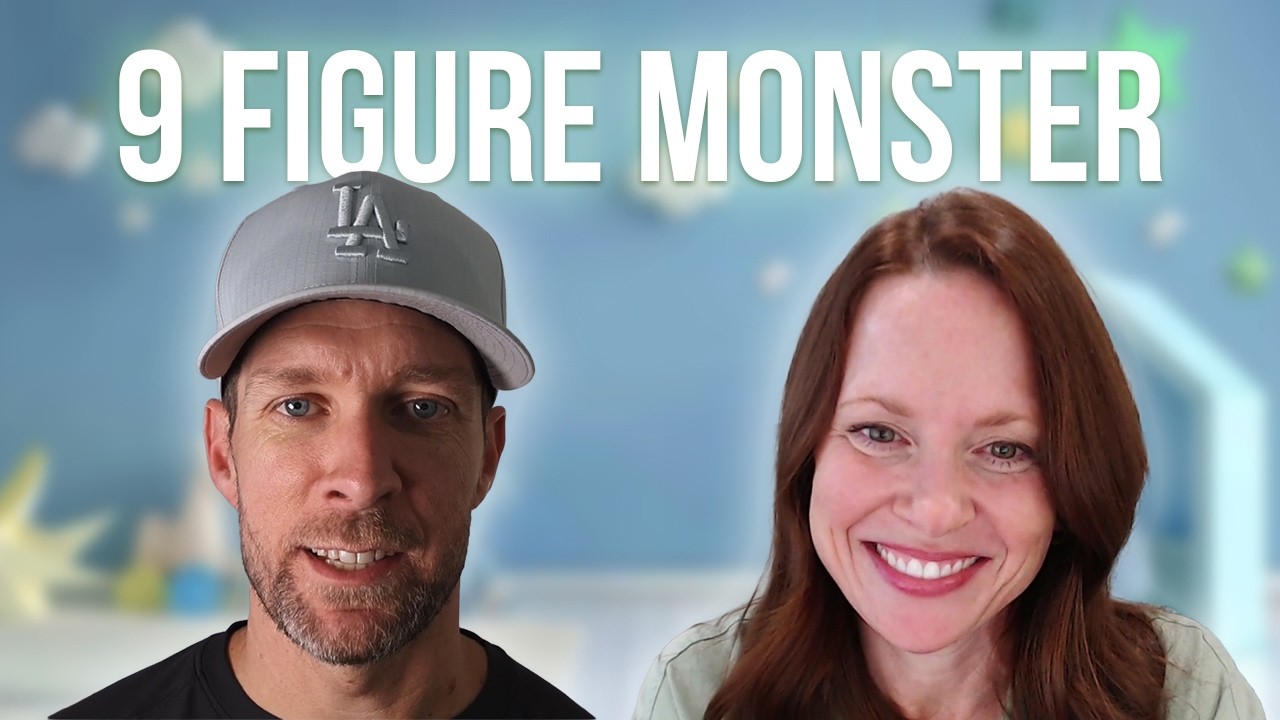
The Andrew Faris Podcast · @andrewfarispodcast
Words
12,908
Runtime
1:00:36
Speaking pace
213wpm
Reading time
54min
213 words per minute, above the 201 75th percentile of 349 measured videos. That distribution comes from the 349-video hook study.
Opening (first 30 seconds)
Katie Mamary is the CEO and founder of Kaden Lane, a monster ninef figureure baby apparel goods, gifts brand. They sell a lot of things for babies is the point. Um, hey, there's a baby right there in the background of my house. Um, and uh, and Katie is uh is awesome. She is building a really great company. She's doing it with a whole lot of candidness about what she has learned along the way. And you have a lot to learn from her. Like so many of the people I've been most interested in talking to recently on this show. She did not blitz scale
107 words, the words spoken in the first 30 seconds at 213 words per minute.
Free, no signup. See how the first 30 seconds hold attention, with rewrites.
Sentence shape
| Measure | This transcript |
|---|---|
| Sentences | 942 |
| Average words per sentence | 13.7 |
| Longest sentence | 159 words |
| Questions asked | 94 |
| Sentences containing a number | 57 |
Most used terms
Filler phrases
752 in total: like 359 · um 100 · uh 78 · you know 59 · actually 41 · right? 37 · I mean 28 · kind of 25 · literally 11 · sort of 9 · basically 5.
A literal whole-word count of the same phrase list the Prepublish browser extension uses, so a phrase inside another word is not counted and a phrase used in its ordinary sense still is. It is a count and not a judgement.
Free, no account. See where attention is likely to drop, with a rewrite for each weak line. The free check shows the scores and the one issue costing the most. Or run it on the words above first.
Free · No login · See a sample audit first if you prefer.
What this transcript is
Every word below is the caption track YouTube publishes for this video, pulled from the video itself and reproduced unchanged. It is not Prepublish's writing, not a summary, and not a re-transcription: it is the video's own published captions. English captions, generated automatically by YouTube, in the video’s original language. Source: the video on YouTube. A channel that would rather this page did not exist can ask for its removal through the contact page, and it is removed.
No Script X-ray for this video: YouTube shows a Most replayed graph only once a video has enough views.
Katie Mamary is the CEO and founder of Kaden Lane, a monster ninef figureure baby apparel goods, gifts brand. They sell a lot of things for babies is the point. Um, hey, there's a baby right there in the background of my house. Um, and uh, and Katie is uh is awesome. She is building a really great company. She's doing it with a whole lot of candidness about what she has learned along the way. And you have a lot to learn from her.
Like so many of the people I've been most interested in talking to recently on this show. She did not blitz scale to $100 million last year. Uh she has been building this company for 20 years and has learned a lot in the process. You're going to learn a lot from Katie Mary. We're going to talk a lot I think about product in this episode and about uh sourcing, launching, designing, doing a great job at the level of product in a business like this.
That is everything. And so we're going to talk about it. Let's not delay it anymore. Katie Mary from Kaden Lane. Hello, Katie. Did I properly say what you guys sell in the intro? >> Uh, yeah. I mean, you stumbled a little bit, but the baby screaming in the background made it really real. That was awesome. >> I know. It's perfect timing. That's actually not even my baby. That's a baby that my wife watches once a week as a friend of ours baby.
So, >> you rent babies? Like, why would you do that? And yeah, that's insane. >> Yeah, we have a three-year-old and a 5-year-old. Well, I don't do it, first of all, and I I will take no credit for it. My wife does. Um, but yeah, a couple from our our church that we're real good friends with who who need one day of of help per week and we're very happy to do it because we love their baby. So, she's awesome. So, yeah. I mean, and again, I'm saying we my wife is very happy to do it.
Uh, and because she's a champ. Okay, Katie. Um, I I'm really excited to talk about this. I I want to go all the way back to the beginning to start. Why did you start Ken L in I almost said 1995 in 2005. >> You are really trying to date me. So before we even started recording this podcast everybody, he confirmed how long the business has been running and I said 20 years. And he goes, "Oh, so you started it in 1995 and like can't do subtraction." >> Yeah.
Do I look like I started? >> I could have started it. I would have been in high school right in the mid 90s. So I could have. But >> no, Andrew 20. So 2004 actually is when I started. So we really just celebrated our 21st birthday. We're like the um Oh god, we're like the longest overnight success ever. >> I I mean I I really love that. Like this is like really a thing I've been thinking so much about recently. I I have this little theory right now that a lot of like uh DTOC growth content and meta ads content and stuff like that is is like the is like a hidden or disguised like get-rich quick scheme.
That's like that so many people talk about this idea. I had this ad and it popped off and it this is how you got to do it to grow your spend 300% or whatever it is. you know, we got the $50 million in a year, too. And like I believe I mean those stories some of those stories are people I know and like they're they're real. Uh but they're just >> they all have what's called they all have hero products and I'm like what is this hero product you speak of?
So [laughter] you did all that revenue off of one skew and they're like yeah but oh my gosh I would love to have product expansion. And I'm like hey I have like 6,000 product SKs I have to pitch at any given time on Meta. I would die to have one hero product. So, the grass is not ever greener. Like, I will say that. Like, >> right. >> Yeah. Well, it's funny though because you say, you know, the 20-y year overnight success story, but it's like and I really just I'm convinced that like we got to like I'm I'm actually going to start even hunting down entrepreneurs who I think are doing a great job with us to put them on feature their stories a little bit more because, you know, it's just like I love talking about >> Yeah.
Well, I love talking about a nine figure success story, but I love framing it as a 20-year nine figure success story because you can grow a big business and I like the ambition. I think it's great. It's just uh I just think the expectation should be reasonable. So, go go back to the go back to that. Why did you start it and how did how did it get going? >> Well, and and also to that point, I'll tell you like >> in 21 years I've lost count how many times I've redefined the business, right?
It's always been Kaden Lane. >> Always. But our product assortment, our go-to market strategy, like everything has changed so many times and in really big ways. And not because we wanted to, it was really because it was a force, right? That if we wanted to keep going and growing, then u we had to embrace change. So um but I started it right out of college and the honest answer is I just wanted to be my own boss. I wanted to run a company and I thought it'd be really cool to have a product that could be sold anywhere.
I did not have an epiphany of some like amazing product. Um, and I had always worked in the like children's industry and so that and I love babies and that was just natural to me. My friends were having babies. I was in the cat age category and um and so I started Kaden Lane and then got pregnant my first year. So >> perfect customer. >> Yeah. both in the hardest thing and I bet in some ways in some ways I'm sure that was the best thing for the business in terms of your experience of the journey and all that stuff. >> Oh my gosh.
Well, this was like prior to ecom. So I was a and our first product was diaper bags. So I was the pregnant girl, you know, at market in New York selling diaper bags. Yeah. Turns out it was brilliant. Like they believe pregnant people that this is exactly what we want, you know. >> Yeah. >> So it was and I actually had to go door to door my first orders. I mean like it's old school. I did it the old we had we Nordstrom would fax orders to us.
Facts. Yeah. >> That's unbelievable, >> you know. >> Uh tell me about So let's talk about like in a 20- year journey, you can't hit like everything, but tell me tell me about the the big inflection points. So probably part of it was like, you know, you just mentioned Nordstrom and stuff like that, but like what are the what are the couple of were there big moments that sort of like were unlocks along the way that stand out to you as you look back on that journey?
Oh, absolutely. So, so when we started off, we were just a wholesale, you know, traditional wholesale model. So, our goal was to sell to brickandmortar and, you know, large shops like Nordstrom, Bye-Bye Baby was around back then. Uh, and e-commerce was just starting up. So, we had a lot of large kind of drop ship online accounts and we I did that for 10 years. Um, and very successfully. I thought I thought I was crushing it.
We were doing right like 5 to 10 million in sales. I was like, "Oh my god, I'm living the dream." Like, "This is, you know, we're so big." But, um, we we managed through the 2008 2009 financial crisis. That was I spent a lot of nights crying in the bathtub with a bottle, not a glass, bottle of wine. [laughter] And yeah, I mean, I remember just in tears saying, "This is it." Like that my company's over. I'm not going to make it anymore. like you know it just it was it had its ups and downs more than I can count and more you know this podcast isn't long enough to tell you all the stories of it but >> I'm sure I'm sure >> towards the end of my first 10 years which I feel like is it feels like a marriage to me right like my it's like my relationship with my company is very complicated because sometimes I love it sometimes it exhausts me sometimes I want to punch it in the face >> like all the things and I I started to get burned out um around year probably eight.
Um and I started that was when e-commerce was really exploding and I I felt like my company was dependent on these buyers um that would come to market and decide what was popular or not. And I I knew that we could be bigger. I felt like I had a really good pulse on my um customer and which was a young mom, you know, having her first baby, even the grandma's. Um, we had a brick-and-mortar store at the time and I made a decision in 2016 to completely close down our wholesale um, like side of our business and we opened up our first Shopify store and we sent an email out uh, on December 31st and of 2016 and it literally said, "Thank you so much for your business.
We appreciate all your time. We are closing down wholesale and uh, going and leaning into e-commerce." And over those years, which I know we're gonna talk about product a little, which I love because truly like Caden Lane started as a diaper bag company. And the first year we evolved into crib bedding. Um, so this was back before like the product safety commission was saying that like all the stuff in cribs kills babies.
Like we would put pillows and blankets >> all the things. Now it's like sheet, that's it. Um but we were we had a very large um uh cripetting business and when after 2009 when stores were really struggling with expensive products they were begging us for gifty items and that was when we really first started to transition from our high AOV products into smaller lower giftable items. Um, and then when we launched our website, we that was the first time really we went into apparel and we were manufacturing in the US at the time.
Um, and we leaned into like newborn outfits and personalized swaddles and baby shower gifts like bibs and burps and hooded towels. Um, and slowly our diaper bags had already been discontinued completely and our bidding our bedding was starting to just trickle out. So we've as a brand we've evolved in products so many times. It's crazy. And we actually just had a full circle last year and launched diaper bags again, which was amazing. >> A really Yeah.
Great. It went great. Yeah. Well, so and now it's like perspective. So now when we launch a new product, like if it doesn't do like 10 million in a month, we're or not a month, a quarter. We're like maybe this isn't worth it. And I have to stop myself and be like, no, this is a really great product. It's just not as high of volume as maybe something else. So, um, product expansion is like our favorite thing to do. That's that's the most fun thing, uh, in our industry for sure. >> You know, when I when I look at Kaden Lane's store, my mentality is like, >> are you overwhelmed >> is like, well, yes, but also it's what it should be.
Like, it's what it's what in your it's what in your what in your space a nine figure brand looks like. Um, and so, but the thing that occurred to me is that you didn't go from diaper bags to 6,000 SKs overnight. >> And, um, and I I think there's a there's just a lot of conversation. I was actually just talking with my my business partner just like this morning about >> this notion that different brands have different kind of growth pathways and strategies, right?
If you're a supplement brand, then it's just all about hammer the funnel into oblivion and make sure your LTV is good and deploy absolutely as many marketing dollars as you possibly can and then ride the LTV to to giant revenue numbers. Right. Great. That's >> true. I didn't even know what LTV was until like 2021. >> Yeah, sure. I mean, nobody did. I was making content in 2016 or something like that about like here's how you define what your CPA is, you know, and it was like nobody knew anything.
It's actually one of I say this all the It's one of the reasons I'm bullish on e-commerce is like the industry is just so much smarter than it was when I started. It's not even close. >> I can't even keep up with it. Yeah. >> Yeah. Oh, yeah. Yeah. >> And every year I put a new special word. Like right now the word of the year, it kind of it feels like like a Sesame Street episode, but it's on Twitter and then and this year's word of the year is incrementality. >> It sure is.
Yeah. Sure is. Yeah. Sponsored by the number nine for nine figures in revenue. Yeah, in a business like yours, the reason I'm also not overwhelmed is that is the muscle you have to build. You have to figure out how to launch product and to get it in front of your customers and to do product expansion and enter new categories and once you enter the category then keep nourishing the category and all those kinds of things.
That's that is the only way in your space. You're not going to make a better ad that's going to make it so that your diaper bag goes from a million to 100 million, right? Like it's just there's just going to be some kind of limit on that. think I don't know maybe there's some you know I have a really good story about that go ahead please which I think is something that is that will resonate with a lot of people so when we switched to uh e-commerce only and that's when we saw rapid growth so it's really been since like 2017 that we've had the massive amounts of growth and and that was starting back at zero so that our first year online on Shopify we did a million dollars and that was spending zero dollars on marketing so that was pure just like brand people just googling Kaden Lane, right, and coming to our website. >> Um, but the product assortment we had when we launched it was all about the newborn first photo. >> So, like our hero product at the time were little not gowns, like they're just like sacks that you put on a newborn.
Yeah. >> And a personalized swaddle and a name sign. It was it was everything that was in their first photo, which I'm sure your wife did, of your babies, too, at the hospital. And we grew to probably close to 30 million just on those on newborn products. >> And what I didn't know and I and truly when I tell you I didn't know this like I didn't re I thought we were just crushing it with those products. I was like oh my god like yes this is it.
Like everybody every newborn is going to have Kaden Lane in their first baby photo. And then like an epiphany, I was like, "Wait, I'm literally handing these customers to my competitors that are doing larger sizes because all I had was something to sell to somebody that had a newborn." Yeah. >> And so that was really, you know, our first kind of taste of product expansion online. We had already gone through different products as needed or like even what the market demanded, I think, is what was really driving our product. um decision- making like in the first 10 years, but then after that and the way we think about it now is what does the roadmap of our customer look like?
Like what else is she buying and how can we lean into her on that? And that alone is what drives most of our product expansion is okay as baby grows, like when it's a newborn, what do they wear when they're 12 months old? What do they transition into when they're two and three? >> You know, how does the family think about baby shower gifts? Like what are new moms gifting? what are grandmas buying for their grandbabies?
Um, yeah. And that but yeah, and so literally being able to understand >> what the LTV it was of my um customer and trying to fill those holes with products tripled our LTV like within a year. >> Sure. Of course. Of course. Cuz the baby's going to grow and there's going to need to be within a year. Within a year, tripled that. >> Yeah. >> Wow. That's insanity. If you want your supply chain to work better, and you do, then you should be talking to my friends at Move Supply Chain.
Move Supply Chain is a supply chain agency, just like AJF Growth is a, you know, growth agency, meta ads agency, whatever you want to call us. Uh, Move Supply Chain is a supply chain agency, but wonderfully, they are based in the Philippines, and there are all kinds of reasons that is a huge advantage for you. First of all, they were built on the back of US-based e-commerce businesses. Like literally came out of running supply chains and US-based e-commerce businesses from the Philippines.
They really understand the space. They've been in a lot of different supply chains. They understand. But secondly, that means it's affordable because uh your money goes so far getting really high quality Filipino talent and they [music] um have great talent with deep supply chain resumes. They understand what to do. But third, and this is the thing that I think is really underrated is that they are in East Asia in the Philippines, Southeast Asia, and therefore getting to China or Vietnam is like an hour and a half flight with no visa issues, etc.
Uh because they are right there in the Philippines. That means like in the last week I was talking to my friend Laura Gavaro who you've heard on this show who leads Move Supply Chain and she was headed to Canton Fair to go just meet with vendors including the vendor for my brand because move Supply Chain [music] built the supply chain for the brand that I'm starting. They're just great. You put all that together and here's what they can do for you. they can >> [music] >> um take on for you the optimization of your supply chain around every part of the business where [music] it matters, which includes things like negotiating vendor terms, finding new manufacturers, new product development, and how to source and sample with new manufacturers um and and for new products.
They can help you think about uh lowering yourQs, negotiate pricing, all the things that will make your business run more efficiently and smoothly. They will they will help you think through where the biggest opportunities are for your supply chain. If you're running an e-commerce business that [music] is like less than $20 million in revenue, I just bet there are huge inefficiencies that move supply chain can help you with and they can do it at an affordable [music] price and that is the reason you should at least get on the phone with them.
So go to moveupplychain.com movesupplychain.com get on a call, talk to them about what your needs are, what you're looking for, get them thinking about your brand and see if there's an opportunity there for them to help you with your supply chain. They're great. I love them. moveupplychain.com because important to repeat in that story is that the path to your LTV growth was not like a better email, you know, or like more email sends.
That stuff is valuable. I I like tactics, but this is again this is sort of part of why I wanted to have you on was like this this notion of like finding what your customer cares about and thinking about product. So when you did that and maybe even still when you guys release product, how are you thinking about not just this customer needs product when their baby turns one year old or whatever and and they get older, but like what is the right product for that baby?
Are you guys do you guys have any kind of a product testing on release kind of plan or is there a research process like just talk to me through product development and product release from that sort of like find the right fit angle. >> Well, okay. So, that's a great point. So, like we do a lot of pajamas and we didn't invent pajamas, right? And we do bamboo pajamas which is everywhere. There's a thousand brands that do the exact same thing.
So, what is going to differentiate us from them? And there is a couple of things that we really do lean into like we try to make sure that our brand quality is there and that it is uh what I guess people expect when they get Caden Lane. I mean I've for sure you know actually my product team is constantly buying like the cheap stuff on Amazon or competitors just to make sure that we're really thinking of every little thing.
But we didn't invent the wheel. Like there's no IP behind our product. There's no patents behind our product. It's truly just keeping our customer in mind and what she needs. Um, you know, even before really bamboo pajamas existed, the thing with children's pajamas is they have to be extremely tight fitting because they have to be either that or use chemicals to be fire retardant basically. And it's always been a struggle for moms to put pajamas on their kids' heads and arms and legs because if you have fat kids like I did, it was like squeezing right like biscuits and back into the like >> it wasn't going to happen. >> And so the you know using this bamboo fabric gave us the ability to one that you know it was it's better for their skin.
It had all these different attributes to it that made it very marketable but it also made it a better product. And I think that we've always been very print driven, our company, um, which we can be. So, we're a baby company and we sell baby products, but we're actually selling to the moms. Like, no two-year-old is on their iPhone picking out what pajama. >> Hopefully, hopefully not. >> Yeah. [laughter] >> Yeah. >> Yeah.
So, so it's a little bit complicated uh in our industry because we're actually like selling baby products, but to the mom who's making the decision, but the baby's wearing it. So the baby has to sleep better in it. The baby has to enjoy it, right? And all the things. So um and then gifting is a huge part of our business too, which is is very different than like running a CPG brand, right? Where you're using it, you're consuming it.
Um and and you know, tracking customer life of gifting is hard, too. So there's all I've really complicated my life and my brand. [laughter] >> It's the only way. >> You know what else is really cool about having multi-products? I think for a brand to me feels like a safety net is that if something rises really fast and it's very trendy, your whole company is based on that and I feel like I've got a couple different product categories that if all of a sudden, right, people were like, I don't want to buy swimsuits for my kids anymore.
It's okay because we have different kind of like arms of our brand that we can continue to grow. Um, I mean, who knows? If I had just always stuck with newborn and not expanded into different product categories, I'm not sure I would have continued to grow to our size. >> Yeah. >> Yeah. No, I'm sure you wouldn't have. Yeah. I think that's super interesting. Is um And then do you guys have any process for like when you launch new product um sort of a uh Well, actually I have a number of questions.
So, first of all, let me ask what is the timeline from idea to product release for Caden Lane? >> We're so fast. [laughter] >> Okay. really okay this is okay I'm very interested in this >> yeah so I would say from ideiation to actually like launching on our website 4 months max >> that's very fast is okay uh what about >> used to be faster but but my basically my CFO is a process she's obsessed with process and so now we use actually air table to do all of our launches we do two launches a week >> um so we'll launch yeah massive amounts like that's we love that we we love to complicate our lives.
But yeah, so process slowed us down a bit, but I still think we're faster to market than anybody else. >> Oh, that's that's ridiculously fast. Is um so okay, so let's talk about that a little bit. How did you uh how did you get that fast? So um was this so one of my questions like was that a goal to to make that turnaround time as fast as possible? I assume so if it's that quick. >> Yeah. Well, yes. I I think early on we were always watching the trends very closely and so we it gave us a huge advantage to beat to market like beat target baby or right like Carter maybe. >> Oh yeah. >> Um because we could take a high trend and get it to market faster.
That always has worked to our advantage. I also like to think of it as kind of we're doing the trend setting instead of following the trend. >> Yeah. Especially now for sure. >> Yeah. And you have to be quick. You don't ever want to be the last one to be doing the color that's popular or the print that's popular or or whatever. Uh but also speech market. Yeah. I mean it's my senior product designer has been with me for eight years.
She's amazing. She's like worked side by side with me forever. And one thing we're really good at is we don't overthink things. Like >> we're constantly using the analogy of throwing spaghetti at the wall. And so we'll source out multiple different products all the way down to sampling them. We have our whole product design like section in our office is a disaster. It looks like a garage. It looks like we're hoarders.
It's terrible. But we don't fall in love with an idea, right? Like we chase it down, get it all the way to it. >> Uh eventually, truthfully, what keeps a product in the road map is us then going into, okay, this is a great product. How can we market it? >> Yeah. >> Because since we're online, right, like we've got to think about content. We're a we are a a really great marketing agency that happens to sell really cute baby products.
And so a lot of times it's okay well what what's the story? What problem are we solving with this? Like how do we differentiate ourselves from the competitors? And does this photograph well right? Like so if you ever um sometimes I'll go to market with our store and we buy a lot of like seasonal apparel just for the brick-andmortar store and these lines will say well let me show you the photo the lookbook. let me show you what what the outfit looks like on a child.
And I'm like, nope. If it doesn't look good on the hanger, I don't want it because the customer that comes into the store, right, that's the experience they're going to have. >> And so, I think there's a lot of products that probably work better in person or need extra handholding and we try to go with the products that are going to sell themselves on the PDP. Does that make sense? >> Oh, it makes so much sense. Um, okay.
You guys are big enough to where you actually might not be able to answer all these questions at this point because now there's other people working on these problems. So, um, but I'm gonna try. We're gonna try anyway. >> I'm in the weeds. >> Okay, great. Okay. All right. Okay. Great. Okay. Fantastic. So, um, so I actually want to break down that fourmonth process a little bit. I want to I want to dive into it. So, let's I actually start want to start with the trend identification thing. >> So, is there somebody whose job it is to identify trends?
And if so, how do they do it? >> My entire marketing uh team is constantly identifying trends. We have a Slack channel that anybody can contribute to. that's just like this is cute stuff we've seen or whatever. Um, one thing we really watch for trends for us is the wedding industry, which is kind of funny. I think it's, you know, I'm sure you remember your wife obsessing over her wedding and then probably a year or two later she was pregnant.
So, we do find that >> 10 years later, but yeah, >> 10 Okay, maybe. So, maybe the wedding weren't quite mimicking. >> A little different. Yeah. Yeah. >> Um, but we're just constantly >> But this I see what you're saying though. This makes a lot of sense that essentially like we got married really young too. So, but the um but this makes sense. So, so basically because the wedding is going to be the leading indicator on the trend and like colors and things like that and on the assumption >> that those wedding colors are telling you something about what all the new young moms are going to have because that's who's getting married. >> Uh yeah, that makes tons of sense.
That's really clever. >> And I think it can even trickle into like large products. like if you're a, you know, toaster brand, you should be paying attention to how people are decorating their homes and what the color aesthetics are, right, that are going into it. So, it's not just fashion. I think keeping an eye on the industry and a whole and what influences it uh is an important part. But to answer your question about who's responsible for it, I think we all are.
Um, I still have my hands in product. Like if I could literally come to work and the only thing I worked on >> Yeah. >> it would be product and maybe and and I would log into my my Meta account. I'd log into ads manager and check that too. But those two things >> you know what's so funny about that? I had Roman Roman Khan on a while back. Do you know Roman? >> Yeah. You know what what he told me, right? He's like one of the most successful people I've ever talked to in our space.
He's unbelievable. and and a great dude and Roman said that that you know basically there's two areas that his organization is amazing at and it's supply chain and uh and paid uh acquisition and >> he he says the reason for that is really simple the reason we've developed all that which is that they're the two biggest line items of my P&L. So if all of my money is going towards those things, which essentially is what you're saying, right?
Product and your meta accounting. Yeah. >> Yeah. That's like where all your money is going. So you should be freaking great at them. And you as the CEO should understand what's happening in those parts of your business because that's where all the money is. >> Absolutely. Yeah. And it's the most fun part, right? Like >> Yeah. Yeah. >> If I came to work every day, right, and it was the same thing all day every day, I'd get bored. >> I just would like it'd be nice every once in a while, but for the most part, um that's the exciting part.
That's not why you're That's not why you started a company. >> No. Yeah. But it is great now. I definitely get to scratch my creative itch, right? Like all the time. But but yeah, so as far as like coming up with trends and even new product ideas, it it's a I would say it's a team effort. I mean it's my product team is really amazing. Uh and I've >> How big is it? >> Uh four people. >> Okay. And then let's say they let's say you identified the trend. >> Yeah. >> Um how long to design the product?
I mean, usually it's pretty fast, but we're talking um like are you talking all the way until we get like a sample in office? >> I'm thinking the the the thing you send to get the sample. So, so that's what I'm interested in before you actually get the sample, the actual design that goes to your your >> I would say sometimes we come up with ideas on Monday and we have it completely speced out and sent to manufacturers on Friday. >> Yeah, I would figure it' be that fast on a fourmonth timeline.
And and you guys also have been doing this for a while and it's you know if you're in categories that you probably know like you've got real muscles built on these things >> categories like just print expansion right expansion on product types that we already have we do that in our sleep. Yeah. And like we've already got planned out through Fourth of July next year. So that's right like but when we were smaller it was not like that Andrew.
Now it's a welloiled machine that is super organized and has triggers and air table and steps and everybody has their responsibilities and it's like this we are we pump out new product like crazy and it's amazing. But when we were smaller, it was just a, "Hey, did you send off that email?" copying people on emails, making sure we kept >> communication up with our manufacturers, >> literally like taking samples home and WhatsAppapping our manufacturer at night because they're right in China >> and going through photos sometimes approving things through photos because we're trying to hit deadlines and >> like maybe they can't get the product to us fast enough or the sample or we're color coding and so yeah, I mean it was only now is it super organized, but I think back then we we didn't let decision making us either, right?
Like we didn't overthink any of it. It was very much does everyone love this or do they not? And if they didn't, we cut it, no hurt feelings, uh, and move on. >> I'm glad you said that about sort of the earlier stage of it, but the the reason that I want to I'm curious to pick apart the process as it exists today is not because I think most people are going to have four people on their product team who can do this. Like most people listening to this are going to have like an eight figureure business is still a big business, right?
Or it's them, the CEO doing it. Yeah. But I want people to to have an idea of what excellence looks like and how to get there because >> because you're not going to build that overnight. You're not going to. But you but if you can start to build towards it, it is it is such like especially again if you're in apparel, if you're in homeg goods, if you're in anything fashion, if you're anything like this that has this kind of element of um we are moving the forward the business forward by adding products, releasing products whether it's new designs of existing products or actually entering new categories or whatever it is. >> Yeah. >> Like you just have to get great. and like simple modern like totally different space right but it's the same game basically like how do you at it yeah >> he's awesome at it yeah and and and so I mean anybody where that is the model of growth is adding products and existing line needs to hear you talk about what this what this exists >> what our process now looks like okay so >> yeah I think so because because they're not going to get there overnight but they may be able to pick apart little parts of it so so from there so then you go sample right I assume so you send it off you get sampled how long till you get a sample back like it's and I'm and I'm actually curious to hear you talk about your relationship with your supplier At this point you guys are pretty big so I imagine you guys are relationship and with multiple suppliers.
I would say we work with probably 10 of our largest skew like volume probably 10 different manufacturers and some of them are duplicates like creating the same product. Right. So just it it helps us create redundancy. >> Yeah. Right. If we have maybe a huge holiday PO, but we're we see a trend coming and we want to rush something to market um then we'll we have the ability to go to different manufacturers and we have our own production lines through them.
So that does help, right? So the bigger you get, the more um power you have in negotiating with manufacturers for sure. Um, and then once we get our final sample, sometimes we'll place our PO before we even have the sample prototype. And actually placing the PO is our trigger for what we call a product launch waterfall. And we use air table for it. That's our project management system. And so this so when a product sample comes back and product team sees it, we approve it.
And I'm talking about new product type. So, not not expansion, like not a new color of a footy or a new color of a romper. Those were just constantly sending new POS goes into our launch waterfall, which I'll talk about in a second, but like an actual new product type, like when we launch diaper bags. Um, we we get it back. Sometimes it goes back and forth. We've learned early on the more details you can give at the very beginning, the better, >> right?
And you're kind of like I think as product designers we're what we want to be able to do is say we want to make this and then we kind of we hope the factory can just read our mind. No, definitely not. We don't know who's doing it if they've got right if they're a parent if it's a guy or a girl. I mean we try to make sure that our specs are as good as possible. Fun little fact we've never used CAD and CAD drawings. Yeah.
We're like ghetto. We we just band-aid everything. It's amazing. >> So funny. Yeah. But also things don't need to be that complicated. You don't need a whole set of CAD drawings to launch a pro. No, you don't. Draw it on a piece of paper. Scan it over. Have as many reference photos as you can, as many measurements as you can. Like the more information you give them, the better. >> Ask for timelines. So, we always we don't just send things and go, "We want samples on this." We hold them to to timelines.
So, we'll say, "We want to be [clears throat] able to see this. Can you ship this by Friday?" right? Like we need samples sewn out these sizes, you know, XYZ. Um, working with new manufacturers sometimes takes longer. So, we try to keep new product types with current manufacturers and and we've done so successfully just because you have a manufacturer that's making hats. Don't assume they don't know how to make t-shirts, right?
Like they definitely have product um depth with that. Um, and then once we get the final sample back in our office and we kind of give everything, sometimes it's not even perfect. Sometimes it's like, well, we want to change the zipper location on this or we want to change the neckline or we want to change the color. Um, but we want to get the PO place so that it's like in line, right? So that we've got a date in um in like a launch date in line.
Um, and then we put it into Air Table. And the way that we've structured Air Table is it then trickles down. So entering in a product launch into Air Table trickles to all the different areas of our company. So that's operations, it's customer service, it's fulfillment, it's ordering, it's marketing and email, social media. Everybody gets triggered that knows this product is coming down the pipeline. So and then it has certain dates.
So at any different point like usually we'll get photo samples. So like final samples that we actually use for product photography about a month after we place the PO and so create our creative team will have a trigger that gets sent to them where it has a whole creative brief what they've got a photograph lifestyle photos where it's going once they do that. They check their box off and then it and then it goes out to the different people the email social.
It's really cool. Like had I had this 10 years ago, I think my life would have been a lot easier because before we were just >> like writing them down on a piece of paper. >> But now it's so automated and there's probably and actually there is ways a little Twitter thing for you. We've added AI to it. It's >> nice. >> Yeah, I know. So, uh and it's helped us um it's helped us a lot too. But yeah, all the way down to when a product is launching, it sends out a notification to everybody in the company so that there's no miscommunication because I can't tell you how hard it is when you're launching that many new products. >> Somebody is missing it, right?
Or you forget, oh, I forgot to tell so and so or ops needs to know or finance needs to know this is happening. >> Yeah, there's so there's a source of truth for them to go find the information that they need all the way down the customer service and and all that stuff. Multiple of my clients are using rich panel as the customer service help desk software for their uh for their brands and you should be using it too. Let me give you two reasons why that are very very simple.
The first is that on average Rich Panel customers see their customer [music] service uh tickets go down by 30% when people switch to Rich Panel. There's a simple reason for that, which is that Rich Panel's customer >> [music] >> uh customers self-help uh portal for your customers to get answers to the questions they need without even contacting your customer service team is so good. And so it helps customers get answers to their questions very quickly, very easily, powered by AI.
Uh everything is powered by AI, Rich Panel. It's an AI first company built from the ground up with AI. And that makes your customer service uh tickets go down, makes it easier for you to run a little bit leaner. On top of that, it gives your customers the best experience possible as they answer their questions quickly and easily. Secondly, on average or not just on average, rich panel guarantees that they will save you 30% on your customer service software uh help desk software bill if you switch from gorgeous to zenesk.
So um so your customers are going to have a better experience by the way like the customer uh ratings on customer service experiences led by rich panel are extremely high like the star ratings they give to your to teams. Uh and on top of that the the the rich panel is going to save you money. And you put all that together, if your customer is having a better experience, it's saving you money. Uh, just on the bill itself, it's also making it so that you have a leaner team.
Uh, man, there's just no reason not to do it. Well, there could be one reason, which is that it takes forever to switch and the juice isn't worth the squeeze. And except that is not actually a reason. Rich Panel also guarantees that you can get switched over [music] from your old customer service help desk software to them in 2 weeks or less. They understand you don't have tons of time to waste on this. They've made the onboarding process smooth and easy. put it all together and as you enter into 2026, this is the call you should be taking.
You should be thinking about um starting the year with a cost savings on your books right away. Go check it out. richpanel.com. Tell them that I sent you richpanel.com. You can get started with Rich Panel today. It can scale up with your business. Very large and very small businesses and everybody in between are using rich panel, including huge brands like Ridge and Loy and Pila. It can scale with you. Go check it out.
Richpanel.com. when you order, what's the turnaround time from ordering uh to getting sort of like in stock with whatever however much you order? >> Yeah. So, we I would say it's about two months between two and three months. >> Okay. Yeah. >> That's the longest part of it for you, right? So, you're saying if you can go from idea to to to product ready to go in four months, that means you that means you actually have to go from idea to uh to doing everything placing the order, etc. in like a month.
A month. >> Yeah. That's our timeline. So, usually it's a month for product discovery and like perfection >> and then it's a month in production >> and then it's a month on a slowboat from China. >> Yeah. Yeah. Yeah. Talk to me about uh your um >> your inventory ordering strategy. Like obviously especially, you know, if you have a new design of footies or something like that, right? Like you said, like that's that's probably pretty easy.
You probably have some guesswork where it's not too difficult. But of course, one of the challenges with a 6,000 SKU business is uh SKS that don't move and suck up your cash. So, talk to me about talk to me about um >> and we monitor that how you guys I'm sure you do. You can't get to the stage you've gotten to without doing it. You'll >> And it doesn't ever been I mean it's it has it's bitten us in the butt both ways, right?
Like we have for sure launched new product that sells out in days and we're like, "Oh god, >> dang it." >> Yeah. >> Yeah. But we've also launched product that we thought was gonna crush and it was like crickets. >> And you still have it 15 years later instead of sitting around. >> I know. I know. I know. I know. I know. I'm kidding. I'm kidding. >> You know why? Because we never over orderer. >> So we a lot of companies will place we place a PO every two weeks.
That's how tight. So we keep it very tight. We watch trends very closely and we move through inventory like crazy so that as much that's coming in is going right back out the door. And it it it's more work this way, but it does I think manage your cash flow better because if I had been doing this back when I was wholesale and I was taking store orders six months in advance, right? Then I would have to predict. I would know what the stores wanted, but then I'd have to assume that my behavior on my site and the actual like direct to consumer part, I would be making assumptions and I wouldn't have any ability to reorder on, you know, that one ad that goes crazy, right?
And that one print that just all of a sudden 10x's overnight. Um, yeah. The one thing we do do with that though is when we have products that come out and they're just like bangers, we put products into pre-order status. So, we actually let people pre-order it. >> Yep. >> Knowing that they're going to get it in two months or whatever, uh, and they wait. And we've we've AB tested it like crazy. We know what the conversion rate is on a pre-order versus an in stock item. >> But imagine it can work great.
I've Yeah. No, no. I've seen brands do this very very well. The people who hate it typically are like customer service people and >> stuff like that. It it creates all these like weird accounting things and and >> well or or POS come in and you're So we do our own fulfillment. So you can imagine like we'll have a PO come in and have 50,000 items. >> Exactly. >> And our fulfillment's like uh when do these need to go out by?
And we're like tomorrow. [laughter] So it does it can create backlogs in fulfillment for sure. But >> yeah, 3PL is customer service. That's who hates it. Or in your case, your your your fulfillment team. Yeah. Um but but I understand because it can really really really work. Like people some people are quite happy to to click that pre-order button and now you've just financed your inventory out in front. Exactly. >> Totally.
[laughter] And on a cash man, >> get all the cash. Yeah. >> Yeah. And it helps. And then and then you can kind of see what's Because you're right. Like if we're ordering a new print for a footy that's maybe it's like our Christmas print, we can look back at the last prior five years and kind of say, okay, last year we sold 2T was our highest volume. Um, right, like skew, but we know what our return customer rate is and we know those kids are going to be in a 3T this year.
So, we can kind of predict the size and skew movement on products that are just based off of prints or colors and also based off of trends. like we kind of know like how much do we sell in Fourth of July? How much do we sell in like a cowboy print like or football print or whatever and then when we're testing new concepts, we always pull back a little and we're more conservative because we don't want to be stuck with stale inventory that's aging, right?
Like we don't even want aging inventory past 90 days. I mean, we run very tight and I would recommend that to anybody. It's tempting, especially if you have a good month, to buy the inventory because you're like to you, if I have the inventory, I have it to sell, right? >> It's opportunity cost. Yeah. >> It's opportunity cost, but it can also turn against you so fast. >> So fast. Yep. >> Yeah. I It's so This is such an interesting conversation to me because it really does come down to so many different elements between risk tolerance, growth goals, cash on hand, ability to finance things, your turns with your vendor.
But um I've I've seen this go really really badly and really really awesome in every direction. So I'm actually one one friend of mine also in apparel. >> Yeah. >> Um precoid had um had like an inventory buyer on their team who um >> who was not very uh experienced and way overbought inventory on a certain skew. Way way overbought. And he's looking at it going like we have way too many. Right. And then co and then co hit >> and everybody else is sitting there out of inventory and he is just slinging these at the best khak he's ever had and it turned into this this giant backlog of inventory turned into this huge gift >> for them.
You know I just talked the other day the Popsmith guys who talked about like they were had seven months of inventory on hand very little cash and then they got on Oprah's favorite things and seven months of inventory went away in like a month. >> You're telling unicorn stories don't Yeah. Everybody, Andrew, Uber Unicorn stories. My advice is slow. Look, coming from somebody that's ran a business for 20 years, slow and steady wins the race. >> So, but this is the thing is that is that is that some people fetishize extremely fast inventory turn for cash purposes.
Yeah. >> And they do that because they they have this whole idea and then they end up missing real opportunities when in fact they should have just allocated a little more cash in case that moment came. especially on like your top products and stuff like that. Like there is this thing like there's this old story that I don't even think it was true about Gym Shark like you know having having this like crazy [snorts] fast you know like they had like negative uh 20 days or 90 days or whatever of cash flow like in the in a in a in the good way right like they were just fronting all the cash whatever the stories like this where where you know you have 180 day terms with your inventory with with your supplier whatever >> but the problem is you can actually miss moments and so I think what you actually said is is the actual real key to me which is it's not really about just inventory turn as necessarily.
It's about having reasonable goals where it's like you just become comfortable with the idea that you're going to miss some big moments and then you allocate enough dollars and a great process like you just described in detail to keep, you know, releasing product, releasing product. You know, if you are under ordered for this thing, you put it on pre-order and you're going to release the next product in two days. You said you release products twice a week.
Um and and it's going to be okay. you you're not going to maximize absolutely every moment you ever hit. But if you do that repeatedly, you're going to build a business over time that is like really really solid and really good and is generating plenty of cash and all those kinds of things. So to me that it's just like like I said like I've just seen the different stories. You are right. Those two stories are like crazy unicorn moments that I told but I do think >> moment but >> well but you're right.
You shouldn't build for it. But there's there's you're totally right. You're totally right. But the the point the point just being that like I think that so much of it to me is about the willingness to to do otherwise. One one more quick thing about this. I interviewed somebody the other day who um he said this thing that has really stuck in my head. He said all of my worst business decisions have come down to either greed or fear.
Um and I think in this case um uh greed is is actually is actually one of them where it's like there's this sense of like I have to go get the money. there's this opportunity and and I understand that whereas like that can power you or it can be like I'm afraid to ever take a risk and you can kind of go too far into either of those two categories and so instead like having a repeatable process that is trying not to fall prey to either of those but instead just saying like how do we win take the most good swings we can like feels like the right way.
So anyway that was a rant but go ahead. Yeah. And I'd say I probably lean more to the fear side because I do think we've had the opportunity. I I do think I could have grown faster and harder, right? Like at certain moments like when people say, "What do you regret?" And I'm like, "Oh gosh." I do think sometimes I regret not growing faster and harder. But what I >> uh Well, because it's hard, right? Like e-commerce is really hard. >> Yeah. >> Now, it was hard last year.
It's going to be hard next year. Mhm. >> It was a lot easier early on, but I would say most of my biggest opportunities missed were because I didn't know what I didn't know. >> You know what I mean? Like truly, I just I didn't know that we should be monitoring like an LTV of our customers that we were acquiring. I didn't know, right, that there's all these different ways. is I mean there's just I feel like in e-commerce we're learning so much and there's so much out there to educate us and I mean I didn't know it's I tell this story a lot.
I had a million dollar sales tax liability because I didn't know that you could hit nexus in 50 states that you did not have employees or physical presence in. Now, like that's I sound like I'm an idiot saying that out loud, but back then I didn't know that. I just we were growing like crazy and I was like, "Not my problem. All of our employees are in one state and this is where I think it >> Yeah. And so we had to go back and file and and pay back taxes in every single state." >> That's a huge costly mistake.
Um, but going through that process, I now know more about sales tax than anybody. [laughter] Yeah. >> Because I had to make spreadsheets to like chase down the entire thing. Um, and you're gonna I think people need to hear that you're going to make mistakes like >> Yeah. >> And that's how you grow as a company. like having your inventory planner over orderer something that it sucks and it's going to cost you money and you're going to have too much product, but it's going to give you the opportunity to sit down with them and explain to them what they did wrong.
You're going to see gaps in your own operations, right? Like me as a founder will go in and go, "Oh my god, like how did I just let this happen?" Right? Like why were there no checks and balances in system for this? Uh, and I I do think that every screw-up you have to look at as an opportunity to learn uh something new to make your business better. >> Yeah, >> I really think you're right about that. The there's uh there's there's a way um first of all, I've actually I've known another founder who made the exact same mistake.
So, >> a lot of people do. I know. >> Yeah. Right. Yeah. It's not actually a crazy mistake at all. Um but uh >> I for any state that's listening, I did go back and pay all of it. So, >> yeah. Don't don't come chase down Katie store. I swear to you. >> You got your money. You got your money. Yeah. >> Yeah. I made a million dollars. I'm good. >> Yeah. [laughter] >> I actually sometimes am nervous about this because I'm release two podcasts a week and tweet and stuff like that that like >> that the the net effect of that is that sometimes >> is that it'll just be like another voice telling you you have to you have to work harder, do better, like get everything right, and if you don't do that, then you're not good, you know. >> No, but that's not what it's not.
I I know I know it's not it's not the thing that I am actually saying to anybody. It's just that I know that there's so many voices doing these things and saying what to do all the time that it actually becomes so overwhelming and hard to sort through and it can and and if you sort of see all of these things and it can feel like >> at any given time that you are an idiot if you're doing it wrong. >> That's right. And if you're listening to podcast and you're on Twitter, it's only people telling you the good stories, right?
Like it's kind of like when you get on Instagram and you scroll through all your friends like from high school and everyone looks happily married. No, they're not. No, they're not. [laughter] Like it's >> I I like that analogy a lot actually. Everybody recognizes I've never heard anybody make that exact analogy. Everybody recognizes that's true like on Instagram. Yeah. But they don't they don't and they're always like ah we all know that's like the shiny picture about like your baby, you know, uh cracked through their diaper right before the right before that photo, you know, whatever.
And you're like, "Yeah." Everyone hates each other in your family Christmas picture and the husband was mad and the wife's furious and the kids are screaming and everyone's right. But in that one moment >> and they smile, right? Yeah. >> Yeah. In that one moment, you have that perfect smile. >> I promise you it is the exact same thing in running your business. And >> Okay, give me one. Give me a Give me a mistake recently, Katie.
Let's Let's break the mold. I'll give you one. You give me one, too. And you just told me the sales tax one. Give me Give me a good one recently that you learned something from. Mistake you made that you learned something from. You gave me the sales tax one. I'm gonna pitch you for one more and I'm think Okay, I got to pick a good one. Literally like we break things all the freaking time. >> Like even if as a really well-run business like with >> Yeah. >> You know, um Okay, let me think of a really good uh screw up.
There's a lot. [laughter] >> Yeah. >> Um we've had So, this isn't super recent. Um but we have had because we've been talking about product. We have had product where we actually had a PO and the entire we placed the PO, we went through the whole thing. We received the entire PO and the print the entire print was upside down. Like yeah, [laughter] literally upside down. And we all looked at each other and we were like, "Oh my god, what do we do?" Well, we and we had been placing I think we had been taking pre-orders on it. >> Yeah. >> We shipped it.
[clears throat] Do >> you know we did not have a single customer return the upside down print? >> Not that is amazing. That is so good. >> So, and it's it's like when stuff like Oh, and I can tell you another one. You want this one? I told it. Well, you know, I told her at ECF. >> This just happened, too. Christmas is huge for us. Like Kaden Lane is known for matching family Christmas pajamas, right? >> And we launched them mid August.
Well, like literally two weeks after our launch, one of our shippers comes into my uh director of operations office and says, "We have a problem." And she and I was actually out of town the day this happened. I was in Austin teaching um a class at the University of Texas and my CFO was with me and she didn't even tell me it at the time. So, this shipper that just happened to stop what they were doing and they noticed that our competitor's tag was on our pajamas.
So, one of our factories, holy cow, >> who probably runs the same line of production for a different Yep. had taken the competitor's tag. >> So, you can imagine we had ordered a 100,000 units, right, of this one thing. >> Everyone, my my director of operations goes ghost white. They text my CFO. I'm in the middle of presenting at the university. And when I was done, she went to me and she's like, I have to tell you something.
And I was like, she goes, it's it's really bad. It's like really bad. And I was like, "What?" And she told it to me and I was like, "Well, yeah, that's kind of that sucks." [laughter] >> Yeah. Yeah. >> So, it turns out like they went down. Turns out it was just like >> You screamed at her and fired her on the spot. >> No. You know what? >> I'm kidding. I'm kidding. I'm kidding. happens. Like, I'm here to tell you that happens in business and if you can't roll with the punches, you're never gonna survive. >> Yeah. >> Because it truly happens.
Like, thank the god. Thank the Lord it was not as bad as we thought it was gonna be. It was just one box and you and we ripped a new one into our manufacturer. Like, >> yeah, of course. Of course. That's the person who yelled at. Yeah. I Yeah. I uh recently, a couple months ago made an error on a formula in a spreadsheet for a brand's forecast by which they managed their cash flow. And the cash was pretty tight. They were pushing it pretty hard on the gas.
And it was like a straight up formula error. I just hadn't checked closely enough. And when I fixed it, it showed like, oh, you're gonna like run out of cash in a c in like a month or two or something like that. >> And did you tell them or they caught it? >> Yeah. No, I No, I had I told them. Yeah. Yeah, for sure. >> Tailt, man. Were you Did you sleep that night? [laughter] >> Uh, yeah. You know why? Because I um I only work with clients who are reasonable people um and who who uh I you know uh So, >> but it's still But it's also it Yeah.
Oh, for sure. It It didn't feel good. It didn't feel good. I mean, I've had plenty of those moments, but I just learned that like you actually if you made them I mean they were going to be in the cash flow document at some point anyway. So like if they saw it change, they were going to like know. So it was like and it it like created a really big problem in in the business. And it was just like it was it's the kind of thing I pride myself in as being sort of like oriented around being financially literate and businesses and, you know, providing this great service. >> Do the math on a 20-year business.
[laughter] >> Hold on. I'm calling you out because you literally Somebody else. I couldn't subtract by 20. >> Started in 1995. >> The math's not math anymore. >> Working on people's spreadsheets. [laughter] >> Yeah. Yeah. That's why you have the formula do it because it gets it right every time. But apparently if you get formula >> unless the person entering in the formula does it wrong. >> Yeah. Yeah. It was really u >> you know what that reminds me of your point that you said and this is it's part of our work culture here and I guess for anyone listening I'd encourage them to tell this to their team too.
I I never want somebody on my team to be scared of telling me something that they messed up or did wrong. >> And so I always tell them, you will never be in trouble >> if you come and tell me that you messed up. But if I find out that you messed up and you didn't tell me, that's when I'm going to get really upset. And so and I h and I make a conscious effort. Like I actually my uh product designer came in here probably a month or two ago.
She was in tears and I was like, you know, my my stomach drops. I'm like, oh what? >> Something must have really gone wrong. Yeah, >> they she they had messed up a PO, left off sizes, like it was it was not good. And it was on a big launch. And I said, "Okay, that's okay. Thank you for telling me." I immediately asked her, "How do we fix this?" Because I do think it helps like with your team like as executives and the founders like usually like we like problem solving, right? like that's like our forte and I think that we naturally are just the problem solvers but we're not doing our teams any any advantage by not helping them how to figure out the problems too.
Yeah. >> And so we kind of worked through it and she was like well what if we do this and I can get this here this fast and >> and it was fine and it was a small hiccup. I mean did it cost us something at launch? Yes, probably. So >> in the long run >> she's probably never going to do it again, >> you know. >> Yeah, that's right. in the Yeah. And in the long run, having a teammate who will be honest with you and knows that you're not going to bite her head off if that happens is actually much more valuable.
Yes. Because you know why she's going to tell me when she messed up and she's also got the company's best interest at heart. And I want a team where they're all like they're not like, "Well, that's not my department, not my problem, right?" Like, we're all in this together. >> Ownership. Yep. >> Yeah. And I think that's the cool part about ecom, too. So, like maybe not on Twitter, they're not doing it, but I'm in several groups of like founders where we all share the bad and the good.
And man, that's the best part. Like, >> yeah, >> right. We're all human. >> We're all >> We're all screwing it up. >> People are making mistakes. Um, all right, Katie, any u any last things that are are just like you're super super hot on right now or you're just excited about like big thing, little thing, leadership thing, strategy thing, tactical thing, product thing, anything at all? I just like to ask people who are sort of running their business every day.
I know different little things kind of come and occupy your mind space at a time. You heard something somewhere. You saw something in your team. Anything that's just a last little nugget of that's top top of mind for you. And if the answer is no, then that's okay, too. But >> I mean, I'm excited. I am excited about all of it. I mean, we're recording this like weeks before Black Friday. So, my anxiety is at an all-time high right now.
Like, I already have anxiety over next Black Friday. Like [laughter] literally I'm like well if we hit these numbers then next year we have to hit these other numbers and so I'm you're the wrong you're asking the wrong person this question. Okay I am I'm super um excited about leadership. I mean I kind of just talked about a little bit. >> I have had we've invested a lot in our leadership team in the last year or two and including bringing in a coach and it has paid off.
I mean, I have watched some of my executives just grow like crazy. And these are people that started with me in hourly positions and are now running teams in my marketing department >> and it's been just it's been very rewarding for me and it's been a really big unlock for my team. So, I would say if you get the opportunity, I mean as easy as reading a book, but uh you know as founders I think we have a responsibility to help develop our teams too, especially if we're hiring young ones.
Yeah, >> I like that a lot. Um um Katie, thank you so much for taking time uh on this a few weeks before Black Friday. I know it's busy time. I really appreciate it a lot and this is a this is a great conversation. >> We learned so much. We learned that you can't do math. So >> never going to live that down. Yeah. >> No, I thought I thought you were supposed to destroy people for making a mistake. Katie, come on. >> I don't kidding.
I'm kidding. Make all the jokes you want. It's fine. I'm totally joking. It's fine. Okay. Thank you very much. If you need baby stuff, go to kadenlane.com cadn and go think about managing all those cues and how hard it would be. Um, and and how impressive of a thing that Katie has built is [music] built. Uh, uh, yeah, it's it's holiday time, Black Friday time. Go get some go get some baby goods. I asked Katie, is there anything you want to promote?
She's like, I'm not on Twitter. So, um, so just go to kadenlane.com and go buy something. That'd be a way to say thanks for um, her spending an hour of her time uh, talking with with you. Um, so [music] yeah. Uh if you would like to follow up with me, podcast at ajfgrowth.com is the place to do that. You can also go to afgrowth.com if you want to work with us and uh and see everything else that we are doing. Uh we're going to be opening up spots for new clients in the beginning of 2026 at some point.
Uh if you want to like talk about if you're the right fit for that, [music] you can do that. It'll be fairly selective, a smaller group, but um yeah, that's why getting the conversation going earlier is better. Big thanks to Move Supply Chain and to Rich Panel for sponsoring this episode. Big fan of both of them. [music] So go check them out. The links for everything is in the show notes. Thanks so much for watching.
The words are the caption track's own and nothing is reworded or re-transcribed. Paragraph breaks are placed between sentences so the text reads as prose.
Free tools for your own script: paste a draft and see where it stands before you record it.
Paste your draft and see where viewers are likely to drop off, with a rewrite for each weak line.
Paste the first 30 seconds of your own draft for a hook score and rewrites.
Check your draft against YouTube's advertiser-friendly guidelines before you record it.
Read this channel's public videos and transcripts, and download a writing brief for it.