Getting the transcript
Reading the captions from YouTube. A video nobody has opened here before takes 10 to 30 seconds; this page fills in on its own.
Getting the transcript
Reading the captions from YouTube. A video nobody has opened here before takes 10 to 30 seconds; this page fills in on its own.
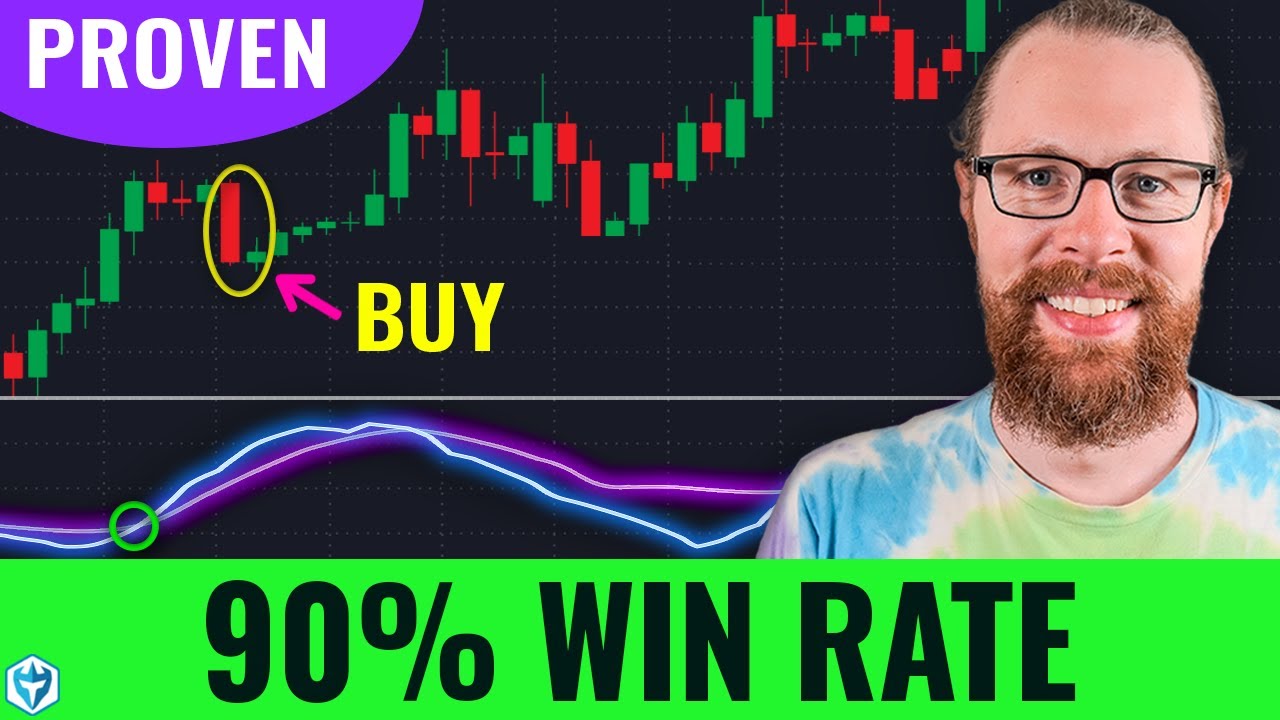
Ross Cameron - Warrior Trading · @DaytradeWarrior
Where viewers went back to watch this video again, from YouTube's public Most replayed graph, lined up with what was said at that moment.
Most replayed moment #1
11:423.2x the video's typical replay level
of complicated it a little bit so onco I I did trade that I was okay with that it's a little bit higher in the small account I really feel like right now sub uh 5 million share float is pretty much required um and in fact less is better
Said at 11:34
Most replayed moment #2
8:462.3x the video's typical replay level
volume of a 100 100 or more and that I'm just being honest that I would prefer that for the small account or for the main account I do relative volume of five but relative volume of 100 or more that tells me that this is a stock that really has the potential to do something
Said at 8:39
Most replayed moment #3
38:352.2x the video's typical replay level
cand to make a new high into an ABCD pattern I like ABCD patterns and it is a um it's a pattern that I I I do trade and that I teach in the classes but it's not a pattern that I would prefer for the small account challenge because I have a lower success rate on it okay so
Said at 38:28
The graph counts replays. It does not show where viewers stopped watching.
Words
11,522
Runtime
58:28
Speaking pace
197wpm
Reading time
48min
197 words per minute, between the 181 median and the 201 75th percentile of 349 measured videos. That distribution comes from the 349-video hook study.
Opening (first 30 seconds)
in today's episode I'm going to share with you my highest accuracy highest win rate day trading strategy this is the strategy that I'm currently trading during my small account challenge right now I'm in the middle of a small account challenge using thinker swim using a cash only account and so I'll be updating you on my progress today is an update for day 8 and day nine now for this challenge I've had to do things a little bit differently in my regular account where I'm above 25,000 I can day trade as much as I want
99 words, the words spoken in the first 30 seconds at 197 words per minute.
Free, no signup. See how the first 30 seconds hold attention, with rewrites.
Sentence shape
| Measure | This transcript |
|---|---|
| Sentences | 13 |
| Average words per sentence | 886.3 |
| Longest sentence | 7,184 words |
| Questions asked | 0 |
| Sentences containing a number | 13 |
Most used terms
Filler phrases
240 in total: like 78 · um 36 · uh 30 · you know 29 · sort of 26 · kind of 20 · actually 18 · I mean 2 · basically 1.
A literal whole-word count of the same phrase list the Prepublish browser extension uses, so a phrase inside another word is not counted and a phrase used in its ordinary sense still is. It is a count and not a judgement.
Free, no account. See where attention is likely to drop, with a rewrite for each weak line. The free check shows the scores and the one issue costing the most. Or run it on the words above first.
Free · No login · See a sample audit first if you prefer.
What this transcript is
Every word below is the caption track YouTube publishes for this video, pulled from the video itself and reproduced unchanged. It is not Prepublish's writing, not a summary, and not a re-transcription: it is the video's own published captions. English captions, generated automatically by YouTube, in the video’s original language. Source: the video on YouTube. A channel that would rather this page did not exist can ask for its removal through the contact page, and it is removed.
in today's episode I'm going to share with you my highest accuracy highest win rate day trading strategy this is the strategy that I'm currently trading during my small account challenge right now I'm in the middle of a small account challenge using thinker swim using a cash only account and so I'll be updating you on my progress today is an update for day 8 and day nine now for this challenge I've had to do things a little bit differently in my regular account where I'm above 25,000 I can day trade as much as I want if I want to take a th day trades in one day I can do that and since I know with my main account my regular strategy averaging about 68% accuracy as long as I take enough trades each day I should be able generally in decent markets to close each day green but in the small account I can't quite do that I've got some limitations and so I've had to modify my typical strategy based on these guard r that the small account is putting on me the first is that it's a cash only account and so I can only trade with the amount of cash that I have so for instance with $10,000 cash in an account you take one trade of a th000 shares of a $10 stock that's $10,000 position you buy it you sell it and now you can't trade with that money again until it settles overnight so you could trade again tomorrow so effectively if you're using all of your buying power on one trade well you can only take one trade today but here's the problem with that I'll I'll jump onto the Whiteboard let's say day one you start with 1,000 bucks in your account as many people might for a small account Challenge and let's say for this small account challenge you're being pretty aggressive you're wanting to try to grow the account as quickly as possible well let's just say you have the misfortune of losing 250 bucks on that first day you take a couple of bad trades and you start to spiral and it's just an absolute disaster the account's down 25% which means your current balance is700 $50 uhoh not good now your first goal is just trying to get your account back to a th000 but growing your account by 25% won't do it now you've got to grow this $750 account by 33% in order to get back to whole and so very quickly you get the cards stacked against you when you're in a small account and so one of the things I've always known is that when I do small account challenges I have to essentially be very very picky about what I'm willing to trade there's actually a great book here I'll show it to you this is um a book called thinking in bets by Annie Duke and in this book she talks about she's a professional poker player she talks about her brother teaching her to play poker and he said these are the hands You'll Play and it was only a couple of hands these are the only hands You'll Play and anything else you fold you don't play it you you you know whatever and I thought that that was really interesting because she said wait a second I'm seeing all these other players at the table that are are playing hands that aren't on your sort of pre-approved list what's the deal with that and he said yeah well they've got a lot more experience than you I want you to only trade the hands that have the highest percentage of success because as a beginner you need those wins those wins build confidence all right so I'm going to apply that same lesson to my small account for the small account strategy I'm not going to take high-risk trades I'm not going to do for instance a high-risk dip and rip on halt resumption or a red to Green move or maybe perhaps um trading an IPO the seconded IPOs those are setups that I may be willing to take in my larger account where I can take more risk and if I have one loser well I can take 10 15 more trades that day and with 68 70% accuracy I'll be able to recover from it but with a small account I can't do that with the small account every single trade I take has to matter it has to be the right setup so let me walk you through my approach each day we're going to start number one with stock selection so for my stock selection process I am being a lot pickier during the small account challenge so just for instance yesterday when I first sat down we had this stock onco that hit the scanners now onco I initially pulled it up I looked at the stock and my first reaction was M the float is a little high at 23 million shares that was my first gut instinct I said you know that floats a little high now for those of you guys that are familiar with my five pillars of stock selection I have five basic criteria that every stock needs to meet in order for me to be willing to trade it so I'll just break these down really quickly so we're all on the same page so the five pillars of stock selection number one is price number two is percentage change percentage up today number three is relative volume number four is news and number five is float now I would honestly say out of all of these criteria which ones are absolute deal breakers well if the stock is $200 a share I cannot afford it in the small account so there's no question that these are deal breakers so and I I could actually sort of U separate these two between um the small account challenge criteria on this side and then my regular account on this side so in my regular account price really anything from generally 50 cents a share at a low to $20 is preferred but I don't mind trading something that's more expensive I mean look when Gamestop went up to 200 $300 $400 a share I was trading it in the regular account if I was happy to wouldn't have been able to afford it in the small account but in my regular account no problem so price I've got a little bit of a wider filter there wider net but in the small account really can't I honestly don't think I would trade anything over 10 so 10 is the max price it just doesn't make sense because I wouldn't be able to buy enough shares and if I'm really going to be honest I could I could almost say like $8 Max but right now now that it's day eight Day N I have a little bit more buying power so I might if I saw something at $8 take a trade so I'm I'm I would say $9 Max we'll cut it in the middle so right now small count challenge Five Pillars of stock selection can't be above $9 a share and minimum price well I I wouldn't mind taking a trade on something 25 or 30 cents a share so I won't put a minimum on there because it's a small account challenge so number two percentage change on the day so generally oh this should be in doesn't really matter but $9 Max so for percentage change on the day here I really don't want to trade something that's not up at least 50% in the regular account I would say 30% minimum uh 10 10% absolute minimum but 30% would be tolerable so I'll just I'll say 10% because that's sort of the minimum and this is really a sort of a St contrast here and what I'm saying is I need something up five times more at a minimum for me to consider it in the small account challenge now some people would say Ross that's crazy why would you buy something that's that much higher at a minimum for your small account challenge don't you want to buy low and sell High well remember I I am a momentum Trader so as a momentum Trader I'm looking for the stocks that are moving the most and what I know beyond a shadow of a doubt is that when a stock is up 50% and it's one of the top leading percentage gainers in the entire Market there's a lot of eyes on that stock and what that means is that that stock has a much higher likelihood of going up another 10 15 20 30% then a stock that's up only 10% go going up another 10 20 30% so you know for a stock that's up 10% to go to 40% it's got to go up significantly more for a stock that's up 50% to go up another 20% that's not as big of a move relatively speaking so it's actually going to be easier for me to capture profits on something that's already got that big rate of change especially since I'm going to be a real sniper about getting in quickly and getting out quickly that's going to tie in to the entry indicators and the exit indicators which I'll talk about in a moment so number so number two percentage change it's got to be at least 50% on the day uh for the small account challenge relative volume to be honest I would prefer relative volume of a 100 100 or more and that I'm just being honest that I would prefer that for the small account or for the main account I do relative volume of five but relative volume of 100 or more that tells me that this is a stock that really has the potential to do something incredible and I'm actually going to go onto the back here and I'm going to share with you a couple of uh um sort of bonus criteria for stock selection so um bonus so one is um super high relative volume which is the result of yesterday's volume being um under 100K so if yesterday's volume is less than $100,000 and then today the stock trades on 20 million shares of volume that's a massive massive imbalance like that that is a huge Spike and big spikes like that are important so look at this so This stock um traded 2.5 million shares the previous session and then traded 34 million but the session before that it traded 227,000 shares so the imbalance was big but the reason this shows 2.5 million in the previous session is because the news came out after hours so it that after hours is when the move began so basically this had zero volume here all day long 100,000 200,000 shares and then boom right at the close right after hours at 4mm it had over a million shares of volume come in within 10 minutes and then it just continues to Trend higher until it's got 2.5 million shares of volume now as you can imagine there was a news Catalyst that came out right at 400 p.m. so 400 p.m news now for this um this is actually interesting one um in the main account news is preferred but um but it's not required the reason it's not required is because sometimes we'll see stocks that make huge moves but they don't have a catalyst and the fact that they just are at a certain point up 75 80% becomes in a way its own Catalyst and that can be a little tricky and unfortunately while those stocks can give big moves a lot of times they don't hold those moves so they become kind of exaggerated in price there's a lot of enthusiasm people are buying it up but then reality sets in and they dump and they sell off hard so for the small account challenge I'm more inclined to say required that news is not just preferred it's required because this is what actually is is justifying why the price is going up now when it comes to float in my main account I generally I say you know 20 million shares is approximately my cuto now in the main account I was happy to trade onco the float's a little higher but there's also a reverse split which sort of complicated it a little bit so onco I I did trade that I was okay with that it's a little bit higher in the small account I really feel like right now sub uh 5 million share float is pretty much required um and in fact less is better exponentially better so of all of these pillars right here the one that has the potential to knock out any trade is if I pull up a stock in the floats 180 million shares I'm not even going to pull up the chart I'm not even going to look at it I just know that that stock is going to be thickly traded it's going to be dominated by high frequency trading algorithms and we could talk about why those stocks are so popular among those high frequency trading algorithms in a moment but the reality is there's a pocket in the market where retail Traders find success and then there's the rest in the market that's dominated by institutional Traders head funds and high frequency trading algorithms and when you trade in that area of the market it's like playing chess against the computer you're going to lose every single time the I I don't well I'll expand on it just a little bit while we're while we're on the topic the reason this happens is because these highfrequency trading algorithms have an edge against you they subscribe to the feed of all Market data and they can actually see your order coming into the market before it executes so if they see a 10,000 share order come into the market and they had a sell order they can pull their sell order back and put it higher so you fill at a higher price so they realize wait there's someone coming to buy I'm not going to sell at this price I'm going to sell at a higher price and dynamically instantaneously they can move their order higher so you get filled at a higher price and then when you turn around to sell that order they see your sell order come in and they had a buy order there on the bid and they say oh let's move that down let's get this person more slow slippage so that algorithm actually is essentially creating the slippage that you get on your trades now on a small cap stock these highfrequency trading algorithms don't usually even trade they don't make the market on these stocks by being on both the bid and the offer because these stocks have to potentially go up 50% or 100% in one day and that carries way too much risk too much downside risk so in fact the stocks that these institutional Traders love are the super liquid stocks that trade in relatively narrow ranges like what like Bank of America like serus serious satellite radio Nvidia Tesla those are more competitive by even among institutional Traders because they are more volatile but so if they trade them well they can do really well but they also carry more risk so they look for stocks with lower beta to the S&P 500 so when the S&P 500 moves up a point these stocks move up um less than that so essentially they're very range-bound and that's where there's a lot of opportunity so when we're trading small cap stocks like onco that are going up 50% 75% 100% on the day these are not the type of stocks that institutional Traders like the big Traders you know JP Morgan Goldman Sachs whatever that they're trading or the other hedge funds or Quant funds are trading because the the risk outweighs the reward now I think that is a good segue into a conversation about risk I'm trading in a small account and I'm day trading in it which means certainly I'm taking risk and I I'll say as always that my results are not typical because I've been doing this for a very long time so I've got a lot of experience and training coming into funding this small account I always like to do it as a challenge to see you know what I can do and to test myself but I just like to put that out there just to be transparent now with this small account challenge I have to trade stocks that are moving I'm not going to get I'm not going to grow the account buying large caps I'm not going to grow the account buying something at $5 and selling it at $5 I crave volatility but at the same time whenever I take a trade I have to be asking myself what am I risking because if I jump into a trade and all of a sudden it dumps and I lose $2,000 that's going to kill my progress right just like I said in the beginning you take a 25% loss now you need to make 33% to get back to Flat you take a 50% loss you now need grow your account 100% double it to get back to flat and that becomes unachievable and that's one of the reasons that trading is so hard with a small account because suddenly you start to fall into the negative and now it gets harder and harder and harder to get back to whole and as the account gets smaller you have less and less buying power which means you can't buy as much and you need you feel like you need home runs and then you could start to go into this downward spiral and you're circling the drain and then boom your account's gone and I've seen seen that happen to so many Traders and so when I do these challenges I try to lead by example and show you that this is the right way to approach trading in a small account okay so now that we've got a good solid understanding of our five pillars of stock selection uh the float no doubt is the one that we can uh we can't live without the the float has to be under 20 million shares it is preferred to be under 5 million shares news is required relative volume ratio should be super high percentage change today yep 50% at least and $9 Max price so this is all for the small count challenge so when I'm sitting down each morning and I'm pulling up my scanners pretty much the first thing I check is float I'm looking at the percentage change how much are these up so these are all up over 50% so these are all fine from percentage change but float 71 million shares 23 million shares 23 million shares 39 million 45 so in fact the only ones in here that are that are worth considering would be jfu and CNE now what I can tell you about both of these is that CN we traded a couple weeks ago and it was really kind of nasty this thing popped up and dropped all the way down it did not hold its level at all and so I really didn't trust it sometimes there'll be a stock where you look back at its historical chart and you realize o this isn't something that's trustworthy yes it makes a move it's grinding but then it gave the whole thing back so that requires a bit of an ability to check the daily chart Zoom back and say what has this thing done in the last couple weeks right so if you were trading this just like this and you didn't look back you would be sort of blind to the fact that this thing just like two weeks ago went up like 300% and then gave it all back right that's a little shady now if it gone up 300% and held that level that'd be different and in this area right here we sort of had the same concern on that day it was popping up it was like well we had this day right here and we had this day back here so this stock kind of has a theme of popping up and selling off that creates a little bit more risk so I said on CNY I can't afford that risk it's not worth it now jfu this one was on the scans but not till later in the day so this one didn't fit within uh the time frame of my strategy so this is a the strategy that I'm currently trading is a three-hour strategy which means I sit down at 7 am and I am done by 10 a.m. that is my three-hour window and if I don't find an opportunity within that window I'm not going to take any trades the reason that I put that guard rail and restriction on is you know sort of just like this that's the window where I have the highest degree of success so while it's true that in my main account I may feel comfortable trading at 11:00 a.m. or 2 p.m. or 3 p.m. for power hour for the small account that those are times of the day where I have a lower win rate and I can't afford to take the risk I can't if I take an unnecessary loss it's going to be a problem so I'm sort of zooming in to the time of day that I've got the highest percentage of success and that is from 7:00 a.m. to 10: a.m. so I have a hard stop if I haven't taken a trade in the small account by 10 a.m.
I will not take any trades that day it's as simple as that so jfu wasn't even on the scans uh yesterday morning now onco this one uh when I first pulled it up I observed that okay this is a stock that made a move after hours and one of my rules is that in terms of setups I have a very specific setup that I want to be trading so let me share you share with you what that is so entry indicators all right so the setup and we'll just call it the setup this is the setup that I want to trade all right so for me for this strategy for this for this small count challenge because I need the highest win rate possible the only time that I want to be trading is on the front side of a move so what is the front side of the move the front side of the move is when the stock first comes out with breaking news so if we back this up here we go back to right here this is the only spot where I would have been willing to trade it now as it turned out this was at 400 p.m. on this this stock all right but this is right here the only window where I'd want to trade it and where would I have bought this so This stock initially has news that comes out right here it's a 13d filing which is um a 13d filing is is a form that an investor can file with the SEC and when they file that form where is it here um 13d they file that form and this uh tells you when an investor is taking a very large position so if they're buying a large position then that creates um that creates the sentiment that wow someone really really really likes this stock that's very interesting they like it so much that they're buying like 30% of the shares that are outstanding so that news comes out and immediately the stock starts spiking up all right so now does this meet all of our criteria well the one issue here is the float but this stock just did a 40 to1 reverse split and the float hasn't yet been updated so that means the actual float on this stock is is uh about 4 500,000 shares it's a 500,000 share float so now what does this meet all of our criteria price is at five $4 a share percentage change immediately was up like 40% so 50% yeah I think so relative volume we'll check it news got it float got it so it's meets all of these criteria for being the right type of stock to trade trade but just because it's the right type of stock to trade doesn't guarantee that it's going to give me the setup or that I'll be here watching it when the setup forms this gave us a setup I just wasn't here because it was at 4m. it was after hours which is unfortunate but you know that's the reality now I suppose if I had a track record of trading until 4 P.M with a high degree of success I could sit here all day long and just continue to look for opportunities to trade the small account but since I know know really beyond a shadow of a doubt that my success is much higher trading uh during uh well from 7:00 a.m. to about 10 a.m.
I've I've put that restriction for this Challenge and that was the right move I could show you my metrics that support that in a moment okay so the stock squeezed up one two three four candles straight up now when a stock is squeezing straight up like that in response to breaking news how do you know that's even happening well the stock is going to be hitting our high of day momentum scanner right here so boom boom boom this scan is like radar it is searching the market in real time for stocks that are squeezing up and that meet the five pillars of stock selection now for my scanners I actually set the filters a little wider than the Five Pillars and the reason I do that is because if there's a stock like a GameStop or something like that and it's making the rate a change and it has the relative volume then maybe the float being a little higher you know I I'll take a look at it if it's really exceptional so although this is pretty much a deal breaker there are some some rare instances where it's it's worth being aware of something that's a little higher so for that reason some of these filters are set a little bit wider cast a wider net and then I manually sort of pick out the stocks that I don't like I say I don't like that I don't like that I don't like that o I do like that one so onco starts popping up meets all of our criteria for stock selection and as it's squeezing up right here I'm looking for my first entry so now I'm going to pull um I'm going to move this over for you right here so this is um this is chapter 8 eight uh technical long setup one from my uh full length day trading strategies and scaling uh curriculum that which is available for warrior Pro members and by the way uh for those of you guys who are tuning in to this episode uh on YouTube I will put a link in the description for a selection of PDFs you guys can download the PDFs will include my small account strategy my micro pullback and my stock selection PDF these are resources that you can download you can print them out you can save them on your computer print them out and you can use them in your own Trading starting today I encourage you to practice the strategies that you're learning from me in a simulated environment prove that you can meet the metrics of success and then once you can only at that point transition to real money so again there's a link pin at the top of the comments and it's linked in the top of the description so you can download all those PDFs all right so uh so I'm going to go uh full screen here on this so for and I'll give sort of the sneak preview of um the section I teach to Warrior promo members so the first and second pullback is my favorite place to buy these stocks so again kind of going back to um this concept of these are the highest win rate uh setups that I currently trade and so what we're looking for here is a stock that's made this big move up and then for that first pullback now the first candle to make a new high is the Apex point of the bull flag or the flat top pattern now sometimes I enter a little early to anticipate the breakout and I'm actually going to show you a live trading archive where I did exactly that but during the small account challenge I can't do that I can't get in early to anticipate because if I get in early I'm getting in without confirmation if I don't have confirmation I'm going to look back at the trade if it was a loser and think I really shouldn't have traded it so although you pay a higher price for confirmation because you wait for the stock to get a little higher and to break that apex of the first candle making new high in exchange you get higher accuracy because you're trading with confirmation so if I'm entering early typically what triggers that entry is either a break through a psychological level just below the Apex Point like a half dollar or a whole dollar or seeing a surge of buying on the level two and in the time in sales which I'll show you in the live trading archive I would always prefer to have an early entry because it offsets the risk of a bull trap or a false breakout and while that is true in my main account in my small account I need highest win rate setups uh that's going to take priority so almost immediately upon entering I want to see the price moving up now let me show you what this looks like so you can visualize it a little bit better and then I can go back to describing it in a bit more detail so this is an example of the setup that I like to trade you've got one two three four green candles in a row you've got two candles of pullback and then that first candle making a new high right there that's your entry point sometimes I think of these momentum trading is we're Trading these waves we get a wave up and a pull back and then another wave up and then a pull back another wave up and then a pull back and these really strong stocks are kind of like that so rather than buying at the top of a wave wait for that pullback and then the goal is to try to get in as soon as it's sort of starting the next wave higher and the the best way to visualize that is either that we're holding support down here at a level maybe we double bottom and we don't we don't break it we just keep holding so it's like okay there's visual support there oh we actually start making a new high and then we're starting to stair step back up now the thing to be of course cautious of is what if you have a wave and it pulls back and then it stops here right stops here now we're running into resistance and we might be falling now we're going into sort of the Waves going back down so the tide kind of rolls in and then the tide can kind of roll back out and that's very common in trading these are the waves that we see of price action and these are waves of sentiment of actual people buying this this stock because they like the setup so if we animate this we see a stock that hits our scanner and we're getting the audio alert just like radar it's telling us there's something on the horizon here that's we got to pay attention to Stock's moving higher now are you going to just jump in right here Technically when you have a topping tail like that you've got the stock that's squeezed up and pulled back down this is of course a Candlestick chart and if you want to watch some of my episodes about how to read Candlestick charts there's there some great episodes on YouTube that you could check out about that that I've taught so you get a nice pop up there then you get a little pullback and that's actually the first wave so a fast high-speed Trader using uh 10-second charts or tick charts or using level two might have actually taken an entry right here on this pullback but most beginner Traders are going to have to wait for a more established pullback so now you get the pullback here first red candle all right it's starting to pull back it pulls back a little bit more and then down here we're starting to base out right we've got a double bottom kind of right at this level which is fine and again a more aggressive Trader trading in a account where they could take as many trades as they want might buy this double bottom right down here with a stop Max loss just below that level the correct place to exit this trade is if it goes lower right here so that is your correct Max loss the only problem is that if you got in right down here and then it drops you'll look back and think there was never confirmation what does Confirmation look like confirmation looks like the first candle making a new high which is right here when this candle makes a new high that is confirming the wave is moving back up now this is a particularly big candle sometimes that first candle to make a new high goes like halfway up and then the next candle continues to resolve all the way through the high of day now I'll show you some examples of this um let me show you a couple charts and then I'll show you the live trading example so here you've got two three four five green candles in a row and what's Happening Here is this is a stock that has breaking news so news has just come out the stock is now squeezing up and hitting our scanners so some people think wow if I could just be the first one to find breaking news I would make so much money and I'm going to I'm actually going to caution you on that and tell you that's not how it works because let's just say for instance that the news on this stock is they just got a um they just sold uh some pharmaceutical patent for $30 million all right now we've got breaking news that's great you get that news first and you think that's wonderful news and you buy the stock and then the stock tanks and you're like I don't why it's tanking and then you look and you realize that a week ago they had news that they were in negotiation to sign a $300 million patent you know distribution agreement so they finally sign it's for only $30 million that's actually bad news it sounds like good news but with context you realize it's bad news so when you're the first one to get news the it's almost untradeable without seeing Market reaction so you need to see how other people are reacting it's kind of a funny thing but it's like you know is this good news or bad news I can't tell until I see other people move unless you know all of the context of that company and there may be some rare instances where there's breaking news like Warren Buffett just bought a stake and you're like okay this is probably good news I'm just going to take the risk and punch it but to be honest I've I've always felt that that type of trading is a little bit of a Gamble and it's much safer to wait for the market to react and then to jump on that next wave of momentum so that first push higher is generally created just by some of those early aggressive Traders you know some of them might be gambling a little bit but if it works it works and then the more calculated trades come in after we have that first pullback so first pullback and we generally prefer that there's lighter volume on the pullback because that tells us that although there's selling it's not like people are dumping the stock and it's tanking so light volume pullback and then first candle makes a new high right here and we surge back up through the highs boom so that entry right there is where I'm a buyer that's the exact entry point so for me I need to see first The Squeeze up a couple of nice candles pulling away a little pullback right here a bottoming tail first candle makes a new high I'm buying right here my Max loss is the bottom of that buying tail uh bottoming tail Target is high a day and this stock squeezes all the way through high day of 580 all the way up to 6 620 640 660 680 a 7 720 740 holy moly that's an incredible breakout so real realistically on this you're risking like 20 cents a share and you get almost $2 a share that's a fantastic profit to loss ratio now it's also noteworthy that at the beginning of the move like this the macd is open so this is a stock that had news early and was kind of grinding sort of pushing higher and the macd pretty much stayed open this whole time and then finally here it started to really pull away with some speed at around 8:30 so that's where it went from 5 to 560 and that's where it kind of got exciting this area here where it was grinding it wasn't up enough on the day to get people interested it it wasn't up 50% on the day you know it didn't have that rate of change but finally boom we get high volume squeeze and now it's game time that's what I really like to see this is another one boom high volume comes in right there pulls back first pullback gets bought up second pullback gets bought up and this goes all the away from a low of 220 to a high of 440 it's 100% move that's fantastic higher volume buying light volume selling higher volume buying light volume selling and then a ton of buying comes in at the open right here as it surges higher just a beautiful move now this right here what do you think about this see I would look at this and I would I would say well there's a problem the problem is the popup was on light volume and the selling was on heavy volume so as soon as this stock popped up people were eager to start selling and you know it seems strange because the company's headline was they announced a partnership with Volkswagen that sounds like a great headline anytime a small cap company with a 30 million share float is partnering with a big company like Volkswagen you think that's good news but I don't know people were eager to sell so the fact is was there an entry indicator on this chart was there a spot where you should have bought no now if you were someone who's trying to anticipate it's possible you would have bought down here bottoming tail and then think all right first candle makes a new high back up but there was no proper confirmation we didn't have a first candle that made a new high we had a small wave up and then we just went down and it's also noteworthy that the float's 34 million shares so it's a little bit higher here's another example light volume pop on news right here oops light volume pop on news right here and then high volume selling so look at all that selling it's just coming back down so that's not trustworthy it's not something you can trade J dzg another one here decent volume on the buying but the selling is even higher so there's more selling than buying that indicates weakness and this I'll say is one of the benefits of being part of a trading Community because there's a lot of things in in real time that you're trying to analyze to make a decision of whether or not this is a trade worth taking what's the volume profile how what what's the sent them is there more buying is there more selling are there topping taals what are topping taals signifying sellers are pushing it down it's popping up but sellers are pushing it down bottoming Tales are bullish topping tailes are weak right that's why we kind of sometimes draw it like little devil horns like that so it's it's a bad sign you've got that tweezer top so being part of a trading community means you're around other traders who have eyes on the market and who have more experience than you and are able to call out and share with you wait a second this is a problem high volume selling or big spreads or big seller on the level two or macd is Nega and all of that kind of you know combines to you saying wait a second this helps me better digest and understand what's happening here I think becoming a Trader really requires immersing yourself in a community of other people who speak the same language because learning to trade is kind of like learning a new language it is the language of the financial markets it's a language that all active Traders and certainly successful Traders speak very well fluently they can read it and understand it and when I'm looking at charts like this I see buy and sell signals you may not see them yet because you haven't quite learned the language but they're right there so this is a live trading archive to get you oriented this is not in my small account this is just a good example of the setup that I like but I'm going to take two trades here the first trade I'm going to get in to anticipate the first candl making new high so if we look at our chart here I'll pause this for a second we've got this move up this pull back here then this move higher 1 2 3 four candles in a row and I bought right down here now the first candle to make a new high hasn't happened yet but the macd is open that's the moving average convergence Divergence indicator and that for me is a very important indicator I want to trade the front side of the move so if we go back to um the trade on onco the front side of the move is from when news comes out until we have our first macd crossover that right there is the front side of the move now sometimes it'll pull back and it will go higher but that this is the first leg and the first leg on the front side is usually where I do the best so in this case we had high volume buying light volume selling which means that right there was an opportunity to buy the dip right that was a first candle to make a new high and it bounced up to 460 now 460 is not bad that's a winner as it stalls out here I would have gotten out of it it drops back down not good it comes back up and then it breaks through the high which means this turned from a first cand to make a new high into an ABCD pattern I like ABCD patterns and it is a um it's a pattern that I I I do trade and that I teach in the classes but it's not a pattern that I would prefer for the small account challenge because I have a lower success rate on it okay so in this case here I'm looking for that first candle to make a new high and I got in a little early at 751 so I bought at 751 but I don't yet have confirmation now the reason I got in was because I saw on the the 10-second chart a bottoming tail and I thought that looked good but after I get in it's sort of just hesitating here 756 759 62 69 okay this is working maybe not quite 60 like it's not quite H and then there's some selling and when I saw the selling go through there on the tape the selling was my exit indicator so this is really nice um gauge here of sentiment this is the time and sales window this is the expanded time and sales window but this is the condensed one and the time and sales is showing you every single order that's going through the market so when I saw this burst of selling right here I said you know what I'm just going to get out of this thing what that told me was there's other people who don't like it right now they're selling it so I don't like it either so I pay really close attention to what other people like and essentially that is momentum trading if other people like the stock then I'm buying the first pullback and I'm expecting to see green on the tape because people like it and then if people stop liking it I'm going to see red on the tape and that means I should get out so it's it's kind of funny because there's an element of trading that is sort of following others sort of what are other people liking other people like the stock it's up 100% okay then then I I like it too I'll consider it too people don't like the stock anymore well I don't like it anymore either and there are times where you might have a diverging opinion from the the crowd but generally I found it's a lot easier to trade with the trend than to try to trade against the trend so I'm a trend Trader a momentum Trader okay so now in this particular example here um I got out it dips down and then I'm going to get back in so it comes back down and what ends up happening here is we double bottom off of 50 off of about 45 as we come back up here we're going to watch here this candle's now closed so see how I'm moving in this window right here you might notice that I'm kind of adjusting the chart I do this a lot I kind of I I sort of want to just adjust it just to get the scale better just so I can see the high and the low of these candles so I'm now going to move my mouse I adjust this one I check that candle I make the one minute a little bit bigger right and I'm like okay is this something I like so I add back there and that was slightly early entry the correct entry is right here right here is the correct entry because that is officially your first candle making a new high so the first trade I took was too early the second trade was also early this right here is confirmation so with an entry at about 85 this is the correct entry and now watch what happens when we get confirmation it goes to 788 $794 7 $8 $8 on the ask which means now we're coming up to to just about our high of day we've got two sellers on the ask right now at 8 so there's you know a couple people selling they want to take profit at the whole dollar and I want to see if it can break through that resistance now in this case it goes immediately through eight and as it pops through the whole dollar of eight as soon as it pops up I take half off the table so now I'm selling half at 823 and it's gone I sell another half at 823 826 and that's gone too so I'm taking some profit off the table one of the things that you learn in trading is that most stocks trade with a great deal of respect to half dollars and whole dollars and so the trades that I just took were at 750 and8 well right around that level so I'll just sort of draw this out for you okay so what happens is typically when a stock first pops up let's say this is uh 750 this is 8 this is 850 when a stock first pops up it's got breaking news down here and immediately it spikes up usually the first spot where we have resistance is at a half dollar or a whole dollar and this is people who are thinking I just am going to take some profit on this 750 sounds great so they take some profit at 750 and then what happens is we tap that level we pull back for a second and that creates our first pullback and then we punch through 750 so now we break through that level what often happens after that is we come back down and we retest can we hold 750 this was previously resistance can it become support in other words are there people that are putting buy orders down here to buy and are creating support right at 750 so usually what happens is as we come up to these levels there's a lot of orders clustered right around these levels and there's not a lot of orders in between and then we start to get a lot of orders and then not a lot of orders and then a lot of orders and then not a lot of orders and then a lot of orders and then not a lot of orders so what that means is that where are the areas where you think a stock would move faster in between the areas where there's lots of orders so once we broke over 750 and held 750 we went straight to eight now in this particular case we actually broke through eight which is kind of unusual we squeezed through that level and immediately I took profit because what I knew was going to happen is we would come back down and test eight as support and if it holds support then there's another opportunity for a trade moving up to where 850 and then again it's possible that this could be really strong it just blows through 850 maybe even goes up to 9 but that's when we're getting parabolic and that's not as common it's awesome when it happens but it doesn't happen on every single trade so you can't expect it to happen so now I've gotten in this thing let's back this up um this is and now this is looking pretty much you know macd is open right our macd is open we've got a nice volume profile high volume buying low volume selling now volume coming back in here on this candle and if we back this up just a second here um we'll go back to the confirmation so the confirmation was right around the high of the previous candle which is right around 75 so I look at the high of this red candle here and the way to know the the price to the penny is to actually put your mouse over it and then this will tell you the high of that particular candle uh by default it's showing you the high of the current candle but if you put your mouse over that candle it tells you the high and the low of it so the high was probably about 75 which means the proper entry was around 75 so if you got in that with 2500 shares at 75 your first Target is8 now your max loss on this is the low of this pullback which is around 740 it's a little bit of a bigger stop which is not ideal that's part of the reason the early entry helped so now we come up to eight and we see a little bit of resistance as we come up to eight right there's two cell three Sellers and then immediately it breaks through eight so I take some profit off the table as we break through the whole dollar now I expect we're going to come back and retest eight so Watch What Happens now we've got 816 on the bid I take a little more off now it's always possible that it could have gone straight to 835 840 and gone to 850 but it's more common that they come back and retest and now it's back down there at 8 retesting that whole dollar but as it retests the whole dollar of eight it seems that there's support there so now where we previously had resistance since we have support so again we're trading right around these levels and this is this is really what I'm doing on every single one of these trades I'm trading around these big levels so if we go back to this um slide right here so immediately upon entry I want to see the price is moving up if the price moves down immediately my timing is wrong if I have a starter position I may hold with a stop at the low of the pattern and look to add near the support level or near which is closer to my stop or at if the price returns back to the breakout however when I go red on a trade almost immediately I often change my perspective to just getting outbreak even if I can either through adding your support and selling when it comes back up um sort of comes back out to that level or simply trying to exit at the price that I entered but this is the type of trade that when it works well it'll work almost instantly like that Quick Squeeze from 750 up to 8 and the early entry allows me to start to accumulate a position as we see volume coming in but that's really only something that I'm going to be able to do in my main account in my small account for the most part I'm doing one entry and one exit and so for that reason when I saw OC NCO uh come up on the scanner yesterday I traded it in my main main account but in my small account what do you think I did well I've probably already told you but I didn't trade it and the reason I didn't trade it was because I looked at it I said this isn't the front side of the move this back here was the spot to trade it that right there that was where we got the cleanest move now right here did you get a nice pop we did and I traded it in my main account and it went up a bit more than I thought it would and so in hindsight could I have bought this first pullback and the answer is yes I could have and it would have been a winner or could I have bought this pullback and the answer is yes although that's not it's clean because it's sort of um that ABCD pattern and the problem with an ABCD pattern is that it requires an initial failure to work so the ABCD pattern and this is chapter um this is chapter two or long setup eight chapter part two uh it requires that failure to work I mean I this this slide deck is 1,700 slides long so I'm I'm really sharing with you not the bulk of my strategies but just this one that I think has the highest degree of success and that is great for trading a small account so yes in hindsight I could traded this one and it would have worked um but I generally prefer to trade on the day the news comes out and second day continuation can be a little choppier this was also below its highs from the previous trading session so I just I just wasn't sure anyways I didn't mind taking the risk in my main account I locked up profit on it I had a green day but in my small account I said I just don't think I can take the risk okay so let's say you're taking one trade a day you're focusing on one trade per day you're doing this small account Challenge and naturally you're focusing on A+ quality stocks and a quality setups trading those first pullbacks right so how many possible trades would you even get per day with this quality filter I would say realistically for me this is going to be in the range of three to five trades that's probably the most that I would get and at the rate of one trade a day I just have to choose essentially the first one I see that looks really high quality and that I like now which sometimes happens is I'll see a setup and the stock looks great but I hesitate I'm like H I can only get one trade I I don't there's something about it that causes me to hesitate I'm in a position where all of my years of trading have given me educated intuition and so I usually try to trust that intuition that there's something that's causing me to like hesitate it's probably the right move to wait especially when the stakes are higher and I'm doing a small account challenge but let's say for instance the goal of this small account challenge is to do one trade a day until the account has grown over $25,000 now if we look at my um my progress right here let's see we've got um right now nine consecutive green days so the account is growing I'm definitely making progress I've still got a ways to go but look I'm in good shape this is exactly what I want to see and for the most part it's one trade a day unless I have enough buying power to take two trades which is possible if I take one trade and I only get a partial fill on my order or something like that but let's say we do um we do this challenge I get my account up to $25,000 at that point I can then switch to a margin account and trade as much as I want but I would still limit myself I would still limit myself to trading only these highest quality setups which means I'm probably only taking three to five trades a day something that's interesting is that right now let's say I you know have some nice trades and then I take a couple big losses I know without a doubt that there are 30 40 50 100 trades in my near future and if I want to get my account back up to here or I want to grow my account as quickly as possible at a certain point there's a question of how do I either take bigger share size on the three to five trades I take each day and or how do I increase the quantity of Trades I take just to have more trades so I'm growing my account faster so I think the the rule of thumb that I use is that to scale up this strategy you trade one trade a day until your account is above $25,000 so when you're at 23,000 24,000 that one trade could be buying 4,000 or 5,000 shares of a $5 stock right you're using all your buying power one entry one exit the goal is 20 cents per share of profit sort of at a minimum using 10 cents per share of of risk so you're locking up $1,000 on winners that's fantastic $1,000 a day consistently that's six figures a year you can't complain about that and so once you get the $25,000 count what you know is you'll get margin and leverage so now all of a sudden you've got $100,000 of buying power so you could in theory see a $5 stock and take 10,000 shares so the first step in my opinion is not to increase the Quant quantity of Trades but to increase the position sizes on a quality setups because it's the a quality setups they're going to put the biggest dent in your profits so we start number one by going up to three to five trades a day but with larger positions larger position sizes and then there's the question of okay well what's my accuracy on B quality setups on a quality right now maybe I'm averaging 855 to 90% right approximately this is the percentage of succcess on B quality setups honestly that's probably where I'm going to be around 70% and when I start taking C quality setups that's that could be you know 50 to 60% so there's a there's a certain point where let's just say a quality setups in terms of profit where if you if you lower if you're trading only a quality you're going to have really nice profits if you start doing B quality you know you're you're going to see a little bit of decline you start trading see quality you're going to see you're going to see your profits go down so at what point is do you kind of maximize getting the most growth and increasing the quantity of Trades without having this rollover in fact if you are growing your account at that rate with a quality setups if you're growing your account with a quality setups here and you introduced B quality setups but you maintain good accuracy your account would grow even faster because now this is a plus b but then a plus b plus C Maybe that's where you start to come back down right now you start to come back down because the C quality setups are drawing you down you add D quality setups and now this is where you're actually stair stepping down so there's a line somewhere in here where reducing your quality standard to introduce more trades is going to no longer be profitable and I think as a beginner Trader the good news is you have a lot of opportunity to grow and to be very successful saying I'm only trading A and B quality C sets now you how you define a b quality setup you know is obviously going to be subject to your own sort of standards for me I would say anything that I look at and I'm like this is not a quality because there's something about the stock that's not perfect maybe there's no news maybe there's the relative volume is a little lower maybe the float is a little higher right or the setup you know it's a good stock but the setup is a little funky you know it's kind of already done a false Breakout it's a little riskier it's a b quality setup anything that's not a but is close to a is a b quality setup and so on each day you might get 3 to 5 a quality setups and you might get you know 15 15 to 25 B quality setups so if you're willing to reduce your accuracy and as long as you can manage your risk you can increase your quantity of Trades definitely significantly by reducing your quality standard but just expect accuracy will go down and your profit loss ratio will also go down because as you introduce more uh losers you'll inevitably have some that get a little bit big and so what most Traders end up doing is and and we can look at my metrics here for the small account challenge right now so currently averaging 90% success 90% win rate $622 average winner $154 average loser so 4 to1 profit loss ratio 90% accuracy that's a great win rate I don't think I'm going to be able to maintain that forever and I don't think I would choose to because want to introduce higher quantity of trades in order to grow the account a little bit faster but what most Traders do is they they and the right way to do it is to start trading with a lot of filters on your account so you're being super restricted you're only trading the setups that you know we're going to work and I keep holding this book this isn't about tra day trading it's about playing poker but it just it it carries over really well so you're trading only the setups that you've got the highest degree of conviction in and then you start to sort of take off the training wheels you start to expand a little bit and in a hot Market C quality setups might work just fine but in a cold Market you're going to get crushed so you start to learn to to sort of take the the training wheels off take the guard rails off take the filters off you start to expand and then you'll have a loss and what do you do you got to bring it right back in really quick ease off the throttle go right back to core Basics start to rebuild consistency rebuild success rebuild confidence and then scale back out and then you'll have another loss and you scale back back in and then you scale back out and then you scale back in and that's there's nothing wrong with that that's the right thing to do because you got to trade at the edge of your comfort zone if you want to be growing your account but when you're starting day one of a small account challenge you've got to be focusing on one trade a day a quality setups and the right way to start to manage your risk truly is to practice everything I'm sharing with you right now in a simulator prove you can meet the metrics of success in a simulator before ever funding a real money account that is the right way to get started now if you haven't already downloaded the collection of PDFs there's a link in the top of the comments and in the description I want to make sure you guys download them print them out use them as a resource and start implementing these techniques in your own trading today and I want to remind you as always my results are not typical trading is risky so take it slow and protect yourself by practicing in a simulator if you enjoyed this episode I hope you hit that thumbs up I hope you're subscribe to the channel for more episodes about trading strategy just like this and I'll see you for the next upload real soon
The words are the caption track's own and nothing is reworded or re-transcribed. Paragraph breaks are placed between sentences so the text reads as prose.
Free tools for your own script: paste a draft and see where it stands before you record it.
Paste your draft and see where viewers are likely to drop off, with a rewrite for each weak line.
Paste the first 30 seconds of your own draft for a hook score and rewrites.
Check your draft against YouTube's advertiser-friendly guidelines before you record it.
Read this channel's public videos and transcripts, and download a writing brief for it.