Getting the transcript
Reading the captions from YouTube. A video nobody has opened here before takes 10 to 30 seconds; this page fills in on its own.
Getting the transcript
Reading the captions from YouTube. A video nobody has opened here before takes 10 to 30 seconds; this page fills in on its own.
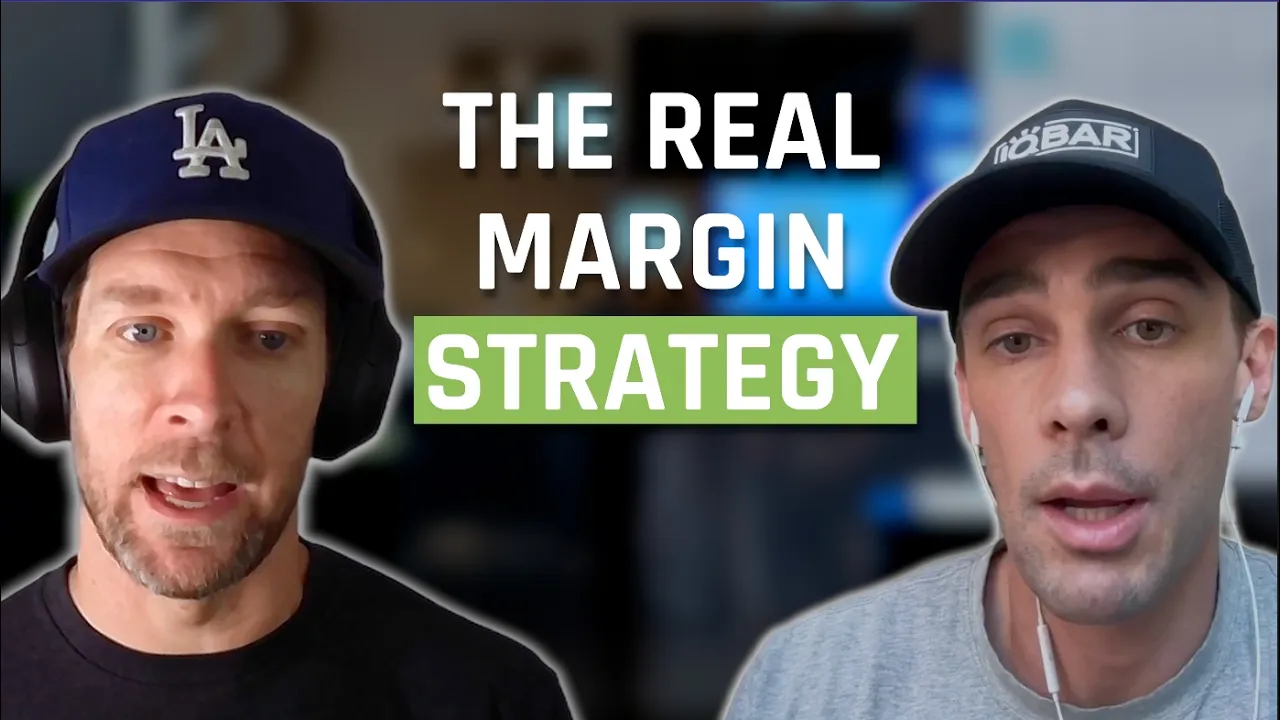
The Andrew Faris Podcast · @andrewfarispodcast
Words
12,294
Runtime
1:03:51
Speaking pace
193wpm
Reading time
51min
193 words per minute, between the 181 median and the 201 75th percentile of 349 measured videos. That distribution comes from the 349-video hook study.
Opening (first 30 seconds)
Will Nitsa is building a $125 million business that he projects to end the year at 17% bottom line margin. That is up from 59 million at a 13% bottom line last year. That is off the back of a couple fundraising rounds, some of those things. So, he has fully gone from fundraising to profitable and to continuing to grow at an absolutely monster rate. If you didn't catch that, that is doubling the business from 59 million. It's very hard to keep growing a business that fast and that aggressively at that stage, but Will
97 words, the words spoken in the first 30 seconds at 193 words per minute.
Free, no signup. See how the first 30 seconds hold attention, with rewrites.
Sentence shape
| Measure | This transcript |
|---|---|
| Sentences | 714 |
| Average words per sentence | 17.2 |
| Longest sentence | 269 words |
| Questions asked | 71 |
| Sentences containing a number | 86 |
Most used terms
Filler phrases
630 in total: like 270 · um 146 · uh 55 · you know 50 · right? 34 · I mean 22 · sort of 20 · actually 15 · kind of 13 · basically 3 · literally 2.
A literal whole-word count of the same phrase list the Prepublish browser extension uses, so a phrase inside another word is not counted and a phrase used in its ordinary sense still is. It is a count and not a judgement.
Free, no account. See where attention is likely to drop, with a rewrite for each weak line. The free check shows the scores and the one issue costing the most. Or run it on the words above first.
Free · No login · See a sample audit first if you prefer.
What this transcript is
Every word below is the caption track YouTube publishes for this video, pulled from the video itself and reproduced unchanged. It is not Prepublish's writing, not a summary, and not a re-transcription: it is the video's own published captions. English captions, generated automatically by YouTube, in the video’s original language. Source: the video on YouTube. A channel that would rather this page did not exist can ask for its removal through the contact page, and it is removed.
No Script X-ray for this video: YouTube shows a Most replayed graph only once a video has enough views.
Will Nitsa is building a $125 million business that he projects to end the year at 17% bottom line margin. That is up from 59 million at a 13% bottom line last year. That is off the back of a couple fundraising rounds, some of those things. So, he has fully gone from fundraising to profitable and to continuing to grow at an absolutely monster rate. If you didn't catch that, that is doubling the business from 59 million.
It's very hard to keep growing a business that fast and that aggressively at that stage, but Will has done it, which makes him a bonafide profit monster. And therefore, this is another one of the profit monsters interviews on my show where I'm talking with operators and founders of brands, building mid-ate figure, early8 figure, mid-8 plus brands, putting up real profit so you can learn how to do the same. We're going to get into it with Will Nitsuff from IQ Bar and how he's building a food and beverage monster.
Let's get into it. Hey, Will. Thanks for thanks for taking time to do this. I appreciate it, man. Good to be here. All right, let's just go straight for it. There's something that I I noticed about your story that is different than uh than what is I think common advice right now in DTOC and in e-commerce. Uh there's a big push against uh raising money and the logic goes something like this. uh raising money um forces you into growth behaviors that will never be profitable basically and therefore destroys the any chance because uh enterprise value in e-commerce businesses and in retail businesses let's just say not just e-commerce because it goes beyond channels but ecom first we'll say uh businesses selling retail CPG food and bev any of those kinds of things um that you have to be profitable to generate enterprise value for the business I think probably we agree about that.
They'll correct me if I'm wrong. Um that the that the profit profit has to be there. And so what people say is the problem with raising money is it obligates you to a bunch of behaviors that are not going to generate profit because you have to grow too fast uh and too aggressively and typically fly right through uh profitable customer acquisition and um and never have profitable customer acquisition and therefore never have a chance.
That's how the narrative basically goes for people. I have certainly seen a couple of businesses that I have worked with that have worked out extremely poorly um partly fitting that narrative directly that they just they just couldn't satisfy the growth demand at a CAC that made sense for their businesses. Um at IQ Bar you raised a bunch of money. I would love for you to talk about that a little bit um and sort of uh a bunch quote unquote I mean yeah you could define what a bunch is but uh but I'd love for you to talk about that and really why you think that it is a bad idea to bootstrap.
Uh, and so maybe tell me tell us a little bit about your story like Qbar and let's kind of bring the conversation back to um to your position on that because I'm really interested to hear what you have to say here. Yeah, I don't it's not a bad idea inherently. It's just it's bad to be dogmatic about it. I think you have to look at everything from first principles and um for example, you were saying things like it forces you into certain growth.
Well, it only forces you into it if it forces you into it, right? which is a is downstream of who you're raising money from, what valuation you're raising at, what the mandates are from from that third party, etc., etc. So, I mean, I really do think it's as simple as looking at things from first principle. So, you're starting with a category. Every category is way different, right? They have different unit economic profiles.
They have different total addressable markets, etc., etc. And so you have to decide a few things upfront and then that will dictate whether you bootstrap or don't. And it will also dictate many many other things which is like what is my baseline gross margin? What is my goal for this asset and how fast do I want to grow? There are a couple other things but like those are the big ones. And so for a protein bar company your gross margin is quite bad because it's a total volume game to start.
Um, and then it gets really really good at roughly 30 million units a year. For for other people it might be 20 million, 40 million, whatever. But this is the same principle applies across industries, right? Like volume matters. Yeah. Yeah. Like this is like relatively true if you're making a cookie or a bar or even certain beverages or whatever. there's like this magical level of again call it 30 million units a year where where your unit economics get much much better and then they get really good at 100 million units a year and so your your question really that you're working backwards from or I was working backwards from is how fast can I get from zero to 30 million units and it just so happens that like well I I got the answer to that and then one of the outputs of That answer is you need money to get there.
And like we're not selling perfume at 97% gross margins. We cannot grow fast to get to that 30 million units um without raising outside capital. I mean just it just is what it is. There's there's no way around it. And so then the question becomes how do you raise in the best possible way at the best possible valuation that you can grow into and yada yada yada. So you make that binary decision. I'm a fool to not raise money.
And is it is it possible to slow grow it? Yes. Like technically that is possible. It's just super unadvisable. Um and I think people don't realize that you can raise at really good terms. People think about raising as it relates to VCs. And really you should or reorient your your preconceived notions on raising as it relates to angel investors which are just rich people. Like that is all they are. And so it's like, can I find 10 rich people to write me a $50,000 check?
And can I do that on a safe note, simple agreement for future equity? So I'm not even actually creating a hard and fast priced round. And will those investors be patient and dt and so if you can check all those things, well, it's not free money, but it's like unencumbering money. And if that then makes you allows you to grow four times faster, then you're a damn fool to not raise that money. Yeah. I I mean I think like one of the things I've I've I've said to some folks who have brought up this conversation is like at some point even if the the way businesses get valued changes from the day you raise to the day you are looking towards an exit ultimately your investors just want the most money back right so like uh so it may be that like raising in the environment today is just an is for a for uh retail again, CPG, food, any of those kinds of brands.
Like it just may be that it's a really different proposition than it was 5 years ago when people were still still kind of at least than you know thinking about sort of the revenue based valuations and and some of that stuff in the sort of maybe I don't know DTOC 1.0 know phase that would have been the tail end of it still. But that that that I think and and so to your point right like the the the idea is just that like if you find people aligned with what you think is true about the way the market values businesses and then get them to put money towards that goal, it makes all the sense in the world.
And I think that's a good push back because I I do think that like there is now sometimes in some circles of some of some of the like sort of DTOC land uh a a sort of overt like yeah raising is bad you know bootstrapping is good raising is bad bootstrapping um yeah bootstrapping forces you into better behaviors etc. And I just and yeah and I think that's I think your your nuance on that is really good. do um I'm curious if you think if you have a any if you would state that any more strongly in relation to bootstrapping specifically like uh maybe outside of food and bev because I think the margin dynamic you're talking about in food and bev is is somewhat unique to food and bev and that like the you know every brand gets economy of scale with with larger production manufacturing is a volume business so for them to make money they got to make a lot of stuff and therefore they can give you more you know all those things but I do think there's probably uniquely a dynamic there in food Bev I don't know that could be wrong but um yeah I'm just I'm curious if in general you you would you would say anything more sweeping about about about bootstrapping like or if you're like nah it just depends on the person in the business and the and the goals.
No I think it's a badge of honor which is super silly because that's an ego thing. It's an ego thing. It just is. And I think look if you're Sean at Ridge Wallet, right? And you're making uh I don't know what his cogs are. Let's say they're $5 and he's selling that for $95. Like that is just such a all the the vast bolus of his expenses are be are going into marketing and acquiring c customers, not the COGS piece of the equation.
My business is extremely different because the COGS piece of the equation is such a bigger portion of our total expenses, right? And so it just I have to get to that let's say 30 million units a year to cram the COGS piece down. and Sean doesn't. And so that those are just such different models inherently that that yes, I do think context is incredibly important because he can survive off of operating cash flows because he has such a good gross margin out the gate.
Um but my like my case I do think is quite consistent for the vast majority of food and bev customers because we play an ultra ultra ultra competitive markets. go to the grocery store and you can you can plainly see that like there are 500 yogurts, there's 500 bars, there's 500 bottles of water, like etc., etc. They're all right next to each other for in priced similarly a lot of times, you know. Yeah. And and and so you're grow you just plain can only charge so much for a bar or a cookie or a fill in the blank.
And um so how do you expand gross margin? It's just volume. How do you get volume? you need money and you need to move really fast. Um the the way but like the key is get to that volume as quickly as possible such that you can flip profitable. Like make no mistake about it, the ultimate enterprise value is a derivative of your IBIDA which is you have the only way to get there is to get profitable. And so, you know, it took us five year I think we lost roughly a million dollars a year for five straight years and then we flipped profitable in our sixth year and then now we're in our seventh year and we're substantially profitable.
But it took five years of of losing money. And by the way, I wouldn't do it any other way. Like if we had bootstrapped, we'd be at I don't know onetenth the revenue. So we sold half the business to get 10x the revenue. Like yeah again you would be an absolute fool to not make that trade. If you are building an e-commerce business for profit then there is no tool like intelligence to help you maximize the profit you are generating with every visitor who comes to your site.
That is because intelligence is not just CRO software. Intelligence is software built to help you test the real needle movers on your site. things not just like regular split tests but like uh the actual price of your products live split testing that the offer the shipping threshold things that make a huge impact on how people interact with your product on your site and as they do that you measure all of it not just by conversion rate not even just by AOV but profit per visitor intelligence ties in to your product data so you can know exactly how much contribution margin how much uh gross profit you are generating for every user that comes to your site And let me just tell you that there are major wins to be had on your website by doing this.
Well, I've seen it repeatedly because my clients, many of them use Intelligjs and have continued to use it over time. Intelligjs is also fast and easy to install. It is, you don't need a developer or anything like that. If you are on Shopify, it is a smooth, quick addition to your site. You can get testing today. Uh I've talked to brands who have done like three years of repeated ongoing price testing on their products. a brand of mine has constantly tested both price of products and the main offers on their site, like the 10% off that you offer to new customers versus larger stack discounts for new customers.
If you think there might be different ways where you can create offers and across product pricing, uh sitewide new customer offers, returning customer offers, shipping thresholds, those kinds of things that can meaningfully impact your customer journey. And trust me, there are ways to do that. You should be using Intelligjs to do all of it. Go to intelliggeems.io io and use the code ferris 20. F a r s20. Uh and it's that's f a r i s 20 to get 20% off your first three months.
Get started with intelligence. It to me it's one of the core pieces of software that smart growing e-commerce brands should be using to operate with a profit first mentality. Check it out today. intelliggeems.io. Yeah. Yeah. Um do you feel like your just to break that down a little bit when you went to raise when you went to um capital markets basically to raise like do you um do you do you feel like your at the time what you are articulating now was what you articulated then at least something like that story were you pretty cleareyed about that sort of thing and what I'm really getting at is and therefore is this the story that you had told your investors do they feel like align to the sort of way you were approaching it.
Um because I think I think that this is like a common problem with people who raise is at least the way I hear it is like you'll hear people say things like oh my investors you know I want to do this but my investors want me to do that you know and and so I'm just curious like how much that has been about you um charting a course and then roughly following it. Of course over seven years things changed like I'm sure there's been changes but yeah investor selection is like critically important.
So, let's say you you flip the binary. I'm going to raise money. Okay, cool. Investor selection is really important. It's really important for me and I still control the company. I own more than half of the stock, but it's still important. But then it gets insanely important if you're ever going to dilute yourself down to below half of half ownership. Um, so what are they betting on? They're betting on you. like like that is it's a sort of trite to say that and that's a trope and whatever, but that is absolutely true.
And so um do you have to tell romantic stories about where this can go? Yes. But that's just entrepreneurship and raising money, but ultimately they're betting on you. Um because it's it's a 10-year journey. Like on average to get to a really great exit, it is 10 years. And everything will change about your business, your product set, your go to market, etc. And so, um, they're betting on you. And, and then the last thing I would say is you don't want desperate investors.
That is the worst investor. You don't want some person who's putting in 20K and that's the last 20k they had and they're they're betting on the river card and if you don't work out, they're going to be knocking on your door in in three years. Like, you want people who don't need your investment to to work out. like if you went to zero, they'll still take your phone call. Um, so just act accordingly. Right now, those people are hard to find and you have to be shameless and you have to network into them and heck, maybe it's your dad.
I I don't know. Everyone has different circumstances, but that is the investor you want. And that's just a different way of saying like patient and hands off. Um, because yeah, all the horror stories you hear are like the inverse of that. They're not patient. They're not handsoff. They think they know how to run the business better than you, even though in most cases they've never operated a business like yours. Um, but that's where the horror stories are.
Yeah. Um, that's Yeah, that's helpful. Do you think that um I want to come back to something you said about your product earlier and the um the margin profile of the product? Can you talk more specifically about about those margin markers in the sand? Like uh so you said in the beginning you were at X margin and then and then at 30 million units you get to you know whatever percentage of X margin you know and on down to 100 million like how big is that swing in in protein bars you know for IQ bar it's gigantic.
So and this is something I learned as I as I went and just got better and better and better and better at. But I think a lot of people will I don't know if you're like in a drop shipper mentality. You're like I'm gonna buy this finished good. I'm gonna mark it up and I'm gonna sell it to someone at some some margin. Like that is not my world. My world is I'm inventing stuff from scratch. And that stuff has x number of inputs.
And so for us, let's say it's 20 inputs. They're when you start generally how it works in food and bev is it's like a turnkey model. That's what it's called. And the contract manufacturer that makes your stuff is buying all those inputs. They're buying the 20 things. They're marking all of them up somewhere between, you know, I don't know, two, three, four, 5%, maybe even 10%. They're making the finished good and then they're selling the finished good to you at an additional markup.
And so they're making margin in both places. It's kind of like 3 PL's where they're marking up the shipping cost and then they're also charging you to ship the parcel. Um, and so that that is generally how people start. over time once you get volume. Oh, so so so by the way that's the materials. They will then on top of that charge what's called tolling which is just a labor fee per unit over time you will you will reach a crossroads where you can stick with that model or you can take things inhouse.
So instead of the the contract manufacturer buying all those inputs you are buying all those inputs. So you're buying pea protein, you're buying almonds, you're buying fiber syrup, etc. Um, and we sort of were lucked into taking that in-house, which I think ultimately was the right move and ultimately was one of the two primary things that massively expanded gross margin. COVID happened. We couldn't get anything. We couldn't get cardboard.
We couldn't get almonds, whatever. And so we reverted, we we shifted from the turnkey model to owning our our supply chain. And so now we were calling the almond supplier. we were calling the cardboard supplier. And as it turns out, you're far more able to negotiate lower rates. You're able to contract around things if you can deliver a certain amount of volume, yada yada yada. And so you can cram down, I think, you know, probably at something like 30 to 50% of cost um over time, uh you can save on materials.
Then there's the the tolling piece, which is pretty simply just like volume. Like the more volume you run, the lower you can you can squeeze tolling down. And uh tolling is the most elastic cost. Like the c-acker, most of that is margin, right? And so if you negotiate hard with your c-acker and are delivering volume um and are smart about how you produce product, you can cut your tolling down by more than half. So, we started making bars for I think a $120 um in allin landed cogs and it's less than less than half that today, which is like makes an insanely big difference, right?
That is the difference between being not profitable and being profitable. Um but most people don't do that, by the way. Most people stick with the turnkey model all the way through because they're like, I don't want the administrative burden. I don't want the cash flow burden. Like we have over $10 million of ingredients sitting on our balance sheet today sitting in a warehouse. We own them. That sucks in many ways, right?
Sucks for cash flow purposes and and and now we have to manage them. And now if our c-acker has a lot of waste, that's on us, not them because we own the the inputs. So it's bad, but why is it in what ways is it good? It's really good for gross margin and it's really good for for IBIDA. It's a classic uh no solutions only trade-offs thing, right? Where it's like, yeah, they're those are real downsides and for some businesses, again, probably depending on their goals and the scope of the outcome that they want, it would make sense to say no thanks to the headache.
But um but yeah, I I it makes it makes sense to me also exactly why you would do it. And there's if there's so much more margin to get back, it's like especially once the sort of organization is big enough to be able to support the management of that kind of thing and um you know, you've got more revenue coming in which can help. Yeah. I mean, it can make the problem harder in other ways, but yeah. Um, okay. I Yeah, that's super helpful.
I I love that. I want to move over to, while we're sort of on the subject of product, something I've also heard you talk about that I think is really helpful, which is the idea of product channel fit. Um, you IRA makes three core products right now. And I I know from talking to you a minute ago, that there's potentially, and obviously this is part of business, just more on the way. I don't know if it's variations of the three categories you are in right now or or new categories or whatever, but can you start by talking big picture about um how you think about each product in each category a little bit because I think one of the big problems for a lot of e-commerce businesses.
I think it's actually a very big problem is that they have missed um how e-commerce as a business model works. Um and then how different how changing categories changes the model. Um the way cash moves through the business, the way we have to staff it, all of these things are different. Um the way the customer interacts with the product, uh they're they're all different based off of based off of uh channels in ways that really affect, I think, the DNA of the way you operate and and the likelihood of success.
[Music] You should be getting help from other e-commerce operators. I am convinced that one of the great values and one of the great reasons that e-commerce is a good business right now is that there is so much access to good help from other people in the e-commerce journey uh with you and you can get access to that community uh in the best smoothest possible way that I could think of through Workspace 6. Workspace 6 is is fundamentally a Slack community of over 900 7 8 and 9 figure e-commerce operators and executives.
So if you are trying to sort through how to run the day-to-day of your business, how to evaluate software, how to evaluate service businesses, what strategies are really working versus what is just noise you hear about on the internet, a community like Workspace 6 is just unparalleled in its value for a couple of reasons. First of all, is very reasonable, very reasonably priced. Okay, $1 for the first month. After that, it's $9 $99 a month and there is no commitment.
So, you can really quickly figure out if it's a good community for you by just joining for that first month. Okay. Um, secondly, there are no service providers or software companies like that. I am not allowed to be in Workspace 6 because multiple of my clients are in Workspace 6 and if they want to talk badly about me, they need a place to do it without me hearing about it. And I think that's actually good for them.
There should be transparency and candid conversations um like that where people can evaluate the ideas that folks like me are telling them because it's really hard. There's a lot of ideas out there and getting other good sources from folks um is really really useful. So um that's great. And just in general just in general it there is nothing like the kind of help that you can get from other people who are at your stage of the business journey or who are a little bit beyond it and who know exactly the kinds of things you are working through and going through.
What's really working? what's not working for their businesses and how to sort things out. When something like tariffs come into the picture, having a quick way to reach 900 people who are also affected by tariffs and having and finding the smartest thoughts about those things is really invaluable. It's very hard to not get a return on that investment because it is so reasonably priced. Um, and you get one or two things right uh out of out of that community and you will more than pay for your membership.
Plus, it's just nice to have people to talk to who understand your world like your regular corporate friends don't. So, uh, join Workspace 6 today. It's workspace 6.io. Go to workspace 6.io to get started today. Um, really awesome community. Very excited to have them as a sponsor. Go check it out today. So, anyway, so talk talk through a little bit those three categories and then maybe we can break down what makes them good or bad for different channels.
Yeah. So I guess as a starting point like my goal was always to exit this business and DTOC businesses are not exitable straight up like period end of sentence in in food. It's it's it's not a thing. Not not only that brickandmortar revenue is better for in the acquirer's mind than e-commerce revenue for better or worse that just is what it is. It's stickier. It's better. Its net margin is better. yada yada yada, right?
Because all these folks are brickandmortar institutions themselves. That's what they know. If they if they want to buy you, that's how they're going to supercharge you. You're probably better at e-commerce than they are. Um anyway, they're really really good at brick and mortar. So, always the answer for us was omni channel. Like, you have to get to omni channel, especially in grocery where I think nine plus dollars out of 10 are spent in brick and mortar.
So, it was always going to be omni channel. Now, it just so happens the $8 out of out of 10 that are spent online on food is where you should start. So, we started online. We started with DTOC and then we layered on Amazon. Um, but ultimately the goal is always to get to omni channel. You have to. Um, and there's 10 other reasons outside of getting acquired that that's a good thing. Like there is very much a flywheel uh, you know, with brick and mortar and online.
But but even if there wasn't, you're not getting acquired if you're not omni channel. So I it was always important to create a business around a form factor that works in omni channel because not all form factors work in omni channel. Like that just is what it is. And I happen to know that bars did and so that's why I like the category. That's why I formed a company around it. But what we quickly learned when expanding to hydration and coffee is they're they're totally different from bars.
And so the way people shop it is different. Can you just walk people through that really fast? What those three categories are just in case they don't know. Yeah. So we sell plant protein bars. We sell hydration sachets. It's like think of it like a liquid IV or an element. And then we sell instant coffee also in a sache. Rip it, pour it in hot water, stir it, drink it. Um, by the way, bars are bars are bars, but hydration, sometimes it's powdered, sometimes it's ready to drink, you know, like coffee, sometimes it's same deal, powdered, sometimes it's ready to drink, sometimes the ready to drink's cold brew, sometimes it's not.
Like, there's so many different permutations by form factor and those other categories, which makes it a lot more nuance and complex from a go to market strategy. Um, and but let's just take our instances of that, powderized versions of those random example. Hydration powder just doesn't sell well in conventional grocery. That just is a thing unless you're liquid IV, right? So, it's at the very top of the market. You have such brand affinity, brand recognition, etc. that you can you can kind of move everywhere, including like a gas station.
But for everyone else, it's just a massive uphill battle such that it's like not even worth it or you just flat out can't succeed there. You're not going to get the velocity to work there. That would be a big problem for me if all I sold was that thing because I have to get somehow to conventional grocery if I want to build a big omni channel business that I want that I want to exit. But I think the post you're referencing is what I was saying is like the beauty of a platform is I don't need conventional grocery to work.
I just don't need it to. Um, so where does powderized hydration product work really well? Well, it works really well in online. Works really well in the club channel. Um, and you can build a 20 30 I mean heck, Element has a $350 million business almost all online. So, you can build giant businesses revenue-wise. It's just not going to work in every channel. And the same goes for for coffee, too. So, wait, wait, let's pause there really fast on that because I want I want you to unpack a little bit more.
Why why specifically does powderized hydration work online? It works online because you can store like for all the reasons that like most things work online. You can storyt tell around it. They're not like when you walk into a brickandmortar retailer, a lot of what the consumer psychology is doing is thinking about consuming it right then and there. So, if I'm, let's say, at a gas station and I'm thirsty and I see and I see liquid IV and then I see a ready to drink Gatorade, it makes absolutely no sense for me to grab the liquid IV.
Like, why would I not just grab the the Gatorade? I'm going to open it, drink it right there. Now, I'm not thirsty anymore. And so it's a there's an immediacy to brick and mortar that just plain doesn't exist in online. That is a great point. I it's funny how much I did not think about that very specific thing in this distinction that the very notion that there's a delay between when the order happens and when I get to consume it uh on e-commerce or or online right anywhere like that that that is a huge factor in the form factor in and in and I mean it just makes all the sense.
It's gigantic. Impulse is so important. Look at Chomps, right? I think whatever it is like 500 700 million just all the money. Yeah. Right. That is an impulse buy. Like for like nine out of 10 Trader Joe's buyers, that's impulse, right? They weren't premeditated like, "Oh, I'm going to go to Trader Joe's and get Chomps." It's impulse. And they can open it and consume one right there while they're waiting to pay. So that's just so so powerful.
Now, now go back to e-commerce. It's far more. And even sorry, even really fast, compare that to a bag of beef jerky, which is like there's just like you maybe aren't going to eat all of it right now. Like the side like there's it's that's an interesting like distinction where it's it's just way more like you said, you could literally eat it in line and then just hand them the thing and say pay for it, you know, like whereas you're just not going to do you're not going to open your bag of jerk.
It just feels weird, you know? It's it's Yeah. The other thing too is perceived value. So, this is kind of like a floofy artistic thing to to a degree. I'm sure you could get quantitative about it, but it generally maps to like cubic inches. So, if a $150 liquid IV pack is standing in front of me and then a much much larger, heavier, more voluminous Gatorade is sitting there, my perceive my perceived value of that second item is just way bigger.
Right? This is a problem that things like coffee concentrates have. Right? So, coffee concentrate sitting on a shelf and it's 16 servings. Well, that's cool in theory, but my perceived value of that is not 16 servings worth. And therefore, I'm not willing to pay for 16 servings. That's a problem, right? So, perceive. So, a lot of ecom products have perceived value issues when they go to brickandmortar, right? Again, this is why bars are great.
You don't have like any of those problems because you can open it right then and there. You can take a bite. It's one serving. I'm not telling you it's 10 servings, it's one serving, you know, yada yada yada. So, um, but then also within brick and mortar, not all brick and mortar is made equal. So, now let's say we're in Costco. Now, it's a different calculus actually because no one going into Costco is thinking about consuming one unit of anything.
It is a bulk. The psychology is all oriented around bulk. Now, it's a completely different calculus such that liquid IV can win because I know I'm buying a month's worth of stuff and the perceived value is different because I'm buying a big bag of it and blah blah blah blah blah. And so that's why Liquid Ivy has a whatever $500 million a year Costco business. So it's just you have to intimately understand the how the consumer shops your specific form factor in every specific channel to understand how it's going to how it's going to work.
Um, anything about the margin profile of or I mean one thing I think of with like with hydration packs, right? Or hydration like sachets like is uh just cheap to ship too, right? Just like uh I just it feels like the value to weight ratio challenge of some e-commerce products um is good and I'm assuming the gross margin on launch unlike your unlike your bars is better even if it's not as good as it could be with scale. um both of which would also point towards like the combination of value to weight ratio probably better on margin on launch correct me if that's wrong and then third um you know subscription LTV those kinds of things that that are going to be off the back of a product like that um which also are are really powerful in ecom um that those three things together would also on top of the form factor and you know uh that versus a Gatorade type thing that we talked about um those things all feel pretty positive for DTOC or for for ecom in general.
Yeah. Um, yeah. I'm I'm I'm curious if any of those are are factors for you. Absolutely. Powder is the best. Yeah. Like form factor that there is. It's not just for for like short of pills. I'm taking pills over powder. But Well, yeah. I I conflate the two, right? Like pill pills are just powder encapsulated just like liquid IV is just powder and a sache. That it's all powder. And it's literally made on the same mixing equipment.
It's like a tumble blender or rhythm blender. Yeah. So the same factory could make pills and and powders and sachets and powders and tubs. It's the best form factor. There there's just no two ways about it. Um it is the best. So it's and this is why there's a lot of really valuable supplement businesses in e-commerce, right? But there are of course down. What are the primary downsides of something being the best? Well, it's going to get insanely crowded.
Like I tweeted about this not like recently like just type in electrolyte powder into Amazon and and just notice how many just random ankle biter brands there are like it's like endless and so super competitive and then no one consumes powder in an impulse context. The same thing we just talked about. So yeah it's great for XYZ reason but it's horrible in brickandmortar for the reasons we already talked about. So there is no free lunch, right?
But yes, in a DTOC context or even an Amazon context, it's the best. You can put it in a hot warehouse, the the price per dimensional uh ratio is excellent. The price per per weight ratio is excellent. It's the best. So yeah, you just have to like know that with that all those other big big time downsides are coming too. What about operationally? I I want to come back over to the other categories that you're you're into, particularly how how um coffee fits into this in a minute, but um when you think about that now, you're building a business where you have to have operational muscles for mass retail, omni channel, for bars, right, as like a as the core channel.
And it sounds like you're saying you don't expect hydration to necessarily like the packs as you have it to necessarily have mass retail be the core driver of value despite that there's just still way more food and bev bot in those channels um you know and really in every category still you know drastically higher uh in person than anywhere else as much as ecom has grown over time. Um, so I'm I'm curious about sort of like h how you think about uh if if there's anything that has been complex operationally about sort of having a more omni channel first or you know maybe mass retail first product, grocery first product versus hydration or if it's or if it's been fine because you built the ecom muscles early and and you just kind of keep giving that to the hydration.
No, it's insanely it's insanely operational. I was really hoping you had an easy win there, Will. It was like you were like, "Oh yeah, we cruised. It was no problem." No, it's insanely complex. the same thing. I mean, just take bars, right? But by the way, the complexity has a bunch of benefits because you don't want to create channel conflict. That's like anyone who has a big omni channel business will tell you it's a huge headache to have channel conflict.
So the the complexity is actually by design a little bit. So let's take like bars, right? So we sell 12 packs of bars on D, Amazon, Thrive Market, online, etc. Then in grocery that 12-pack, the top is ripped and we sell eaches or singles. So they're buying one bar. Then in the mass market um or sometimes called big box, Walmart and Target, we sell multiack. So it's a 4 count. Then in club we sell 18 counts. Then in Aldi it's an entirely like different merchandising setup where it's like a tray.
So like every time you I say and then that's a new thing we have to design spec out manufacture kit like kidding is insane. We we have we sell 50 million bars plus a year that have to be kitted because they're in a variety pack. So you have to have like an entire kidding strategy. Um, and the implications of kidding for 5 cents a unit versus 3 cents a unit significant is is a million dollars annually, right? So, it's just that the implications once you get to scale are just so big of being operationally like pretty good and then being operationally excellent.
Um but again all that sucks operationally but helps you because there's price matching and value matching going on constantly mo in many cases in an automated fashion between all of your channels. So Amazon as we know like wants you to have you know wants you to have the lowest price possible or you're going to lose the buy box. um Costco wants to be x amount of value to the next best value in market like etc etc I could go down the line every single channel has their own needs so so why I say it's by design is having those different packs allows you to thread that needle um whereas if it we were selling one thing great operationally horrifically bad in terms of channel conflict yeah I Um, I'm interested to think about how that mentality I mean what I hear in that story is just like you've had a lot of headaches in the last seven years because all of those things I mean almost everyone is I'm sure some of them you like you set it up and it worked great but that was probably like one out of 10 like of all of those problems you solved you know I bet like the majority of them at some point it was like oh we tried to do this then we had to shift it we did we do everything because something broke which sounds like we're morons, but like that actually that's the whole Yeah, that is is what it is.
Like that's running a business. Yeah. Yeah. I I'm curious if you if you think back to that for brands that are less complex. Um like I think about the person listening to this podcast who's who's running a $10 million brand, give or take five million, DOC first, something like that, right? I wonder if your brain can get back to that because that that's a good business, a $10 million business. Like nobody should. It's hard to build a $10 million business.
Nobody should um it's easy to like look at that compared to the monster that you're building and and go like, "Oh, that's like a small little thing." You know, it's hard. It's really hard. It was harder to get from zero to 10 than 10 to 100. I know you're not saying that, but it's just Yeah. It's just easy for people to do that. But I'm curious if you take your mind back to that person as much as you can and to that stage of business for you.
Obviously, you had this very cleareyed idea of like scale, scale, scale, scale, scale because of all the dynamics we've talked about so far. But how do you think about sort of operational excellence applied at those earlier stages versus the like go faster kind of mentality or are there any parts of it for these DTOC brands that you think like this is the thing people are not doing very well that that they should they should just kill themselves over at those earlier stages of business.
I that might be too broad of a question but I see I I think you have to decide what your KPI is. So for us, the KPI is profitability. And probably most of your listeners got profitable a lot quicker than we did because they played in categories probably with higher gross margins out the gate. But for us, the northstar was how do we get to profitability? And that was mostly a function of volume. And so I don't do omni channel because it's fun or for my health.
I do it because it helps us get to the volume that flips us profitable because that was our northstar metric. So I imagine all your listeners have some northstar metric. Maybe it's a certain level of profitability. Maybe they're like we want to be at I don't know 20% ebida. Cool. Like pick that as your north star. And then there just are there's only two ends of the spectrum in terms of like you can to to expand gross margin to get to that that north star which is you reduce costs or like you acquire customers cheaper or or retain customers longer or or whatever.
But it's like a sales side and a cost side. And really you should be yanking on both of them constantly. Um, but because we're talking about operations, like just understand what your like tipping points and and levers are. Usually it's pretty damn boring and straightforward. It's volume, but it also might be we're producing with the wrong manufacturer. I mean, we we're on our fourth c-acker. We could have very easily stuck with our second and probably scaled much longer.
Why did we move from our second to our third and then our third to our fourth? Because we knew that that would unlock new gross margin among other things. There's generally that comes with added quality and and 10 other good things. But let's say it was all else equal. We would do it just to expand 10 points of gross margin. So it's not just volume. It's also your partnerships, how you negotiate, how you contract on items. like random example we save I think it's up to five cents a unit if I run the same skew like let's say I run one skew for 100,000 units that's going to cost me x if I run that same skew for 5 million units that's going to cost me x - 5 cents per unit so just running the same thing longer I saved a massive amount of cost.
And so that comes down to like operational planning, demand planning. Ultimately, I would have made those same 5 million units, I would have done it in like a chunkier, spread out way, but because I did it all at once, but because I had really good demand planning models and things like that, I knew that I could make it all at once and I could save the 5 cents. So, it's it's just like rearranging the chess pieces. You're still doing the same thing, but you're stripping cost out along the way.
Um, and then there's again the boring thing of just make more stuff. You're you're gonna strip cost out. Do you think Tell me if you agree with this. I I have a theory that supply chains in DTOC are the most underoptimized part of most most DTOC businesses um because people come I think I think there's a couple reasons for it. One of them is that people um aren't supply chain that's not why they got into it, right? They don't have any expertise around that.
So they can't they don't know what they don't know. I mean I certainly didn't when I ran businesses. um and and they're product or marketing people, you know, or just entrepreneurs in general. And so they're like that that's what brought them there. And then secondly, I would just say like in the last however long, there's just been a a big growth in um marketing related and finance related content for DTOC brands so that people can sort of level up their game in both those places.
There's still plenty of leveling up to be done, but that content feels pretty widely available to me like uh in a way that it wasn't when I certainly, you know, I've been in ecom for 10 or 11 years now or whatever and so much better now. There's so much more information now. Supply chain still feels like a place where as you are rattling off some of the things that you guys have done and learned along the way where I think maybe people are going to go like, "Huh, what's he talking about?" Like there's just still a lot of question marks.
I don't know. I'm a valuate that theory. There's a few things there. Number one, you're right. They don't like it. they didn't get into it, you know, to do to be an operations person, right? Um, number two, they don't know what levers to pull. So, even if they did like it, they don't know what to do because there's no course on this. Yes. And then number three would be a reason someone wouldn't focus on it would be it's just not going to move the needle much for them.
Right. So, in the in the Shawn and and Ridge example, if Shawn could spend a ton of time either acquiring a customer for $20 less or spend it, you know, reducing his cost from $5 to $4.90, he should do the the former, not the latter. Yeah. Because COGS is really not going to move them in. So, so it's those three three things. But of course, even Sean would say, I'd rather make this for 490 versus five, right? So, it's obviously objectively better.
So I think it's more of the first two things. They don't want to do it and they don't know how to do it. Yeah. Um I do think though when brands are smaller there is a reality that sometimes number three is true in their business too. When you talk about saving five cents on something that five cents doesn't matter to a $10 million brand really you know uh it matters if they can save $5 or or maybe $3 or $2. I have a brand for example, it's like a $10 million brand that took a product of theirs that was part of it already a really high margin business, but they got a core product from five bucks to two.
No customer has ever said a single word about being worse. So they did it while maintaining product quality just fine. And um and that's a really big win, right? I mean like even even though it's probably 3% of their AOV or something like that, that's a lot, you know, over the course of a whole year. Um and it's a few hundred thousand ultimately, you know? So, um, and if they want to go omni channel, it's going to get really, really, really, really important that they move from $5 to $2.
That's right. Yeah. Yeah. So, it sets them up for the long term as well. But, but that's a big win. I mean, that means they cut their cogs by 60%. You know, so it's like it it's that's pretty hard to find those that kind of a win. Although, because I think they're so underoptimized, I actually think there's more of those out there for people than they realize that that um that there are by hammering away at it and and it's more accessible.
But it's it's it's just requires some time and effort and and actually honest to goodness sometimes it's not actually the best place to spend your time next if you're at 10 million. A thousand%. We didn't spend our time on this. Yeah. Until we got to tens of millions of unit because like what are your priority? What's your priority stack? Priority stack number one is like product market fit. Does is this even a good idea?
Do people want this thing? Which maybe is less of a thing if you're again like selling like more of a drop shipper mentality or whatever and you're just like of course people want it. I just want to be better at delivering it. But for some anyone creating new stuff, innovative stuff, priority number one is does anyone want this? And how big is the market and how big can the market become? Then once you you're like cool, the market wants it.
The the next thing is how do I get to volume? And the third thing is once I get to volume, how do I twist 10 dials to like leverage the volume to squeeze cost out? because you can't squeeze cost out even if you have 10 good ideas until you get to volume. It's just not no supplier gives a crap because you're not giving them a lot of volume. So yeah, you're you're right. It is the third on on that rung. Yeah. Yeah, there are just sometimes also at the same time like I said a 60% win for a business.
I think there's more opport more things like that than people realize at some phases because their business is so underoptimized you know um at times. So, um, anyway, um, okay, I let's move just for a little bit also over to the coffee product as well. Instant coffee that when you're describing it, it sounds to me more like it fits with the hydration pack. Um, in terms of some of the dynamics of it, you know, you don't necessarily have it right now.
There's like some things in the way of you you drinking it. It's certainly different than grabbing a pre-made Starbucks beverage off the shelf in the gas station or something like that, you know, like. So, um, any differences with with coffee and the way you're thinking about that versus hydration packs or is it pretty similar to that dynamic? It's similar. Obviously, it's the same form factor, right? And it's you can't consume it right then and there.
So, all those same dynamics apply of I, you know, if there's a fra, you know, Starbucks frappuccino that I could drink and this is a powder like same dynamics apply. The impulse piece goes out the door when you're in powder. But coffee I would say actually is quite a bit even more nuanced than than electrolytes. Like electrolyte electrolytes is very much a functional thing. It's like I want to get sodium and potassium in my body because when I sweat like I lose those and it's like really kind of exercise forward and it's just very functional focused.
Coffee is the opposite. I mean, there is the functional benefit of, oh, I'm caffeinated and more alert and whatnot, but it's a far more like emotional, romantic, habitual thing. Like everyone, like most people wake up and they make coffee and that's like a sacred five or 10 minutes of their morning every morning, right? And so, you just have to be super delicate about that and you have to pick your lane incredibly intentionally.
And so do you want to because like hydration it's like premium versus nonp premium it's all the same like sodium then sodium is sodium whereas coffee there's beans from Ethiopia there's beans from Hawaii there's beans from Kenya like where the bean comes from how it's roasted uh how some people like it also preferences have a much wider spectrum so some people like it bitter some people like it smooth some people add cream some people don't so you have so many more consumer permutations to consider, but ultimately the market is so damn big that my opinion is you should just pick a lane and just win at that lane.
So for us, the lane is cost effective, functional, and good tasting. Like if we check check, we're going to build a giant business. Um we are not trying to be premium. We're we're trying to be those three things. And uh we we also like have stumbled a bunch and like that wasn't how we started necessarily. We just have taken feedback and feedback and feedback um and iterated into that. But you know you could build we could have said no we want to be super premium and built the same profile of business.
It just we picked that lane because ultimately we think the most volume lives there and we're a volume first business. And so all the same principles of unit volume being that that key metric apply. Um but that's nent. We're still we're I mean coffee is like a three or4 million dollar business. So it's it's relative to our other lines it's tiny. Yeah. Um, okay. We're we're getting towards the end of our time and so I I wanna I want to ask one more spec highly specific question to you that you may or I haven't I haven't seen if you've put any content on this, but um I'm I'm really curious about how you have changed your mentality about marketing measurement as your business has gone from e-commerce to omni channel.
It's I I bring it up just because it's such a it's such a mind shift and something that I see a lot of brands really struggle with in those in that shift. And um I I have heard a comment recently. I'll hold it back for a second. Let's see see what you want to say first. Um but uh that had made me think about it a little bit. So I'm I'm just curious how you have thought about the deployment of ad dollars as the um distribution and demand capture of your business has changed and and measurement for that.
Totally. I mean, and my wife would answer this question way more astutely than I am because she manages this part of the business. But I mean, we're we're not like unique in that LTV to CAC is kind of like is just as important for us as it is for everyone else. And ultimately, we need to and of course um you that LTV is on a profit basis, not a revenue basis. Like we have to be making Ibua on that exchange. um like that is how we think about things.
Um and we don't do this internally. We're probably different than a lot of your listeners in that too that that in-house is we've actually we only have we have less than 10 W2s. So including our paid media purchasing that's outsourced to to an agency. Um but you know we we advertise via meta. We do, you know, obviously email marketing is a big component of our our business. Um, we do a lot of podcast. We've we've move we've layered on brand marketing um in a big way recently.
So, we do a ton of podcast advertising. Um, we're dipping our toes in out of home. Um, but if if I look at like the the heat map of where we spend most our dollars on online, it's it's Amazon keyword bidding like Yep. that is where most of our dollars go to. Yeah. When you guys I mean I assume in your early days before you were in mass retail or grocery or or any of those like something like that you started DDC only is correct.
Yeah. Yeah. Just to build the foundation. That's what that's what I thought. um you know once you enter into again these sort of huge grocery and club and um big box retailers um do you did that change the way you guys thought about how you measured the the value of your ad spend because you know I think again what a lot of people do when they do this is they go spend a bunch of money and then there's way better places for customers to buy than online and so they therefore cannot measure everything on a DDC conversion basis or something on their meta ads account or whatever it is so yeah I don't know I I don't know if you have thoughts on that, but if you do that, it's a great question.
Again, my wife would answer it much better than I would, but like we don't Yes, we I'm almost certain we do bake in some sort of halo effect halo um to to our metrics because we know for a fact that people are seeing ads and then buying in store. Um the inverse is also true, by the way. People are seeing us in store and then buying buying us on online. And and by the way, omni channel makes all your metrics better because being on shelf is a free is a free Facebook ad, right?
Like y and then and and you're getting thousands tens of thousands of of free impressions daily. But no, I mean I think we're we still in a we still think of things in their own vacuum. Even though they're not even though they're all interdependent and and interrelated, we still think of things in a vacuum. So we still are LTV to CAC still has to be you know whatever our latest target is two plus um on D to C irrespective of the fact that we know there's leakage to to brick and mortar um but it is like what what's like the ultimate goal the ultimate goal is IBIDA like like we are managing marketing spend as it relates to like total revenue and IBIDA at the end of the Okay.
Especially as we get more and more into the brand marketing stuff and podcast stuff. Um we're just allocating more budget and then we know it's harder to measure and we're okay with that. Yeah. Um okay. Uh just for a last question here, do you um most entrepreneurs I talk to between content they're creating and content they're consuming and things that are happening every day in their business have something that's just rolling around their mind somewhere that they've been sort of hot on recently or or or uh that sort of just bubbling up in their brains or something like that?
If if there's anything like that, I just always like to ask people, you know, whether it's a highly tactical piece of advice or something like that, is there anything that's sort of most most top of- mind for you that we didn't get to in this conversation that you think would be interesting to people or help people? If not, that's okay, too. But I mean, I would say just top of mind stuff is is obviously tariffs is top of everyone's mind.
Um but this comes back that back to like how much of a how much expertise have you built in your supply chain and operations in manufacturing and storage and fulfillment? How much expertise do you have around that? Because I think the tariff thing happens and I think a lot of people who have very low expertise there are like I'm right? like I I don't because I don't know that stuff and now my supplier is telling me it's 50% more expensive and I there's not much I can do because I haven't built that muscle.
I think we're the opposite of that. We've we think a lot about all that stuff and so when things happen like tariffs which obviously don't happen often. It's kind of a black swan event but it did happen. So when things happen um we don't take that at face value. There are absolutely ways to get really smart and really creative. It's like the thing of running one bar for 100,000 units versus 5 million units. At the end of the both scenarios, you made 5 million units.
Just one scenario, you did it at way less cost. The same thing is true for supply chain. Like there are there are so many ways to get creative around your supply chain to mitigate the impact of things like tariffs. Um again, it's highly contextual. where are you sourcing stuff from, etc., etc. But, um, that's like I wish I had a better like silver bullet takeaway from that other than the fact that well, you just have to to be able to respond appropriately to crazy that happens.
You have to have built the muscle in in the first place. And and so, this actually fits with one of my theories about this. I'm a optimistic guy. Uh arguably arguably too optimistic about some of these things. But um but you know uh one of my theories is that tariffs some somebody asked at one point maybe it was Taylor Holidayiday like what's the bullcase for tariffs in e-commerce like how does this how does this go well for people and look I'm not going to say that like it's good it's it's good that that your products are getting more expensive and that you have to go redig your supply chain.
It's a huge job. It's a pain. going to um obviously with reduction of tariffs was better and for for brands and and all that um and and for some people especially at some at some of the higher numbers it was a potentially extinction event so I I don't want to gloss over that right but but one potential value of it is uh to the point of a lot of this conversation to the thing you just said it can be for some a forcing function to develop the muscles that you just described that essentially suddenly you must go throw yourself into this part of the business that as we discussed earlier a lot of people have not for any number of reasons really taken seriously and if that happens the net result in the long term especially with a reduction tariffs now and some of those things could be a much more resilient business like I just know I'm starting a brand right now on the side we immediately went and sourced a backup supplier in Vietnam getting all the way through um getting all the way through the sampling phase I think we'll still probably order from China for for the most expensive part of our COGS um to to start but we are going to have a backup sample and and have it ready to go and we will now launch with a with a backup supplier on hand ready to go in case anything else happens and and and that's a big deal and maybe probably go explore some more and see if we can solve some more problems.
So that's a good thing. That's a good thing for our business um you know for our opportunity to do it and I think I think it's possible that that's the case for for more brands out there that have started to go like wait a minute I've never looked in any countries but China what what else is even out there and maybe there's opportunities for all kinds of reasons and maybe over here there's slightly worse unit cost but better terms and that could be really important if I bootstrap it, you know, whatever.
So, um, there's all these trade-offs and all those things that I think you're right about. Um, all right, Will, thanks so much. I appreciate your time a lot. Um, people should follow you on X. They should follow you on LinkedIn in particular. You are regularly producing content about um, all the things that you are doing. The links for both of those are in the description or the show notes of this episode where wherever you are watching or listening to it.
Um uh I continue to think that when somebody on here who is going to do nine figures at a massive profit will come on for an hour of your time for free for people and share what you are learning along the way is one of the great gifts and one of the reasons to be optimistic about e-commerce businesses right now is because these conversations happen. So um thanks so much for your time on it and for for helping people run their businesses better.
Thanks for having me. Will is a monster. I loved that conversation. You can just hear the intelligence that he brings to every one of his answers. Um, do reach out to me if you have any thoughts or questions or anything like that at podcastfgrowth.com. I would love to hear your response to that episode. It was really helpful for me. Of course, that was a Profit Monsters episode and therefore there are other Profit Monsters episodes like that that you can get.
I've actually created now a profit monsters playlist specifically. So, you can find that my YouTube page, but also just subscribe to my show because I've got a lot of other great conversations like that uh that are working with talking with folks who really understand what they're talking about, who are along um far along the journey like Will is and who are uh passing that information back to you. So, you will like if you like that episode, you will just like my show in general.
Subscribe wherever you are watching or listening. You can also reach out to me on XA andJ Ferris. Love to do that and sign up for my newsletter at ajfgrowth.com. on that will also get you access to my four free essential e-commerce resources. That's a cohort forecasting guide. That's my weekly performance tracker that I actually use with my clients. All of them I use actually with my clients. So, if you want that stuff, just drop your email address in the popup or in the footer.
Great episodes coming very soon, including a monster episode with Taylor Holiday, our next random show episode, one of those longer ones where we um sat and talked about all manner of things, including whether or not e-commerce is a good business. Um, and I've got uh Sam Mendelson uh who's running three e-commerce businesses. Uh, a whole bunch of other stuff all at the same time. I've got Billandro talking about the sale of Natural Dog Co.
Bear Hanland talking about the monster business that is Born Primitive. Just all kinds of really good interviews lined up. You're going to like it. Subscribe, like I said, wherever you're watching or listening so you don't miss out on those. Thanks so much to Will. Thank you for watching, listening. Talk to you next time. [Music]
The words are the caption track's own and nothing is reworded or re-transcribed. Paragraph breaks are placed between sentences so the text reads as prose.
Free tools for your own script: paste a draft and see where it stands before you record it.
Paste your draft and see where viewers are likely to drop off, with a rewrite for each weak line.
Paste the first 30 seconds of your own draft for a hook score and rewrites.
Check your draft against YouTube's advertiser-friendly guidelines before you record it.
Read this channel's public videos and transcripts, and download a writing brief for it.