Getting the transcript
Reading the captions from YouTube. A video nobody has opened here before takes 10 to 30 seconds; this page fills in on its own.
Getting the transcript
Reading the captions from YouTube. A video nobody has opened here before takes 10 to 30 seconds; this page fills in on its own.
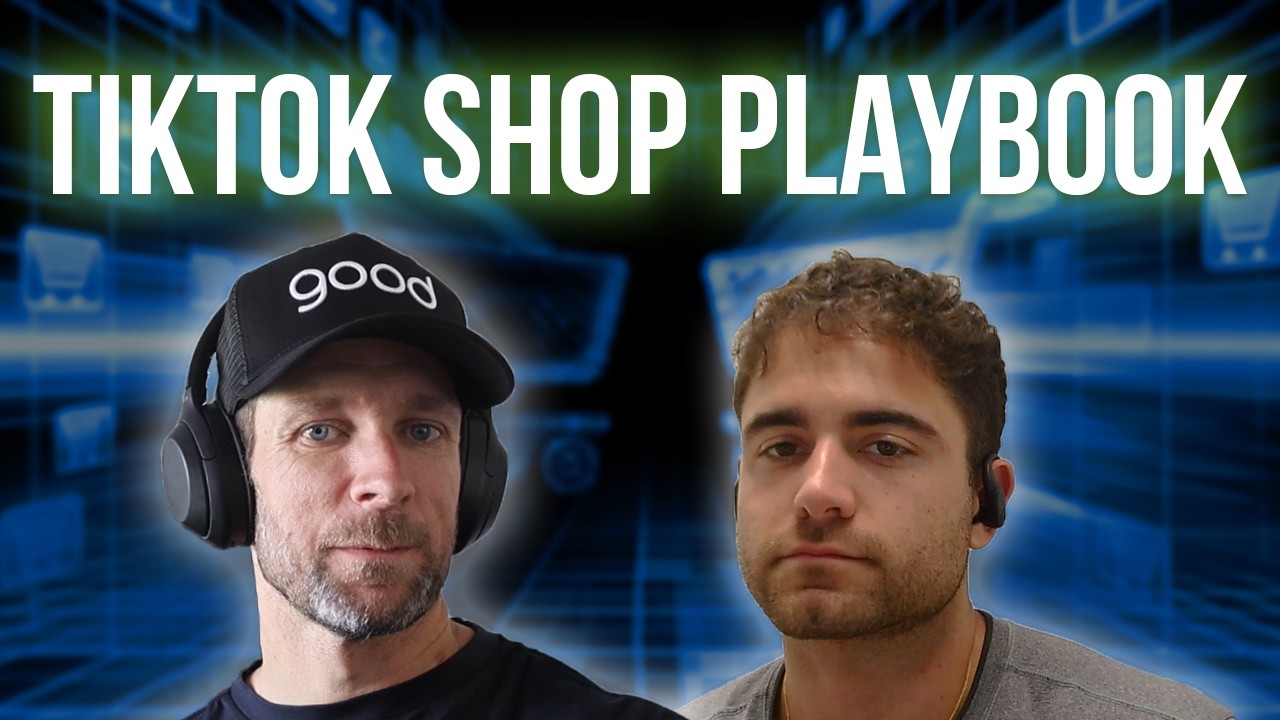
The Andrew Faris Podcast · @andrewfarispodcast
Words
13,012
Runtime
57:00
Speaking pace
228wpm
Reading time
54min
228 words per minute, above the 201 75th percentile of 349 measured videos. That distribution comes from the 349-video hook study.
Opening (first 30 seconds)
This is a great episode of this podcast. If you are getting into trying to get into TikTok Shop and you want a complete guide for how to do it, JT Serafa, my guest today, is going to walk you through all of it. It's so good I re-recorded this intro to make sure you got exactly what this is. From start to finish, JT walks through everything that you need to know to get your store going and growing on TikTok Shop. Formed by JT's experience with his own brand that he left his soulless corporate job to go work on, uh, called Pop Daddy. From there to his growth agency, TikTok Shop
114 words, the words spoken in the first 30 seconds at 228 words per minute.
Free, no signup. See how the first 30 seconds hold attention, with rewrites.
Sentence shape
| Measure | This transcript |
|---|---|
| Sentences | 768 |
| Average words per sentence | 16.9 |
| Longest sentence | 196 words |
| Questions asked | 74 |
| Sentences containing a number | 68 |
Most used terms
Filler phrases
889 in total: like 355 · um 211 · uh 119 · you know 103 · actually 31 · I mean 20 · sort of 17 · kind of 13 · right? 11 · basically 8 · literally 1.
A literal whole-word count of the same phrase list the Prepublish browser extension uses, so a phrase inside another word is not counted and a phrase used in its ordinary sense still is. It is a count and not a judgement.
Free, no account. See where attention is likely to drop, with a rewrite for each weak line. The free check shows the scores and the one issue costing the most. Or run it on the words above first.
Free · No login · See a sample audit first if you prefer.
What this transcript is
Every word below is the caption track YouTube publishes for this video, pulled from the video itself and reproduced unchanged. It is not Prepublish's writing, not a summary, and not a re-transcription: it is the video's own published captions. English captions, generated automatically by YouTube, in the video’s original language. Source: the video on YouTube. A channel that would rather this page did not exist can ask for its removal through the contact page, and it is removed.
No Script X-ray for this video: YouTube shows a Most replayed graph only once a video has enough views.
This is a great episode of this podcast. If you are getting into trying to get into TikTok Shop and you want a complete guide for how to do it, JT Serafa, my guest today, is going to walk you through all of it. It's so good I re-recorded this intro to make sure you got exactly what this is. From start to finish, JT walks through everything that you need to know to get your store going and growing on TikTok Shop. Formed by JT's experience with his own brand that he left his soulless corporate job to go work on, uh, called Pop Daddy.
From there to his growth agency, TikTok Shop focused growth agency, JTS Growth, named after AJF Growth. Not to to me, I guess. And what he sees with his clients there, he's walked through like, what kind of offer should you build? How should you approach affiliate outreach? How should you approach advertising? How should you approach organic content as part of this? Everything you need to know, down to details about go- growing your brand on TikTok Shop profitably on first purchase.
Just incredibly, incredibly helpful. Let's get into it. I don't want to take up any more time before we get to the content. JT Serafa from JTS Growth getting into TikTok Shop growth strategy. Extremely, extremely helpful. Do what I did with this episode, download it, download the transcript, turn it into an SOP, and then reach out to JT about growing your own brands. >> [music] >> What's up, man? >> Hey, what's up, Andrew?
How's it going? I'm doing good. >> Good. Good. I'm really glad to have you on this. I like I didn't know where to take the intro for this, as you've probably heard, because it's like there's too many good parts of your story. Let's Let's go back. Let's go back to the beginning. I didn't want to just make the intro about how, uh, I brought you on cuz you said that you liked my content. That felt [laughter] a little self-serving.
But, let's let's let's talk before we get into TikTok Shop growth strategy, creator strategy, affiliate strategy, which I have a lot of questions about. I get asked questions about this all the time from clients. Like, how should I build my creator deals? How many of them? Seeding, affiliate strategy? Should we all just go do the Hudson Comfort strategy? Like, what is Do you put ad spend behind it? Is there a halo effect?
All of these questions about all these things. But, I want to hear more of your story first. So, um so you you tweeted a little bit about this. You were in a corporate job. You had a career path growth. You didn't like it. Give us the quick version of like how you got going into e-commerce. And then and then even like like how the how you went from got going into e-commerce to how the brand started to grow. >> Yeah, definitely.
So, just like to give you the full full background and context um specifically about about Pop Daddy and and kind of how my uh journey falls into that, too. So, Pop Daddy Snacks um is our family business. Um my dad started it in our basement about 12 years ago. Uh me, my mom, and my sister uh we bought my dad a popcorn machine for his birthday. Uh he started making popcorn uh in uh in our basement for our family and friends.
And people liked it. They'd ask for it for like weddings and events and stuff like that. So, we'd make it for them. And we started selling it at like a couple local farmers markets on the weekend for some extra cash. And uh like a couple local grocery stores in Michigan where I'm from. Um and just like slowly but surely uh grew the popcorn business throughout retail um uh throughout Michigan and the rest of the Midwest. 2018, uh we launched our season pretzels, which was with my aunt's recipe.
Um she'd make them she'd you know, she'd come visit us and she'd bring us bring them to us. And um so, we started making them for fun for like me and my sister's school lunches. Um and then uh it was like a very similar uh process to how you could season pretzels to how we were already like seasoning and making the popcorn. So, we're like maybe we can just like try to season the pretzels the same way that we do the popcorn.
Um in the popcorn in this very small popcorn facility that we had at the time. Um and we tried the pretzels. The pretzels tasted great. Um we start started trying to sell the pretzels. And um long story short, in 2023, uh we scaled all the way up to about 20,000 uh stores across United States and Canada, all 50 states. Um pretzels majority of the business, popcorn uh business still growing, still coming out with new flavors.
But, like pretzels is really the bulk of the business uh now in in 2023, which is where TikTok Shop falls into the story. So, 2023, we're primarily retail driven. Like 90% of our sales came from retail, and we really wanted to diversify and find ways to grow our D2C sales and also grow our social media presence. Being a a retail first brand and also doing our own manufacturing, cash flow is is very tough for a growing business.
Like retail payment terms are, you know, 30 to 60 days. And we looked at our Shopify sales, you know, people who would like find us look at, you know, find us in the store and buy from our website. It was like, you know, the Shopify sales we got paid right away. They were profitable. And we're like, all right, like how do we get more of these? Um And so, that's why we wanted to grow our D2C sales. And then, we wanted to grow our social media presence, too.
We really didn't have any social media presence. You know, we don't have any like celebrity founder or or anything like that. So, you know, we saw retailers were really looking for brands with a strong social media presence. And we really wanted to build that out, too. So, that was like a big focus for us in 2023. And I saw a lot of opportunity there, you know, listening to your podcast when I was working for, you know, a big food company at the time.
And I saw there was a big opportunity to grow us on D2C and social media. So, I left there, went moved back to Michigan to work full-time with my family to help grow that. And around that same time was when TikTok Shop came out. So, I saw some other food brands that were doing what I thought was good on TikTok Shop. And and I was like, all right, well, like if they're doing good, maybe we can do good on there, too. So, I really had no idea.
I got us set up on there. We probably would have hired an agency to do it for us just like we do for Amazon. But there's like literally no TikTok Shop agencies that even existed at the time cuz TikTok Shop was brand new. So, I was like, all right, like I I I'm going to have to figure out myself. So, it took a while to do that. Um but eventually in December 2023, uh we had our first big TikTok Shop month on TikTok Shop.
We did about $700,000 on uh on TikTok that month alone. Um I had to put up like an Instagram story asking my friends and family to come help pack orders on Instagram for 20 bucks for for 20 bucks an hour cash and pizza for lunch. Um and uh and yeah, we were number one uh Yeah, they did. Yeah, we had a full squad. If you In some of our content on our page, you can see like I I posted some content of like just a bunch of like So, So, at the time I was I just turned 26.
I was like 23, I think, at the time. So, I still had like a lot of friends that were still younger than me that were still in college. And um and so like luckily like we had our first big month during December, which is like when all the college kids are on winter break. So, we got I got we got a lucky break with getting some, you know, good, quick, uh cheap labor in in in the house to pack all the orders. So, anyway, so we started to do really well.
Uh when we took off on TikTok Shop, our um our website sales 4x'd, our Amazon sales 4x'd, um our turns on shelf in retail increased. Uh before TikTok Shop, we were in about 20,000 stores. Now, we're in about 40,000 stores. We're in Walmarts now, we're in Targets uh in large part to the um virality and success that we've had um on TikTok Shop. So, um So, yeah, so we uh TikTok Shop was good for us. Um a bunch of other brands started to reach out to me asking for help.
I wasn't sure if uh the same things I did for Pot Daddy would also work for these other brands. Um So, I told them I was like, "Yeah, you guys like I'm I'm not sure if this is going to work, but like I'm happy to help." So, I started to help them. Uh they started to do well pretty quickly. They started to introduce me to other brands. Um and uh and that's how the agency was born. So, I'm full-time agency now. Uh my main responsibility at Pot Daddy, uh aside from the TikTok stuff, was uh the retail side of the business.
So, we do like 20 food shows a year. We're always on the road going to different food shows. Um so, we hired some people to take that over for me so I could just focus on our Tik Tok and my clients' Tik Toks. >> Um so much here that I think is so fascinating is I'm curious about first a little bit more about sort of like what was the initial uh how did you sort of get the initial growth in 2023 or whatever exactly that moment was 2024 on Tik Tok for Pop Daddy?
So, like what what was the initial like trying not to use the word pop because it's what was the what was the initial pop for Pop Daddy on Tik Tok shop? What what did you do to do that? >> So, a few things and this this kind of falls into the strategy that and approach that we take um with with my clients on Tik Tok shop, too. So, one big thing that we adjusted you want to make sure that you get right on Tik Tok shop is the offer.
So, like what you're actually selling on Tik Tok. So, before we were trying to sell the same way that we did on Amazon which was like three large bags of our yellow mustard pretzels or three three large bags of our garlic parmesan pretzels. Um and so I we tried selling that way on Tik Tok for a while wasn't getting much traction. So, switch to a variety pack uh of of all of our different flavors. We have like a ton of different flavors of pretzels at the time I think we had like nine or 10.
Now, we have like 14 but anyways at the time it was like I made it like a nine pack variety of smaller size bags of all of our flavors instead of like three large bags of each flavor. And I and what that did was number one it was like just people got to try more flavors for the same price which on Tik Tok shop is super important because Tik Tok shop is a discovery platform. So, like most of the people that are trying your item or like purchasing your item they're trying it for the first time like they never had it before.
So, it's important to lower the barrier to entry for the customer to try something that's new cuz like also the Tik Tok shop customer is super price sensitive. Um and like very value driven. So like the let the least amount of risk and the least amount of barrier to entry that you can give someone to try your product on TikTok the better. So the variety pack for us helped do that. And like for, you know, and for anyone listening to this that's like, you know, I don't have a ton of flavors to to make a variety pack, like whatever you can do to make it a low barrier to entry um to the customer the better.
So like giving giving us a steep discount to start, um giving free shipping, like whatever you can do to lower the barrier to entry is super important. So that's that's the first thing is um we adjust the price >> is just straight up price point, too? Like cuz cuz like I just imagine a product that's like on average, let's just say there's a product that's like a $200 product, okay? And it's it's uh and somebody's like, "Okay, I'll go 50% off for my first time on TikTok." Do you think Do you think a $100 product at 50 at a really good discount is still a bad fit for TikTok Shop? >> No, no, not at all.
At the time at the time 2023, yes, probably because like people still thought like if you bought something from TikTok Shop it was coming from China, so like they didn't want to spend a lot of money on TikTok Shop. But over the last 2 years like yeah, the the order average order value on TikTok Shop has gone up for sure. Like we have clients that are in 50, 60, 70 dollar range that are doing well. Um and like there's there's other brands on TikTok that are 100 plus, 200 plus that are doing well, too.
So yeah, it used to be more of an issue like like like, you know, higher price point items. But yeah, to answer your question like yeah, I mean it is it does just come down to price point, too. Like we always recommend a steep intro discount. We actually recommend to start on TikTok going break even if the brand is willing to do that um just to get your first initial, you know, 100 to 1,000 orders. And then once you get those orders in, you kind of build a moat around the listing.
So like uh reviews on the listing, sales data on the listing cuz on TikTok you can see how many people purchase it. Um and then also what that does is it helps build up um affiliate interest in the product cuz affiliates can see how much sales is coming from an item. Um and it encourages um the more sales the item has, the more high-quality influencers you're going to get that are reaching out to you to promote it cuz like since they're they're just paid commission, they want to promote brands that are giving sales.
One of the the best things you can do to to get those initial sales is run a discount. So yeah, so like pricing is a huge aspect of that and yeah, going on an initial discount is like one of the biggest things that you need to do if you're getting on TikTok Shop. >> It's really good. Um Okay, from there Now I have I have another question about your offer. So you I'm I'm I'm glad you came back and said I almost I almost lost this question, but I think it's important. >> Yeah. >> What the offer you described for Pop Daddy is a perfect intro offer for food and beverage because it's it's about trying a bunch of flavors and flavor is the thing.
I mean, if you go to food and beverage, so much of it is about sampling, you know, it's so much about getting the product into somebody's hands for the first time to try it and make that, you know, that's that is a classic food and beverage strategy. So So the idea of like a nine-pack with a bunch of different flavors makes sense. Is um did you then turn around and take that nine-pack offer and put it on any other channels on Amazon or on your website or anything like that that or or did you keep it different because the channel fit was better for other offers on other channels? >> Yeah, so we eventually did introduce it to our website.
Um but for a while it was just TikTok and then that trash the traffic that was coming in from our variety pack was driving sales to our other SKUs on uh on our website, on Amazon. Um also on TikTok like, you know, we still had the three packs of yellow mustard, the three packs of garlic parm listed on our TikTok. Um but because the variety pack was was gaining the traction and and going viral and getting people to try it and talk about it, we were selling way more of the three packs um that we weren't selling any of before um even though we weren't promoting them anymore because people would see our variety pack coming to the shop, go to our website, go to our Amazon, and then buy, you know, larger bags of uh of individual flavors. >> When you added the nine-pack to your website, uh anywhere else, did new customers gravitate towards that offer? >> Yeah, they do.
And actually have a good example as to like that's not Pop-Tarts related. One of my clients, Fishwife, um they uh they have like a like a a gift tin a bundle tin, and they also have like a a four-pack uh TikTok specific offer. Um and uh and I was I did the reason this is fresh in my head, I was just talking to them. And they were uh and they were saying like that uh they're saying that since the since their packs started to do well on TikTok Shop and the variety packs started to do well on TikTok, they've seen a big increase on the variety packs on their other channels, too. >> I have, once again, closed the job search with More Staffing cuz I found a great employee for the position that I had open, and I'm opening another one right now with More Staffing because I am still looking for more great people in my business all the time, just like you are.
My business is only as good as the people in it, and I have found great people in my business in the Philippines with help from my friends at More Staffing. More Staffing, at its core, is a staffing agency that connects you to incredible talent in the Philippines. And if you are still thinking of Filipino talent as $5 an hour virtual assistant, that kind of level of talent, you are missing out on the opportunity. The vast majority of the people vast majority I don't know the majority of my people are people who work at AJF Growth are from the Philippines staffed through More Staffing or one of their sister companies, and I just cannot say enough good things about the experience.
My money goes really far to hire at the top of the market in the Philippines, so I attract great talent. That talent is then really, really happy because they're getting paid well by local standards to work in a business that treats them well and cares about them, and it is a win-win relationship because then I can also apply more human leverage to the problems that my my business and my clients' businesses have. It is just fantastic.
You should be looking at coordinator, manager, director, etc. level talent across the board across every part of your business that's supply chain, design, video editing, anything that you are doing that [music] is touching your e-commerce business or touching your your service business, you should be uh hiring in or at least checking out at least opening up a job description. They'll even help you by the way form the job description.
Go open up that job search and see what resumes come back, >> [music] >> take some interviews, see what happens. Go to morestaffing.co/af. They'll give you a one-year guarantee on anybody that you hire. So, if the person doesn't work out for a full year, they will replace that hire at no additional head hunting fee. morestaffing.co/af. [music] Tell them I sent you. >> Fishwife is um one of my favorite brands I've seen in a long time.
I'm glad you brought them up. I I don't know their business very well. I've I've just seen somebody else reference it. Uh it is such a good brand. It's so cool and just like so beautifully executed. Um yeah, I I I love that. That That's it's a really really cool brand. They're kind of killing it, too, is my sense. I don't know if that's true, but yeah. Um okay. Uh yeah, so I the reason that I asked that question about offers is it's something I've been thinking a a lot about is a combo of offer brand fit and offer channel fit.
Like, if you just think about what kind of offer makes sense for food and bev, um you know, there's there's some really specific kind of things that that matter a lot. And really around the concept of sampling and trying it out for the first time. Um and I think probably on almost any channel that makes sense. It makes sense to me that's especially valuable on TikTok Shop, where you're doing big discount, affiliate-driven.
Maybe people want a a deal, they're used to that on that channel, whatever. So, it sort of increases it all the more, but um yeah, I'm just I'm really interested in you know, people talk about this a lot, but I just think there's just more of to press into for offers all the time. Um yeah, it's just it's just it's just a really important part of everything people do. Can you think of some offers for non-food and bev brands that you've seen matter on TikTok Shop when you when you go down this route a little bit more? >> Yeah, I mean, I would just say like a big thing to keep in mind when you're thinking about offers is making the offer as clear as possible to the customer.
So, like you don't want to list it with like a bunch of different sizes, a bunch of different SKUs. I mean, unless it's clothing, obviously, like basically, the way to think about it and you know, the way I think about it is you want to make the offer as clear as possible to the customer. You don't want to make it confusing. You want to make it very straightforward and simple what it is. You also want to give a great value, which basically just means give a a great discount in most cases or give, you know, a bonus or multiple bonuses, whatever it is.
Actually, and this is another food and beverage example, but like for a lot of our clients and for Pop Daddy, for example, whenever we come out with a new flavor, we'll like we'll add it as a bonus to the variety pack and then we'll see it go typically see a big sales spike when we add it as a bonus. So, whatever you can do to make the offer as clear and as clear as to what the product actually is and clear what the product is and also clear like what the value of the deal is. >> Makes perfect sense.
Is the um the the thing everybody's worried about with an offer like this is that they they they're nervous that you're going to get bad customers and I think people are nervous about this with TikTok Shop in general. Um that you're going to get a bunch of sort of value seeker, low quality customers, whatever. Um what can you say about that fear that people have? >> It depends how low you go, right? Um but going low is just the starting point.
So, I'll give you an example. It's going low is basically a tactic to help get the initial traction, which is the hardest part about TikTok Shop. Um so, like once you get the >> very it's a very, very helpful comment. Yeah, it's really clear. So, you keep going. >> What once you get the initial traction on TikTok Shop, everything becomes like a downhill snowball effect. The hardest part is getting it off the ground. Once you have it off the ground, it becomes way easier to grow it and to keep scaling it.
Reason why um it's kind of why I mentioned >> earlier, which is Yeah. >> Affiliates are just paid commission. So, the good ones only want to promote the brands that are getting some sort of sales. >> Right. >> So, once you start to get sales, you're able to attract way more quality affiliates. Once those quality affiliates start posting about you, other quality affiliates will see that and then more and then it is basically creates a snowball effect.
Other good quality affiliates will see that and they'll start posting it and so on and so on. Um so, the hardest part is just >> inbound That creates inbound outreach from affiliates, which is the key to to propelling it forward. >> Yes, exactly. Yeah, inbound outreach and also higher response rate when you do outbound outreach as well. >> Yeah. >> Um >> Yeah. >> So, and the reason why the sale helps drive the that initial traction um is because the TikTok Shop algorithm is heavily weighted towards added cards, product purchases, um and link clicks.
Reason why is because when you have that TikTok Shop link in a video, it's like if that anyone's not familiar with TikTok Shop, it's like you're having TikTok you'll see like a orange shopping cart link in a video. Once when you see that orange shopping cart, that means that TikTok Shop is making money from that video whenever someone purchases the product in that video. They get 6% of each order. So, it's it's different than a normal TikTok video where they they're just incentivized TikTok's just incentivized to keep you watching the video the whole time, so they they uh the algorithm prioritizes for non-TikTok Shop videos watch time, engagement, etc.
Versus on TikTok Shop, they really only prioritize link clicks, add to cart, uh and product purchases. So, doing a strong intro intro to keyword intro discount um helps spur the momentum. Once you have that initial momentum, you gradually raise the price back up towards baseline. Um >> You're making money on first purchase. >> Yeah, exactly. So, you might get some low-quality customers for the first, you know, 100 to 1,000 orders, but once you gradually Yeah, guys, but who cares cuz >> That's not the end game.
Yeah. >> Exact exactly exactly. >> Yeah, that's really interesting. Do you think that like affiliates are That's that's a very very very helpful clarify fine points to Yep, I think that's great. Uh do you think that there are affiliates who are like uh sort of uh becoming savvy to this sort of thing? Like they're they're like, "Ah, you're not discounting enough. I'm not going to work with you." >> Um I really think they just they just The biggest thing that affiliates care about is is sales volume.
Like they can see on their end how much sales a brand is driving um and that's that's their biggest encouragement of whether or not to post for a brand. Like people think that commission rates matter. Um they really don't as much as you think. like we have we offer 15% commission and that's what we recommend our brands offer is 15% commission. We've tested 30 like up into 30 35% commission. We really see very little difference in the quality of athletes and quality and quantity of athletes that reach out.
The biggest differences that we see is when a brand is has a higher sales week or higher sales month that affiliate response and interest spikes on those months. When you adjust the commission rate like it really it hardly changes. So that that's really how we know that the >> to me. >> sales volume. >> You know, one of the things that's the most notable to me right now in this moment of influencer marketing is that for a long time uh you know brands were annoyed that they would have to pay an upfront cost to creators uh in order to get them to post.
And this this is true sort of on all social channels. And they were annoyed at this because they would pay for a post and of course there's extremely wide range of outcomes. And so you had to find some way to make the math work to where it's like most of these posts won't work but then a couple of them will and the net effect of all of those is that it works out. Now what brands have wanted for forever in this space is affiliate deals because it shares the risk etc.
But influencers have hated affiliate deals because they're what they hear in my experience is you're asking me to work for free. Like and it's because affiliate and because of you know for a bunch of different reasons. But one of the things I've noticed is that in the last few months that is totally shifted particularly in TikTok shop but I think there's some amount of this also on Instagram as well where increasingly actually my sense that creators influencers they want affiliate deals because they actually now see that as a pathway to make to maximize their earnings if they're if they do a good job and a flat fee actually doesn't help them as much.
Now with TikTok shop I know it's like part of the deal is like it just is an affiliate platform. So like it doesn't really matter what you want is my sense is like you this is just like how it works. But but one of the things you said there that I just I've I have not put this together until right now is that I think part of the reason that has not worked for influencers in the past is that they have absolutely no idea how much money the brand is actually making.
And so, they don't know if the brand saying, "Will you post for an affiliate fee?" is making $1,000 a month and can't sell anything or if the brand is making $10 million a month and is like, "You're going to put this on the internet and everybody's going to buy it." But, on TikTok, the affiliate can see that. They can see the sales volume. So, they know, "Okay, I'm actually going to get paid here." And and it raises the floor and de-risks the whole proposition for them in a way to where like this the combination of website.
And I just hadn't put that together until right now that that in piece of information was asymmetric in the past, you know? Um and so, it made it really, really hard to see. But, on TikTok, if the if the affiliate can see, "Here's the volume this people are doing." then that makes a really, really big difference, you know? >> Yeah, 100% 100% and also I think what TikTok has changed as as far as like allowing more affiliates to be interested in in in commission-only deals is is exactly what you just said.
I think also the fact that they can just very easily request samples through TikTok instead of like having to like type a message out to the brand. I think it's a friction reduction. >> Yeah. >> It's that and that reduces friction. I also think that the fact that they know for sure that they're going to get paid like right away like right when the sale happens helps too cuz TikTok pays the creator out automatically based off the sales.
So, it's very hands-off for the brand. It's pretty much all done through the the middleman facilitator which is which is TikTok. >> Yeah, it's so interesting. One of the sponsors of this episode of this podcast is Refunnel who I've been like really glad glad to have as a sponsor and I think this is actually another reason on the sort of Instagram, Facebook side of things that this is all getting more affiliate based for exactly the same reason which is that it's just getting so much easier for both sides to have to have plenty of information and plenty of friction reduction about about the whole thing.
And here's how it's going to work. You're going to see what's going on. And yeah, that's interesting. I actually wonder if um yeah, it Refunnel has made that just dramatically easier for brands than anything I've ever seen before. So, um, so I like I sought them out as a sponsor for that reason. Is, um, it'd be interesting to see if you could actually make sort of mimic this on the Instagram and Facebook side where you like could sort of show the influencers in your outreach to them or something like and just for context, this is how much stuff we sold last month.
So you know, you know, like like I wonder if they would almost especially if they're on TikTok as well, if they would if they would almost like respond more positively if you could sort of uh, you know, give them a little more clarity like you're probably not going to get blanked here, you know. No, I don't know. Maybe it would work, maybe it wouldn't. >> Yeah, 100%. Um, I would say, um, I would say also like just going back to the the TikTok shop or the Pop Daddy. >> Um, Pop Daddy like how we how we took off.
Um, so number one was was a offer. So we changed the offer. And then the second thing that we did was adjust the content style and just test and iterate different content styles. So the first couple concepts that started to do really well for us was like street interview content. Um, the first video that that took off was actually an order packing video. And there's actually funny story behind that video. So like I I'd been trying TikTok shop.
I mean, I got on there in like in the sometime in the summer like June or July um, 2023. And then we had our first big month in December. So it was like four or five months of like trying to figure it out. Um, and I made this like order packing video in in the facility packing like the variety pack. And I posted it right before I left the office. I got home. >> But this is on your organic social you're saying? Just on your organic social media. >> exactly my organic yeah, yeah.
So it was it was a brand video that took off for us first which is actually what we see from most of our clients too is brand videos taking off first which is a big difference than one of our biggest differences in approach from other agencies. But anyways, um, yeah, so I posted the video, left work, you know, went home, had dinner with my family, finished up finished up dinner, checked the checked the video. Um and my dad like you know, the the video had no traction.
I'm like, "Dad, like I don't know if this like video stuff is like going to work. I don't I really don't know if this social media stuff like can work for food and beverage or for us. Like I don't know." Um anyways, I go to bed. I wake up the next morning, we have like 200 orders. The video's like has like 500,000 views. Like it's it's flat. My my phone's blowing up. I'm like, "Oh my god, like is this like it this has to be fake." Um and then yeah, that was the first day that we started to do well and like I said, once you get the snowball off the ground, it's a downhill effect from there.
Um so uh so yeah, so that was that was like the start of it. So it was changing the offer and and iterating content was the was the two main things. >> Okay, so so I was going to say, what's the takeaway for other brands then for that? Is it that they they just need to keep posting, keep iterating, keep trying different kinds of content? >> Yeah. So, I would say 70% of my clients will take off from one of the initial videos that we make for them that's posted on their because to start um affiliate con but just like I was mentioning, the amount the quality and quantity of affiliate content you're going to get when you first start is much is going to be much lower than what you start to get sales.
So, if you put an emphasis on good TikTok Shop brand content, um and what is a good TikTok Shop brand content? Maybe we can dive into that. Um but if you put an emphasis on good TikTok Shop brand content, um that can help expedite your initial sales volume, which then in turn expedites your your success with the affiliate program. Um so, we still do affiliate outreach right when we start working with someone and that's what we recommend for brands.
Like still, you know, still do affiliate outreach right away. Um but uh but also prioritize brand content cuz brand content you can fully control um and customize towards whatever you're promoting on TikTok Shop. And affiliate content to start is a little bit harder to control and a little bit less um consistent. Um so, we do recommend both angles not just relying fully on affiliates. >> Let's talk about that on the process and operations side.
So, if you're saying go make good brand content, so you're just your Oh, I mean, let me just clarify what you're saying. You're saying make a good organic social content on TikTok, right? >> Yeah, yeah. With a TikTok Shop link in it. >> Okay, yeah, great. Uh so, do you have any When you tell a client of yours to go do that, do you help them make it? Do you give them SOPs? Do you give them guide book Like what are they Besides tell them, "Hey, go do this." what do you tell them? >> Yeah, so typically how it works um is So, we we make the content for them.
Uh we make 48 videos a month for our clients. Depends Depends on the client. Um but uh yeah, we script the videos out for them. We film them. We edit them. Um we utilize their the footage that they have at their disposal, too. Um a lot of big content style that we've been doing recently that's been working really well is founder story content. Um so, I to go back to Fishwife, that was like the the how they got their initial traction.
I think the one of the first founder story videos we got made for them is over 6 million views now. Helped them get their initial traction. Um same thing with uh a lot of other brands that we work with as well. They'll get their initial traction uh from from one of the um brand videos we post for them. A lot of times, they're like founder story type videos. Um also, we do like order packing type videos. Um stuff like stuff like that as well.
Um we utilize a mix of footage that we film and assets that the brand sends us, too. Uh and for all the videos, like they're not just normal organic like TikTok videos that you might think. Um they're basically paid ads, but for TikTok Shop specifically. So, they have a strong hook. They have you know, a full body, and then the call to action is like specific to TikTok Shop. So, it's specifically calling out um it's specifically calling out what the offer is.
That's on a discount. That's you know, TikTok Shop specific. Um it's a very TikTok Shop specific CTA. And then obviously, the link is in the is in the uh product link is in the video too. So, I if you're a brand listening to this, that's where I'd focus on. I'd focus on if you're just launching on TikTok Shop, um you know, hook still, you know, body, and then make sure that your CTA is directly calling out your whatever listing you're trying to push on TikTok Shop. >> Why make four to eight of those videos per month and not a hundred? >> Yeah, I mean, I tell my clients like a hundred, you know, a hundred high-quality videos is better than ten high-quality videos, but like um you know, don't sacrifice quality for quantity.
So, as many high-quality videos that you can make the better. So, like the videos we make are just supplemental. Like our clients still do their own content creation, too. Um and a lot of times what happens is they'll find out like what hooks, what angles, what products are working from our content, and then with their current whatever, you know, content creation process they have, um they'll double down with whatever hooks, angles, products are working with their own content.
So, it's it's supplemental content um to help get the ball rolling. It's not like, you know, they're not just fully relying on us for their whole, you know, content operation. >> That makes more sense. And you when you're talking about making those those videos, what I hear you saying a little bit is like exercise your direct response muscles here. It doesn't have to be some weird TikTok specific content. You're saying just like hook, body and education, like CTA with a big offer, just like you would on a Facebook ad or something. >> Yep, exactly.
Yeah, exactly. Um don't use super high high like highly edited, you know, footage. Like it should it should all be iPhone clips, um typically. Uh but yeah, exactly. They're basically a Meta ad, but for TikTok Shop. >> I've tried to tell you how much I love Refunnel for a minute. I want to make it clear to you by showing it to you. This is the Refunnel demo account. It is such a helpful piece of content. So, first, social listening, insanely easy.
Just right here you can see in your dashboard all of the posts that somebody has posted tagging your brand in it all showing up in one places. So, as people are posting about your brand, they're tagging you, >> [music] >> there you are. You can see all the content compiled right there for you in one place. Social listening stuff is all right here. You can see impressions, likes, comments, shares, all there. But that is just the beginning of what makes Refunnel so great.
[music] What makes it even better is the next steps you can take from there. So, not only do you see easily all the content people are posting about your brand, but if you want usage rights for that content, it is a one-click click. You could request usage rights and boom, somebody can send you usage rights for that content in your ad account. You can also request whitelisting rights with one click. So, you can actually get partnership ads going right away.
Uh just insanely easy to get everything done that you need done. You can also upload content to Google Drive straight from here. Um you can attach it to campaigns that already exist. Just just like all of the friction all of the friction that comes with uh running uh organic content creation and and uh coordination, turning that stuff into ad account content. If you're working seriously with creators and influencers for your Facebook ads and for your Google ads, it is all so much easier with Refunnel.
I just sent another client of mine there. Both of my clients are already using it who are serious about creator and influencer outreach on Facebook ads. You just have got to go check it out because it is so fantastic. It's such a friction-filled piece of the DTC growth playbook, but it's an important part of the DTC growth playbook. Refunnel is the best tool I've ever seen for making this easier. Go to refunnel.com. refunnel.com.
Check it out. Tell them I sent you. Uh get started with it today. Really, really helpful software. Cool. Um let's um let's think about the halo effect that you mentioned uh immediately in telling that story, which is that 4x 4x sales on a couple channels, you doubled your retail doors on TikTok after TikTok Shop and everything. Um this is this is actually another potential answer to my question earlier about getting low-quality customers on TikTok or whatever.
It seems to me that this is one of the main things everybody talks about with TikTok is that you make a little bit of money on TikTok, but realistically a lot of times from what I hear a lot of people talk about this, and you can feel free to disagree with this, JT, it's break even or lower on TikTok, but the actual impact of the business is that you drive so much value on your other channels that it that it ends up easily easily easily paying off at the level of profit for for your other channels.
How do you think about Halo effect relative to TikTok approach and and uh TikTok Shop approach? >> Yeah, you you brought up a great point um about profitability. So I actually could jump into profitability before and then and then leading into to Halo effect. So my approach is you Most of my clients are profitable on TikTok Shop once after they raise their price from the initial discount. The main difference that makes you profitable versus not profitable on TikTok Shop um is ads.
If you're heavily reliant on ads, um then you then you're it's going to be tough to be profitable. If you're not relying on ads, I mean the main TikTok Shop cost is 6% to TikTok, 15% to affiliates, but typically around half your sales are coming from affiliates. So if you're making a P&L, it's like 7.5%. So 6% plus 7.5% um plus agency fee, you know, 3 to 5 3 to 5%. Um I mean, you know, it's it's it's >> That's fantastic.
That's incredible. >> Oh, yeah. Yeah, yeah. >> Right. From From my understanding about Amazon, it's much lower than that. So really like the the main difference that makes you profitable versus not profitable is if you're relying heavily on ads. Um and then also like, you know, intro discount, too. So anyways, just to touch on profitability briefly. But Halo effect, um there is that's the coolest thing about TikTok Shop.
Like, you know, if you're crushing on Amazon, you're not getting eyeballs on on that's leading into other channels. If you're crushing on Meta, I mean, it's it's it's you're not it's not really leading into other channels to to my understanding. Um TikTok Shop, if you're if you're if you're getting a lot of sales, um then it's also meaning that you're getting, you know, hundreds of thousands or millions of eyeballs on the product that's leading into um other channels.
Um so yeah, it's coolest thing about TikTok Shop. And then just like to give some uh anecdotal experience with Halo effect. Um especially through retail, like one of the biggest areas that we've seen it is is through retail cuz like we don't really get access to it's tough to get access to like you know, we don't really have access to our clients Amazon data or like, you know, we're not in there meta accounts cuz we're just doing TikTok shop.
So like a lot of the data that we get is is anecdotal but like just to give you some of this anecdotal data. Um I mean for for Pop Daddy for example, uh we do like a lot of those trade shows that I was talking about to get into retail and um like before we started do what to do on TikTok shop like a lot of the the, you know, buyers uh were who, you know, are in charge of getting products into retail were um like you know, we had to explain what our product was to them.
Now we get a ton of them coming up to us be like, "Oh, I saw your product on TikTok shop." And then if they don't know our product, now we tell them, "Oh, we're one of the top selling food and beverage items on TikTok shop." and their eyes light up. And we have like and we we make these for our clients, too. We have like a um whole PowerPoint uh slide that we put in our uh retail sales deck and our client's sales decks um that show, you know, the success on TikTok shop and buyers always love to spend a lot of time on on those slides when you're, you know, pitching a retailer.
Um so that's one piece of piece. Uh we work with this client called um Ghetto Gastro. They're like a pop-tart company. Uh they're in Target and uh they started to do really well on on TikTok shop. The the Target buyer called them. It was like, "What happened? Like why are these why are these pop-tarts flying off the shelf right now?" Um and uh I just that's another piece of the anecdotal uh data and then um and yeah, we just hear from our, you know, from our clients all the time how, you know, oh, in this store, you know, we're selling the same thing that we did on TikTok shop.
Our orders are are flying in that store. So it's a lot of anecdotal data. I wish there was more measurement around like the actual halo effect that just you know, yeah, right. Yeah, it's tough. It's actually funny. TikTok TikTok has like a dashboard in the in the seller center that's like it says halo like, you know, halo effect dashboard and it's like, "Where are these guys getting these numbers from?" There's I there I feel like they're pulling out of thin air. >> You have to be comfortable with the idea that like there's going to be vibe and testing here.
And and I I think that's fine. I mean, talk about the idea of like retail sell-through, selling to retail buyers because of this. There's no way you're ever going to measure that. But, it's funny because this is an underrated aspect of almost all advertising, which is that you get eyeballs you get from all kinds of other people. And TikTok is just still for better words, I think in a lot of people's minds, is just cool, you know?
So, if like if you're big on Tik Tok TikTok Shop, then the retail buyer is going to see that and think that you're cooler, you know? I just think I just think versus if I told you I'm spending a bunch of money on Facebook ads, they'd be like, oh. Whatever. >> Yeah, that's actually that's that's actually really interesting take. I that that I love that. Um Another thing too is like there'd be brands that like launch on TikTok Shop and like TikTok Shop only.
And like and they'll To give you an example of this brand called Birria Bombs, like they launched on TikTok Shop. They're in the Costco's nationwide now because like they started do to do well on TikTok Shop. Like that's where they started. Um so, yeah, it's just cool to see like the impact that it has off >> off channel. Yeah. >> Yeah. I I think that's that's right and I think it's what is going to generally be happening for most brands that do this well.
Let you mention ads, you brought that up as something almost to tread lightly with. Talk to me about your take on on TikTok ads and sort of how should people be thinking about that in the process? >> Yeah, so I recommend just setting them live once you hit uh 100 plus shoppable videos. So, what a shoppable video is is you know, a video on TikTok Shop with a a TikTok Shop link in it. So, it can be your own brand videos, it can be affiliate videos.
Um typically the ads won't start spending um until you hit over 100 videos. So, once you hit 100 videos, I recommend just starting small um at a small budget, $100-200 a day budget, low ROI target just to get some initial spend going. Um see what the ROI is. If you're happy with it, just continue to raise um uh budget or or or raise the target and just gradually scale it from there. So, just I recommend just start small and just, you know, scale it as as you're comfortable. >> Um and are you telling people to push it really hard?
It sounds like not early. Like uh or should you think of this is like you should still try to be profitable on first purchase? Like you know, how should you think about that? >> Yeah, so I it really depends on the brand. Like if they want to push, you know, and some brands each brand looks at it differently. Some brands want to uh be profitable from TikTok Shop and, you know, worry less about visibility. Some brands are just like, "Hey, we just want to use this solely as a marketing channel." I actually have I have a frozen fruit food brand, for example.
Um, it cost them like 30 35 bucks to ship an order. Um, and uh and like they're I started with them like a month ago. They're they're doing like 4 or 5,000 a week in GMB right now. So they're they're scaling. They're off to a good start. Um, yeah, like they're losing 30 35 dollars on on on each order, but they're fine with it. They're happy with it because it's driving um halo into retail. So like it just depends on the brand's goal.
Like some brands like JT just break it even. Some brands are like, "Hey, you know, we can lose money. It doesn't matter." Uh and some brands are like, "Hey, you know, we have a limited amount of inventory. We're not as worried about visibility. Like, you know, we just we want this channel to be profitable." Um and those cases we we uh we push the ads less. So it just depends what the brand's preference is. I don't know.
I think I would say though too um about GMB Max ads. And I'm by no means am I like a Meta ads expert, so I'd be interested to get your take on it. But like I feel like the um the Meta algorithm is like so much more advanced than the GMB Max algorithm. So like on Meta, I mean my understanding of it is you can put a, you know, a piece of content and and you know, an offer on an ad. You let you you send it out into the, you know, into Meta.
And like you'll know like pretty quickly like is this piece of content, this offer working or is it not? On TikTok Shop, the algorithm takes a long time to warm up. So it's like you could have like videos in there that are going to start performing in a month even like a month two months from after they're posted. Um like you won't know right away if it's like a a much longer feedback loop if that makes sense. >> Yeah, what you're describing definitely is different than what we generally see on Meta.
So, I think that's that's right. Um I um I'm I'm really interested in this sort of from a total perspective. Let me just repeat it back to you and you tell me if this is right. So, you um you Let's actually do the whole thing, right? You build your offer. You get your initial discount uh customers if that's what you have to do to get some kind of traction going, something like that. Along the way, you're building shoppable videos, basically, right?
As part of what your organic brand voters are posting. Somewhere along that process, what happens is you end up with uh By the way, when you're doing those initial ones, are you promoting your super discount offer? Is that Is that what those initial videos are doing? >> Absolutely, yeah. And in the CTA, yes. >> Yeah, great. Okay. So, you build those. Now, you get some traction. Now, you get affiliates going. Probably at that point now, you have to move to your less discounted offer uh because if you're going to run GMV max you ads, you you can't run them on your super discount offer that you're using from the beginning.
So, now you got to kind of almost start from scratch, maybe even just repeat some of those videos that you've already made, but change the offer a little bit, right? You know, anyway, you get the idea. Something like that. You start building up that bank. As you're getting more affiliates, as you're growing sales there, at the same time, you are um you're building up to 100 plus brand videos that are shoppable as part of your organic TikTok approach.
Yeah? >> Mhm. Yep. >> Okay. Once you reach 100, now you're saying like, all right, now we've got enough fuel here to where we can start spending on ads as well. And as you do that, TikTok ads become a larger part of the story and can potentially help grow you a little bit more and help sales velocity more, etc. Um Okay, again, let me just So, just having said all that, does that sound about right to you? Did I miss anything in there? >> Correct.
I'd say the one thing the one piece that we're missing in there is is affiliate outreach, which you start simultaneously once after you have your your your offer set. >> about this. Tell us how to do this. >> Yes. So, um we use a outreach tool called Cruva. Um and we send 2,000 or more uh messages a week for us, Pop Daddy, and also our clients uh per brand. Out of the 2,000 messages a week that we send, if you're first starting on TikTok Shop and you don't have that initial sales uh velocity behind the listing yet, which makes it less attractive to affiliates, you'll typically get 100 to uh re- sample requests out of those 2,000 messages of outreach uh that you send.
Um out of those 100 to 400 >> 5 to 10% 5 to 20% uh response rate on that. >> You're saying? >> Correct. Correct. Um and then out of those 100 to 400 um affiliates that reach out when you're first starting, typically only 10 to 40 of them are like affiliates you look at their content and you're like, "Oh yeah, like these guys are good. Like we want to send content to we want to send products to these guys." Um so, >> Okay, let me actually let me let me ask a clarifying question there.
So, so when you send to the 2,000, you're not vetting them that aggressively. You're just You can't really vet vet 2,000 creators a week. So, you're just like if it looks close enough, you send out the outreach, yeah? >> Correct. Yeah, we're not vetting them very closely. The way that we get those 2,000 affiliates um is a couple ways. Number one is like uh our TikTok reps will send us lists. Uh number two is we'll use that that the the tool I mentioned, Cruva, um to uh to pull um >> How do you spell that for people who want it? >> C- Cruva.
C R U C R U V A dot com. >> great. >> Um and so, you can you can pull like, you know, food and beverage uh creators over, you know, 20K followers with over, you know, 1K GMV in the last 30 days. Whatever, you know, filter you want to do. We'll also use a third-party tool um to pull a um competitor uh or adjacent brand top affiliates and we'll we'll we'll pull those affiliates, too. Now, the reason why you still have to do like manual vetting of the affiliates that request samples is because like say you're pulling that list of like you know food and beverage creators over you know 1K GMV whatever that the filter is um even if they generated sales like in the last 30 days or you over 1,000 sales in the last 30 days they could have just got lucky had a video that was bad that that did well like you know just cuz they have sales doesn't mean that they're making high quality content that they risk sending product to so you still need to vet them yeah more in depth after you send the initial outreach. >> So you send the initial outreach people respond you then go look through those responses and approve sending it out.
Now that that approval process is my understanding you said this earlier is I'm assuming this is like a button click and it sends a product to them. >> Correct yeah it's so nice it's like one of the biggest difference between Tik Tok and other channels is like if if you're doing this on on Instagram like either you have to pay for a third party software to help do this and it's probably not as seamless cuz it's a third party software or you have to you know you have to have your team make a discount code for the creator you know track how much sales are getting have your accounting department pay the creator it's all automated at Tik Tok shop all you have to the hardest part about the affiliates on Tik Tok shop is just attracting them to want to promote your product and then you know once you once you once once you attract them and they request samples you click approve and boom it flows through your order system just like any other order would have flowed you know if you want to set up to Shopify fight you can set up to Shopify and it will pop up in there as a zero dollar order you fulfill it just like you would a normal order. >> Yeah really cool.
Okay so so what you're really looking for when you when you're analyzing those people who you've outreached to and have and have said yeah I'm interested in receiving product you're really just looking for content quality you you you're just looking for people who you think this is pretty good. >> Yeah yeah exactly yeah content quality is the main thing like you can look at you know GMV at and you know post rates a good one too but like the main thing you want to look for is is content quality cuz even if they haven't you know driven a lot of sales but they're making good videos about you know about other brands like it's worth sending them product. >> Is there any chance that um that you're being too conservative with that?
That like that essentially that the venture math here would work the way it's like if 200 people respond you should just send all 200 people product because of cuz even though uh one in 20 of them is going to work or whatever like >> Yeah. >> the value of that one is so big. >> It's a little bit of a different of a different approach. There are a lot of people out there that have that approach you just mentioned. Um like for Podia for example like you know we you know we are want to be as efficient as possible.
Um >> Yeah. Yeah yeah. >> And a lot of the clients I work with want to be as efficient as possible too but there's certainly that approach out there that like you know like I guess the balls to the walls approach um that's definitely viable and yeah that I mean that would you know from a pure sales and marketing perspective it would be better but um from an efficiency standpoint it wouldn't be. So yeah it's definitely a viable approach. >> Yeah I mean it may just be so expensive but I mean the whole idea of like the the venture approach to something like this right?
The idea that you would send the the venture math by that I just mean right? Like you assume a lot of it's going to fail but the but the bets that win are cover all the other ones and more right? So that's sort of the the total value of the portfolio exceeds that the um that's that that that is theoretically great but also cannot work right? Like all of them can fail. So um >> Yeah. >> So I I just don't I don't know enough.
Like it only works if it works right? So like it's possible not a good bet and I just don't I don't really know. So um that's why I'm asking you. That's interesting. Um okay and then now let's let's go over uh anything else you want to say about affiliate selection anything like that? >> Um no that's good. >> Okay. Cool. Uh last last topic here we we only got a couple minutes left anyway. Um let's actually talk about the tactics of the of the media buying just a little bit more.
You mentioned GMT Max. Just tell people what that is in case they don't know TikTok Shop or TikTok TikTok Ads really at all. And anything else you want to say about like that you think matters for people just sort of briefly about like campaign structure, creative selection, turning ads off and on, that kind of stuff that meta buyers talk about a lot, but I don't really know enough to to know how to guide people on Tik on Tik Tok ad buying.
So, what do you think about that stuff? >> mean absolutely. So, I mean Tik Tok Shop GMV Max ads, like they make it purposely like super easy for anyone to manage cuz they want people to spend more you know, the easier it is for people to manage, the more money people are going to spend on it. Um so, there's like not like a whole lot There's like really not much customization you have to do with um the GMV Max ads like really at all, uh which is which is nice um from a brand owner perspective.
Um so, yeah, anyways, how GMV Max works and just like to you know, give like a brief overview. Um GMV Max, you set it live, right? You set it You basically set a budget, you set a ROI target. Once it's live, it filters in automatically all the shoppable content that's posted about your product. So, you don't have to like automatically have to like upload the videos. Tik Tok Shop, it's all automatically All of the videos with the shopping link are automatically put into the campaign, which is super nice.
Um Once all the videos are in the campaign, the algorithm decides, "Okay, which content is going to drive the most GMV?" Hence the name GMV Max, and pushes the spend towards those videos. Um so, as far as campaign structure, what you can do um is I mean it's fine if you have it all all all you know, all your products in one campaign. Um you can also uh separate them out uh per products. Like so, if you heard of hero SKUs on Tik Tok Shop, most brands will have hero SKUs like two or three of their products will drive 90% of those sales.
So, typically it's recommended to um separate out your hero SKUs into separate campaigns, and then have like say you have three hero SKUs. You have the three hero SKU campaigns, and then you have a fourth a fourth campaign that's just you know, all the rest of the SKUs. Um and that can just help that will help the individual um hero skews be as efficient and push as much GMV as possible. Because if you have it all in one campaign, and like one hero skew, you know, the algorithm's deciding like this one hero skew is going to drive the most GMV if all the spend goes towards it, um then some of the other hero skews can get neglected.
So, um sometimes it's nice to to separate out the hero skews in other campaigns, but I mean for the most part like it's pretty it's pretty automated, which is really nice. Like um so yeah. >> All right, man. This is a super helpful episode. JT, thank you so much for this um I I sort of expected that we were going to get into your story a little bit more, but I'm actually going to go back and change the intro, because this is one of those episodes that is like so insanely tactical. >> Yeah. >> You've just laid out every detail of what to do that I like I'm just going to tell you what I'm going to do with this.
I'm going to download the transcript. I'm going to turn it into an SOP, and I'm going to drop it into our knowledge library, and connect it to this podcast, and we're going to have this for forever. Now, even having said that, uh what I know for sure is that it sounds great to say, "Oh, I'm going to go build this SOP and do all that." Except, it's actually super hard to execute these things, and there are all kinds of things that you probably didn't talk about that are part of the process.
And what I would want even more than that SOP is somebody really knowledgeable to go do this for me, and I'd be happy to pay them a good rate to do that. You are that person in many cases at JTS Growth. Tell me who should reach out to you, and where should they reach out? What kind of client is like a great fit for JTS Growth? Uh what should they pay you to do, and where should they Where should they uh send you an email? >> Yeah, so send me an email to jt@jtsgrowth.com, or honestly just uh hit me up on LinkedIn, um JT Saraufa.
Um and yeah, any brand that that is launching on TikTok Shop, or wants to launch on TikTok Shop, curious about it, um or already launched and not seeing the sales that they that they want, um yeah, any brand that is uh that that is interested in TikTok Shop, feel free to reach out. I'm happy to answer any of >> Should they have a minimum amount of revenue so far before they reach out to you? Like >> Um >> Like >> I mean, I'm I'm happy to connect with any any any level of uh brand owner. >> Great.
Great. Great. All right. You can go get the links to JT's website, jtsgrowth.com. It's so funny to me that you call it jtsgrowth. At the link for that it's in the show notes in the description on YouTube. Also, if you have any questions for JT and you want to put them in the description on YouTube, do that and I will send a link over to him. I can't guarantee anything. He's got plenty to do, but but maybe he can he can mix it up in the comments for for people who are interested in that.
While you're at it, subscribe to obviously to my channel wherever you're watching or listening to doing that and and like the video while you're doing that too. You made it this far. Come on, you can subscribe. You like the content, clearly. JT, thanks so much, man. I appreciate it you coming on and doing that. This is a great episode. You I'm giving you the official Andrew Farris Podcast open invite. So, when you've got more to say, come back in a couple months.
Let's run it back cuz this is a great episode. >> Let's go. One last thing I want to say is is I remember like when I was in that period of like from like July to December where I was just like trying to figure out like how how we can make the this D2C and TikTok shop work for Pop Daddy. I was I'd be on the way to work listening this podcast and and I learned so much from it. I actually made a list in my like a notes list in my phone when I was at the corporate job I was talking about and just like, you know, consuming all this this information and what made me like feel confident that Pop Daddy had, you know, a real shot of success on on TikTok.
I made like a list on my phone that was like planned to get Pop Daddy to sell a million bags online. And like half the stuff that I like the tactical like suggestions that I put in that notes list was from this podcast. So, anyways. >> Amazing. That's really awesome. I'm really glad to hear that. I I told you this on Twitter, but it's really true. Like, you know, even in an interview, it's like you and me talking right now and I and I I see the view numbers.
They're not like monstrous or anything like that, but I know there's people who are listening. It's just hard to feel them a lot of times. And so, um when people tell me those stories, it's actually it's actually like incredibly encouraging to me. So, I appreciate you taking a minute to say that. Obviously, I make money from this. Obviously, it's not charity, but I like I never lose sight of the fact there's a real person building a real business.
So, it's like it's the coolest thing to hear that you were like you quit your soul-sucking job and um >> [laughter] >> and like went and helped your family grow their their business that was like your aunt's recipes. It's just the coolest. So, um yeah. All right, man. Thank you so much. Everybody go reach out to JT. JT, we'll talk to you soon, I hope. >> All right, thanks, Andrew. Peace. >> I completely loved this episode of JT.
Just an incredibly clear thinker, down to every possible detail. One of those guys who clearly knows exactly what he is talking about. Go reach out to him, like I said, via the show notes links. You can also reach out to me if you want my help growing your brand, your uh your e-commerce brand with Facebook ads, great financial forecasting, uh great creative. Go to ajfgrowth.com, fill out the intake form, tell me a little bit about your business, or just email me at podcast@ajfgrowth.com.
That works as well. And of course, subscribe wherever you're watching or listening to this podcast so you don't miss any content in the future. Big thanks [music] to my sponsors for this episode, Refinal, who I mentioned earlier. Go to refinal.com for them, or More Staffing, [music] morestaffing.co/af uh to get great help for your business from the Philippines, like I do with my business all the time. Thanks so much for watching, for listening.
A bunch of great episodes coming up. Don't miss them. Talk to you soon.
The words are the caption track's own and nothing is reworded or re-transcribed. Paragraph breaks are placed between sentences so the text reads as prose.
Free tools for your own script: paste a draft and see where it stands before you record it.
Paste your draft and see where viewers are likely to drop off, with a rewrite for each weak line.
Paste the first 30 seconds of your own draft for a hook score and rewrites.
Check your draft against YouTube's advertiser-friendly guidelines before you record it.
Read this channel's public videos and transcripts, and download a writing brief for it.