Getting the transcript
Reading the captions from YouTube. A video nobody has opened here before takes 10 to 30 seconds; this page fills in on its own.
Getting the transcript
Reading the captions from YouTube. A video nobody has opened here before takes 10 to 30 seconds; this page fills in on its own.
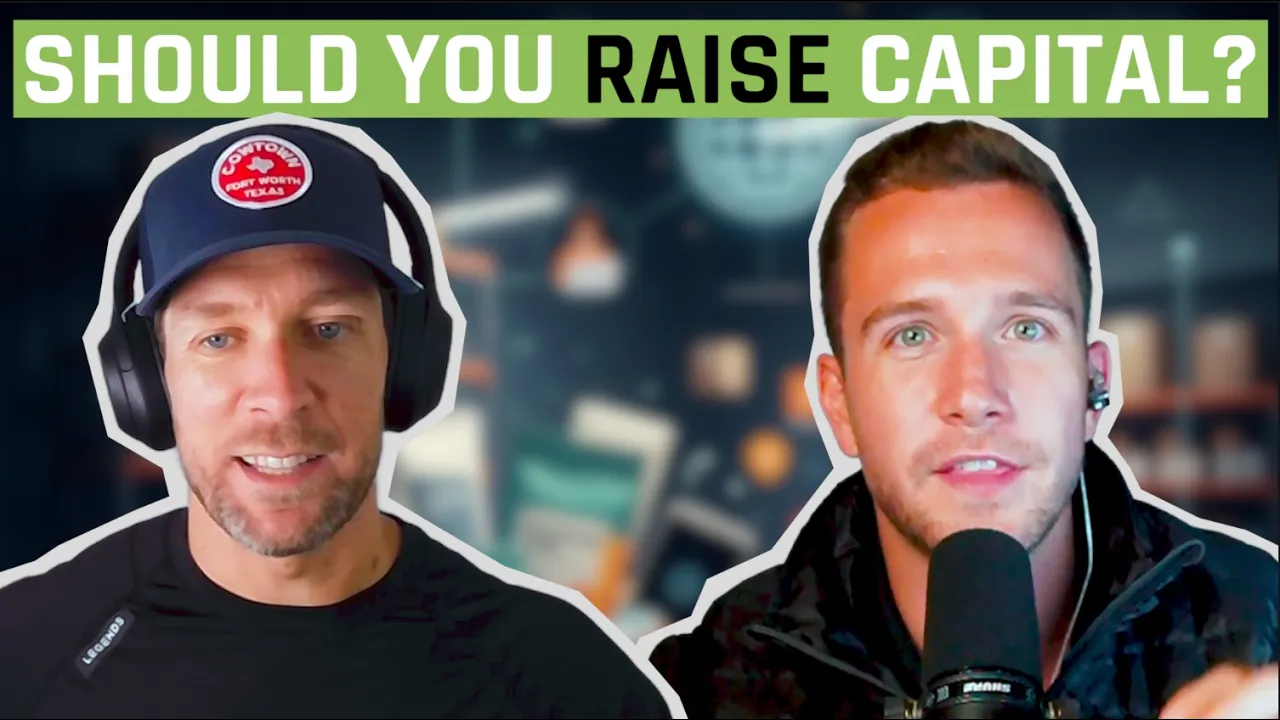
The Andrew Faris Podcast · @andrewfarispodcast
Words
11,133
Runtime
50:59
Speaking pace
218wpm
Reading time
46min
218 words per minute, above the 201 75th percentile of 349 measured videos. That distribution comes from the 349-video hook study.
Opening (first 30 seconds)
You know Drew Fallon, he's the founder and CEO of Iris, financial software for DTOC businesses, e-commerce businesses, helping them really replace the idea of an outsourced CFO. And there's big news in the world of Iris. He's raising money. He's announced it publicly and he's going to talk to me today about why and really everything he's seeing. He has a really awesome perspective where he can see into the finances, into the books of a whole bunch of GDC businesses much more closely than a lot of other people can. And so today we're going to talk about why he's raising money, what that's going to do
109 words, the words spoken in the first 30 seconds at 218 words per minute.
Free, no signup. See how the first 30 seconds hold attention, with rewrites.
Sentence shape
| Measure | This transcript |
|---|---|
| Sentences | 601 |
| Average words per sentence | 18.5 |
| Longest sentence | 185 words |
| Questions asked | 61 |
| Sentences containing a number | 55 |
Most used terms
Filler phrases
1,011 in total: like 540 · you know 125 · um 123 · uh 105 · actually 30 · I mean 27 · right? 21 · sort of 16 · kind of 15 · basically 5 · literally 4.
A literal whole-word count of the same phrase list the Prepublish browser extension uses, so a phrase inside another word is not counted and a phrase used in its ordinary sense still is. It is a count and not a judgement.
Free, no account. See where attention is likely to drop, with a rewrite for each weak line. The free check shows the scores and the one issue costing the most. Or run it on the words above first.
Free · No login · See a sample audit first if you prefer.
What this transcript is
Every word below is the caption track YouTube publishes for this video, pulled from the video itself and reproduced unchanged. It is not Prepublish's writing, not a summary, and not a re-transcription: it is the video's own published captions. English captions, generated automatically by YouTube, in the video’s original language. Source: the video on YouTube. A channel that would rather this page did not exist can ask for its removal through the contact page, and it is removed.
No Script X-ray for this video: YouTube shows a Most replayed graph only once a video has enough views.
You know Drew Fallon, he's the founder and CEO of Iris, financial software for DTOC businesses, e-commerce businesses, helping them really replace the idea of an outsourced CFO. And there's big news in the world of Iris. He's raising money. He's announced it publicly and he's going to talk to me today about why and really everything he's seeing. He has a really awesome perspective where he can see into the finances, into the books of a whole bunch of GDC businesses much more closely than a lot of other people can.
And so today we're going to talk about why he's raising money, what that's going to do for Iris and for its customers and why that's good. We're going to talk about why everybody is selling a gummy right now and why that is a good business and who's winning without selling a gummy and why are they winning. Really get into the finances of DTOC businesses. This is going to be a great episode. You know Drew, you have been helped by him.
Oh, we're going to talk about should you raise money or not. Lots of good stuff. Let's stop delaying it. Let's go. Let's get into it with Drew Fallon. >> What's up, Drew? >> How are you doing, Andrew? >> Good, man. Great to have you back. Thanks for taking time. >> Thanks for having me back. I forgot. >> Congratulations. >> I don't know. It was a while ago. >> Thank you. Thank you. Yeah, we >> world world friends at this point.
Yeah. So, tell Yeah, this is exciting. You uh you raised money. Tell people about it and tell people what happened and what you're doing. >> Yeah, we um we raised a seed round u which we announced publicly what day is today? Th announced publicly on Tuesday. So, uh it was about a $6.2 million seed round. So, pretty big honestly for a seed round. Um, but yeah, I mean we we raised it from this this Boston group called Glass Wing, which we're super excited to partner with.
They're very like I mean every VC is kind of like an AI VC these days. Um, but these guys are actually like technically sophisticated. Um, and understand the technologies that we're building and really we're able to kind of understand the vision from like, you know, this is we're building like the AI CFO, right? And it's not it's not the AI CFO, you know, today. Um, but we know we're we're we're we're building the groundwork um to be able to actually achieve that.
And so um just investing more into the product. Uh you know we already have a pretty significant engineering team. I think it's like maybe 10 or 12 already. So we'll add to that. Uh and then you know we were joking pre-show about um building businesses. Um so I actually you know hired up uh Ray our our chief of staff. We might do uh like a ops person. We're going to hire some go to market people. So, it is it honestly it was um it was like that 0ero to one moment.
I mean, we're over like 1 million, but like like 0ero to1 in terms of like now you feel like you're ready to go on to like the next sort of phase of of growing and and building a company. So, it felt it felt good. >> So, your your growth plan isn't just you doing um public P&L breakdowns for forever on Twitter. >> I think I think people like know might know this by now. I mean, so I don't know. I never ever like actually like plug Iris that heavily.
I mean, sometimes I do, but it's not like there's no like call to action like, "Oh, like I hope you like this breakdown. Sign up for Iris." So, people like sometimes like ask me if I like do this like as like a hobby. And I'm like, "No, like this takes five hours a day." Like I don't I don't like do this like for I mean I enjoy it, but this is not like Yeah. Like if I if I stop tweeting uh we we stop growing. So, um yeah, the the fund raise was honestly primarily to to address that.
I mean, we we've never done well, we just started outbound like a couple a week or two ago. Um I we we actually should I should pick your brain on this offline about like I don't even know what to do. I've been I've just been talking. I don't know. >> Pick it right here. Let's do it right now. Let's do it live. >> Have you ever done B2B stuff? >> No, but I have a very strong opinion about this in TC. >> Okay, say more. >> Influencer is everything.
That's what I think. >> Influencer is everything. I what I basically think is that if you can get the cool kids talking about your product that uh in software and validating it and especially the people who are aligned with you um I think it's I think it's overwhelmingly the best thing you can do. That's the first thing I would say. Second thing is I think the sales cycle is fairly long and and what I mean by that is that like like it's just not like for me I'm a direct response DTOC meta ads guy and I just think that would be the wrong instinct in your world essentially that like there's going to be lots of brands that hear about you on podcasts and and on tweets and everything else for eight months and then they're going to be like you know what I finally now it's it's like selling insurance where it's like the reason that like Geico is is has such a big ad budget is because you only need insurance when you buy a new car or whatever.
And so the whole game is like be top of mind when the problem shows up. And I think so I think the combination of like awareness to accomplish that so that when the problem shows up people think oh Iris I've heard can be my financial can be my CFO plus uh plus I think validated by the smart people. Like if I was you, I would be like knocking down Taylor Holidayiday's door to get a deal with him or, you know, I don't even know if he would do it, but like it's like >> for Yeah. >> Yeah.
Yeah. Yeah. Well, but it's like it's like he's a very financy guy in his content, you know, to where it's like if he's saying this will help you grow financially, that would probably really validate your claims because a lot of people just can't evaluate it themselves. So that that's like my twofold thing is like it's a slower sales cycle and the smart B2B software people who I work with who sponsor my show, they really get that.
They understand you. One of them actually told me at one point I was like, "Is there some CAC you're trying to get with your spend on my podcast ads? Is there, you know, how many leads makes this good and so that you're going to want to renew with me?" And he's like, "I don't care." He was like, you know, he said like, "What I know is that when we spend money on ads, our business grows over time." And like, uh, I was like, "That makes sense." So one third sorry one I'll tell you a third thing I'll tell you a second a third thing I'll tell you is that uh I also think that people talk and so just like having a great product goes really far.
Um so just like if you just think about the the ultimate negative example this is icon where everybody is just so happy to talk about how bad icon is and I have no I don't have an opinion about it but people are just over the they're because they made such strong claims and everybody talks a bunch of bad experiences really snowball you know. Did you ever try Icon >> like for five minutes? Uh but I Yeah. Yeah. Um so um who sponsors this show?
Um th this particular episode I'm happy to tell you uh is sponsored by Move Supply Chain which is like my fractional supply chain team in the Philippines. They they built my brand supply chain. >> Um and I really believe in them. Uh >> and then um Intelliggeems who I've been working with for a while. Huge fan of Intelliggeems. And uh like literally every one of my clients uses them. And that's a thing for me is like I I actually don't take sponsors who I don't use.
So I think those are the I I think I can deliver really good value to them even though my reach is not like >> monstrous, you know. Um so yeah anyway that's my take. What do you think about that? >> I agree. Um the consideration cycles are are are extremely long. So I'll give you an example. Like sometimes when I post something I'll be like comment this is a funny one. Comment oats to get like the file of Bobos oats whatever.
I I when I did that, I thought it was so funny because I was like, "What's like the dumbest thing I can get like all these like old people on LinkedIn to like comment on on my post?" Um, and then so the um CFO of Kaden Lane, I don't know if you know Kristen, she like com I think she was like she was oats um and this this was in like January. Um and then you know fast forward I think we like onboarded Kaden Lane in like July, right?
So, like I DM'd her like this spreadsheet in January and then the next message is like seven months later. Uh she's like, "Hey, like we're thinking about budgeting tools, dashboarding tools, whatever. Can we can we chat?" Uh so yeah, I mean we have customers um that that I've talked to for a year before before we on board them. Um so that that's definitely true. Uh I I I agree. I think influencers are good for the for the right influencers.
Yeah. this B TOC world has been betrayed um by the influencer I would say in many times and so we haven't done it I don't know that we will I would do it like if Taylor would take my money I would totally pay Taylor um but that's because Taylor is like a very um >> yeah high integrity >> very high integrity person yeah so um I agree with you with just a little bit of an asterisk on that one >> well that's right and I would say it the same way and I would tell a DDC brand that same thing in general that like essentially your influencer spend is going to work much better if people really like and use your product.
And you can't always get that in DC. Like I get, you know, I saw an ad today with the pod the San Diego Padres's right fielder Fernando Tatis Jr. talking about Arrowhead Water and I just thought why did they spend that money on him like there's just no way it's so stupid. I don't know, you know, mass brand awareness stuff like that might might work and and brand equity stuff, but it was just like, you know, him talking about how how important hydration is for him with Airhead Water just was so silly.
But like for DTOC brands, um, uh, DTOC brands, I think that that the same principle applies to some degree. But I and I think you're right in SAS, you got to be really careful because what you don't want to do is just get a bunch of shills who like just take your money to tweet >> cuz that that actually has the exact reverse impact. It will make your it will make your software look bad and you I mean Iris is a business that is like needs to be taken seriously you know like that's that's the thing it's a serious business it's like we are going to get involved with your finances and and so I would be all about like find the smart people and get the smart people saying yes this really helped us you know which is why like I think I you know I don't I don't know exactly what the operators podcast guys charge but I'm pretty confident it's a ton of money because significant. >> Yeah.
Yeah. Yeah. Because uh because they have maintained their reputations really really well and you know they do like real endorsements and I think that's probably a very high spend that's worth it to those brands you know to those to the software companies. >> I mean they seem to Yeah. I mean they seem to have the same sponsors season. I mean >> Yeah. >> Yeah. So yeah it must work. >> Yeah. All right. Uh that's very inside baseball.
But I think people who listen to this podcast generally are kind of clued into the space will be interested in that. I I I would love if you're watching this and you're and you're watching on YouTube, leave a comment about what you think about what Drew will do to grow his business and whether or not I'm right about influencing. >> Currently hiring for head of marketing or head of grow like whatever you want to call it because I have no idea what to do.
I just got they just handed me like six million bucks and I'm like, okay, like I'm going to do like a I here's the thing. I put $10 behind uh we have a company called Aluri um that's on our on Iris and she posted like this really nice post and so I was like can I put $10 a day behind uh your LinkedIn post >> sponsoring it? >> Yeah. So I think I'm I think I'm 70 bucks into my >> Have you thought about just putting it all into Bitcoin? >> Uh there would be some governance approvals there probably these days. >> Okay.
Well, maybe you shouldn't do that. Um, so um, okay. Uh, so is there anything you want to say else about just sort of what where Iris is going while we're on the subject and and you're raising money? It's an exciting moment like that, you know, you just mentioned that AI CFO just just for people who are listening and care and see you building a company and all that stuff. Tell tell people a little bit about the future of that.
This is not like a sponsored episode or anything. Drew did not deploy any of that $6 million to get on this show. >> You should have. Yeah. Um, >> got to be free, man. Take the free media. >> Yeah. So yeah, I think um you know having run one of these brands for a really long time um you know well well into the eight figures across probably like a dozen different sales channels you know dozens of SKUs. The thing that I was like never able to quite figure out was like aligning my sales forecasting with my inventory forecasting.
In other words, like Matt, we were growing so fast that it was really hard to keep up with inventory and then eventually it's like you make one wrong PO or like you know, you end up with like all this like all these cash issues. Um and so like I see so many of these companies like Iris go out and they say we're going to solve the inventory problem by solving the inventory problem. And I'm like the inventory problem is not like a a problem.
The problem is forecasting sales. If you think you're going to do a hund00 million next year or $10 million next year and you only do five, that's where you get into trouble. So, you have to start at the actual sales forecast, which then is reduced down to uh CAC and spend and velocities if you have retail and um and so, you know, what what we're doing just to take a step back is really we're structuring the data of commerce to run analyses that actually help you drive better forecasting given all the facts that we know to be true.
Right? So Iris is like an AI CFO but it's the smartest AI it's a 100red billion times smarter than any human being because you know we already have I don't know 130 or 150 brands we have you know they all they combine for 5 billion plus of GMV and so all of this data comes into one place and it says hey you know when you're a personal care brand that has you know most of their customers on the west coast and the AOVs are 55 bucks you know you tend to see a really meaningful slowdown in growth around $40 million annually.
And so, you know, like if if if people knew what to expect, you know, which is by the way sort of uh illustrated in their in their financial model, if they knew what to expect, then they would make a lot less mistakes. And like look, like we don't have a crystal ball. Like we don't know what the future holds, but we can use data to help people make better forecasts, make better decisions. Uh, and so the push that we're really making now, and I haven't said much about this publicly yet.
I don't really know when this is coming out or really care, I guess. But, um, like like inventory planning is our is our sort of next big push. Um, and so that's because we've we sort of done a lot of the the forward-looking forecasting and then the next, you know, logical transition is into inventory planning. So, it's it's why you got to raise more money, too. It's like becoming like a netswuite x type pl. It's a big piece of software. >> Yeah.
Every one of my clients is using Intelligjam at this point and they're using it for the very clear reason of making every website visit on their site more valuable to their business. And they do that by setting up split tests that allow you to test all the things that really move the needle for your business. So of course some of that is classic CRO like landing page tests, design changes, things like that. That stuff really matters and Intelligjam makes that incredibly fast and easy to do.
And most importantly to measure that not only at the level of conversion rate or even average order value changes on both sides of your split test but actually by tying into your cost of goods data uh as people have uh different product preferences and things like that in the CRO test that you run. They actually spit out your profit per visit which is the sort of the key metric to making every split test really really valuable for you because that's what you really care about at the end of the day.
So, intelligence can help you do that with the basic tests, but they can actually go way beyond those basic tests to real operational excellence doing the kinds of things Drew and I were talking about in this particular episode. Like, can you raise your price on your products or is your product pricing less elastic than you think? If so, that's fantastic news. And you can find out for for certain with clarity by running a split test with Intelliggeems.
You do the same thing with things like your free shipping threshold, with things like your cost that you're charging uh shipping, like should you charge five bucks for shipping, should you charge $7, should you charge $3? Well, you can see the impact on the actual profit that each click drives, not just the conversion rate. Uh what about your sitewide offers for new customers, the 10% off you give people when they opt into your email list, whatever.
All that stuff can and should be tested and it can be done easily and smoothly without the help of a developer by uh going to intelligence.io and checking it out for yourself today. Pretty much all of the good brands that I see are doing this kind of testing on their website at some point in their uh journey and probably in the mid7 figures if not earlier really beyond that. It's a core part of what they are doing. Go to intelligjs.io to get started with that today.
Use the code ferris 20 f a r i s 20 to get 20% off your first 3 months. Ferris 20 to get started intelligence today. Yeah, makes sense. And I I mean I think that it also makes sense to me why you guys would sort of need to be up market a little bit where like that sort of like eight figure kind of brand is the place to be and it makes me optimistic about your future because I think a lot of e-commerce brands are growing and just it's just partly a factor of time just like they're going to get there. >> Well, did you see my tweet today?
Uh August August was the first month since April August is August of 2025 is the first month uh is the highest e-commerce penetration month of all time. Higher than April of 2020. >> So we finally >> beat to beat co. Yeah, >> I mean I I just that the the trend here is just up and to the right very consistently with like a the weird bumps obviously and you know bump and drop for co but if you sort of smooth that out you know all it did is it seemed like slightly accelerated total e-commerce adoption not as much as it looked like at first but um but yeah I I I'm I'm so optimistic about it and I what that number reflects I think is just like more bigger e-commerce brands and I think about this all the time because just having been in e-commerce for 10 or 11 years now.
The the brands are there just so many more big brands than there used to be. Uh like the idea of a nine figure brand just wasn't a thing when we started like it or if it was it was like the North Face, you know, like it was like a legacy brand that had an e-commerce company. >> Um you know Pat I guess you were in Patagonia right now. So there you go. But like the um >> the Patagonia >> Yeah. Oh. Oh, awesome. The um Yeah. the um so I I think like uh I I think that like that space you're going to is great.
I also think with the forecasting thing it that kind of forecasting is essentially impossible if you're like sub 5 million, right? Like it's like the future is too uncertain. You just don't know. You actually have to build your business at that stage of business to uh on the recognition that you are you are not going to be able to predict your CAC over the next year. to you. You're still in the stage where a couple new ads can just like overhaul your business, you know?
Um, and >> so we we have um like an analytics suite that like the smaller brands use where it's like less of the forecasting. But I I agree like I've been I've been saying this line a little bit which is like you know our problem become like the problem that Iris is like truly solving is a problem at like 7 to 10 million of revenue. your problem before seven or 10 million of revenue is that you're not at seven or 10 million of revenue.
Um, and until Yeah. So, I I I agree. We're we're generally working these days with slightly larger brands. Yeah, I would say. So, >> so who you talking about slightly larger brands, who's winning right now in e-commerce and you talked about, you know, August being a good month. Like, what are the brands that are that are that are really winning right now? >> I'm telling you, man, I don't know. I don't know what is going on in like these u these like powdered supplements um be it electrolytes or like calming like ashwagandha is popular um the gummies like it's it's this like it's this like wellness um supplement category and then like protein where I'm like I'm I'm like I'm like talking to to our customers and they're like saying these things and I'm just like what the hell is going on?
So, I'm having um on my podcast, I'm I'm having Sam McBride, who was the former uh COO of RX Bar, come on to a podcast um just to come try to help me make sense of like what in the world is going on with these protein companies. I I I I don't understand. Um so, electrolytes, uh like powdered supplements, like anything sort of like in the endurance space, too, you know? Uh, I don't I don't know if you can back me up on this, but like I'm seeing like like not even kidding, like brands going from like 10 to 200 in like a matter of like 18 or 24 months. >> Yeah.
I I don't normally see that level of growth necessarily, but >> that's not typical, but it's it's it's there. >> Yeah. But stupid numbers and stupid profit numbers, I I can tell you. And I mean, certainly certainly Yeah. I've seen that with I have, you know, a supplement client that is smashing and that's just like just doing really really well. What um I haven't answered to this question. I'm just curious if there's anything from your perspective.
Why why does what what what are the the and there's probably more than one answer, but why are these brands winning so much? >> Somebody So I um Oh god, who was it? Okay, so like you know how like um like Simple Modern and like every water bottle company from like 2020 to like 2024 went nuts? I asked somebody, "Why are these powders and doing so well?" And they were like, "Well, now everybody owns so many water bottles and they're drinking so much more water that they like want to put stuff in it." And I was like, "That doesn't feel like super scientific, but I guess that like kind of tracks." So like CO like made like water bottles cool and so like now people like just drink more water.
I guess I >> Yeah, I mean that certainly would be one of the reasons potentially electrolytes >> Yeah. would would make sense. But, you know, I don't know that the answer's like uh >> organ. >> Yeah. Yeah. Yeah. He usually is. Um Yeah. It's so funny because I had the LA uh two interviews ago, which has not come out at the time of you and I recording, but Brian Porter was on their their chief e-commerce officer. >> He's one of the sneakiest >> just killers in space.
I think he's one of the smartest guys in our He's so smart. Um, but uh I was actually talking with him about the opposite, how simple modern is just a terrible e-commerce business. Um, and and it's like a or it's a terrible DTOC business, but and that's and he would say and what is true is that they were actually built Amazon first and so that their economics reflect that, you know. >> Um, and you're you're giving a funny answer here, Drew.
I I just expected you knowing you to give a more financial answer as to why those as to why those companies are all crushing. I'm telling you, I don't Well, I mean, if you want the real answer, it's it's just because they have the high gross margin in the in the repeat. Um, but here's the thing. >> But but but don't go over that too fast because that that's like, you know, 65 points of landed margin plus 300% LTV a year goes really really far, right? >> Yeah.
Well, that's like the other thing and like um >> Yeah. There's there's I've seen so many companies that come to us and like you know one of the things that we and I tweeted about this that nobody liked it but like I I tweeted like I like just come to Iris and like just let me like benchmark you because like if you have a gross mar like there was this company um I won't say obviously but like uh they you know they they had a gross margin that was like significantly below like where I would expect uh they're like burning like 100k a month or something.
Um, and then like it just took it just took me to like look at them and be like, "Do you know like where this like should be?" And they were like, "No." And I was like, "Well, it should be like here." And then like, you know, like some people just like don't they just don't like even like know cuz like and honestly I remember this like being in the operator seat like you're so like you only ever see one P&L, you know?
So like it's hard to know like what these other businesses look like. Um, >> did they go fix I mean, so so they needed to go their supply chain. >> Yeah, they fixed it now. No, they just raised their prices like a little bit. >> I mean, this is like this is so funny because we're doing Intelligence and Move Supply Chain as the sponsors for this episode. >> Yeah, it's perfect. Those are the perfect sponsors for that. >> Yeah.
And it's like on the one hand, one of the things I always say about move supply chain is like the reason you should have a supply chain agency and that's really what they are uh just like you have a ads agency or whatever um is like is because I know from talking to a lot of e-commerce founders that they have spent no time really hammering the supply chain and even if they wanted to they wouldn't know where to start.
It would it would be just like opening their ad account for the first time except there's way less public content about how to do it. And so like it's just people who have done it for a long time. they come into your business and I've talked to their sales people like their CEO who says like we like start giggling on a lot of intake calls because people's supply chains are such a disaster that we can win so big so fast you know um because they just don't know and it's and it's you just don't know what you don't know exactly what you said so on the one side there's that hammer weight that and then intelligence is like a perfect one for this too because exactly what you said is true people have way less price elasticity than they think and you can actually just get a ton of margin back by raising your prices sometimes now you got to figure that out and so intelligence is like you one of their promises that they can help you actually split test your price, but like they and I, you know, we didn't plan to put that the ad read in there, but it is it is a perfect way of thinking about this and the financial engineering of your business.
And I I do think like, you know, Taylor had popularized this idea of four quarter accounting a while back and that's like a real gift I think to the e-commerce space. go check out some of his content there and I've tried to put out some content along these lines as well. But just the notion that like bucket your P&L into these different buckets into these different part right the the four of them just as a reminder be cost of delivery variable costs opex fixed costs CAC all your advertising spend and then profit and just have some model have some way to model out what those numbers each need to be at for that last bucket to to be positive you know and to be how positive you want it to be and just having some sense of like where you need to get that to is really good and you know I know Taylor's put out some benchmarks about this but they're going to really be different in different industries and different categories and all that kind of stuff.
I just think it's uh uh I just think it's uh it's such a helpful exercise to go through that. And I'm glad to hear that you like, you know, exactly what you said is true, right? Somebody comes to you and you can just say to them like you're just you just don't have enough margin. Like that's your problem. You just don't have enough margin. You heard me say it. You know what a Facebook ads agency is. Do you know that there is such a thing called a supply chain agency in our space available for you to take all the knowledge that the people in the agency have from building a whole bunch of DTOC supply chains and bringing that knowledge to your business to help you go find great manufacturers, get better payment terms, reduce yourQS, uh get better quality product, reduce your lead times, and ultimately reduce your unit costs. all the things required to make your supply chain work for your business, create more margin, create more flexibility uh in your business, create backups, redundancies so you have less risk.
All those things are possible. It's just a huge job and if you don't know where to start, well then you don't know where to start and it's an overwhelming job to do it. And so that's why you should reach out to my friends at Move Supply Chain. The people who built my brand supply chain is we're building from the ground up. They are based in the Philippines which is really good for you at the supply chain level for multiple reasons.
One of them is they're really affordable. Your dollars go really far in the Philippines. They can hire incredible talent in their business, apply it to your business, and not charge you so much money that it's going to be cost prohibitive. Secondly, the Philippines is an extremely short flight and no visa complications both to China and to Vietnam in particular. So, if you're manufacturing in either of those two places, you can have people representing your brand really quickly and easily with manufacturers, boots on the ground there, showing up at Canson Fair, all those things to make that happen. you really should reach out if you haven't done serious work trying to optimize your supply chain and make your supply chain work better for you.
You should at least get on a call and see if they can help you. I am a huge fan. Everything I do in some way uh touches Move Supplychain and it's two sister companies. Uh so go to moveupplychain.com movesupplychain.com. Tell them that I sent you. Get a call. Uh get on a call. See if they can help. They will tell you honestly if they can. Supplychain.com make it happen today. Well, and so I think um I want to get your take on on on this um this idea.
So like uh I consider like a market um to be just like a finite uh like exchange of dollars going on at all times. And then like a company is basically like a bucket. And so like if there's like in the air there's like all these like dollars just flying around. uh you your company is like a bucket and you can like put your bucket up into those like that cloud of dollars or whatever. If you have a grow like you want to make your bucket as big as you can and like like how do you make the bucket bigger?
You have to be able to tolerate a higher CAC. How do you tolerate a higher CAC? Uh you either produce enough dollars on the first sale or you have a bunch of subsequent sales. And so like the gross the gross profit is effectively like the is like the answer. It's like you need to generate, you need to sell, this is business 101, you need to sell your things for as little as pos or you need to buy your things for as little as possible and sell them for as much as possible and your bucket gets bigger.
And so like when you when you when you handicap yourself, especially in a industry like supplements or beauty or like these high margin industries, like if you're below 50%. You're just not going to make it. Like the the whole point is that you can like sustain. Yeah. So um that's I I'm trying to think through that like analogy a little bit. Um, >> what I would actually say makes the bucket bigger is is the actual um ad dollars deployed and in the sense of like what they are is reach.
It makes it so that your your bucket like cuz because that's that is what you're paying for in meta. You're just paying for a megaphone and you're just making your megaphone louder when you spend more money. Um, and so if you if you have a larger uh if you if you have more room in your cogs, right, or in your cost of delivery basically, uh, then then yes, you can make it louder and you can sustain that cost. And I think I think that's right.
That's exactly that. Certainly with a brand that I'm starting, uh that's the entire bat is that it's basically margin because I watched at least one client of mine. I have multiple clients of mine, but really one client of mine in particular just like just has really taught me like man when you have extreme gross margin it is such a cheat code. Meta just works. And so that's like you know that's why it's why I'm starting a men's cologne brand, right?
It's like there's really good margin in the business. Well, and it's like, you know, look at like uh like liquid death, lollipop, like they don't even well lollipop might, but like these like remember do you remember I mean you remember you remember more than I do in 2020 there was all sorts of food and beverage on the internet. Everybody was selling DC beverages. It was like the thing now there's none >> because it doesn't because that also that's the other thing that highlights this, right?
That's that's a low margin project product. You can't charge that money much money for it. It's super expensive to ship. you know, it's like the pill a a a uh a supplement that is sciency you can charge so much money for and it's super cheap to ship. And then the other thing I think this is really underrated about D TOC and I've been trying to say this everywhere I could say it recently is that in the model of DTOC the thing that makes it a a business model at all actually is that core to the concept is that you ship a product to a customer's individual door um from from your warehouse to to them.
And people underrate how significant that is in terms of the way the customer interacts with the brand, in terms of the way that like the customer experiences it and and also the way that affects your cost structure. Like there are many brands, I'm sure you've seen them, where the cost of shipping a product to the customer's door fully loaded, especially when you factor in like 3PL fees and the actual like >> way more Yeah. >> than the than the product itself, right? >> Way more probably double. >> And so Yes.
And so that what that shows you is that uh is that that and people will just kind of be like h you know that's just kind of part of the game. And it's like no like you need to think about how to optimize that interaction. And this is another thing that has particularly pills that going for them. supplements, you know, or or gummies as the case may be, is that like it's actually the very best mechanism for that particular kind of product because I know if I'm taking a supplement, I want uh 60 of them every 30 days if I'm taking two a day, right?
And so like a subscription approach to that is actually awesome. It's way better than going >> it's actually valuable versus like Yeah. versus like, you know what? >> Yeah. I have to go to the store and pick it up in my cart and oh, I might run out. Whatever. I know exactly how many I'm going to need. exactly often. So, I'm not going to have too too much or too little. And and I think like it's just really important for brands to stop and think about how does the process of shipping a product to my customer retail.
I do have a food and bev um client right now that is uh kind of a different sort of space, but we have really seen in that business how important shipping timeline is to them because it's a food product. this is perishable food. And so it's like and so but and they're spending so much time in that business hammering the supply chain and it's having massive margin impact for them. They're ending up in a really good margin space and a really good customer experience and you know but it's a huge amount of work.
It's just really worth it. And so that again sort of extreme example apparel brands have something similar here where it's like you can't try it on and so figuring out your process for how you get the the thing to the customer. Anyway, it's that interaction I think is just really underrated and and each brand needs to think about what do I do there? How do I make that as good of an experience as possible? What are all the little ways to optimize that because it's really core to the model. >> Yeah.
I mean, I think you bring up a good point, too, which is like I've been thinking a little bit more about this is like supply like supply chain as like a moat, right? So, like I just I just got back from the office of a of a big brand here in Chicago. Um, and it's perishable food. Uh, but not only is it perishable, but it's raw. So, like, you know, like HelloFresh sends you food, but it's like sort of like pre-cooked.
This guy's sending you like raw food. Um, and so like they're like the only brand that does this. Um, and they have no direct competition because nobody else wants to try to figure out at all like how the heck you're going to do that, right? So like these like these well-designed supply, they're literally modes like especially um if you if you've done it early on, right? I mean, if you did if you figured this out in 2015, 2018, like now you're like, you know, it's way harder today.
Not that it wasn't hard then, but yeah. Um >> yeah, and and um the supplements and like the gummies and whatever, it's like is there like a big moat to that stuff? I mean maybe there's >> this thing I wonder is like I do think there's like a demand side growth there where like a lot of people the world is getting richer all the time people are investing in their health. there's a rise in the concepts of functional medicine, you know, there's a lot of garbage in supplements, but there's also a lot of real stuff that actually really does make you healthier, you know, and like uh and and so like totally.
Yeah. And like you you probably should really be taking creatine every day, you know, like it's just like so far as I can tell, you know, so it's like well, okay, someone's got to supply the creatine then and there's probably a lot of people still realizing that and it and again that delivery mechanism for it is really good. What I really wonder in that space and one of the things that makes me a little nervous about it is if somebody's going to come come around at some point with um deeper pockets than everybody else and I I'm actually curious if you've seen this and just sustain they're going to realize that the return on invested capital in a in acquiring a pill customer is so freaking high on subscription that like the smart money is to spend a whole bunch more money a whole bunch earlier and uh and just like push out the timeline to realization of the value really far but and win that way essentially like like uh and I what I it sort of to me makes me it like looks to me like one of those businesses where if you wanted to build a really big business it's one of the ecom DTOC spaces that most lends towards the idea of raising money.
Um, you know, I we were going to talk about this maybe a little, but like the why you would or wouldn't raise money in software versus CPG is an interesting question, but like one of the differences there is just like essentially timeline to realize subscription value versus the op versus the cost involved with like hiring 10 engineers like you said like that's the SAS problem, right? where I think there's something similar with some of these supplement companies is people are going to be like, "Wait a minute.
If I'm willing to pay 50 bucks to acquire a customer and then in year and then I'm profitable in 60 days, what happens if I am willing to pay $200 to acquire a customer and I and I can just sustain the 180 days, you know, and I and I I'll just do that for forever." Like that I think becomes an interesting proposition. And what I wonder is if that's going to start driving up tax really really really high in that category at some point to where it's >> interesting point but not so not only should that be a val so like that like that's like a valid underwriting case for like for like growth equity or like venture capital right so like until until it's not right um yeah until like until it never actually happens but like in a vacuum where like it actually happens um then yeah like you can get capital behind that and and by the way that capital is your competitive advantage like your like you're describing, right?
So, I think it's interesting from like uh from a capital market perspective just like maybe you know maybe on like the the sort of strategic acquirer side it's interesting or you know because like it becomes like a buy versus build thing, right? So, like I was um I was hanging out with um the the managing partner of a of a $3 billion fund called Left Lane Capital. Uh you like first money into like Farmer's Dog and and some of these other things.
Um, and he and he was just kind of and I think I said this on Twitter the other day. He's like, "They don't buy you because you hit a hundred million or you're making 50 million of EBA." They buy you because they're scared and they're scared that they they can't just do what you're doing, right? And and so like they're either going to do that like you're saying and like it'll work or they or they Yeah. Or you know, if they can't then they have to buy.
But you're crazy if you don't think they're going to try first, you know? So, it's something to like keep in mind as you're like building a business is like you you you don't just like get the billion dollar payday for like hitting, you know, X revenue if like if all if all the Unilver has to do is like start like a a gummy, >> you know, like it's not like it's not like that. >> Yeah. Um do make the rest of the case for raising in CPG.
Do you see any other like it's it's become I think almost uh a doctrinal point that you ought not raise uh if you're running a DSC brand. Um I I I had an interesting conversation with Will Nitsa about this from um IQ Bar where Will, you know, he talked about how growth is so important to him that like raising was a no-brainer and he's raised a couple times, a couple rounds. Um but Yeah. Yeah. and he's been public about it, but the the the the thing is that's a food and be space.
So, one of he's he's basically saying like you can't be profitable in that space until you get real manufacturing scale. And uh and so like you just yeah you just have to spend money getting your business to be bigger so that you can go to bigger and better manufacturers so that you can get more cogs or so you can get better cogs because he was talking about it in terms of like cutting his cogs by 2/3 eventually but it's just but it was he had to get to 100 million or whatever to do it you know whatever his number was >> I think he competes in like a very mass setting >> that's true too mass retail for sure >> that may be true in the mass ass.
But that is not true anywhere else. Like I mean like I said like some of these protein bar companies I'm just like how like they're printing cash and it's freaking $7 for a bar. I'm like what is going on here? >> Um but yeah maybe at like Costco that's true. Certainly at Costco that's true. Um so this is this is a good topic. I think um it you know the pendulum has swung so far the other way, right? So like we were all raising money.
It was great. we were all having fun getting rich and then um you know 2020 2022 happens and it all goes to crap and so now it's like you can't possibly raise money for your CPG brand like are you an idiot and it's like no that's like people have been raising money for CPG brands for 50 years like that you know like this is maybe not 50 maybe 30 or 20 whatever it's been a long time um the the the problem that happened in like sort of like the liquidity supernova of of COVID was like you started to get the wrong investors investing into the brands and so the expectations and and and the underwriting became misaligned between founder and investor and like that's where markets stall and like that's where money evaporates cuz like why are you investing in this gummy brand at a $200 million valuation?
That's the problem. The problem is not taking the money. The problem is is is the prices that the money was was accepted at and the in the ultimate outcomes of of the brand. So, what I've seen a lot of and what I'm loving is uh a correction in in underwriting. So, like these these these uh and I've written really extensively about this, but uh essentially um you know VC ran out of software deals, so they moved over to like this DTOC thing.
That didn't really work. And so now the VCs are going back to software. But you have this cohort of like these growth equity, I wouldn't even call them like venture capitalists. They're like, you know, they want five or 10x or 3x, 2x even sometimes. So, two to 10x. And I think like there's like in the in the investor community, there's this like there's this reassessment of like what is a uh a legitimate outcome that we can actually expect, which is now pushing down pricing.
Uh right, because if I get in a 30 and sell at 90, I might be happy, but if I get it at 80 and sell it 90, that's not going to it's not going to do me any good. >> So, I mean, look, like I I would if I was a brand, I would raise money, but that's because I'm not that cracked and I couldn't do it without doing that. So like if you can bootstrap like I you know always bootstrap if you can but this idea that like consumer brands should stay away from like equity capital is like in it's like insane to me like like the equ like the equity markets for for consumer products are like one of the biggest categories like it's a it's it's it's funding it's it's how you um yeah it's like how you I agree with Will from from this regard.
Um, >> yeah, and his category is significant there where food and bev just has some different dynamics I think in in terms of the supply chain like like I again like take the supplement example I don't know how much better you're going to ever get the cogs in those businesses you know like maybe maybe a lot better I don't know but like you're going to you're going to have some economy of scale whereas like he's talking about again like such dramatic reductions in cogs at more scale that it really make it's it's obvious that you want to get to more scale you know again it's it's it looks different on the P&L but it's it's almost like it's almost like the software consideration, you know, where a great example of this that I think we can use is Grunes.
So like Chad, he raises $10 million preede. That should have been silly according to conventional wisdom. But like what Chad has done and what I think Chad has done um better than almost anybody honestly at this point is he's actually and we talked we keep talking about this. He's built a business like he has systems, he has people, he has organizations, he like he has a machine, right? So like look like the bootstrap brands like they're never they're never that wellrun like they're they're wellrun from a cost perspective but like they they don't have like you can't ask them you know to produce financials you know 10 days after the the month and they don't have like an office which is fine or whatever but like you know they they but like like if you want to build like a really serious company I think raising money is a good thing.
If you can do it without money, then all the better. All the better. But this expectation that like this is somehow like the wrong thing to do, I think we as a community have let the the pendulum swing too far the other way at this point. I I think to go back to your point about expectation from investors, I think that's a really interesting idea because when I've heard people make the make the point about, you know, don't raise money.
One of the things they say is that essentially there's a problem of valuations, right? that like essentially these your capital partner wants a venture outcome, you know, a software outcome or whatever and and in fact most CPG companies are not really suited to create that uh relative to what you raise out and all that and that it requires and certainly not DTOC specific you know uh that DTOC brands aren't actually software businesses in the way that they grow and and so you know all the original IPOs of course are the are the ultimate telltale sign of this Yeah.
Yeah. So, um, so, so I think, you know, I'm not clued into capital markets, but it's I'm interested to hear your assessment of that, uh, as you're talking about it because, wow, that's interesting. If valuations become more reasonable and expectations become more reasonable, then it makes sense. And what it makes me think about is like almost any decision >> is the right decision at the right cost, you know? And so it sounds like if the cost is like uh is is like if the cost is getting or the expectations are more normal.
And I also think your point about Chad is a helpful thing here too which is like if you go into it with a vision for I'm going to build a $500 million business and this is what I need to get there. Yeah. Yeah. >> Yeah. But you know a lot of us aren't psychos and like so that's another reason to bootstrap is like well you know you know when I when I am bringing on Patrick Kadoo to be my business partner in and AJF growth you know one of the reasons that we're doing it is because we have extremely aligned vision for how big we want to make it and it's not that big you know we're like we're pretty you know with yeah we think we could add some clients over time and it'll be good but like yeah we don't we don't and so and I think like when you're bringing on a partner and essentially you know Patrick is going to be an equity partner it's he's just going to be an active one.
He's, you know, the equity has value. He has to buy it, you know, like so at least some of it. So, um, >> so so like and again, it's just like this alignment of vision that makes makes the case. Obviously, that's a very small scale example, but I think I think what you're saying makes perfect sense, you know? >> Yeah. And and um Yeah. I mean like like literally like if you so like in if you took money let's say you took like $20 million from a VC and >> that's actually exactly how much I got from Patrick for for AJF Growth. 20 million bucks.
Perfect. I'm kidding. I'm kidding. >> It's really or let's just say like 5 million bucks and you get an offer to sell your business for 50 million. Let's say the VC invested 15 million 5 million at like 15 million. So they own like a third and uh you get an offer to sell your business for $50 million. if it's a if it's a venture capitalist that's like a three and change. Um you know they like they would literally rather you write you ride it out and like it ends up going to zero than like take that like half the time because they're like well like you know there there was the thesis and like if you just keep going and then these these poor founders end up working for seven eight n years for like a business that like >> isn't really >> never has a chance.
No, not isn't really. Don't even don't don't even couch it at all. It never has a chance to do that. Yeah. >> Never had a chance. You're fine. Yes. Never never had a chance. But like they get gas lit by their VCs into being like, "Well, we should just keep going. We should just keep going." Because at this point, it's been four years. The VC's fund is already like mature. Like they know if it's good or bad. Like, you know, this thing isn't going to make a difference.
Uh so they just would rather like Yeah. Um Yeah. So like I like I I'm hearing this term a lot more called uh early growth equity. >> So like when we when we when we say growth equity um growth equity makes you think of uh like a like a private equity fund that invests minority stakes into like growing companies usually underwriting about three to eight eight at like the highest like the most highest end let's call it 34x is kind of the core.
Um, and so like there's these smaller groups, you know, $170 million funds that are kind of coming down market and they're calling themselves early growth equity where like I'm going to invest in a brand doing 5 6 7 million in revenue and only expect to get a 3x. So I might invest, you know, 5 million uh in a brand doing 5 million and then I hope that they scale to like 20 million in exit, you know, and like that's like where this capital like should live. all it took was $3 billion getting absolutely torched in 2021 to learn that.
Um, but now it seems as though like you know the market's the market and it'll correct and it'll it'll figure things out. And I think that's the direction that we're going and that's a really healthy direction. And so like if you're a founder and like you want to pay yourself and like not worry about your business going out >> tomorrow because you have to buy a PO for 100 unit like you know then it can it can make a lot of sense just to be like hey look this person's aligned with me and >> you know we're not we're not doing the $500 million thing.
Um or or just be a Chad and chat it all the way to to to whatever. Yeah. But either way, that that those options are available to you and I don't think that any of them are wrong. I think they're it's it's honestly a personal preference thing. >> Yeah. Yeah. Yeah. Yeah. It's about what life you want like >> more than like a business decision. Yeah. >> Yeah. That's right. Um I like that. I I I'm just going to clip that one part.
Just be a Chad and chat it all the way. That's Sheriff Allen. That's That's it. That's the entire uh the entire promotional promotional video for this one. Yeah, that's good. Um Yeah. Well, it sounds like you're using It almost sounds like you're just talking about the the Chad meme, too, you know. Um Yeah. Yeah. No, no, I know what you mean, but Yeah. Okay, we are uh we are low on time. Uh and I appreciate you going over.
Do you um do you have any last any last burning stuff, Drew, on your mind right as you look at things? Anything we didn't hit that you just really want to make sure to get to? Um, no. Great. Drew Fallon is, as I said, the CEO and founder of Iris. Go check it out today. IrisFinance.co. Did I get the Did I get the website right? Iris. >> That's right. Yeah. Wow. Good job. >> Great. I I thought Yeah. Yeah. I thought so. >> Porer.com. >> Yeah.
Iris Finance.co. No. No. You got six million bucks, bro. Go get that. >> Spend itall.com. >> Icon style. Um, yeah. Um uh um yeah uh irishfinance.co. Go check it out for your especially yeah uh late seven early eight and on figure business. Get that good financial information. Drew, thanks for your time. >> Thanks for having me again. >> Thanks for watching or listening. Do leave any comments that you want on this video.
I would love to interact with them and see what's going on in your business. Hear about your financial questions and thoughts, P&L questions and thoughts, raising money questions and thoughts. All those kinds of things are great and I would love to go uh check them out, interact with you. I read all the comments so so go interact there. Don't forget to subscribe wherever you're watching or listening uh because of course uh you don't want to miss out on other great content.
I'm almost for sure going to have Drew back again in the future. We hung up the call and immediately started talking about how much we enjoyed that conversation and how we should do it again soon. Uh Drew's been on a few times now. We've become friends. He's great. So uh so you're not going to want to miss out on that and a whole bunch of other great content that I have coming up. Uh, of course you should email me at podcastfgrowth.com and you should go to my website afgrowth.com.
Fill out the intake form there. If you'd like to work with afgrowth in your business. Uh, and uh, thanks especially to my sponsors, Move Supply Chain and Intelligence. Go check both of them out. The links for them are in the show notes. That's everything for today. Thanks so much for watching, listening. See you next time. [Music]
The words are the caption track's own and nothing is reworded or re-transcribed. Paragraph breaks are placed between sentences so the text reads as prose.
Free tools for your own script: paste a draft and see where it stands before you record it.
Paste your draft and see where viewers are likely to drop off, with a rewrite for each weak line.
Paste the first 30 seconds of your own draft for a hook score and rewrites.
Check your draft against YouTube's advertiser-friendly guidelines before you record it.
Read this channel's public videos and transcripts, and download a writing brief for it.