Getting the transcript
Reading the captions from YouTube. A video nobody has opened here before takes 10 to 30 seconds; this page fills in on its own.
Getting the transcript
Reading the captions from YouTube. A video nobody has opened here before takes 10 to 30 seconds; this page fills in on its own.
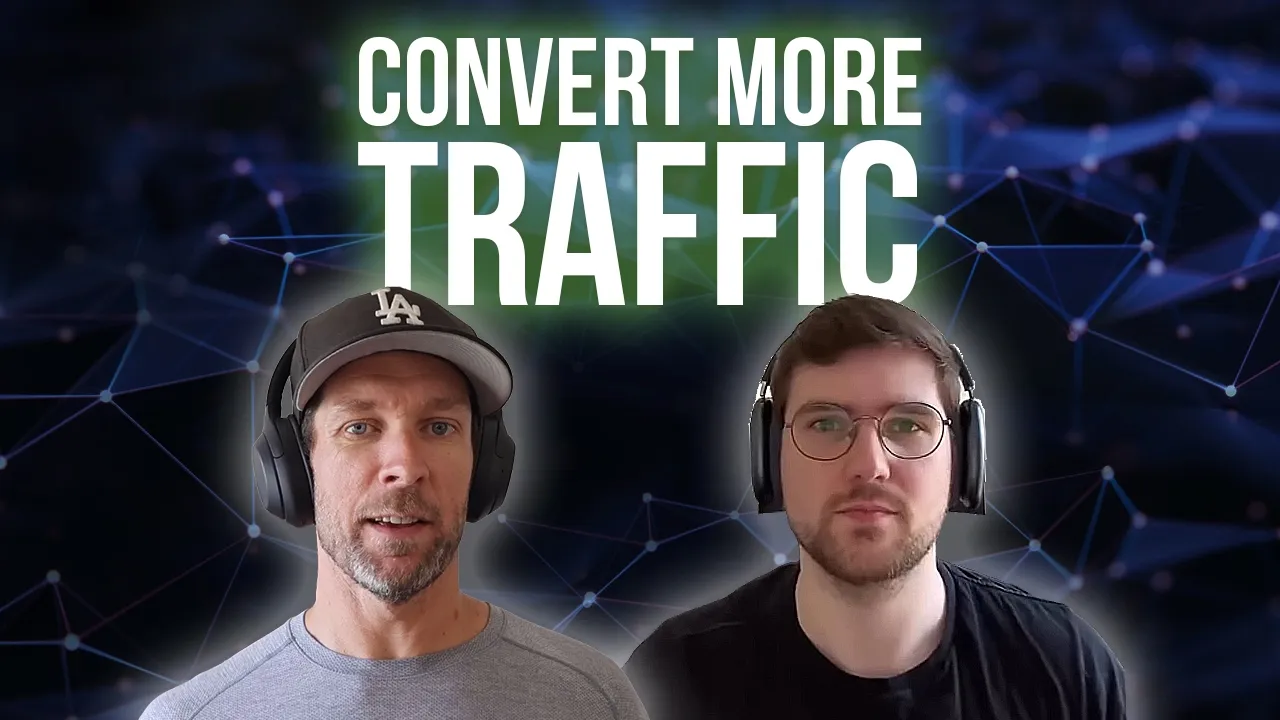
The Andrew Faris Podcast · @andrewfarispodcast
Words
10,768
Runtime
50:24
Speaking pace
214wpm
Reading time
45min
214 words per minute, above the 201 75th percentile of 349 measured videos. That distribution comes from the 349-video hook study.
Opening (first 30 seconds)
Dave Deeder is my favorite new follow on DTC Twitter and that is because he has the coolest content I've seen for a long time because it is so actionable and so clear. Dave is running a CRO agency and basically what Dave does is he posts uh winning and losing CRO tests and talks about what the test was, how you can do it too, and why he thinks it's working. And that's really it. And the result is just really, really helpful, super actionable content to help you think about what users are doing and thinking when they get to your website and how to
107 words, the words spoken in the first 30 seconds at 214 words per minute.
Free, no signup. See how the first 30 seconds hold attention, with rewrites.
Sentence shape
| Measure | This transcript |
|---|---|
| Sentences | 786 |
| Average words per sentence | 13.7 |
| Longest sentence | 130 words |
| Questions asked | 57 |
| Sentences containing a number | 70 |
Most used terms
Filler phrases
791 in total: like 500 · um 98 · uh 59 · literally 28 · actually 25 · you know 21 · basically 15 · kind of 15 · sort of 13 · right? 9 · I mean 8.
A literal whole-word count of the same phrase list the Prepublish browser extension uses, so a phrase inside another word is not counted and a phrase used in its ordinary sense still is. It is a count and not a judgement.
Free, no account. See where attention is likely to drop, with a rewrite for each weak line. The free check shows the scores and the one issue costing the most. Or run it on the words above first.
Free · No login · See a sample audit first if you prefer.
What this transcript is
Every word below is the caption track YouTube publishes for this video, pulled from the video itself and reproduced unchanged. It is not Prepublish's writing, not a summary, and not a re-transcription: it is the video's own published captions. English captions, generated automatically by YouTube, in the video’s original language. Source: the video on YouTube. A channel that would rather this page did not exist can ask for its removal through the contact page, and it is removed.
No Script X-ray for this video: YouTube shows a Most replayed graph only once a video has enough views.
Dave Deeder is my favorite new follow on DTC Twitter and that is because he has the coolest content I've seen for a long time because it is so actionable and so clear. Dave is running a CRO agency and basically what Dave does is he posts uh winning and losing CRO tests and talks about what the test was, how you can do it too, and why he thinks it's working. And that's really it. And the result is just really, really helpful, super actionable content to help you think about what users are doing and thinking when they get to your website and how to convert more traffic.
Dave runs a CRO agency called Centra Labs. And right now, we're going to take some time doing exactly that same thing. Literally, all we're going to do for the next little while is Dave is going to pull up IntelligJ's uh results and show us here's the test that we ran, here's the cell that won, here's what happened. Go and do likewise, go run this test on your site, etc. It's going to be really, really cool. Let's not delay it.
Let's do it with Dave Deerin from Central Labs. Hey Dave, I'm so excited about this episode. Really, really excited. I think this is something we could do often uh because you are constantly posting the coolest stuff uh where it is just it is just like these fascinating and sometimes counterintuitive CRO tests um that are so interesting. How you doing, man? Thanks for doing this. >> I'm doing amazing. No, thank you, man.
Thank you for taking the time. Thank you for the invite. I'm doing amazing, man. >> Good. Good. Okay. All right. Let's just get right into it. I'm giving you the steering wheel in this conversation. What I want to do is I want you to show me and talk through a CRO test as much as you can without showing the website and just kind of explain it and just go ahead and screen share. Um, if you're if you're listening to this and not watching it, we're still going to talk through what the test was.
You should be able to follow along, okay? But but hopefully you're watching um and and uh and you can see some of the results. So So let's start. Uh Dave, go for it. Tell us tell us what the test was in what cell one. >> This is this is by far my favorite one. Like this is a test that I literally do >> I think 100% of the time and it has a 90 to 95% win rate. Like I see this one barely fail and it's basically a bestseller badge above the product title.
A lot of brands do a bestseller badge on the product image on the top left, top right or whatever and they just just call it a good day. And I was like I was testing it over and over again. And I saw it lose more often and more often. I was like, but there has to be a way where we can make it better. So like I just tested adding them above an actual product title. [clears throat] And I also didn't stop there. Like what I do with these tests is like I have like a bestseller badge.
And then literally right next to that I have like another badge that says number one choice for clinicians or like for um you know when it's I go for pets. I call it like I go into a pat angle. So like I always make sure that it's not just a bestseller batch, but it's a bestseller batch that like reinforces some sort of like expertise or like expert status so that it like not only shows as a bestseller, but it's also supported by experts and it's literally the first thing you will see when you land on the PDP because it's right up off like that product title. >> Okay, [snorts] so let's let's do this.
So I I do you have any examples of this live that you can show? So first of all tell people it's okay we can I have an idea for how we can solve this okay um but so okay so so first of all tell people who are listening what is the result difference by adding this it looks like what I see from the from the intelligence result here and just for those looking at the screen share this is intelliggeems this is the um this is the uh the split test results can we see the the sample size on this test uh >> yeah it's like 140,000 visitors almost three and a half thousand >> great running the test in intellig gems.
Um, looks like this this particular brand doesn't have their COGS data in there. Huge mistake. Intelligence lets you put your COGS [laughter] data in there. Come on. But it's okay. You're seeing conversion rate up, revenue up, per visitor up without any discounting or anything. So, it should should correlate to profit nicely. But a 6% conversion rate lift, which is really meaningful um on a really good sample size by doing this.
Okay. So, so um and you said this has a 95% success rate. This is one of those ones you'd feel comfortable saying go do this on your store. Even if you can't test it, just go. >> Oh, yeah. >> For sure. Like this is literally the first test I do whenever we on board a brand and I don't have a bestseller badge. This is the first one I do all the time. >> Okay, so here's what I'm going to do. I'm going to take over the screen share.
This is my friends at She's Birdie. I don't mind um I don't mind showing this because this is a client that's been public about working with us for a while. I'm actually going to see these guys later today. They're doing awesome still. Here's the PDP for the birdie 3.0. Okay. Tell me tell me how you would implement this test. What would you do on this page? Uh, >> I would do it above the reviews. >> Like they have like their reviews counter on top like 5,215 reviews right above that. >> Like it sounds super counterintuitive.
Most brands like think like I need to do it above my product title and in between there. No, like you want to be like you want to make it the top >> like top section on the product page. >> Yeah. Okay. So, let's look at it on mobile here. So, right here, right above the birdie 3.0, above the reviews. Whoops. >> Yeah. >> You would say put a thing. And what would you put there? What would it say? >> Like on the left, I would just have like a badge with like a I would make a blue black background for this case.
Like like I always want to make the bestseller badge a background that fits the branding of the brand. So I would have on the left I would say best seller with a blue black background. And then right next to it I would have like the same badge but then with a white background with a like blue outline or like a white like black outline. And that's as like number one choice for and then something that fits this industry.
I think this is like for like outside security. So I would like something in that angle. For example, hey, now's a good time for me to tell you to subscribe wherever you're watching listening to this show. >> Dave's going to come back in the future. If you like this content, you're not going to want to miss future episodes with him. So actionable. I am taking the transcript from this. I'm going to be implementing it with my clients.
You should do the same thing with your business or your clients. So subscribe. Don't miss future episodes. So, so this like right now like one of the big things we're doing there for this brand is is it's it's a personal safety alarm for women basically, right? This makes a really loud noise if a woman feels like she's in trouble in some way. Right now, we're recording this in August. We're doing a lot of back to school messaging in a way that's sort of obvious.
Okay. So, um so right now you might say number one choice for um for college women or something like that, right? So, just like >> something like that. And actually, what that is something I love to do on PDPs is call out the customer at around the product title. Um, and and it's a simple one. Okay, I love it. Best seller badge of some kind. And then call out the customer above the reviews, above everything else right there.
Just make it really, really clear. You got a 6% lift there. You regularly see this win. >> Go do it everybody. Go do it. Okay, go just go make that happen. Obviously set up your Intelligence test. Intelligence is a sponsor of this episode, but this is not a sponsored EP episode per se. We just have been working with Intell and using Intelljim for a while. Um, and so go set it up in Intelligj, test it for yourself, but uh or just go implement it.
Okay, that's what I'm gonna do with my brains. I'm just gonna tell them to implement it, honestly. All right. >> Yeah. >> Okay, let's go. Number two. What's our next one, Dave? We got >> number two. This is going to be a fun one. >> Okay, >> this is also like this is one. Let me see where is it in my list. Um, this one shipping info below your add toart button. If you're not doing this, obviously this is a smaller sample size.
This is just the most recent test results here. >> Yeah, just like Yeah. Thanks. Great. >> Okay. Awesome. So, so the shipping info is below what you said below the add to cart. >> Add to cart button. Yeah. >> And like it doesn't just stop there. Like I would I would have like on the left it says ships by and then if you ship tomorrow, you can play with like ships by tomorrow or ships by and then the date of tomorrow.
There's like a huge difference in that as well, but that's really brand specific. Um, obviously you want to make it realistic. I never do delivered by. I always do ships by because it's a little bit more safe to say when it ships out. Delivery can >> has too many factors like you you don't have anything everything in control. And then on the right I always like to like give some clarity about the shipping. If it's for example if a brand has paid shipping I always say fast country code shipping.
So for example fast US shipping when the customer is from the US and if they have free shipping I just say free US shipping. not a fan of free shipping, but like that's how we how we counter those like depending on the brand. And we always make sure that we show the flag of the actual country that the customer is visiting from and the country code of the country where the customer is visiting from. So it's more localized as well. >> Really interesting.
Um, okay. This is one of the things I think about both like this test is it's it's one of those things where the the customer in their ordering process has questions about their experience and they're never going to tell you that they have those questions. Like you just have to intuitit this is what the question's thinking. So or the customer is thinking. So so they're never going to tell you I'm wondering when it's going to ship by.
But they actually are all wondering this like when am I going to get it compared to compared to whatever else. Um and I'm I'm one of the I'm one of these people that doesn't um care that much a lot of times about shipping timelines. if I do, I buy it on Amazon. Um, and so it's hard for me to relate to this customer, but this is one of the things I've realized in e-commerce for a long time is that people really really are concerned about like when is it going to ship, when is it going to when is it going to arrive, all of those kinds of things.
And so, it's a big it's a big question. So this test shows an 11% conversion rate lift, 13% increase in revenue per visitor, 12 and a half% increase in profit per visitor because this client has done the right thing here and and and put their COGS data into into so they can see the level of profit which is good. Um uh and then yeah, small small average order value bump. That's probably within the margin of error there, but um >> but yeah.
Um okay, so let's let's go back to this birdie PDP and let's just talk about are they doing this right or not so that we can help people kind of see. >> I have to cut you off really quickly because it's really interesting that you said that you don't care about shipping times. I'm the complete opposite. When I order something, I'm tracking every single hour of the day if I receive a confirmation email, if there's an update about it, whatever.
So like I'm that person that like I get very eager when I buy something. Like when I buy something I want it immediately. So for me >> I need to know when it arrives or when it ships so that I know that I'm getting it soon because otherwise I go crazy. So like that's probably so well as well. >> Yeah. I wonder if that's why you had the instinct to even do this test in the first place cuz I I I know from working in e-commerce for a while that there's a lot of people like you like just from seeing customer service tickets and stuff like that.
There's a lot of people who really really care. they don't get a if if they don't get a um tracking on their on their product, they're very concerned about it. You know, that kind of thing. Yeah. >> Um >> Okay. So, um so here's the add to cart still on the birdie page. Um so, um right here they have free shipping on two or more quantity, 30-day money back guarantee, but they don't have when it ships by. So, show me again where you would put this message and what you would put. >> I would play around with this one in particular.
I would e like I would either do it directly underneath the at to card or below the pay over time so it's more cohesive with the 30-day money back section. So it's like basically one pure block. We have like a payment block and an information. >> So you might put it you might put it here like above this basically. Yes. >> Right. you're saying uh above the 30-day money back guarantee section sort of in a block or you might literally just put it above above this pay pay over time for over $35 with with shop pay.
Um so so you might have it right here and let's say again what you would put here. So right now it's 9:18 a.m. on August 26 as we're as we're recording at least in California, not where you are in Germany. Uh uh in Germany it's later, but uh okay. So, if you're ordering in the US at 98 9:18 a.m. on August 26th, what would you what would you have it say here? >> I would probably say on the left, it's I would say ships by 27th of August.
So, like 27, August, like just like as short as possible as we can have it. And then probably on the right, if they have paid shipping, I would just say um fast US shipping because like we already say it ships by tomorrow. And like people that pay for shipping care that it's fast. People that like don't want to pay for shipping and it's free shipping. They care that it's free. Like there's a big distinction between those. >> Interesting.
Interesting. Okay. And it would probably go right there. And you could see a really big uptick there. Yeah. It's just like essentially that's just product info, I think, in a lot of ways. So >> basically, it Yeah. I love it. Anything else? Is that another one that you see consistently work? >> Oh, yeah. This is one that I always do. Like, this is probably also like up at like the 85 to 90% win rate across the board. >> Like, this never fails me.
[snorts] I mean, there's this thing about this where like you should test these things, but one of the things I love about your content, I've actually I'll just tell you, I've been I have a note to myself to go through your feed and to and to save all of these things and to create like an SOP of like when we get a new brand, just like make these five changes >> because even if one of them actually is a loser, >> then the net result is very likely to be a net win.
And it's like don't even run the CRO test if we don't do CRO as an agency. >> Um but yeah, speaking of really fast, just because people are listening and watching, >> if they want you to implement these tests, Dave, where should they who should they reach out to? What should they do? >> They just could like reach out to me on Twitter, book a call via the website, whatever is easiest for them. But like Twitter is usually the best best route.
[snorts] >> Okay, great. Okay, that's Dave Deren. The link for that is in the show notes. Reach out to Dave to run these tests for you. I just set up another client with my friends at More Staffing. they needed to fill a particular position internally at their business and they client reached out to me and said who's that staffing agency you use again I told them more staffing it's who I have hired with repeatedly across my agency business it's who I'm telling friends to go hire all the time at the level of all kinds of different e-commerce positions more staffing connects you to incredible talent in the Philippines so that your money can go really far to attracting the best talent and that's really the the basic premise of what is great about it uh because there's lots of really talented people in the Philippines country of 80 million plus people maybe 90 million where there are just talented people with deep e-commerce resumes.
Huge portions of them are very used to working overseas, grow up speaking English, they understand the remote work world and therefore you can get incredible talent because the price of that talent in the Philippines is just much lower than it is in the US. So a great wage in the Philippines is much lower than it is somewhere in the US. That means you can attract talent at the top of the talent pools. And because More Staffing was founded and built out of US-based e-commerce businesses, they really particularly understand the needs of e-commerce brands.
They understand every part of that business from finance and operations to marketing, uh, design, all of that kind of stuff, everything in between, customer service, etc. Just an absolute no-brainer. Go to more staffing.co/af. Get some résumés. They'll even give you a one-year guarantee. So, if you hire with more staffing and that uh employee doesn't work out for a full year, they'll [music] replace that person for free.
Go get some resumes, see what you get back. They'll help you through the entire process, including the recruiting process, uh, onboarding, training, coaching, everything about it. They're really hands-on, really awesome. Again, I've hired tons at this point of people from more staffing over time. I'm going to keep doing it. You should, too. Staffing.co. Okay, let's keep going. What's the next one? I mean, I I have to say I'm so lucky that I have clients that even let me do this because like the next one is increasing font sizes.
And this is like probably one of the most talked about topics is like font sizes, colors of CTAs, like those type of things. But the funny thing is like when it comes to font sizes, and I'm pulling it up right now here, is when you have an older demographic, I see increasing font sizes by two pixels, four pixels, like obviously as big as you can get without breaking screen real estate online, especially mobile. like it always increases performance.
We literally did this for another brand this week as well and it killed it there as well. So like this is one of those tests that I've basically also like 85% plus win rate across the board. [snorts] >> I wonder if you could Yeah. I mean I wonder I wonder like how much you need to think about older audiences here versus not is one of the things I'm thinking. Um but again you've got a you're showing a 5% conversion rate increase, six and a half% revenue per visit increase.
Um and and yeah, just just by making the font 5% bigger. You said again, this is 1600 orders over 57,000 visitors. So really good sample size. Um while we're doing this, so yeah, that's just make the font size bigger because people have a hard time reading small fonts. >> Yeah. >> Yeah. And like we're even doubling down on this right now. Like we're also like making sure that images get bigger like all these type of things.
So like for older audiences like they always increase like font sizes on their iPhones by default because they'll just like naturally have uh like a worse eyesight than younger people than like me. So like when I walk like I always like what I like to do I every evening I walk by the river where I live and there's always old people sitting on their phones next to the river like scrolling Instagram and scrolling the photos and all that stuff.
It's a very bad but funny habit that I have. It's like I'm like what content are they consuming while they're sitting there? What how big is the font size on their phone? [laughter] And that's where I actually get ideas from. Like that's where I found out like that like AI videos for example, they literally like old people don't give a Like they literally watch AI videos of like Chinese children talking with a grandpa on like an an AI generated Instagram post and they literally get glued to the screen.
So, like that's where I actually get like most of my testing ideas for all the audiences from is just like looking at their phones and what it looks like or what they're looking at. [snorts] >> I love that. That's so funny. That just like literally just spying on old people at the river to get your tests. Um that's amazing. Um okay, that's awesome. That's a really simple one. Uh I don't think we even need to show the birdie site there um to do this.
Actually, they have a decent size font, I think, compared to a lot. Um, yeah, I'm make sure that I'm viewing it correctly. Um, have you ever tried to like dynamically age generate this or anything like that? >> Not yet. It's something I'm definitely playing around with. Like obviously I'm a developer at heart, so like I'm always trying to like play around with these things. [laughter] >> Yeah, because you you could I mean that information exists for meta ads.
So it' be interesting to think about like sort of a dynamic way to to change this relative to the audience size. Although maybe it would work for everybody. I don't know. Um the uh the the other question I have is have you tried this kind of font size type thinking um for the carousel? Like I'm looking right now as you're talking at again for our birdie example here >> um >> at uh at this and thinking like this like the the font this copy probably could get a little bit bigger but um >> but like this looks like unreadable to me if if if I'm if I want to go bigger font size.
Have you played with a carousel font size type stuff? >> It's actually funny that you say that because I literally just had a call with a client earlier today and I'm like dude your like images are so tiny they're like unreadable for an older audience. So like what we're literally launching as a test is not increasing the phone sizes. It's like making sure that when people land on the page like there's like this little zoom in icon.
Like lot a lot of brands take them out because they're like oh it's annoying like you know like when you press the image it opens in a model and like you can view it there. But like that's literally what we're testing now with older audiences and so far the signs have been pretty solid. I'm not going to lie. like that the image opens like a full screen mode because like all the people zoom in and zoom out and like try to like like really get in there.
So like that's what we're trying trying to counter with that basically making sure that they like actually are focused on only one thing and that's the image and can actually read it and understand it. >> Makes sense. Makes sense. Um okay awesome. Uh let's talk about your next one. What do we got next? >> And like we're going to continue the topic with all the audience right now. It's going to become very boring. We're going to swap it up.
[laughter] >> Yeah. >> Like this one as well. Like this is one of our most like recent smaller brands. Like this is like a smaller landing page as well. Like less traffic, less impact when it comes to the game in revenue. But like this is also one of the most important thing. It's making sure that your ads are congruent to your audience. So like what what this test did in specific is like this brand has an older audience and when you came to the PDP she only saw people in their 20s and 30s and I was like maybe we should test showing people in their 60s or 50s 60s that like use the product instead of a younger audience.
So now step one was this test implementing like changing the pictures on the page. Next stop, we're doing a complete refresh in the product image gallery and making sure that all the people in there are updated with other people. But this was this is one of those tests that I see when over and over again like you want to make sure that your audience feels spoken to from ad to website and not just only on the ad front of things because like they're just going to drop off.
They're not going to feel spoken to. I like this point a lot as a way of thinking about this. There's some of the things that we're talking about here are like um you know increasing font size. It's like sort of a technical change, right? It's like a it's like a doesn't really matter. It like there's some element that you're speaking to the old people or whatever. But like >> there's another way of think about this which is like messaging congruence.
And I actually think in some ways your best seller um your best seller change is one of these uh where it's >> it's like especially the call out of the of like the customer who it's for or number one doctor recommended or whatever you know those kinds of things like that stuff is a little bit more the messaging congruence type stuff you know um and I I think like uh the notion that you can reinforce on some of these things this basic idea of getting customers to uh to see themselves in your page I think is just really really important and really helpful.
And you know for us a lot of times we do that with just like landing pages like we've added landing pages as part of our service to where what we're really doing is taking our best performing ads and duplicating them with a new landing page that's aimed at exactly this. You know I did an episode about landing page messaging that was talking about this notion of like congruence very specifically like trying to get me both offer and content congruent to the ad.
Um, but the idea of doing that on the PDP as well just makes tons of sense to me. Um, so yeah, I love it. >> I mean, like to add on that, it's like Apple uses young people in their like iPhone, for example, iPhone commercials. Like when they like bring out new iMacs or new MacBooks, like it's a whole different person in those videos. Like it's either students for the MacBooks or professionals and creatives for the iMacs or the Mac Minis.
Like it's a whole different audience that they try to target. And that's how they make sure that like that audience actually feels spoken to as well. So like every brand does it so like why not you? >> Yeah. Yeah, that makes a lot of sense. Um Yeah. Okay. I love it. Uh let's keep going. >> Next one. My my favorite one. Shipping pricing. >> Like it's my all-time favorite. I'm I'm not a fan of free shipping. Not at all.
Okay. I think it's like >> people I feel like if you don't charge for shipping, you're to a certain extent you're a little bit scared to charge for shipping because you're scared of what it will do to your revenue and your CVR and all these things. >> Yeah, you're absolutely right. Yeah. >> But I've seen the complete opposite. Like I've seen the higher sometimes even the higher the shipping price, the higher the conversion rate, the higher the revenue.
Like that's what I've seen over and over again. So like that's why we don't like with our clients we never charge. >> So you're showing here a 3.3% conversion rate increase and a 4.7% revenue per visitor increase with a slight lift in AOV. Can you roll up the sample size again here on this one? Scroll up a little. >> There you go. >> Okay. Yeah. 250,000 visitors 6600 orders. So even though it's not a huge change in value create uh or not a huge change in in output here um almost 5% revenue per visitor is is material with AOV going up while charging for shipping.
So presumably this is margin of creative too right because um which again this one doesn't show profit per visitor because this this customer hasn't tied their card into intelligence >> which they should do. This is a perfect test case of where you should be doing this because [laughter] you I bet you I bet you the profit per visitor >> is even better than the revenue per visitor here is as an increase because >> because what people people underestimate so much >> just how much um shipping costs are are crushing their margins.
And so if you could actually charge more for shipping and at the same time uh increase your conversion rate that's that's pretty wild. So, okay. So, can you talk through what was what is the actual test here? What are the two cells of this test? >> Yeah. So, like control group, they were already charging for shipping. So, like they were like at like $2, $3. And I was like, let's just add a full dollar like a $150 on top of that.
And then just I always like to do like either a dollar increase or 50 cents increase. So, that way like literally just like trying to increase as much as possible. And like if you look at the revenue as well like yes CVR is down with the two more expensive like groups revenue went up with like even 1 cent because the AOV went up like for these two as well if almost certainly margin creative too. >> Yeah. So, like >> this is what I've seen like it's like people like when you charge for shipping when you're already spending money on a product.
And like obviously the more expensive the product, the more you could charge for shipping because like for example, if you buy a MacBook, you're spending two and a halfk on a MacBook. I wouldn't mind spending $20 on shipping just to know that a MacBook will arrive safely and securely, right? So, like >> that's what this talks about as well. Like I've seen literally we've had brands who are like $7 shipping outperforms $4 shipping because the product cost is n the product cost $90 for example.
So >> I would like don't be afraid. >> Essentially what you're saying there is the the price is inelastic on the shipping in in an interesting way as long as it's relative to the the order price. So like let's come back to let's come back to my birdie example here >> um as an interesting one of these. Right. So this is a $35 product. Okay. Okay, so you're talking about lower price item. How would you set up this test? >> I mean, are they already charging for shipping is my first question there? >> They are if you only buy one. >> If you only buy one. >> Yeah.
How much they charge? So my first test here would be for example taking out the shipping free shipping threshold completely. just like going from you get free shipping above this threshold to none like non threshold at all and just like charging for shipping regardless. That would be my first test for this brand. So they're probably already charging like 2.95 3.95 something like that would be my like assumption here.
So like what I would do is like charge $4.49 4.95 and then 5.95 like that would be like the way I would set it up. I always like to do 50 cent increase, a dollar increase, and then a $2 increase to see if we can make that additional bigger jump at the end. Um, so that's how we usually set it up for all the brands to be honest. I love I love that. Um, shipping pricing is one of those things that I um that I I mean, I think price in general is this way, but shipping pricing in particular is something I think people have weirdly strong feelings about without a lot of evidence to back their feelings up. and that actually can have material impact on your margin and some of that.
Yeah. And this is one of those this is one of those cases where like >> Intelliggeems uh again to sort of plug them again as part of this episode and this really is not a sponsored episode. It's just this is the tool you're using. The ability to test shipping thresholds easily and uh and how much you're charging for shipping and some of that kind of stuff uh is just like is is is one of those tests brands should be running.
It's just it just makes a really big difference to a lot of things and it's so easy and it's like, >> you know, it's just a big deal. So, okay. Um, great. I love that one. Um, so are you saying, let's say I have a $100 item and I'm charging $5 to ship it right now? >> Yeah. >> Uh, run me that test. Tell me, tell me, tell me $5 shipping. >> 90 $100. I would probably do control group five and then six, seven, eight. Like I I like to do $1 increments because like that would mean if then the for example the eight wins I can go 8 9 10 11 for example.
So like I don't stop at that. like when the highest one wins, I keep going until I like hit a roadblock and then I start to do smaller increments like 50 cents, 25 cents. Like trying to find like how far we can push it because like like you said as well like it matters so much to your profitability. Like shipping pricing for the brands, it's not cheap. Like for example, for my brand, I pay $9 to ship out one product.
So like I lose a ton of money on shipping itself. So, if I can charge, for example, $5 for shipping, I I only pay technically $4 for my shipping. So, that's how I look at it with the brands as well. I look at how much are you paying? What's the product price that you're selling? And how far can we actually push this? And then like don't stop at the first test. If the first test fails for like even for example, if the first test fails, try another incrementation.
Like try to go higher. Try to go like in like smaller increments. Like don't just stop when something doesn't work out. I think that's just like a good idea to keep in the back of like everyone's minds. It's like if something fails, it's not a failure. It's like you tested an angle that probably didn't hit with your target audience. So try something else to make it work with your target audience. That's what I always like to do as well.
I swear to you this is not a sponsored episode, but it is sponsored by Intelliggeems, who Dave is using for all of these tests to measure the outcomes of all of them. That's because Intelliggeems is the CRO tool of record in the e-commerce space. It's one of those tools that you just should be using if you have any part of your business where you're doing this kind of testing. If you want to go implement the tests [music] that we are running on this episode, and you should like this is there's like there's money just sitting there for your business.
You should go do that. Go get Intelligjams right now. Intelligjam.io. Use the code ferris 20 f to get 20% off your first three months and start running these tests. Literally just run the tests we did on this episode with Intelligjam so that you can get this info. And don't make the mistake that some of Dave's clients are doing, uh, which is not giving intelligence their COGS information because as you can see, you can actually see some of these tests where it really matters for things like shipping thresholds and shipping pricing and some of that stuff.
You should be able to see the outcome of those tests at the level of profit per visitor. So, go and make sure that you are doing that. Intelligjs will give you all the information you need to understand these tests well to figure out which tests are really statistically reliable and which ones are not and to tell you how this is affecting your profit which is the most important thing here. Does a whole bunch of other stuff too but for the sake of this episode this is where you should start.
Intelligence.io. Use the code fairs20 to get 20% off your first three months. Awesome tool. Go get testing. Go make it so that every click on your website is more valuable to your business. >> Okay. I love it. All right. What do we uh what do we got next? Oh, this is this is also one like 90% win rate across the board. >> Okay. >> And this is one I don't see a lot of people doing this. >> Monster monster performance, too. 8 and a half% conversion rate, 13% revenue per visitor increase, >> 13% profit per visitor increase, 4% AOV lift.
You've got >> 1300 orders on 72,000 visits. So, uh, so that's like a really big deal. You're dealing with an AOV here of about $66. So, okay, what do we what do we what do we got here? CTA test show. Oh, I think I saw you post about this one. I'm very excited about this. Okay, let's talk about this chest. >> This is this is my favorite. Like, this is by far my recent discovery, as I like to call it, with like the biggest return across the board.
It's literally showing your savings percentage in the add toart button. And people like I I remember when I posted this, people were like, "Huh, why would you call out your shipping percentage like 10 times on the PDP?" Well, apparently because your customer cares about it. Like, that's why. Like if this didn't win, I would have probably tweeted it out anyway and be like, "Hey, listen. Like you probably need to reduce like the amount of times you call out your shipping, like your savings percentage." But what I do with this test, I literally have the text within the add to cardart says add to cardart dash save 50%.
For example, literally as simple as that. And that percentage obviously dynamically updates based on the variant like the bundle price and everything that comes in between. But like it's literally as straightforward as that. I I'm even testing right now showing add to cards price and bank savings percentage, but that's not hitting as good as just the savings percentage. [snorts and clears throat] Okay, so we have the bird 3.0.
Again, this product uh has an offer on it, which is um >> buy two get one free. Basically, pick three, pay for two. >> Um adding three products, pay for just two of them. So, uh, so right now if I add to cart, it's, uh, it's pretty normal. Oh, let's see. Uh, >> see, so where would you show this actually? So, uh, >> on the PDP. >> On the PDP. Okay. So, let's go back to the PDP here. >> Okay. So, right here. >> Yep. >> If I So, what I would have to do is add a second one.
And then if I do that now, at this point, it would dynamically show like free shipping or something like that, right? It would show like save 20% for example. Yeah. >> Yeah. Okay. Got it. So it would show up on the add to cart like when you add this amount you do that now. Um now that this is specifically it's kind of hard for me to visualize this because this is a sort of bundle situation. >> Yeah. >> Um but are you thinking more like let's say I do like a stacked offer.
I'm trying to think of brands that have that if I have any of them that have like a bundled kind of stacked offer as part of their deal. And if they do, um, do you put like if you select the one that has the percentage off, like then then in the add to the card, it dynamically pops up and shows that. >> Uh, let me see if I can find an example so I can visualize this a little bit more. >> Okay. Um, so just but just anywhere where you're where you're giving people a discount. >> Yeah. >> You're just you're just making sure to show that discount in the add to cart button so that when the person is hovering over that add to cart button, they see I'm going to save 20% right now.
Do you show it under the add to cart? Like is it like under the the words add to cart or is it next to it on the right? >> It's literally next to it. It's next to it on the right. Yeah, it's like just one full sentence basically. >> Okay, got [snorts] it. Add to cart. Say I'm saving or you're you're saving 50% or whatever. >> Yeah. And like something that we recently discovered as well is like people love pricing clarity like a lot.
Like it's like we were just talking about the card like because you asked about the card. Like we literally had a client call up their customers and like ask them like what they should add to their store. And like I asked them to do that and like the customers literally said like I want to see a price breakdown in my card that basically shows what I should have paid, what I'm saving, and what I'm paying now. Like people love like and now we've tested this as well.
Like I don't have like any accurate data because we're running active tests like on this like for two three weeks on like five different brands but like the early signs are looking really good with that as well because like literally the customer asks they like the way they refer to is like I want to see it as I see it in a restaurant on their bill. I see like an exact breakdown of like what I'm paying, what I should have paid and what I'm saving.
So like that's what people like people take in real life experiences and expect that back on the online experiences as well. Like this is one of these things I would have never known that if like I didn't let that customer call their customers. >> Really interesting. Really interesting clarity in general I think is underrated here. like just for every step of what you're doing. This fits with your free shipping thrush to free shipping >> um or not your free shipping, but your um your shipping uh timeline test, you know, where it's like people want to see right next to the cart, when is this going to be shipped out, when am I going to get it?
And so like clarity to that really helps. So somebody just knows when I buy, here's what I'm going to get, here's what I'm going to get it, here's how much it's going to cost, etc. >> Overcommunication, like you cannot overcommunicate when it comes to these things. Like definitely not. [snorts] I love it. All right, let's do two more. Uh Dave, you got two more really good ones? >> I've got one more actually lined up and then like we need to get creative.
But [laughter] >> let's see. >> One more is great. One more's great. >> I love this one as well. This is like a product title test. >> So like, >> okay, another monster performance. 1900 orders, 49,000 visitors. So big sample. >> Um $45 AOV here. And you've got a 10% conversion lift, 12 almost 13% revenue, revenue per visit lift, a 2% AOV bump. Um, okay. What do we got? >> Product title test. >> Very straightforward.
Most people, for example, when you sell, let's say, a supplement that helps with sleep because like obviously that's like now very popping on Twitter, but like let's say you um sell magnesium. Like people sell like say in the product title they sell like magnesium pills, magnesium powder like these type of things. But like what I noticed is like if you actually call out the benefit of the product and then the product title after that that is what makes a difference.
So what I would do for magnesium pills or magnesium powder I would for example say >> let's let's let's do this. You just mentioned on Twitter winks >> um which the operators guys talked about launching. Uh, I've I've uh got some involvement with this myself. So, we'll I'll I'll talk more about that at some point, but um but let's let's do let's do it cuz they've been talking about building public. We should have been using these guys the whole time.
That would have been fun because they've been talking about that. >> I just thought about it. >> Okay. So, uh so let's so let's let's talk about theirs. So, if we go to their their product experience. So, so explain this to me again. What do you what is this? >> Yeah. So, this is a product title test. So, I don't know like they have like a guarantee in the product title when you go up a little bit. I assume that that's their product title up there right below that reviews.
Let me pull them up myself as well just to double check really quickly. >> Yeah, that's funny. They kind of don't have a title, do they? Because it's >> they don't have a product title at all. I feel like Yeah, it's just like a >> Okay. >> Yeah. So, like most people would just be like wings. Um, let's say it's a Is it a powder or is it pills? >> It's a powder. >> It's a powder, right? Yeah. So, like most people would be like wings sleeping powder, something like that as product title.
But like what I would do then is like get better sleep with the use of wings like powder whatever like the way you would like for the lack of better words. [snorts] >> Interesting. So you sort of so you sort of put the value proposition in the title. >> Yes. And then after that, I still call out the product title. Like I still do because like we're the solution. >> So like I call out the problem, like the solution, and then that we're the solution basically.
[snorts] >> Um Okay, great. So it's Yes. Interesting. So get uh sleep deeper with winks uh you know, daily powder or whatever, right? Something like that. Something or get to sleep fall asleep faster with something like that. >> Okay, great. And then would you also still put bestseller doctor recommended uh probably. Yeah, 100% over that. Yeah. Yeah. >> And then you have all the other things. Okay. Awesome. >> Yeah. For example, here there's no shipping information.
Definitely would do that. >> There's no FAQ there. Would add FAQ above the fold. Like all these things. [snorts] >> Okay. I love this. Um FAQ above the fold you said. >> Oh yeah. Like what I like to do is like do usually I have like add to card button, shipping information, money back guarantee, and then like FAQs and then below that like some UGC video reviews. Like that's the setup that I noticed the best. And then the the FAQ for example for this would be description, how to use, um ingredients, like those type of things. like really the things that a customer cares about but then in a drop down FAQ above default like right below the money back guarantee shipping information type area.
Yeah. Yeah. Um interesting. Okay. I uh I think you it's it's interesting to um interesting to think about this whole page now as I'm as I'm processing this through my new Dave lens as we've as we've been talking. One of the things that this page does I'm curious what you think about this. So okay. So I like I like your product title idea a lot. Let's actually do one more. Let's do She's Birdie again on your product title one before we move on.
Then I have one more question for you. Um Okay. So right now product title Birdie 3.0. Okay. >> So you would say how like let's let's again personal safety alarm. Would it be like stay safe with Birdie 3.0 or something like that? >> Something like that. Yeah. Feel safer going outside at night with Birdie 3.0. Something like that for example. >> All in the title. Yeah, I've literally had clients, they asked me like, "Dude, are you sure we should go this long?" I've literally had product titles 10 words long and it performed extremely well. >> So, like it's basically a description title all at one. >> Yeah.
Feel safe on campus with birdie 3.0. Something like that. Uh interesting. >> Okay. Really, really interesting. Um and that one is another You said this one is a consistent winner as well. >> Yeah. Yeah. We've done this like and and the every industry like you could do this with like painkillers that like if you're solving something with knee pains move more freely with the use of these knee braces like literally that and it's like again it's super long but like it reinforces because like it's again that Gruny as well like people press on an ad that talks about knee pain.
So like the first thing they see is like and probably also that the ad talks about like moving more freely. So like if you then like move more freely with this knee brace, people like ah yes, like this actually solves my problem. This is what I'm looking for. [snorts] >> Yeah. Really interesting. Okay. I want to ask you a design question. You don't have to have an answer here. And in fact, I want to give you a lot of freedom to say I can't back that with data. >> So I'm not going to weigh in.
So So it's up to you. One of the things I think about this Winkx page, and I've thought about this for a while with a lot of pages like this, is it's sort of like there's no traditional PDP, you know? Um it's it's like it just takes you down to sort of an offer box anchored on the page etc. Um >> one of my little theories is that um you should almost never do that basically like uh people are used to PDPs and you shouldn't break what people are used to.
Do you have any perspective on that? >> Uh I tell people all the time like I tell people go straight to PDP and have a product title, price, description. Yeah. um and reviews because like people shop on like hundreds of different stores like they go to Nike, Adidas, like all these big brands. Like they don't you don't you don't come in on a landing page that talks about the socks like you like immediately land on the socks PDP. >> Like people are so you it's like going into like a grocery store and like you have to fill like you're like getting greeted and talked about the ingredients of the day and you're like dude just let me shop.
Like I'm here to shop. not here to like have a conversation with you and like learn more about the store and like learn about the ingredients and blah blah blah. Just let me walk around and do my thing. So, I agree with you there. Yeah. >> Well, yeah. I mean, part of it is I'm I'm not even necessarily saying landing page versus not because we've definitely seen some landing pages materially impact performance, but >> but I'm just saying more like my one of my theories of PDPs is like lay it out in a way that people are used to.
Like almost none of the tests that you're saying actually change the comfort I feel with how a PDP is organized. All the information is right where it goes. You you mentioned the FAQs being there. Like >> it just it seems to me that like that like basically you should never do anything that breaks convention for shopping. It's like maybe the analogy to what you just said and and is like if you went into a grocery store and somebody was like, you know what, we could make this all more efficient if we moved um you know the milk to this start of the store and the like cheese over here, whatever.
When it's like I kind of know when I walk into almost any grocery store where those things are are supposed to be. So, I'm going to I know milk's the back of the store. Or it's like, hey, they you know, this store they did something really different like the um the foods are all hanging up high and you can walk underneath them and it makes it better, you know, whatever. It's like no, just give me aisles with, you know, whatever.
And like unless like it just just be purely for the reason even if it's not the best design, I'm just used to it. And so, um and so I know where to get what I'm looking for. And so that's kind of one of my one of my theories about uh like sort of design on e-commerce sites is like just don't break convention. Like make it simpler for people to know what they want and where to get it. Now you know I don't know like I could I could say that at the same time I think like you know you go to goons or something like that and it's just like well it goes to goes to exactly this kind of thing right a built-in page that's anchored whatever.
So maybe I'm wrong, but um but yeah, >> it's probably also because like their customer knows them really well or like they know that customer really well, right? Like it's like when you're selling to like again older people, like they've been doing the same thing for like 60 years. Like they go into a grocery store, the the fruits and vegetables are immediately up front. If they walk into a grocery store and all of a sudden the alcohol is up front, they're going to be like, "Huh?" But like I've never experienced that in my life before.
So it obviously depends like with younger audiences you can try to break these conventions ever so slightly because they don't have like they haven't had >> interesting like quote unquote too many years on this planet yet. So like still their routines can be changed. Older people in general their routines are set in place and it's very hard for them to break them because they've been doing them for years and they're so used to it like and obviously they're also usually a little bit stubborn.
So like they're not really welcoming to new routines. So like they really like to stay stick to like the conventions, but like once again it's like I don't know like it's like trying to reinvent the wheel. Yeah. It's like there's a certain layout that's been working for like 10 20 years and why would you try to change it too much? Um, once again with younger audiences, yes, they're like more receivable for that, but like in general, the normal 9to-5 working population is so used to schedules and routine and like the same thing over and over again that like when they go to a website, they and they want to shop around, they like just want to go to a PDP and like what they're used to. >> Yeah, I like it.
Um, I agree with you. Okay, Dave. Um, you like I said run central labs. You run these tests for people all the time. One of the things I love about the idea of a CRO agency is the kind of thing you've referenced repeatedly in this, which is tests we've done where we we've seen this work 90% of the time. And so we can sort of help you prioritize the right test next instead of just looking at every website differently.
Um, I think that's one of the ways that a CRO agency should really be distinguishing itself. So I love that you're doing that. People can go to centralabs.com or follow you on XDen um die den. Uh, but the links for both those are in the show notes. Go get Dave to help you with CRO stuff. Go follow him. See more tests as they come through. Like I said, my absolute favorite follow on X right now. Dave, um, here's what I want to do, man.
Uh, in a couple months, come back with your next five really interesting tests, okay? Let's just do this regularly. Let's just let's just build a library where we just give people a bunch of content where they can go try this stuff for themselves, and what they'll probably do is hire you to do it for them. So, um, so thanks, man. I appreciate your time so much. >> Thank you so much. I appreciate you as well. >> All right.
[music] If you've watched or listened to my show for a while, you've heard me say that one of the things I'm moving towards [music] is having guests who come back over and over again and having less range of guests. People who I think can speak really clearly and tactically [music] to things that actually help you sell more product, drive more profit, run your business better. So, I've got Map Bogle. I've had, you know, Taylor Holiday comes pretty often.
Um, I've got a few things like that. I'm trying to get Olivia Cory on as often as she's able to. She's pretty busy, but we'll we'll see how often we can get her all those things. Well, uh Dave is is one of those guests. As soon as we hung up, I said, "Please come back." And we just scheduled every couple months. I loved this episode because it was so tactical and practical. And what we're going to do going forward with this content is um Dave's actually going to bring more of the Figma files of before and after on some of these test suits so you can see them live.
It was fun to kind of theorize about what we would do with these brands. there's some an anonymity, you know, questions that we can always have, but like just really clearly going through tests, theorizing about why they're good or not is is really interesting to me. And Dave's running these tests all the time. So, do go follow up with him. Make it worth his time if you like his content to come back on this show by reaching out and having him do good work for you.
And subscribe wherever you're watching, listening, so you don't miss future episodes with him so you can see the content and all that. If you want to work with us at AF Growth, you go to afgrowth.com, tell me a little bit about your your business [music] um by filling out the intake form there. I'll get in contact with you. We'll talk about whether or not we are a good fit for you. [music] And of course, follow up with my great sponsors from this episode, Intelligence and More Staffing.
They are awesome. Thanks so much for watching and for listening. and I will see you next
The words are the caption track's own and nothing is reworded or re-transcribed. Paragraph breaks are placed between sentences so the text reads as prose.
Free tools for your own script: paste a draft and see where it stands before you record it.
Paste your draft and see where viewers are likely to drop off, with a rewrite for each weak line.
Paste the first 30 seconds of your own draft for a hook score and rewrites.
Check your draft against YouTube's advertiser-friendly guidelines before you record it.
Read this channel's public videos and transcripts, and download a writing brief for it.