Getting the transcript
Reading the captions from YouTube. A video nobody has opened here before takes 10 to 30 seconds; this page fills in on its own.
Getting the transcript
Reading the captions from YouTube. A video nobody has opened here before takes 10 to 30 seconds; this page fills in on its own.
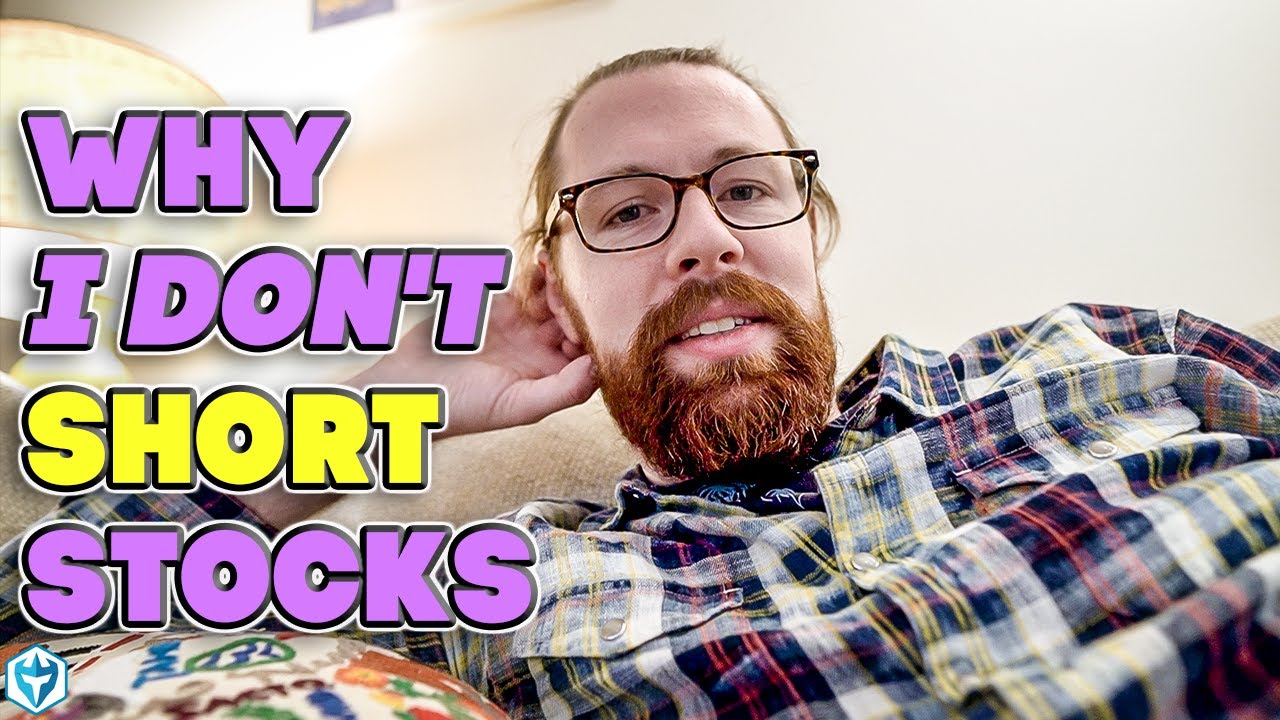
Ross Cameron - Warrior Trading · @DaytradeWarrior
Where viewers went back to watch this video again, from YouTube's public Most replayed graph, lined up with what was said at that moment.
Most replayed moment #1
3:184.2x the video's typical replay level
trading a lot of times when I buy a stock for a breakout I'll take a starter maybe on a pullback moving average view AB first candle to make a new high I'll add as the stock breaks through the highs as it squeezes through high a day
Said at 3:14
Most replayed moment #2
11:162.3x the video's typical replay level
committed sometimes a hundred or two hundred dollars in the cost to reserve even if you don't take the trade so you're basically starting in the rat now two hundred a day let's think about that that's fifty thousand dollars a year so you want do you want to be spending
Said at 11:09
Most replayed moment #3
8:521.9x the video's typical replay level
more info and for you guys want to learn more about it terminology and stuff like that if a stock has triggered the short sale restriction then you can only short it on an up tick so you can't mark it into the position as it's dropping and the
Said at 8:45
The graph counts replays. It does not show where viewers stopped watching.
Words
2,740
Runtime
15:01
Speaking pace
182wpm
Reading time
11min
182 words per minute, just over the 181 median of 349 measured videos. That distribution comes from the 349-video hook study.
Opening (first 30 seconds)
what's up everyone all right well I want to make a little video for you guys but I have a headache so I'm gonna do it mostly lying down so bear with me the topic is long versus short and this is one that you know it's it's a really interesting topic there's a lot of room for debate and discussion around it and as you guys probably know if you don't already I am predominantly a long biased trader I trade the market to the long side which means I
91 words, the words spoken in the first 30 seconds at 182 words per minute.
Free, no signup. See how the first 30 seconds hold attention, with rewrites.
Sentence shape
| Measure | This transcript |
|---|---|
| Sentences | 1 |
| Average words per sentence | 2740.0 |
| Longest sentence | 2,740 words |
| Questions asked | 0 |
| Sentences containing a number | 1 |
Most used terms
Filler phrases
60 in total: you know 25 · like 15 · kind of 10 · sort of 5 · I mean 3 · actually 1 · basically 1.
A literal whole-word count of the same phrase list the Prepublish browser extension uses, so a phrase inside another word is not counted and a phrase used in its ordinary sense still is. It is a count and not a judgement.
Free, no account. See where attention is likely to drop, with a rewrite for each weak line. The free check shows the scores and the one issue costing the most. Or run it on the words above first.
Free · No login · See a sample audit first if you prefer.
What this transcript is
Every word below is the caption track YouTube publishes for this video, pulled from the video itself and reproduced unchanged. It is not Prepublish's writing, not a summary, and not a re-transcription: it is the video's own published captions. English captions, generated automatically by YouTube, in the video’s original language. Source: the video on YouTube. A channel that would rather this page did not exist can ask for its removal through the contact page, and it is removed.
what's up everyone all right well I want to make a little video for you guys but I have a headache so I'm gonna do it mostly lying down so bear with me the topic is long versus short and this is one that you know it's it's a really interesting topic there's a lot of room for debate and discussion around it and as you guys probably know if you don't already I am predominantly a long biased trader I trade the market to the long side which means I buy stocks with the goal of selling them at a higher price a short seller of course would sell and take a negative position and then will benefit when the stock goes down covering that position at a lower price so with just the way you buy and sell going up you can sell have a negative position and then buy as the stock goes down so why am i a long biased trader well I suppose I could probably trace the roots of being a long biased trader back to the summer of 2001 when I first started trading in the market and that was my summer where I decided for whatever reason that I was gonna start to invest my my money my savings which was about a thousand dollars and I was buying stocks like Exxon Mobil US Steel American Electric Power Cannondale I think American ski company and Pfizer caterpillar and I was sort of taking a couple shares of all of them I was I was trying to you know span seeing myself as aspiring investor and that I was gonna figure this out well by the end of the summer I hadn't made any money I burned commissions and I I don't know I liquidated the account and probably bought something stupid I don't remember what I did but I I didn't even know at the time that you could go short so I think like a lot of us my brain was just trained that if you want to get in the stock market you're buying stocks you're not shorting so then when I got back into trading a little bit later in my 20s I was looking at penny stocks and I was looking at buying penny stocks and again know you could short it and then as I started getting more into the market I realized that there was this opportunity to short but I think I was already so mentally wired to look for things that would go up that I just focused on that as a beginner trader sometimes people will say well why don't you just do both you know why don't you buy these stocks as they're going up and then you know when they get to the top short it as it comes back down then you'd make twice as much money or you certainly make more and the problem is it feels kind of like at least for a beginner trader it's like teaching you how to play tennis both lefty and righty you know and when the ball is coming and you're swinging back to take that stroke you know you can't just switch from lefty to right you know you you sort of have the way you look at it you have the way you position and you know you approach it from that mindset so with trading a lot of times when I buy a stock for a breakout I'll take a starter maybe on a pullback moving average view AB first candle to make a new high I'll add as the stock breaks through the highs as it squeezes through high a day and as it pops up I sell half I sell half I sell half where I'm selling half and taking profit you know I'm looking at resistance levels on the daily charts that's a place where a short seller might be taking a starter position and as it squeezes higher they might add to the position oftentimes it seems that short sellers will add stocks are going up and then as they roll over they go in full size because it's kind of like trying to buy a bottom bounce once you have the confirmation on a bottom bounce the stock is already way up off the low so you don't have a very good entry so same we're trying to short something that's spiking up a lot of people will short as spiking and then add once you've they get a little confirmation but then they have a better cost basis the problem with that of course is that you're shorting into a squeeze and sometimes you get squeezed out on what's called a short squeeze and it's a long biased trader it's hard for me to flip from long to short because usually by the time I'm like okay this looks like a short the good entries already gone you know I missed the opportunity to take a good entry and I'd be chasing it because the entry sometimes is when I'm still holding it long as it's hitting the very high I might think it's still an opportunity to the long side I might even be adding for the next leg up but that's the spot where an aggressive short seller might be taking a starter so there are certainly some people I'm sure whom would hedge where they're long in one account and short in another but that's advanced training that is not stuff that a beginner trader would do and so for me to do it you know I try and this is something that I struggle with just sort of as a side note on the one hand I want to do what's best for my account you know I want to grow my account as much as possible I have my $583 to 1 million dollar challenge which I'm still trading in that account you know the next goal is 1.5 million then 2 million so on so forth so I have my personal goals of trying to make as much as I can and so sometimes those goals would encourage me to do something riskier like maybe going long and short flipping back and forth or maybe trading in multiple accounts the problem is that is not really in line with being a good teacher for a beginner trade because a beginner trader is not usually going to be able to have multiple accounts a beginner trader is not going to be at a place where they can be flipping along and short or jumping between small caps and large caps and ETFs and VIX and spy and everything else for a beginner trader it's a lot easier just to focus on mastering one strategy you know and that's kind of the thing with trading is sometimes people will try to trade five or six different strategies they might try to learn my strategy and Mike's strategy and also try to trade options and maybe dabble in futures but being so so at ten different things that's great that's the Vermont kind of mindset of you know living on a farm you you know a little bit about everything enough to rewire something that you know is an electrical thing or enough to fix the plumbing enough to weld something back together you know an expert on any of it but you know you're a jack of all trades a master of none that doesn't really work with trading because if you're not consistent at one if you're not good at one you don't make money you're not consistently profitable and you know no one is gonna keep trading for months and years on end if you're not consistently profitable so you have to find that one that resonates with you and for me it's trading to the long side and I also think that it's easier for most beginners to grasp it's logical it does not require a margin account in order to short stocks you have to have a margin account not everyone can get approved for a margin account brokers have different compliance restrictions on who they'll approve and then the obvious challenges that come with short selling you know so just kind of lay them out if you want to buy a stock to the long side you can open up an account with Robinhood you can open it up account with TD Ameritrade you can open up an account with one of the brokers that I use for small account challenges and you can buy a stock and you're in it there's no restriction on buying you don't need a margin account you can buy stocks if you want to buy them you can buy them however there's a lot of restrictions around short selling well why is that well nobody I mean from a you know regulator standpoint and sort of the the market at large the the economy doesn't benefit from stocks tanking and so there's mechanisms in place to prevent stocks from dropping really really fast and so these are some of the short sale restrictions so the first one is actually called a short sale structure and what it says is that if a stock has triggered this short sale restriction threshold then there'll be some links down in the description with more info and for you guys want to learn more about it terminology and stuff like that if a stock has triggered the short sale restriction then you can only short it on an up tick so you can't mark it into the position as it's dropping and the problem there is that most traders who focus on breakouts and breakdowns want to be able to just jump in when they like it it would be like I only being able to buy a stock when it's dropping most of the time I buy stocks as they're moving up the short sale restriction means you can't short when it's going down you have to short unnhhh uptick that's the first restriction the second restriction is that well and this is more of the limitation is that you have to be able to borrow the shares too short and so that means your broker has to have inventory available so you can go and take that negative position you sell it you have a negative position and then you buy it back at a lower price hopefully but brokers they're they're more conservative about letting you short low price stocks because low price stocks sometimes go up 100 200 300 % and what happens if you're short all of a sudden your account is in the negative if you buy a stock at $10 and it goes to zero you lost all your money right you're you're down to zero but if you're short a stock at $10 and it goes up to a hundred bucks all of a sudden it's gone 10 times against you and your account is in the negative right it's not just it can go exponentially against you and that's the one of the big risks of short selling and so brokers want to manage that risk so they're not on the hook essentially with a client whose blow-up blown up their account is in debt to them and they may or may not ever recover that money so number one short sale restriction you can only short when stocks have it on you can only short an uptick number two availability of shares tomorrow number three you have to pay with a lot of brokers to short these kind of hard to borrow stocks so they charge you an additional commission on top of the regular Commission it's like a it's the the Commission to reserve the shares to trade them and so you have to reserve those shares before you take the trade which means you've already committed sometimes a hundred or two hundred dollars in the cost to reserve even if you don't take the trade so you're basically starting in the rat now two hundred a day let's think about that that's fifty thousand dollars a year so you want do you want to be spending $50,000 a year to reserve these these stocks you know of course if you make two hundred or three hundred grams it's worth it but every day when you reserve you're starting in the hole so short sale restriction difficulty finding shares available to borrow then the cost of borrowing shares all of this makes it more difficult to be a short seller it's kind of like I don't know I mean why no learn golf and you're a lefty well you know you're gonna have to find someone that's got clubs that you can borrow as a lefty I mean it's just it's more people alrighty it's harder to find lefty I I'm kind of funny because I golf I don't golf but when I have gone golfing I call fluffy I swing a bat lefty but I can also swing a bat righty and I'm kind of I'm more accurate Lefty but I can swing a little harder righty so I go back and forth but then I kick with my right foot and I throw things like my headphones want to have a bad day of trading my right hand so and I can speak from experience about the challenge of trying to learn some things as a lefty when everyone does it righty and then other things as a variety is just so much easier trading to the long side is easier for beginners some beginners will find that they have a natural aptitude to the short side and so once they've overcome the initial learning curve they you understand short sale restriction you understand how to borrow shares you understand that some brokers won't have shares to borrow ever so you have to open special brokerage accounts once you get over that stuff and you learn it then you can trade to the short side if it's the way you see the market you can do really well I'm not saying you can't be profitable as a short seller but it seems to me from my own experience that it's easier to approach the market from the long side and then if you really feel that you just naturally see things better to the short side then at that point making the transition if you were gonna start from the short side it feels like you're starting already with the cards stacked against you a little bit you'll have to open usually sort of one of these boutique brokerage accounts because Lightspeed etrade Ameritrade Robin Hood they're not gonna have shares to be able to borrow of most of the stocks you'd wanna trade those brokerages cost a little bit more money each month they charge you to reserve the shares and then you still have to deal with a short sale restriction so yeah I don't know that's that's my thought I want to go with kind of what's easiest both for me as a trader but also for beginner students because you know my job is teachers to try to help beginners have every advantage as possible to be successful so I don't want to set you guys up for failure so I don't know that's my thought what do you guys think leave some comments down below check out some of the links in the description to learn more about the short sale restriction and a few other things that we talked about here and I'll be looking forward to seeing your comments all right hopefully this headache goes away and I'll be able to put together a nice a couple more nice videos for you guys alright see you guys later bye everyone have you seen my most popular video on YouTube it's got over five million views you can check it out right here and check out one of my other videos on YouTube right here I hope you guys enjoy it as always if you have questions leave them down below in the comment section I personally respond to every comment that's posted
The words are the caption track's own and nothing is reworded or re-transcribed. Paragraph breaks are placed between sentences so the text reads as prose.
Free tools for your own script: paste a draft and see where it stands before you record it.
Paste your draft and see where viewers are likely to drop off, with a rewrite for each weak line.
Paste the first 30 seconds of your own draft for a hook score and rewrites.
Check your draft against YouTube's advertiser-friendly guidelines before you record it.
Read this channel's public videos and transcripts, and download a writing brief for it.