Getting the transcript
Reading the captions from YouTube. A video nobody has opened here before takes 10 to 30 seconds; this page fills in on its own.
Getting the transcript
Reading the captions from YouTube. A video nobody has opened here before takes 10 to 30 seconds; this page fills in on its own.
Chase Chappell · @ChaseChappell
This video has no Most replayed graph yet: YouTube shows one only once a video has enough views. These are the moments viewers replayed most in Chase Chappell's most watched videos.
Most replayed moment at 4:41
1.7x that video's typical replay level
them. Because a strong founder story connects the pain that you once lived, the solution you created, and the mission you believe in, and the struggles that you overcame, and how that transformation now delivers to every customer out there. When you create the story with five key pillars,
Said at 4:35
Most replayed moment at 2:44
7.0x that video's typical replay level
downloaded on your computer so that way you can do this. And one of the first steps is we're going to copy that link. We're going to come in here and click the plus sign, go to connectors, manage connections, and we're going to hit add. We're going to add a custom connector. We'll paste this, and we'll name it Meta
Said at 2:37
Most replayed moment at 4:54
3.8x that video's typical replay level
can recreate it. We're going to go into chat GBT. We're going to start a new chat under chat GBT40. You're going to do the new updated create image option and you're going to paste this exact prompt that I've gone ahead and put together for you below this video that
Said at 4:48
The graph counts replays. It does not show where viewers stopped watching.
Words
6,623
Runtime
34:26
Speaking pace
192wpm
Reading time
28min
192 words per minute, between the 181 median and the 201 75th percentile of 349 measured videos. That distribution comes from the 349-video hook study.
Opening (first 30 seconds)
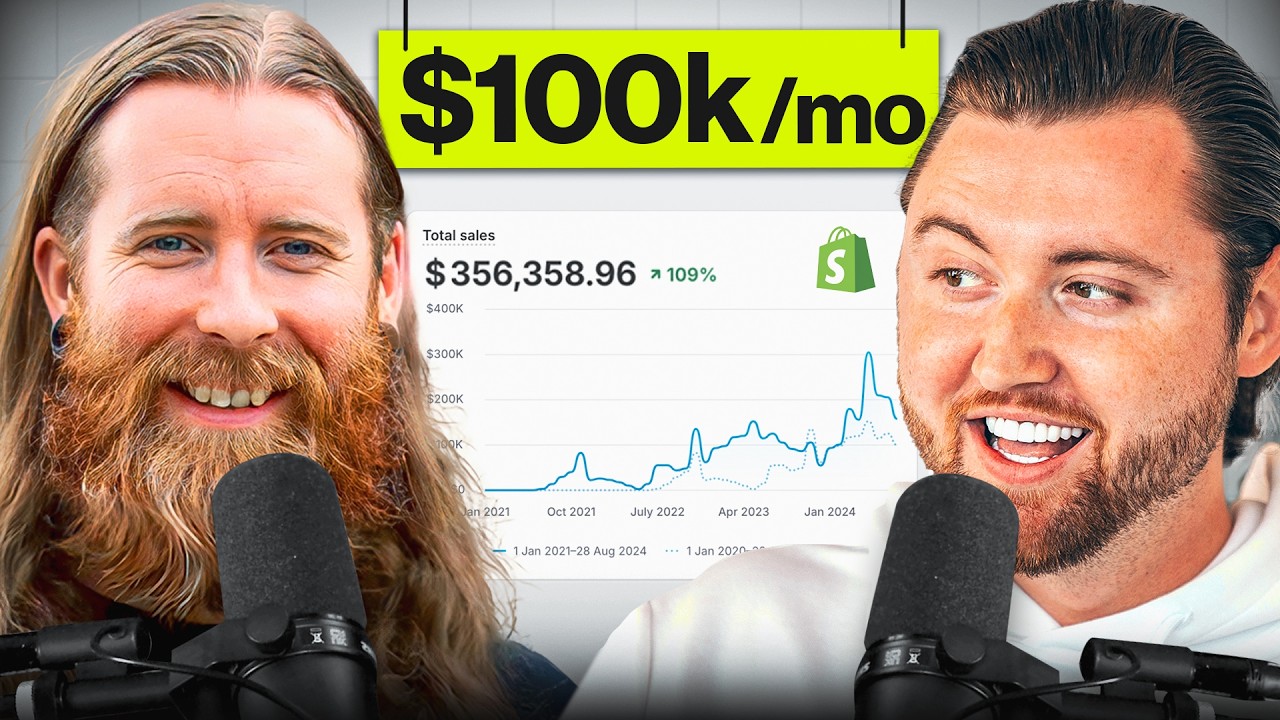
Quite the journey so far, right? So in February you're at 43,000 and then the last 30 days you're at 102,000 now. Yeah. Super cool, man. Yeah. So that's some pretty stellar growth. That's like from about 600k per year to, you know, a little over 1.2 million now. Yeah. Yeah. We were really stuck at that kind of 50k mark. you know, we had we had hit around 70 before, but really tried to push towards that 100, man, and we were just struggling to get there. Yeah. So, so tell everyone like a little
96 words, the words spoken in the first 30 seconds at 192 words per minute.
Free, no signup. See how the first 30 seconds hold attention, with rewrites.
Sentence shape
| Measure | This transcript |
|---|---|
| Sentences | 431 |
| Average words per sentence | 15.4 |
| Longest sentence | 177 words |
| Questions asked | 45 |
| Sentences containing a number | 33 |
Most used terms
Filler phrases
598 in total: like 216 · you know 180 · um 87 · kind of 47 · uh 32 · I mean 9 · actually 9 · right? 8 · sort of 8 · basically 1 · literally 1.
A literal whole-word count of the same phrase list the Prepublish browser extension uses, so a phrase inside another word is not counted and a phrase used in its ordinary sense still is. It is a count and not a judgement.
Free, no account. See where attention is likely to drop, with a rewrite for each weak line. The free check shows the scores and the one issue costing the most. Or run it on the words above first.
Free · No login · See a sample audit first if you prefer.
What this transcript is
Every word below is the caption track YouTube publishes for this video, pulled from the video itself and reproduced unchanged. It is not Prepublish's writing, not a summary, and not a re-transcription: it is the video's own published captions. English captions, generated automatically by YouTube, in the video’s original language. Source: the video on YouTube. A channel that would rather this page did not exist can ask for its removal through the contact page, and it is removed.
Quite the journey so far, right? So in February you're at 43,000 and then the last 30 days you're at 102,000 now. Yeah. Super cool, man. Yeah. So that's some pretty stellar growth. That's like from about 600k per year to, you know, a little over 1.2 million now. Yeah. Yeah. We were really stuck at that kind of 50k mark. you know, we had we had hit around 70 before, but really tried to push towards that 100, man, and we were just struggling to get there.
Yeah. So, so tell everyone like a little bit about what you do um with the business and uh how you came up with the idea and what you sell. Yeah, 100%. So, my name is Matt Grace. Me and my wife Crystal own a Christian clothing brand called Disciple Threads, and we're all about just sharing the gospel of Jesus through rad apparel. You know, unfortunately, the Christian space has been uh notoriously known for pretty cheesy kind of designs and, you know, of course, growing up in like the 80s and 90s, uh it was pretty bad back then and hasn't been much better, you know, in current times.
So, we really wanted to just break that paradigm, you know. Um, but I'm a graphic designer by trade, been in, you know, that kind of industry for a long time and, uh, started screen printing t-shirts and all that. And then in 2020, we decided to launch the brand just as kind of a creative outlet for myself. And, um, yeah, we had no idea it'd be what it is today, man. But here we are. That's awesome. And what were y'all doing like before the 40k months?
Like what channels were you running? How did y'all get up to that 40k mark initially? What were y'all doing? So, yeah, the first probably a year was a lot of organic, you know, Instagram, Facebook, that kind of stuff. And then a little over a year in, we started running some paid ads on Facebook. And uh we did, you know, on our own for a while, but we hired an agency to help us uh to kind of get us to that 50k mark. But of course it's super expensive and as a you know small growing brand man it it was tough.
Yeah. Yeah. Most mostly organic and then just Facebook ads. And when you say organic is that like real post or is that just like images? Like what kind of content are you posting at that point? And like are you seeing sales coming just like purely off of like the post you were doing? Yeah. So back then it was a little bit before kind of all the reels started to take take over, you know. So, we were doing a lot of images, a lot of uh kind of testimonial type stuff, encouraging stuff, and that really kind of helped build our community, you know, as a organic page on Instagram.
So, uh that was a big part of it. And we did start to see some sales through that, but um you know, we weren't running any like marketing systems really at that point. Yeah. So, y'all were like, you know, posting like quotes and stuff, right? And that was getting a lot of engagement for y'all. Yeah, for sure. Yeah. And so that builds kind of like lifestyle shots and stuff like that, right? There was no like hard sales tactic there, right?
Yeah. See, that's like the way to do it is like, you know, building up a following, building up a user base, building up, you know, a group of people, community, and then like later down the line like you have this platform to then, you know, sell to. Yeah, for sure. That just loves the messaging, right? So that's Yeah, that's great. Okay. And so you started dabbling in Facebook ads. And what were the first campaigns you set up then?
Oh man, light years different from what we're doing nowadays. Uh just I mean honestly dude like throwing spaghetti at the wall and seeing what sticks and um just a lot of different things. We're um you know lifestyle images worked really well back then. Um wasn't a lot of video content. It was just some really clean photography of our products, you know, on models that really fit our demographic. You know, there was a lot of even myself and my wife and, you know, in those early days, um, we still do some of us, you know, from time to time, but um, yeah, it was a lot of that.
And once we kind of hired the agency, they they helped us more with a little bit better structure and that sort of thing. But um man, we just really were trying all sorts of different things. Um carousels, cataloges, that sort of stuff. For sure. Yeah. And were y'all finding anything that was working or is it just like, you know, you're trying everything, you're seeing a little bit of growth, but you're just not like, you know, cracking the code?
For the longest time, the model photos worked really well for us. just really high quality photography on a model and then we'd do different things with those with uh you know like I said carousels and stuff like that but man really the model photography was a big hitter for us to start with. Yeah, it's with clothing like models are great. Um, were you doing like you know lifestyle in the sense that like people were like walking around or is it you know lookbook style content where it's in studio professional shot iPhone or is it camera grade?
What is it? Yeah, it was like professional camera grade more like kind of street style stuff. Very cool. Yeah. And what were y'all growing at like monthly around those times? Like how much were you stacking every month from there? Yeah. So with that agency around that time we went from about 30 to close to 50 and then um kind of the years past that we were just really kind of stuck at that kind of 5060 and then like I said went up to about 70 or a little over during like Q4 and stuff like that.
Yeah. And then it started trickling back down. Yeah. So kind of moving into this year. Uh last year was a really big year of growth. um you know couple we've been in our current facility for almost three years so we have a full print production facility with employees now and all that stuff and um yeah so last year was really good for us but coming into 25 January was really one of the worst years we had in in quite some time and you know I think that's when we really realized that you know man we've got to get some of these systems in place and get some help with a a real good, you know, path moving forward.
Yeah. I'm I'm looking at some of your metrics and like June of last year is like hovering. You're bouncing between like, you know, 50 and 57 and then 45 and it's kind of like seems like it was just up, you know, just tinkering between those ranges, right? Yeah. And so it's like where's where's the breakout moment to be able to scale? Okay. And so we started talking and we started going through some things together. What was like the first thing that like you know started moving the needle?
Was it the creative, the offer, the ads, the website? Yeah, I think it was a lot to do with the ads. I think really just realizing that we weren't putting out enough volume was a big part of it. You know, we would put out ads and just kind of let them flow and and then we'd fatigue out and then kind of scramble to get back to it. So, I think really just um really figuring out how important testing is and and trying different things and um I think that was a big part of it for me.
Yeah. A lot of times like brands will get in this loop of essentially like they'll test like a handful of creatives and then they'll find something that works and then they hold on to it for like dear life. And that's exactly what we did with those like lifestyle images. We were trying to do those just as long as we possibly could and then, you know, now that stuff just doesn't work like it used to. Yeah. So, people were just like, "Come on, I just stay working." Um, but then what happens is it'll eventually like have a drop off in a week or start trickling down and then your results are going down and then people will be like, "Okay, well, you know, maybe I need new ads or no, this ads work for me forever." So, they relaunch their campaigns with the same ad and then it's like, well, it's still not working, but it is.
Um, but they just don't launch any new creatives until it officially dies and then their like account is tanked so hard they're having to revive it. Exactly. And we've been through that 100%. Yeah. So, like, you know, the transition, right, is from going from there to you said like, you know, more volume, right, where you're getting ahead of the curve before it tanks. You're actually bringing in creatives ahead of time.
Yeah. So, what does that cadence look like now? Yeah. So, we're really just trying to follow that structure of launching, you know, a good handful of ads every week. And that's quite different from what we used to do. We would just kind of create them as we felt like we needed to, which was obviously a big part of the downfall with just getting stuck, you know, in in that uh, you know, revenue range you spoke about. Um but yeah, so we're really trying to pump out, you know, new fresh creative every week and really trying different things and, you know, capitalizing on what's working and, you know, trying to figure out uh what's not working.
Um and also I'll say that messaging has been a big big part of it. you know, we used to do very generic headlines, very generic ad copy and um you know, I think this program has really helped me to understand that we have to really dive into that customer avatar and really really speak to them as you know, like me and you are speaking right now, like, hey man, this is this is what we do. You're either in or you're out basically, especially as a faith-based brand.
I mean, you know, we need to make that messaging extremely clear that exactly what we do. And um, you know, that's really helped streamline that for sure. I love that. Yeah. So, I mean, like connecting with people on a personal level is like something so many people miss. They're like, you know, buy this tea or they'll say, you know, um, you know, the fabric we make with this tea is so amazing. Yeah. It's like yes features and benefits can be good as educational form but like what is the message you're actually like putting out there right for people to like you know resonate connect and buy.
Um yeah the marketplace is so convoluted you know you can't get away with that anymore like that kind of stuff worked in the early days but not anymore man I mean you really have to kind of set yourself apart with um the community base and kind of the offering and uh so that's been a big part of it. Yeah. And like messaging like there's like tears to it that you know like you can have one message that resonates with you know let's say a certain pocket of people then you can have a second message that resonates with even more and then a third message that can you know really be mainstream.
Um so there's different tiers to like reaching people. Like we were looking at one of these uh uh brands that we were speaking with and you know it's like um this probiotic is um great for your health and like okay yeah maybe people who are interested in improving their health they're like okay maybe I need a probiotic or a prebiotic but they don't know what it is. They're like I want to be healthy you know I'm eating healthier so maybe I need this thing that's supposedly healthy. whereas the other message is um fix your gut and then there's no mention of the prebiotic until you get to the landing page.
So people are like naturally intrigued of like okay I have gut issues you know that's a specific problem and that message resonates with that people and then they're like okay they click through and then they're you know being educated on the product page which is you know prebiotic helps fix your gut it helps do this it helps do that message is what resonated with you know higher pocket of people for sure yeah messaging is so interesting with how like many ways you can go about doing it so you started doing more creative testing things started to move the needle now there's less like drops, right?
So, this is the first chance where you could actually start increasing month over month. Most people don't get in a position where they can go month over month. You've had like I think like five or four to five months of backtoback records, right? Just going up and up, just stacking consistently. Yeah, for sure. We've been meeting with the team and, you know, kind of going over some numbers and just excited to say, hey, well, last month was our best month ever.
And then again, hey, this month is our best month ever. And then again, hey, we finally, you know, broke that barrier where we've really been trying to hit that, you know, those six figures. And what metrics are you looking at now in your ad account? What do you look at? When do you say like, okay, this is doing well or, you know, what are you identifying? Are there like specific data points? Yeah, absolutely. So, kind of our northstar is really cost per purchase.
So, you know, we have a very specific goal that we need to hit to where we know 100% that we're profitable and then we can scale on those numbers. Um, and of course, ROAZ piggybacks right on top of that. So, really those two numbers are are kind of our northstar to really push the needle. And you calculate that number based off your margin, what you have to spend, and then you set that number. And then anything below is what?
And then above like what do you what do you see? like how do you dictate it? Yeah. So, anything that's above our cost per purchase, you know, for example, let's say it's $15 cost per purchase. If we start seeing it creep up to that 17 or 18, then that's a that's a a red flag. We really need to watch those ads, watch those campaigns, and um you know, see if it's time to to kill them or not. And of course, if they're below that, you know, for example, for like our big drop campaigns for new items and stuff like that, we'll have, you know, a super low cost per purchase.
So, you know, that helps us know that we can be more aggressive and scale those a lot easier. Um, you know, and if we see those start to creep up to that 20 bucks per purchase, then then we know we need to kind of pivot and uh maybe it's the creative, maybe it's the messaging or whatever it might be. Yeah. So, you've gotten a lot more like methodical around like being, you know, more tight with your data because 15 to 18 is not a lot of an increase to some people, but to you, you're like, whoa, that's, you know, that's up there, but other people are like, that's only three bucks.
Yeah. And, you know, on some of those bigger scaling campaigns, the rorowaz and cost for purchase is going to be a little higher. You know, you're trying to reach a lot more people with a bigger budget. So, you know, kind of understanding why those numbers increase and and how to approach it is important, you know. Um, but yeah, that's really just helped us determine what's successful and what's not. Yeah. So, you've gotten really good at like, you know, distributing budget to the right things.
Yeah. Trying to at least. Nice. And then, so talk about the drop strategy. So, you mentioned like you see a lot of like purchases on drop days. So, I think a lot of people are like interested in like drops. It's kind of like this like you know thing people hear about they don't necessarily understand the strategy behind it. Break it down like how does that work or how does one implement a drop strategy? Yeah. So we probably operate a little bit differently than some brands might.
I guess you wouldn't say we're necessarily like a a drop based brand. Like we'll do a new drop but we try to build as many like evergreen products as we can. So once we release a product and if it's successful, we'll keep it going and then we'll also create products other products based on that design or variations or colorways and stuff like that. But um as far as the strategy goes in the ad account um you know you've helped me and also Jake, we kind of created a nice little structure for that.
So we'll do a campaign specifically for that drop and we'll do um maybe three different audiences within that campaign. So, we'll have retargeting. So, we're retargeting customers that are already familiar with us and you know they oh sweet new design. So, they'll snag it. Um then we'll have some sort of broads worked really well for us. We've we've kind of moved that direction where a lot of our audiences are are wider um less interestbased.
Um we still test some of them from time to time just kind of depending. Um, so yeah, we'll have that retargeting abroad. And then we've also been doing an advantage plus. So, which is, you know, kind of another broad uh audience mixed with a little bit of retargeting, I guess you could say. But, um, we've kind of been doing those three within that one campaign and that's been super successful. So, we can, you know, scale those adsets individually based on kind of what's working the best.
I love it. Yeah. No, that's great because then you can get really good results. It's it's very dialed in. You can have these big sales days and then the evergreen side of it which is the uh pieces that you keep year round you can continue scaling. Yeah, 100%. Yeah. So that's awesome. So month over month you've been like you know going up in revenue from like just all these things included. Um how do you handle like the fulfillment customer support or like the team needs is like you know revenues climbing.
Is it sustainable or is there a certain point that it's not or you know are you having issues with that or is it just smooth riding? So we've actually hired since we've been in the program. So we've hired one person to help with production because uh the workload's been pretty intense. You know we we're set up to do you know about where we're at right now. But you know moving forward we'll definitely have to do some more hiring.
Um my wife Crystal still actually handles all the customer service stuff. she's kind of the operations director and handles some of that customer service too. So, um yeah, we're using Gorgeous and Shopify to handle that and trying to use some of the AI tools to automate some of that as much as possible. Um because, you know, as a clothing business, you're going to get returns and exchanges and that sort of thing. So, navigating that definitely been a bit of a challenge, but trying to really lean in those AI tools for that.
Um and then fulfillment. Uh yeah, we pack and ship everything out of our own warehouse. So that's awesome. Probably that department has been seeing the the biggest increase like dang, I'm I'm packing like a hundred orders a day now. That's when they were packing like 40, you know. Um so yeah, it's it's it's definitely evident, man, that there's been there's been an increase. So um as of right now, we're navigating it.
It's been challenging, I'll say, but u we're making it. Yeah, that's awesome. Um, and so like what tools are you using? You mentioned Gorgeous websites on Shopify. What are are there any other apps that you've like implemented? Yeah, absolutely. Um, one of our biggest hitters really is Claio. So, we use Claio for all of our email and SMS marketing. Um, and I'll say on that note that that's something I think a lot of brands don't see the value in.
Um, you know, our email marketing is 30 plus% of our revenue. So, you know, we have a lot of flows on the back end going um and a lot of the the stuff, you know, we've been doing this stuff for a while, but through the program, I've learned some different ways to tweak some of those things and better messaging and, you know, not just about sales, but also just adding value to our customers, you know, when they order.
It's so huge, man. And I added a a post-purchase flow that was pretty generic, you know, and then I took some of the advice in the course that you'd given, adding uh, you know, how to take care of the products and, you know, letting the customers know, hey, we're working on your order, you know, those simple things in that process that man, they're not even sales emails, but they generate Well, from your perspective, why do you think so many people don't do email?
I don't know. Oh, I mean maybe it's just a lack of knowledge or understanding like what the purpose is or um it could be time. A lot of it was time for us. We you know shoot I don't have time to do that. Well, we realized we we have to make time to do it, you know, and to do those uh weekly campaigns as well. And and they're not always sales emails. It's it's just reaching out to the customers and, you know, in our circumstance, we're reaching out with, you know, testimonials and things like that and encouragement and all those sort of things.
And and again, those aren't even sales emails, but we do have like, you know, a soft sale at the bottom with some new products or maybe stuff they may haven't seen from us. And um those have even been big revenue generators. Yeah, 30% is huge. And it it blows my mind that so many people like don't do a ton of stuff on the email side like between the flows like you know like you said it doesn't have to be salesy like it can be authoritative it can be educational it can be you know confirming orders um answering support just keeping them updated on the tracking process like for whatever reason just like keeping your customer in the no it provides like a better buyer you know journey and then that factors into your returning customer rate and Most people don't realize it because it's hard to like, you know, measure to some degree, but you don't realize like, you know, just staying in contact with them throughout the shipping process, you know, the post-purchase process and then every month and then, you know, even before when they opt in and giving them, you know, updates or sharing tips or education or getting them to see other products like you mentioned, it does move the needle for the bottom line.
Yeah, for sure. And like other apps we're using, um I think a lot of brands also neglect reviews from the very get-go, man. We started using Judge Me and that's been a huge tool just to really get that social proof and um and that I think that's really what helped move the needle too is, you know, people go on and see positive reviews. You know, customers are going to trust somebody else's opinion rather than what I tell them.
You know, I could sit here and say it's high quality all day or whatever, but they want to hear from other real people and see other real like user generated content and stuff like that. A thousand%. Um, let's see. We installed Reby as well uh during this program. And we were previously using a different cart, so it's not the native Shopify cart. Um, it's, you know, it's a nice slide out cart that has product recommendations and upsells and stuff like that.
And plus, it just looks super clean. Um, so that's gone well for us. And then plus the bundling options that they offer and stuff like that. It's been really cool. Yeah. So that can help increase conversion rates like the slide cart. You're not going to a cart page. Then you have upsells and then you have, you know, bundles like you mentioned. Those are doing AO obs which a lot of people don't have. Like just bundling your products can increase revenue without you even promoting it.
It's so bizarre. Yeah. Absolutely. People want to buy more sometimes, you know. Yeah. Yep. That's awesome. Yeah. So, those are some like really solid tools. Um, and then like the review side of it is like it's not just reviews on a website. It's now if you get reviews up, well, that's one part of it, but now you can use the reviews in your emails. You can use the reviews in an ad. You know, when people search online, now your reviews are popping up.
You can then connect them to your Google, you know, shopping listings. You can import them to Tik Tok shop. Like, there's so many avenues people can go with that, you know. Yeah. Now we're using Chat GBT to scrub those to help us create our copy. And man, it's super valuable. Yeah, Chat GBT is awesome now. Um I feel like it's just getting better and better. It is. It's insane. Yeah. Like like about a year or two ago, I remember like the Will Smith video and it was like an AI and it's like, you know, he's his head's moving everywhere and like it's a bunch of different weird scenes and it was like, "Oh, this is interesting." Yeah.
It was really interesting. Um, and it was like, "Wow, that's kind of like cool." But like obviously you knew like it wasn't anything there, but it went mega viral and everybody was mind blown by it. But like literally in like within a year, two years, we now have videos that with Google VO indistinguishable. Like you can't even tell the difference. And it's like that's a short time frame. I don't think people realize how short of a time frame that is.
Yeah, it's incredible, man. the AI stuff is getting like super, you know, crazy and it's accelerating at rates that I don't think a lot of people understand how fast it actually is moving. Like you can spin up ad creatives. I mean, before long you're going to be able to spin up full websites, full emails, and like just be clicking, you know, one button, email done, one button website done. The game's going to change.
It is. And it's, you know, making the landscape even more competitive. So, you know, we have to learn how to stand out. Yeah. you can like speedrun Shopify stores now, which is pretty crazy um from designs and everything. Yeah. So, I think like now like you know you have to be more authentic than ever with your content and like your messaging um to like pierce through that stuff always. Yeah, I agree, man. So, what's your like daily workflow like right now and uh like what are you focusing on most?
Yeah, so I do all the marketing and design for the company. Um, so my daily workflow is usually just coming in and, you know, I have specific days where I'm focusing more on ads and then other days where I'm focusing more on, you know, content creation and stuff like that. So, it's a little bit all over the board, but um, you know, I feel like I have a little bit more structure now that that I know that I can put certain days on the calendar that I need to get, you know, these ads finished and published and all that sort of stuff.
So, um, yeah, man. Just a lot of marketing design for sure. Love it. Yeah. More routine. Yeah. And, uh, what's your goal now that you passed 100K in the last 30 days? What's next? Yeah, man. I I guess we'll try to shoot for that quarter million. There we go. So, quarter million per month. What do you think will be different then, man? I think it's a volume game for sure. you know, just making sure we have obviously plenty of staff and inventory to to make that happen.
But, um, you know, to get there, this course has really just helped me realize the volume that's needed to really get to, you know, even those six figures at all is just really pumping it out, testing all the time. And, um, so yeah, I think really just building my creative team is is going to be a big part of that strategy for sure. M yeah that's it's like 80% it's becoming like 90% of the effort these days is like focusing on creative content.
Yep. And how you position things and you know what it looks like and if people aren't doing creative right then it's going to be pretty hard to scale. Yeah it will. So we'll have to see you know what that looks like whether we're outsourcing some of that or you know building the in-house team. Probably a little bit of both I'm sure. But um yeah, so we'll just keep trucking forward. There we go. And if somebody's stuck at like 30 to 50k monthly, they're bouncing between that range, like what would be your advice to like break past that?
Yeah. So, if they're already running ads at that point, which they probably should be, um yeah, I would just reiterate the importance of of testing and and really trying to hone in on the messaging, I think, is a big part of it. you really have to learn, you know, who you're speaking to, who's your ideal customer. And then, like you said, at at the different stages, sometimes that changes because now we're having to, you know, our our audience has broadened.
So, you know, it's not just like Christian metal heads anymore. It's like all sorts of people that are really interested in what we're doing, you know, and so kind of learning how to adapt that messaging as you grow. And um and again, I know I've said it many times, but just like really diving into the testing and and trying different creatives and seeing what's hitting, you know, um keep with the UGC content, keep with some of the lowfi content that looks more organic to the platform has really helped us too because, you know, as a as a graphic designer, I want everything to be super polished and professional, and I had to to really kind of learn how to get out of my own head with that and like, you know what, people want to see real content.
They want to see stuff that would be from their buddy down the street or whatever. 100%. Yeah, that's super valuable. I I I agree with all of those points. Um, that's awesome. You know, we still do some of both. Like some of our real polished content does extremely well as well, but you know, from kind of the day-to-day ads, we we try to really vary it. And I think that's, you know, what maybe some of the smaller brands might be doing that uh they could really improve on.
Just just keep testing and try different things and and just see what really resonates with your audience. Yeah. Not getting stuck in like one path or one, you know, specific style. Yeah. And then of course the email marketing, make sure you have once those customers are coming through the website, you've got to figure out how you can get them to come back or capture them on the back end and and really just nurture them through email.
And um you know, you can run Facebook Facebook ads all day, but if you're not getting them to come back, then you're missing out on a lot of revenue. I 100% agree. Yeah, the ML side like backend retentions are just as important as you know the customer acquisition part of it. Yeah, you can like you know be able to increase your margin significantly just by retaining customers. Yeah. And we've barely kind of tapped into SMS.
Um we were kind of slow to jump on board with that. Um you know and that's okay though. I mean we've really built a nice email list and you know the SMS is coming right behind it. So um but those two are kind of handinand you know when we do email campaigns we'll we'll push an SMS at the same time usually. So yeah, SMS is really good for the drops and then like you know customer recovery if they like abandoned cart because you know people are so busy in their day-to-day lives like you know exactly they could abandon cart and it doesn't mean that they didn't want to buy like they could have been on the road they could have been at an event they could have been you know called to dinner like there's just so many scenarios picking up their kids like who knows it just happens and that's me right there I'm like oh cool I got a text I'll look at it later.
Yeah, I was so busy. People get swamped. So like, you know, you want to have these different wavelengths of communication at different times so that way, you know, it's kind of like reminders. It's not even like a hard pitch in a lot of ways. Yeah, totally. And you'd be surprised that like most people don't realize how much you can recover from that. No, you're right. Awesome. Well, this has been like super valuable.
Thanks for sharing a lot of this. Um, who do you think is like who do you think would be best for the mentorship and like what would you would you recommend it? like who would you recommend it to? Yeah, I would say brands that are, you know, semi-established that have, you know, the good Shopify site going, have have some sales, have proof of concept, I think is is a really important part of it. You know, if you're not sure that your product actually resonates with anybody, then keep it that first.
You know, I think a lot of people try to jump way too soon into even running paid ads or, you know, jumping in these type of mentorships and then they go into debt and can't recover and that sort of thing. So, yeah, I would say yeah, if you're between that 30 to 50k a month, that that's a good sweet spot because that's, you know, where we were for a while and, you know, again, kind of up and down from that quite a bit.
But um you know have proof of concept, have some sales coming in, have some uh you know reviews and all that sort of stuff so that when you are driving traffic, there's actually people that have bought the stuff before and actually like it. So it's a big part of it. Product market fit is like number one. You have to have that. Um because 0 to 10 is like the hardest part of it. you know, once you figure out your product, everything else from there, like there's things you can implement to grow, but if you can't figure out like how to get your first sale or even your first 10 or 100, it's it's pretty hard.
You have to make sure you know your audience and know what you're doing initially. Yeah. And I would recommend that they have been running some paid ads for at least a little bit, dipping their toes and kind of familiar with the ad account and familiar how the algorithm works a little bit and understanding, you know, their numbers is a big part of it. If if you don't know your numbers and you're running into paid advertising, um you're going to be in a world of hurt because you're going to be blowing cash that you may or may not have, you know.
Um so yeah, I would say they they need to be familiar with running ads to some extent, you know, otherwise it could be a little overwhelming or they might not be able to get as much as they possibly could out of it, I would say. And of course, that's just my opinion, but yeah, there's learning curves and you know, data is like one of those things that a lot of people get lost in. It can be confusing. Cool. Um, so where can people find you if they want to check out your brand?
Yeah, man. Just go to disciplethreads.co, hit us up on Instagram, Facebook, all that good stuff. And, uh, yeah, you can find us and buy some product. Yeah, check it out. Sweet. Awesome. Well, thank you for uh doing this uh call. Yeah, absolutely, man. I appreciate you, Chase, your team, and and you've really helped us uh get to where we're at. So, and hey, I've still got almost a couple months left of the program, so I know excited to see where we're going.
We'll have to do a recap at like 250. That'd be sweet. Yeah. Yeah. I mean, it's possible to do like numbers like that in a short time frame. You've been like what stacking 20 every month, so I mean it's not too far out. You can make big leaps. Yeah, I'd love to see that. Yeah, same.
The words are the caption track's own and nothing is reworded or re-transcribed. Paragraph breaks are placed between sentences so the text reads as prose.
Free tools for your own script: paste a draft and see where it stands before you record it.
Paste your draft and see where viewers are likely to drop off, with a rewrite for each weak line.
Paste the first 30 seconds of your own draft for a hook score and rewrites.
Check your draft against YouTube's advertiser-friendly guidelines before you record it.
Read this channel's public videos and transcripts, and download a writing brief for it.