Getting the transcript
Reading the captions from YouTube. A video nobody has opened here before takes 10 to 30 seconds; this page fills in on its own.
Getting the transcript
Reading the captions from YouTube. A video nobody has opened here before takes 10 to 30 seconds; this page fills in on its own.
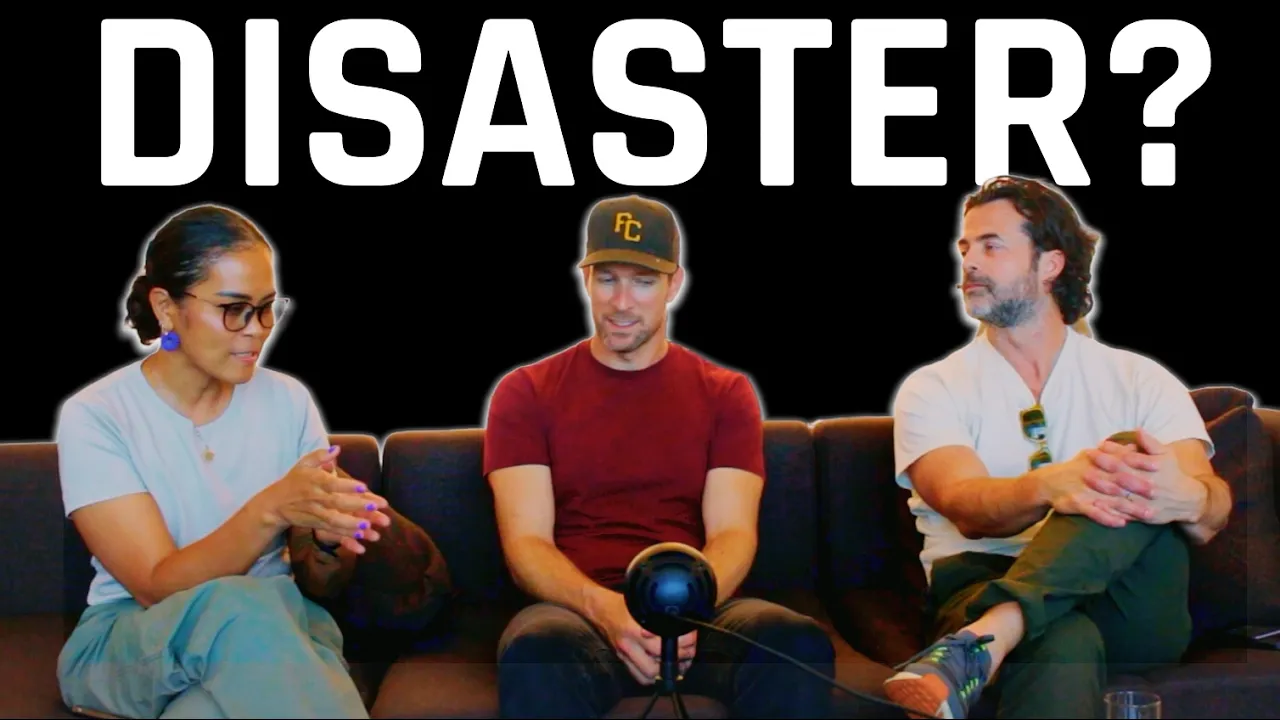
The Andrew Faris Podcast · @andrewfarispodcast
Words
8,534
Runtime
46:21
Speaking pace
184wpm
Reading time
36min
184 words per minute, just over the 181 median of 349 measured videos. That distribution comes from the 349-video hook study.
Opening (first 30 seconds)
this is not my office it's the city of Manila behind me I'm in the Philippines right now and I just recorded an incredible conversation with laa gavara CEO of more Staffing and co-founder more Staffing and an operator of Ecommerce business in the US Greg KY Lura Greg and I got together in person in Manila we've been here together for a few days working on all kinds of stuff if you know me and you know my content you've known for a while that I have gone deep with people
92 words, the words spoken in the first 30 seconds at 184 words per minute.
Free, no signup. See how the first 30 seconds hold attention, with rewrites.
Sentence shape
| Measure | This transcript |
|---|---|
| Sentences | 2 |
| Average words per sentence | 4267.0 |
| Longest sentence | 7,751 words |
| Questions asked | 0 |
| Sentences containing a number | 2 |
Most used terms
Filler phrases
512 in total: like 184 · um 129 · you know 99 · uh 41 · I mean 19 · actually 15 · kind of 15 · sort of 8 · basically 2.
A literal whole-word count of the same phrase list the Prepublish browser extension uses, so a phrase inside another word is not counted and a phrase used in its ordinary sense still is. It is a count and not a judgement.
Free, no account. See where attention is likely to drop, with a rewrite for each weak line. The free check shows the scores and the one issue costing the most. Or run it on the words above first.
Free · No login · See a sample audit first if you prefer.
What this transcript is
Every word below is the caption track YouTube publishes for this video, pulled from the video itself and reproduced unchanged. It is not Prepublish's writing, not a summary, and not a re-transcription: it is the video's own published captions. English captions, generated automatically by YouTube, in the video’s original language. Source: the video on YouTube. A channel that would rather this page did not exist can ask for its removal through the contact page, and it is removed.
No Script X-ray for this video: YouTube shows a Most replayed graph only once a video has enough views.
this is not my office it's the city of Manila behind me I'm in the Philippines right now and I just recorded an incredible conversation with laa gavara CEO of more Staffing and co-founder more Staffing and an operator of Ecommerce business in the US Greg KY Lura Greg and I got together in person in Manila we've been here together for a few days working on all kinds of stuff if you know me and you know my content you've known for a while that I have gone deep with people in the Philippines built a business I could not have built without help from my teams in the Philippines led by Lura lreg and I got together sat on the couch in my hotel room and talked about how Filipino hiring goes wrong why you shouldn't hire in the Philippines and really why you should hire in the Philippines and what goes wrong when you do it so this is a really really good conversation I love this conversation you're going to like it a lot too you're going to get a lot of value out of it it is sponsored because Mor stopping is my sponsor but as you can tell from me being here they're not just a regular sponsor relationship we go really deep together it's a great conversation so don't turn this off too quick when you hear it sponsor is really really going to the valuable to you so without further Ado my conversation with Greg KY and laa Gara about pitfalls to avoid when hiring in the Philippines what goes right what goes wrong you're going to like Swap all right Greg Cary co-founder partner of a philippines-based staffing agency L gavara CEO of a Philippines based staffing agency I know you have stories of Filipino hires gone wrong something where it was disastrous maybe even I don't know if that's too strong of a word or not you were saying there's something about a guy you hired once who in your e-commerce business you run a US best e-commerce business as well I do what what what happened uh I mean I can say there were certainly uh disasters referred to as part of the the excuse chain but I think you know something that we certainly see when hiring in the Philippines and and you can mitigate this with the appropriate strategies and process it's more of a remote work thing than a Philippines thing but I'll talk about the Philippines because that's where it's where we are right now that's where we are right now nobody can nobody can see right now but like maybe we'll cut to the b-roll here but like we are looking out the window at Metro Manila it's huge it's so big and and that's a huge part of the proc you know the process like having people on the ground yes having an intimate knowledge of the people having a trusted partner who is Filipino yeah is one of the important steps to mitigate the process but to get to this like disaster scenario that you know I've also had within the us but it really starts as a as a string of excuses and you know and they're they're these I'll call them like the you the can't touch excuses yeah you know you can't touch it it's the MC Hammer chain of excuses um you know it typically starts with like a a urgent excuse right before a meeting or right before the start date where there is um you know a a death from the family yeah or or or a relative and you want to and should be like of course ABS you get one of those as a as a boss you say you say no problem stay with your family yeah yep absolutely but if someone's dying every week exactly well it it you you and you all you want to be in a position where you're trusting your your team and you're believing those things and then then that that pattern kind of continues um you know and and I went down this pattern you know for my threshold or my appetite for this was kind of longer than it it should have been yeah uh ultimately you know there's a fire down the street right now I got a you know it's heading towards our house and just like they're so grandiose that if you challenge them you're kind of an ass you're in this position where I'm like I I don't want to not trust you but but the pattern is what is a challenge you know and you know I mean there's there are a lot of typhoons yeah sure there are a lot of emergencies this the number one excuse I we hear Ty yeah typhoons yeah because we it's real but sometimes um we when when they like excuse that there's a typhoon in this place then we have we can check in here if there's really T that you live here yes in that specific place because we we have like um similar situation Greg um some one or two clients reach out to more Staffing to share that excuses has been given but most of the those are typhoon excuses interesting so you got this from this from this team member a bunch of times yeah and do you think I mean what does that what does that reflect uh what like is that because that person is working multiple jobs is that because that person is um just lazy are they anxious about being on a call with somebody in the US like what is what what do you think is underneath the surface I'm curious what you think is underneath the surface of that too you know I think um there's certainly a trend across all remote workers have working multiple jobs and we try to mitigate that by having them physically sign something that says they're committing to One Professional commitment I think there are often times where something and in this case something real and personal was happening you know with related to you know marriage and challenges like that and so that presents a situation which I again I have empathy for where people don't want to be forthcoming of something so like personal and maybe you know have shame related to something like that right so but what what I try to encourage is is you know if there if it is real you know it's okay to we we want to know right I want to know I want to help but when the pattern becomes if once you kind of commit to a lie yeah you know it it eventually kind of reveals it itself through you know through the natural progression of of you know just life unfolding yeah right you know and so that's it's the pattern and then you just kind of develop your own intuition yeah of how you know how these things start start to sound what what do you think is going on in that situation why is somebody making excuse after excuse instead of being at a meeting so at that time when Greg shared the news we actually hired this person for for Section money so so we know the talent so when Greg shared the news um it seems like there's a personal problem we don't know what but usually um when you perform when a talent perform very well in the first few weeks or months and you know that um they are fit in the position and somewhere like 3 months after it changed like I believe that's the case he was performing in the beginning and then um 3 months after she he started to act like that so most of the time they are personal problem or another work that makes the and then have a scheduling conflict Etc yeah um do you is that a is that problem of like persistent excuses a a common problem with remote work with work in the Philippines and that that that um the excuses when I heard because it took time for Greg to share yeah when when and because we know how patient Greg G is um he has this long patience with the talents but when he mentioned it to me I I think that we have um we we have so it earlier if if that was that news was cascaded if we have known we have known earlier um and if you have heard the excuses it is very obvious yeah those are um the series of excuses are not acceptable it's also because you have a like a professional responsibility here like if that case happens like if I have a very uh important or personal reasons for not being able to work I should say it so I can take a leave yeah and then someone can take over so it's not also even instead instead of just trying to like juggle a couple things and like do a bad job of your job yeah actually even if they are all true you should have the decency to um inform your client that you will be on leave for a certain number of weeks or months because you're not mentally or physically available for work so yeah we uh we uh we were able to um I think read um fired that that and after that this brings up something I think that is if I mean we we talked about this conversation in part CU there's this there's this thing that floats around like uh you know Twitter or you know any sort of community of e-commerce operators which is like where's the best place to hire from overseas or something like that you know and in the one sense you can understand that like different cultures are actually different and they have different values and those might show up and work in different ways there's also time zone considerations that's a real thing um and and all that and so you want to sort of be recognizing that there's like some grain of salt in that or some grain of Truth in that question that there's some things that make sense there but um when I hear that question and when I hear that story one of the things that comes to my mind is just like like I I mean what are somebody really saying like that story just sounds like a bad work story it doesn't sound like a Filipino story to me at all you know and and so when I hear somebody say what's the best country I'm I'm kind of like I I don't know like what's what does that even mean what does it what does it even mean what's the best country to hire out of you know like I I think like the game to me is like hire the best possible Talent you possibly can um at a price that makes sense for your business and that makes sense for the employee at the same time um and yeah so I don't know I mean do you either of you see that I'm curious for your perspective especially on this do do you see the story that Greg just told as a as something in some way I mean I know your experiences specifically in the Philippines but as some way connected to the Philippines that like maybe is a something that more Staffing the agency would screen for spe mean you mentioned that you have people sign a contract they don't sign that they don't work multiple jobs yeah um that's I think a really good step in the business um but like you know how do you think about that proba you see what I'm saying yes so be very um transparent if I have connections in other countries I would hire from other countries but because my connection and I'm living in the Philippines and I know where to get and how to get great Filipino talents that's why I'm I'm hiring we're hiring from Philippines but as um as ANW or overseas Filipino worker who have um worked in the Middle East and in the US I've had a chance to work with a lot of Asian countries Middle East Europeans um I've had a work also in e-commerce from from from Denmark and then I work with Greg Gary us company so what do you think of Americans in light of your experience with Greg KY specifically yes I'm I'm kidding I'm kidding I'm kidding long I've had a very good experience in all of those um um work experience not just working with the Filipino so I'm I'm saying that we can actually get great talents from anywhere we can we can definitely um higher great uh we have great talents from the US middle east Europe it's just that for me um I I don't have the capacity to uh move around those uh of um you live here you know here and it's easier for me it's coste effective for me and also because um our rate is not as high as the one in the US for example but also when we hire talents connecting to us clients is higher than we get here yeah can I ask something about that really fast this is a little off topic we can edit this out if we need to when you hear it as a Filipino person living here when you hear somebody like me go on a podcast and advertise more Staffing who I am here in the Philippines working with because I love like I would not if our partnership wasn't deep I would not be in Manila right now right uh when you hear it framed as essentially like you get great quality employees and you can pay them last another place is that offensive at all is it like does it sound like it's being like or almost like exploitative or something like that do you know what I'm saying yeah it's not it's not offensive because it's the reality yeah we like millions of overseas Filipino workers like go outside the country leave their family to get that higher paying job so it's it's a fact everyone knows that and and also because we are aware that we're getting higher than what our country can offer then then it's a win-win situation we're always looking at win-win situation you it's cost effective for the client it's better pay for the and I think too one of the things that I've learned about this is I've hired now I mean I think I have six Filipino team members and if I was more ambitious I'd have a lot more frankly um I'm just not um then one of the things I think about that is it has created margin in my business which lets my business grow and therefore propels me to be able to hire more in fact I already have more teammates than I would have ever expected when I started AJF growth I I started as a freelancer would never expected to hire anyone basically and it was it was the unlock of hiring people in the Philippines who were incredibly good that made me go like oh wow and what that did is that because I could also do that at a lower rate I could hire more of them so I actually was able to multiply the opportunity I could create for people who had less opportunity without that and that was that felt like a massive win-win to me but I still sometimes feel a little sheepish like does it sound weird to say you should as an advice to us clients you should come from the space of um giving an opportunity and not because we are cheaper you're you're you're not doing it properly it's like supporting it's the analogy of here in the Philippines we have a lot of um support like nannies Gardener drivers which is very different from the US because you do it on your own so we um have um support from other very um poor provinces that needs help and when we get them as a nanny or someone to support us as a house helper they have free house they have free food they save 100% of the salary it's not that because we're they're we're paying them less we're feeling um a little bit different or negative about it but we're giving them the opportunity to send 100% of their salary to their family back in in in that poor in in in the poor of phin so it's like coming from the mindset of giving and and giving opportunities actually this blew my mind when this last week I was in coron which by the way for anybody watching this isep is preposterously beautiful I was like I didn't know this place existed if you were if it's at all possible the Philippines and go to Kon on poana it was unbelievable um but one I was talking to a guy there who who's working for a client of mine and he's um he was making um in the mid mid-30s in Us Mid 303k something like that right in US Dollars and he was like yeah I have two livein nannies one for each of my children who live at home right now and a Livin driver and I was like like wow I think you are like meaningfully richer than I am in a way of speaking right cuz the cost of living is so much lower and then there's all of these things like it it was like a real like it was a real mental shift for me and actually helped me to understand too why he would not at all want to go like add a second job and risk that salary or something like that he's doing great and like and you know he's he's living he's doing great and I just it was hard for me to conceptualize as like a guy who lives in La just like how different the like living situation both culturally with all the livein help as being a big value and then also just like the opportunity because of the cost of living so anyway I I'm curious what you think too about the um the sort of the question the way it's frame to come back a little bit earlier of like what's the best country to hire in like you know is is it good or bad to hire in the Philippines or Latin America or whatever else you know when you hear that question how do you think about it I mean I agree with you that you know it's what kind of question is that people there amazing attributes of all cultures and there's amazing people everywhere and the unlock is is open up the horizons and saying the the globe is the the talent pool and you we just happen to because of our relationship and The Trusted leadership on the we think we think we can do a better job than than anyone when it comes to the Philippines because of the the intimacy there we know that culture and there's some great attributes about that culture you know the the professionalism the family orientation all these things helped create I think a great committed employee because their purpose is often connected to more than just themselves but the contribution to their family and the community and so those are just great building blocks and I think you know the that there are horror stories that get attributed to you know the Philippines or the US which really are a aspect of a immature hiring competency within an industry yeah you know there's a bunch of PE you know people not having the appropriate straining on boarding coaching skill sets to vet and pair that person and so yeah there's a it's very easy to log on wherever you want find Talent that that seduces you because of its the pay yeah and that but you haven't structured proper mechanism around it and you know for uh your background checks even and just making sure that's all buttoned up that's how you mitigate that process and that's anywhere hiring can be disastrous for anyone anywhere if you don't have it's actually extremely hard and people are really bad at it that's that's that's my take on it like almost nobody I bet to anybody watching listen this right now I bet you don't have a serious h process you know like I bet so many people go so long in their business without that and like yours truly included like I this is again another reason why I haven't pushed very hard to scale in my organization because I recognize that it's super difficult to do that and requires like process around hiring and onboarding training that I and maybe someday I will if I like if I had you working on my team to build that then I would trust you and maybe I would probably you wouldn't let me be as unambitious as I am about my organization you would be pushing me really hard um because you're like extremely ambitious but the that yeah I think it's it's just um it's just one of those things that I think it's it's really hard uh to do well and then you add in an overseas culture remote uh time zone element to it it gets even harder which is why you know again which is why I'm here because I've experienced oh my gosh when somebody can solve some of those things for you and be like an actual trusted partner like yeah but if yeah I mean that's right if you can find a lar gavara in you know Colombia then you probably could hire out of Columbia really really well we actually are um this is the though I think partly is that you are you the thing that's hard to find like you know I me abolutely it's like that that like hiring extremely talented people is so difficult it's so difficult to find you know and my my screening criteria for all those that are listening whether you're work hiring in latam in the Philippines and in the Middle East and Eastern Europe I think it's essential to ensure that there is a a partner leadership on the ground in that country who has intimate knowledge with the culture who can just be the the not The Interpreter of the language but The Interpreter of trust and and culture to really establish the the meaningful connection that's required for for hiring someone in that region what is the difference in your roles in in the more move behind the scenes ecosystem just on that point that you're bringing up because you know the idea that Lara is is on the ground here as a CEO of the company yeah you know like how how are you guys operating differently in the company cuzz my my feel for it all especially being here is like you're kind of an advisor you know what I mean like I don't I don't have any day-to-day operational roles I mean La is a great a great leader and has has you know we we started this together and and if I were to kind of Define Janis as well but I think why it's a good partnership is because I represent the market in the ecos right and the the the business owner mindset and it's the marriage of those two which allow us to interpret those needs work you know go back and forth from each other to provide a tremendous service for our clients definitely um it's it's it's GRE and I working together and identifying we can make this a business and also like I I don't know how you as client or you as business owners think yeah these mentorship on that also as a business owner himself is very effective for me to what are the problems that we need to solve what are the issues that we can help Filipino talents can help without that aspect of mentorship and and information we couldn't we just we were blinded with how to solve the problems yeah that makes sense um okay I want to come back to something else with this which is the issue of cost in the Philippines when I first heard about hiring in the Philippines um uh sort of back in the back in the world of like mistakes hiring in the Philippines so we've covered sort of like letting excuses go on too long that's one of them right maybe another one is having no serious hiring process nobody on the ground here another one would be what I see but I think is the dominant thing that I hear about hiring in the Philippines or at least I have heard for a long time which is um it's cheap cheap cheap cheap cheap cheap that's like people will say VA $5 an hour $3 an hour something like that and that is the entire way they frame up hiring in the pH phes um my you know I never went and did that uh for a number of reasons but it's just it isn't it isn't at all how I conceptualize my relationships here you know and uh and it feels to me like the way that people get low-end Talent it's just like if you're hiring if you're hiring if all you're thinking about is cheap in your talent acquisition you know then probably you're going to get bad Talent right even even even if it's a little more than local market like it's probably not at the top of the market here or whatever you know and so you're just not going to do that it's and so anyway I'm curious to hear you talk about that like if you when you hear that when you see that do do you think that's a mistake for people and yeah I actually wanted to give a little bit of advice in terms of um the rate how rate um evolves here in the Philippines so we always say that I I we encounter clients like you Andrew that when they do you remember when you were hiring and they we said that this is their r no that's too low I wouldn't hire someone like that no we want but but the in reality the remote set up especially in e-commerce um a junior uh a less um expert Talent can have a higher rate than a more senior talent because they have experience in DTC or e-commerce businesses so just to give you an example I I had um a work in Singularity University a US company four years before the pandemic and a lot of the remote um work started during the pandemic so we already had established our rate per hour so whatever um work I'm going with after that it's it's already high but then we have graphic designers um Editor in Chief of the famous um famous brands in the Philippines marketing directors that came from a Filipino um company and they are earning earning less because that's a that's a traditional and then they they started um they started working remotely um more like like later than than than my experience so even if he or she is more experienced than I am I get the higher rate because of the experience in DTC and remote but then they're still establishing their um career in so in that sense it's it's it's also navigating that it doesn't doesn't mean that if it's low like 7 to $10 per hour they're not good but at the same time it's not also um like to your to your definition it's it's also um skipping the opportunity to hire a great talent when you focus on the $3 to $5 per hour because they might be the one that um needs more experience that's why I'm lowering my rate I'm going to lower my rate so that I can get a job so I'm I'm I'm focusing on $3 so I can get uh what do you call that portfolio of companies so when when that happens they are still starting you're missing out on the expertise and I think if you're a DTC owner um you have an opportunity to hire low mid and low mid and high it depends on the situation or growth of your company's growth right now because when you are um needing there's my brother-in-law we're we're actually filming right now and you're good Chris Sor no no no no no that's going to definitely stay in the podcast we're uh we're in the hotel in in Manila right now bunch of people here it's great keep going so that's actually like a little bit of um guidance that it's it's better to discuss this with your hiring partner because it doesn't mean that it's low it's less less experience and if it's high it's more more expert it depends on the situation a partner recruiter can help you address that in now the way that we hire you've mentioned earlier the process it's like um resume screening for first is phone screening resume screening first Zoom interview second Zoom interview client interview um assessment finally background check so yes so it it's the that's what happened within the two to three weeks of us finding you um finding you the talent so whether they are are um they they we short list the candidates based on on that process that's like so detail aren't it that's ging one thing you know the more provides too a 12-month guarantee the industry standard is three months we provide a 12- Monon guarantee coach the the candidates as well so it helps to connect their per their personal professional goals to integrating within your company which is such a treat if someone sees this job opportunity as my is meaningful for their career but most people are doing three-month guarantees that 12-month guarantee because we believe as business owners ourselves in creating a trusted partnership we want to help you solve a business objective with people we don't want a place take a fee and then for forget about you we know that our business is better the longer relationship that we have so something goes wrong we're there no questions asked yeah and that's where we sh too even with that long hiring process that we've we have we can can only make it we can only try to make it as close to perfect but there's no perfect hiring even if I did the final interview and sometimes there's an issue with the talent afterwards we realize that it's it's we can only do our best in terms of not doing a shortcut with that hiring process but there's a there's a slim chance that you can hire um the talent that is not fit for companies that's why the the 12 months guarantee is the this makes me crazy when I hear people say like oh i' I had I've had one or two people say something like I think it was only one I've been you guys been advertising my podcast for a year and a half I think at this point we've said a lot of businesses your way I've heard personally one person reach back out to me and say hey I hired through more it didn't work out very well and one of the things I always want to say is like like well what do you want me to do with that like it's like I like yeah uh not every hire is perfect and if but I think this another thing people do is like well it's a staffing agency and you told me Filipino Talent was good and so like I can't believe this didn't work out and you know the other thing I think about that is like well you maybe did a bad job preparing them right um so it's like it's just the notion that that somehow reflects like I don't know if I even even if I heard that story half the time and we had to end our relationship because it was like I'm sorry this is just working out all the time I would assume that was cuz you guys were doing a bad job not because Filipino aren't good you know what I mean like I would and so like and I think that's the that's just like the the weird thing about all this you know it uh so yeah I tell that story about somebody or didn't work out this another thing that I have thought of is um is onboarding and I know you've cited to me that this is a place where hiring remote talent in particular maybe goes wrong the onboarding maybe is even more important to remote Talent than any talent and so how have you seen that go wrong so so onboarding we within more Staffing before we deploy a talent we do our own onboarding wherein the best practices of working remote is being trained uh being shared like if you are doing time tracker how do you submit for payroll how do you monitor your hours if your graveyard shift how do you make sure that you are if you're not re yard shift how do you make sure you have an overlap time with your client how are you going to um ask for leave for example all those information that is HR related we're doing the on boarding for them the onboarding that we're um do you provide any um like HR Support I don't know if the I don't know the answer this question any HR Support for the Ecom business I'm sorry to C you off for the Ecom business back to like here's the practices you ought to have with these employees yes there's a checklist okay yeah that's yeah I I can remember if I done that or not that's great so we do that internally with more Staffing and the onboarding that we're hoping the clients will will um do within for for our talent within the at least for the first two weeks is to ensure that you have an online working hours that's number one because time zone is already an um a challenge so making sure that you have a fixed hours um disc cost of working together if you're strict with that um at the same time um like sharing something about the brand it's very important that you share um those information and then the talent can also do homework research based off for for the brand that you're working for and the training in the usual work setup it's usually three months of um like training for for everything for e-commerce for DTC remote it's as quick as two weeks so share um whatever um documents you have we provide an onboarding checklist so if you have like um recorded Loom videos a lot of our clients have that um if you have like Sops that you want the talents to understand and read before going to an actual work that's also very helpful but when we share our onboarding checklist we hope that you also uh you you the client know that you need to spend time in in in doing that before the actual work and if it's missed and if it's not um done properly the there could be like a notion of oh I can work anytime I there's the client didn't ask me to um log in at this time so I will work they said it's flexible I'll make it flexible so like it's aligning expectations and managing expectations is very very important because even if we have the skill um the talent if there's no management of expectations between client and the talent the the working relationship with that all me successful yeah what do you guys do for on boarding for like how how detailed is the process for section 19 although I think your Philippines Talent has mostly been with you for so long Haven had to do much high for a while yeah right how long how long have have your Filipino team members been with it's been four years and real one's left and you have you had that one guy that you had to fire you had to fire other a more of a controller type role yeah have I had to fire anyland um end of cont track for the amaz on yeah I ended what you know two two contracts maybe over that time period yeah um the benefit of having low be my first hire I got the cream of the crop in terms of all of her professional relationship so I have a yeah to get them back I can't get them back um yeah but you know my experience was you know one that we tried to replicate and continue to try to replicate with more which was you know at the midst of the the um pandemic I had no real e-commerce or apparel experience and my relationship with Lara unlocked a deep expertise in supply chain uh and with that came you know Proficiency in new product development in inventory planning in logistics and Freight uh in design customer service and and all of this at a cost that would have been like unattainable for years you know and so it allowed me to build out this like rock solid a team far before I would a way earlier stage of business and the executive Freedom that came with that my role dramatically changed where from what it would have been if I hadn't unlocked this you know I would have been answering customer service emails I would have been kind of on the you know what you know we chat with China trying to coordinate shipping and my learning curve would have been so steep I hired the comp instead of train you know instead of learning that by which you would not have been able to do if you did not hire that uh that competency you in the US and then so cost was a in hindsight the you know cheap was a you know an attribute of the relationship but the real value was the expertise that I was able to access much earlier than that's right especially because you know in in D Toc you have to keep your Opex low as a percentage of your the model doesn't work if the Opex gets too high it's basically impossible to make money and to actually keep growing your business if the Opex gets too high and so the ability to do what you did well keeping I mean you know you and I were in a meeting last night where you and I both offhandedly cited the same number in terms of payrolls or percentage of Revenue and I bet you you have more team members at that number and it's like I think we said 10% or something like that right and I bet you have more team members who are existing at a very high quality who again they haven't left four years they're having a good experience right they're happy to be working for you um and that has happened uh yeah you just got have way more leverage created in the business uh while maintaining that crucial part of D Toc which is this this this thing that like the fixed costs in the business can't get too high or the thing doesn't work you know and and here's what it also does it leaves space for exceptional Talent at critical us rules yes my head of marketing merchandise rock star can pay them competitively and right and there you know my you know designer there's there's roles that that need to be close to the culture the the you know the market you know and I can I can hire those point I can hire those a players because of the savings yeah and so there's no there's no weaknesses on that team it's this you know barbell approach where top talent at low cost and the Philippines build out that broad operational function across the board and then the market speciic specific talent and then you know what the working relationship between the two of those is like when you get a players playing with the a players across across the world oh my gosh they it is like aers it is it's like no but do you know I mean you and I time with us like being being in the room the first night we both you know were here with everybody in Manila and seeing the level of talent and I I had this feeling yesterday when sort of your Executives were all meeting and we were meeting it was like oh my gosh like this is like that I mean it was just it's just one of the smartest rooms I've been in you know and it's just it doesn't matter where those people are from it's just inspiring to be around i i w I've continually walked out feeling two things really tired from traveling to the Philippines yawned a couple times I think in this podcast even you're tired and you live here um the uh uh and uh and then secondly like feeling like I kind of can't wait to get back home and like keep hammering away cuz it just is this like it's it's what you said it's like when you get work with people who are really talented in any situation it just it feels like such an it's motivating it like creates energy in the business it's fun I have zero HR I haven't had an HR issue in years I I wanted to add also um things like a great talent I've mentioned earlier a great talent can perform three six months perform very well and suddenly drop that's why we are we also included coaching and training program within the that 12month guarantee it's because we know that remote working can have different challenges like your productivity um Can can be um your productiv your productivity can be affected if you have personal family issues and so in our coaching it's not just about technical skills but soft skills managing challenges um we support them with um not just trainings but also Mak Mak sure that they have someone to talk to because remote single you're you're alone in the room it's really it's really hard yeah it's lovely yeah um anything else for ways that you see it while we start to wrap up anything else way that you see hiring in the Philippines go wrong did we miss anything it um we we've discussed a little bit about time zone I oh time a good one yeah I wanted to like I think there known that Philippines has been the BPO or call center capital of the US um more than 15 years already so there are um we always say this to our clients that our Filipino talents if they know from the beginning that it's going to be a night shift then it's okay there are also talents that are very transparent that I don't do night shift I I don't do night shift so um we just have to make sure that everything is inline before we start sourcing so that we can find someone who will agree to night shift because we have a lot of Night Shift here in the Philippines and even not for you who are hiring from the US the BPO industry here is too big that a lot of our workers are already working in night yeah and there are also um possessions where we realize during Discovery call that is going to be hard because the the shifting is changing so it what I mean by that is when it's night shift it's better to have that same shift for the rest of the days weeks and months if it's like morning now evening today midday today it's going to be the harder one to um to navigate because you're not having like the same sleep for for that yeah so we we sometimes decline clients because of that situation and we we know that what's what's going to be a better solution for them is to find someone closer to their to their time zone so we've made a lot of talent um to work even though there's a um a CH uh difference in time zone but at the same time we know that if it's not going to work we we shouldn't push it yeah do you do your team members work night shifts yeah we have overlap uh not not night not met shifts no there there's time in the morning some at the night and some roles you're you're the East Coast I'm on the west coast in the US what how do you just practically how do you like what time are people working in the Philippines for your team um so you know yeah well I mean customer service bu a little more overlap our supply chain team you know there like a four five person team on the supply chain and um I don't know exactly the hours I know that were're overlapping from like they work 8 to 8 to 11: a.m. and then like you know some hours again in the night and but not a true graveyard or anything not a true graveyard I don't want my team doing that yeah this is my thing about it is it's extremely bad for people's bodies and I just don't want to make mine I just don't want to have them do that I I I have another theory about this which is also I'm curious what you think uh it's also that especially in a remote culture where slack can eat up your life in your time I actually sort of think it's an advantage I think that like that especially for us right for us like a bunch of graphic designers and video editors the fact that they can't get on to slack during yeah during the day cuz they don't work nights and like and ask us questions about things means they have to solve the problem themselves or they whatever or just work with each other um and then we have overlap where we need to right if we need to pick up a meeting and something like that we have some weekly meetings some of that stuff too but you that's not hard to find you can find a couple hours where it like that's a little inconvenient for one side but it's not a big deal Grant team and uh and I I think it's an advantage like I think like the fundamental challenge of remote work is just like work getting eaten up by instant m messaging essentially and so sort of essentially taking that out of the possibilities I think is Advantage well it also it gives them a block of time in the middle of the day to like get into Flow State get like deep work done progress is made not through like series of meetings or distractions on slack it's through that that deep work that's right and I also think you know working 8 hours straight that was productive for8 hours straight you know 6 hour if you get 6 hours of your day fine but if you can work CU it'll in the morning take a break do some stuff with your family come back some deep later that that kind of that builds a a kind of you know um a Cadence that I think is gives you better spurts it's like you know I'm going to Sprint for two hours and know that I can wrap it up instead of be like I'm going to be about Des for eight hours so I I agree with you I think it can be a positive there's some roles where you want someone like you just said there's some people you'd actually say no to because you you just like ah you really need to be overlapped you know like I know we have a US bace designer that our ahead of marketing loves the ability to just kind of hop on iterate something get an ad out or an email together like really quickly that collaboration sometimes can be you know can a day you know yeah so I totally agree with with that all right we're out of time did uh just last things before we wrap is there anything that we missed coaching mentoring training 12 month guarantee uh just the full sales pitch we're launching our new membership product live here this is a exclusive yeah I yeah stay tuned for for that offer but I think um just to help close the podcast it's it's we're here to support whatever is challenging in terms of hiring um if it's um if it's the hiring process if it's the training coaching um or the onboarding we can definitely uh support you as long as we know what's the what's the challenge and what's the problem to be solved then I'll just say for the business owners out there e-commerce owners out there low in your team changed my life mine too that's that's not that's not overstated uh yeah the fact that I the fact that I'm here right now in the Philippines is crazy we both are talking about it's like what H what happened how did we end up here you and I meeting here too this is amazing so yeah um anyway yeah thanks laa you're the goat that's that's the bottom line do you know that phrase you're the goat as it made to the Philippines you know what I mean by that the goat yes okay great all right I don't know what things we head to the Philippines all right thanks [Music]
The words are the caption track's own and nothing is reworded or re-transcribed. Paragraph breaks are placed between sentences so the text reads as prose.
Free tools for your own script: paste a draft and see where it stands before you record it.
Paste your draft and see where viewers are likely to drop off, with a rewrite for each weak line.
Paste the first 30 seconds of your own draft for a hook score and rewrites.
Check your draft against YouTube's advertiser-friendly guidelines before you record it.
Read this channel's public videos and transcripts, and download a writing brief for it.