Getting the transcript
Reading the captions from YouTube. A video nobody has opened here before takes 10 to 30 seconds; this page fills in on its own.
Getting the transcript
Reading the captions from YouTube. A video nobody has opened here before takes 10 to 30 seconds; this page fills in on its own.
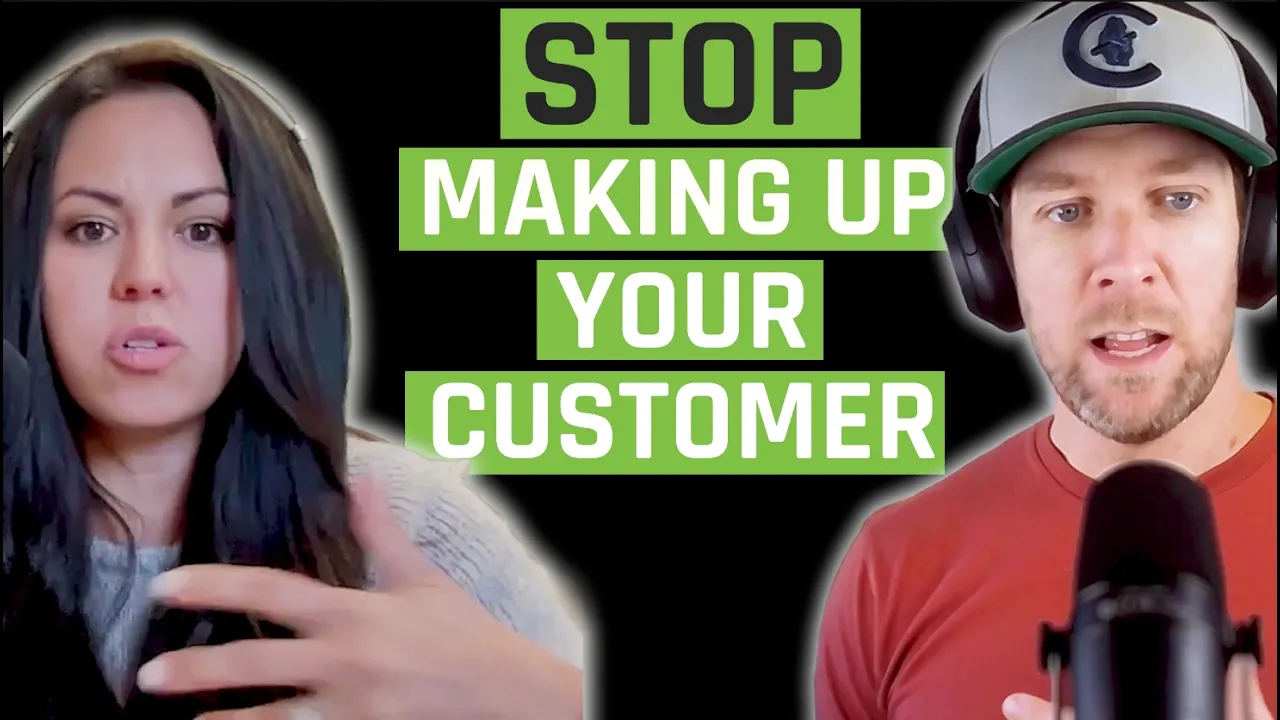
The Andrew Faris Podcast · @andrewfarispodcast
Words
12,131
Runtime
55:04
Speaking pace
220wpm
Reading time
51min
220 words per minute, above the 201 75th percentile of 349 measured videos. That distribution comes from the 349-video hook study.
Opening (first 30 seconds)
I'm feeling naked and exposed right here on this YouTube channel on this interview this is my first ever naked YouTube interview so to speak do you know why Sarah why because you're feeling naked right now yeah yeah exposed yeah yeah yeah on on my YouTube channel for the first time ever do you know why it's because you just told me before we start recording that a very common mistake that people make in their advertising is that they literally just make up avatars they just avatars they just create them they just write ads for somebody that yeah like literally they or or a founder of a
110 words, the words spoken in the first 30 seconds at 220 words per minute.
Free, no signup. See how the first 30 seconds hold attention, with rewrites.
Sentence shape
| Measure | This transcript |
|---|---|
| Sentences | 4 |
| Average words per sentence | 3032.8 |
| Longest sentence | 9,714 words |
| Questions asked | 0 |
| Sentences containing a number | 3 |
Most used terms
Filler phrases
582 in total: like 296 · um 70 · uh 54 · you know 53 · actually 37 · kind of 29 · I mean 13 · basically 13 · sort of 13 · literally 4.
A literal whole-word count of the same phrase list the Prepublish browser extension uses, so a phrase inside another word is not counted and a phrase used in its ordinary sense still is. It is a count and not a judgement.
Free, no account. See where attention is likely to drop, with a rewrite for each weak line. The free check shows the scores and the one issue costing the most. Or run it on the words above first.
Free · No login · See a sample audit first if you prefer.
What this transcript is
Every word below is the caption track YouTube publishes for this video, pulled from the video itself and reproduced unchanged. It is not Prepublish's writing, not a summary, and not a re-transcription: it is the video's own published captions. English captions, generated automatically by YouTube, in the video’s original language. Source: the video on YouTube. A channel that would rather this page did not exist can ask for its removal through the contact page, and it is removed.
No Script X-ray for this video: YouTube shows a Most replayed graph only once a video has enough views.
I'm feeling naked and exposed right here on this YouTube channel on this interview this is my first ever naked YouTube interview so to speak do you know why Sarah why because you're feeling naked right now yeah yeah exposed yeah yeah yeah on on my YouTube channel for the first time ever do you know why it's because you just told me before we start recording that a very common mistake that people make in their advertising is that they literally just make up avatars they just avatars they just create them they just write ads for somebody that yeah like literally they or or a founder of a business just started doing and you're like that's bad you shouldn't do that and then I thought really fast just while we were talking I thought really fast about every Avatar I've ever advertised to and I thought oh I've done exactly that so you don't so tell what say again what you told me what what are people doing that they shouldn't do yeah biggest mistake I see in the industry being made right now has nothing to do with your Tech stack or your budget or your volume or your inad account structure it's the fact that you're doing all of that based on a madeup customer you're making up your avatar yeah and pretty much everyone is and it's a tense say say more about that like what do they how do you know that somebody has made up their AV Avatar here's how I know this way back in about it was probably 2010 when I got into this industry as a marketer to begin with we were basically all kind of steep in this one particular style of marketing called direct response this came out from Dan Kennedy his books were everywhere everybody was kind of like learning direct response marketing at a time where brand brand brand response brand marketing was pretty big right so we came off of Apple Nike who grew up in this like 90s kind of era where all they did was spend money on these giant campaigns and they would see growth then we got into the Doom kind of Internet era and all of a sudden you actually needed to have some sort of like proof inside your ecosystems of marketing for people to come in and buy from you so we started to do more direct response marketing because of that we needed to have something to base all of our strategies on right so you're writing an ad and you got to talk to somebody yeah you got to talk to somebody these marketers had to have something to work from to write as much content as they were back in these days so what did they do they created Avatar templates and I used them I used them back in like 2010 2015 somewhere if I interviewed you then you too you would have been get an exposed exposed okay and tell the truth here marketers all of you have used a customer Avatar template at some point in your marketing career I don't even template I just make it I literally just start Andrew okay see this is this is where I get so concerned because the oh my God we're spending millions of dollars we are tracking things down to the teeniest tinest little micro itty bitty data point we're doing all of this crazy amount ount of work based on something that isn't real it doesn't exist if you built your entire brand off of a customer Avatar that you guessed on seven years ago none of what you're doing is necessary that's the scariest part it's not necessary um do you I mean people have seen some success let me push back a little some people have seen some success doing this some yeah yeah right like I people build big Brands doing this and it's not it's clearly not the case and I don't think you'd argue the case that somebody must have a an avatar developed a very specific way for the business to be successful what are they getting I think I mean I have a theory about this right now but what are they what are they getting right because I think whatever they're getting right when they're doing that I think with the things that you talk about a lot could be um improved a bunch like it like when I talk to you it feels like I have part of this picture and I I've experiened this a few times talking to you I have part of this picture of what's Happening with my customers and then it's like you you have this way of bringing like the rest of it or like or it'll be like oh yeah you're like 75% right but there's this other thing that's really important and then there's other thing that you're not thinking about at all you know so do you see what I'm saying I guess I asked like 14 questions there but I person okay so I will caveat this that like it's not that these avatars aren't a good guess it's not like they're completely inacurate everything's off I think it's more that you just kind of got lucky right like you had a general idea of who this customer was and you wrote it down on a piece of paper or an addre case you kept it in your head and then you continuously marketed towards this person that you created in your head the the scary part about that is humans make assumptions about other humans based upon what we believe about that person so for instance if I was going to Market to Andrew Ferris and I I'm selling you a hat all I know about you is like your height what you do for a job you have some family like I I don't even know if you have kids like I know a little bit about you right but have no idea why you bought that hat I don't understand why that one in particular spoke to you I also don't know how many hats you buy every year I also don't know how big your head is I don't know like what colors you like there's like huge decep deceptively large you don't look at me and think that guy has a huge head but I do as a marketer though I'm I'm basing the entirety of my budget millions of dollars every single month based upon he's a tall guy he's got some family and he lives in this particular area it's not enough for me that's what I'm trying to communicate is like that's not enough information for Sarah to build a whole marketing strategy off of okay the thing is it's enough for you to get pretty far but I think what you're getting at is that because you do like if you were to look at pictures of me you would you would notice a couple things and you could actually or like let's put it like this like let's say you have access to my sales data or for example the aggregate sales data of all the people buying hats yeah um from let's from from the Sarah hat brand okay um Sarah cool hats.com okay from Sarah School hats.com let's say so you would have my data and you'd have also everybody else's data and you might be able to see some trends like for example that I always wear this actually a good example so I only wear a particular hot style I wear baseball style caps I I typically start with the flatter bill but then I bend it a little bit and then I also have the yeah a little and then I have the high Crown like this too so I don't want a dad hat I want structured High Crown like like that's always the Hat style I wear you are like so specific with your hat choice interesting okay and now like I don't wear dad hats I don't wear them I don't wear dad hats um yeah I have a friend who has a really cool hat brand called storied hats and I've always wanted to buy a hat from him but I've told him like I just I'm sorry man I'll just never wear it because it's like it's theong you have the wrong structure of hat for me you have the wrong hat okay so and this this this is kind of where I want to head into which is like I have a decent amount of knowledge of you which means I can grow a brand to a very specific point again educated guessing is okay if you're just stting out eventually you're going to get to where I work with I start to work with Brands which is we've hit a cap we are stuck at 25 million and I cannot get past it we've been stuck at it for two years or five years or 10 years and we just cannot grow past it it's because you're working off off of an emotional or like off of a customer Avatar that was built from like just an emotional guess on what I knew about Andrew five years ago yeah and I well again I'll push back a little I think it's not just an emotional guess it's it's off of aggregated sales down and stuff but there's but what you're getting at I think is right and this is again where I found specifically you to be very helpful is like when I talk to you you know I'm serious this is why you are back on everything it's like because because what I what I need to do is I I go like there's something else happening with my customer Beyond just this basic thing and I know that for ads to work like I actually I have this Theory right now which is the best ads speak more specifically to people all the time and then the way you scale an ad account or a business actually is probably the better way to think about right the way you scale business is by speaking to highly specific people but lots of groups of them so you find like these cohorts of different people and both from a product and marketing perspective and both of those are really crucial you provide more for those people right so again for my friend's hat brand he's not reaching me right now even though I would actually like to buy a hat from him um and that means that and I'm this really specific person with these very specific demands so he needs to now I may not be the next person on his list my my hat Market my The Tam of people who wear my hats might not be that big he might want to prioritize other hats I'm certainly not cool so there's probably cooler hat designs I'm serious right so I'm a I'm a I'm I'm a 40-year-old Dad okay the interesting part is though you are willing you like specifically told him I'm willing to give you money and this happens for every industry and every want to I'm actually running low this dirty and I need to get rid of it but that's just it without understanding your customer Avatar your specific one the one that's fluid that has changed a lot he's never going to be able to reach you ever because he's going to be continuously trying to go after this one this one this one right the one guessing he's just like he's just like okay well I sold hat structure a b and c and let's try D now and they he won't really have any way okay well as you get bigger I noticed the founders and the operational team in particular start guessing a lot I think we should go this way maybe this will work they spend a lot of money doing it too and this is the reason why I'm like stop stop stop stop stop stop yeah yeah you can always you can start from the very beginning with a very simplified customer Avatar but once you hit a particular size now it's required you have to go after who you're actually targeting and what that person wants most in life and you got to split it you have to Silo it down to your point to every Avatar that exists in your Market not just one nearly all of my clients at this point are using Billy to track their ads on meta ads with the best quality third party tracking tool at the best price available in e-commerce of which I'm aware it's b. a go to Billy to get uh meta ads event tracking on your website that is uh the highest possible event match quality score that I have seen anywhere uh Billy uh when I run Billy Camp Billy side by side against the native Shopify pixel in particular that native integration Billy's uh tracking uh consistently outperforms uh meta tracking by every measure that includes the level of Rass and that includes also the actual event MH quality scores and events manager on top of that Billy is a onstop shop replacement for Google tag manager so you can get basically oneclick installs very close to it like less than 2 minute no developer experience needed installs for Google ads Tik Tok like uh snap any other ads that you are running you can get them all installed through Billy it' be really really easy they even have multi-touch attribution built into it if that's something you're looking for uh really incredible tool at a very affordable price so go to b. to get the best quality tracking for your ads today do you have do you have any examples of where you've seen this work for people oh my God there's so many different cool ones see so in particular one of the ones that comes to mind easiest is um do you know the brand Pedialite sure of course pedite it's babies right it's for babies it's for kids like get sick and like okay this is it this is interesting so the original brand pedite was specifically for children who had fevers moms knew it very big 80s 90s brand all you did go to go store get to pedite give it kid they feel better right the interesting part was uh pedite started doing some research about their customer avatars and noticed in this particular time period that they were doing word clouds and one of the words that kept coming up was hangover hangover hangover hangover right next to pite and the more they researched this over the course of several months the more that word kept coming up so what they found was consumers were going into the grocery stores and buying pedite to cure their hangover because pite's a good alternative to Gatorade right it's basically same thing so they basically generated a new product specifically for that customer Avatar based on that customer Avatar's needs and current life experience that it wouldn't have made any sense for them to mark it to an adult who needed pedite because adults don't need Pedialite unless it's a very specific life experience which is they're too drunk and they need hang over here so then they made pedite popsicles and now that's what Speedy is like known for um I here's I think this is probably an example of this you tell me if it's not I um I play some music and um and I've played most of my music in churches in my life and uh not actually that's not true I've probably 5050 churches and outside of churches anyway doesn't matter it couldn't matter any less why did I say that okay good context though the point is I spent my life yeah my my dad is a pastor and I spent my life in church and um and uh have been around church music a lot and um and so there are Church bands playing music playing live music and at some point I heard a stat I don't know if this is true but I heard a stat that Guitar Center the giant uh guitar and music and instrument retailer figured out over time that it was something like 25% of their total sales like a very large portion maybe even more than that um was church worship bands church so if you're if you're that's a hug of their if you don't have any church experience then you may not realize how big of a thing this is but essentially live music being played in church on Sundays yeah and it's this huge portion of their sales and um and concerts though concerts that's crazy playable for people at all levels right so like $150 starter guitar versus somebody who is playing in front of 2,000 people every week and they need they need like a $2,000 $3,000 acoustic guitar that sounds great sounds great to Amplified all those kind of things to say nothing to the drum set right so um it's a tool for them it's a tool it's not just a toy um and so the um so they had done that thing and uh and they had figured that out at some point along the way and I don't know if they like you know started thinking about how that me meant something for influencers if it meant you know change anything I wouldn't be surprised if this information was also down to Taylor and Fender and Gibson the guitar makers themselves you know not just the retailers and um and they started thinking about all those things I would I I'm sure there are like worship leader public you know like influencers in this space who have influencer deals in there you know on for the big guitar makers and all that stuff so um anyway I it's like that and the other thing is is that that would have changed over time um which I know is something you're hot on right now is that this this changes because that kind music and church really didn't start until the like 70s um and then and then really grew from there to where by by the 90s into 2000 or something like that it became ubiquitous which means I bet Guitar Center predates that and I bet these guitar companies do too so they probably over time there yes this whole new market shift of customers comes up that there's no way you're going to know just by seeing your sales data you're just not going to know it you might be like why am I selling so many more acoustic guitars you know but like you you wouldn't be able that without finding out so you wouldn't know and this is why I I caution people when they talk about well we're just going into our Shopify data and tracking aov LTV high value customers is what we're tracking constantly and that's our Avatar we base it all off of that Avatar I'm like well that's not necessarily true this is something I talked about on my podcast a couple weeks ago with Nate your highest value customer may not be the one that purchases the most in fact your highest value customer might be the mom who bought one for her son who then needed six more for his friends yeah techically speaking on your customer data it looks like that son is your best customer but it wasn't him she was the one that brought him into the business so now I'm trying to figure out like oh God this is so complicated so now I I've had to like narrow it down to like a good framework of what I track for customer avatars and then just continuously keep them updated year round because for the brands that I work with this is incredibly important how do you do that so I have a like a fivepoint system that I basically track and these all of these um particular elements are as close as I can get to what actually drives Human Behavior Uh there's so many different nuances there's no way you could track everything that's why I had to like narrow it down to five so usually I track five different things first thing is identity I have to know what I what do you identify with now identity is interesting because it morphs and it depends on the industry depends on the brand so for instance if you buy Yeti Coolers you might identify with the outdoorsy lifestyle but you also identify as somebody who prefers quality over quantity those are two identities that are meshed together that push you into the yeti ecosystem I have to know both I can't just know one right yeah secondary to that I after we figure out identity I have to know emotion what triggers you right now that sounds kind of bad but like being triggered is not necessarily A Bad Thing it happens all the time uh we use it a lot in marketing when we go down to like the level of uh uh like urgency scarcity right we're using those tactics all the time because they work it's not necessarily a bad thing it's just how marketing works secondary to that emotion though I need to know what kind of emotion these people are feeling that are is attached to the product or the brand right so if you're a Disney fan The Nostalgia that you feel around especially as a 90s baby or an ' 80s baby like you feel so heavily about this particular brand because you grew up with it so emotion what triggers you on a marketing level but then what also are you trying to solve emotionally by purchasing these products third is always generation which generation are you a part of I have to know are you a boomer gen xter millenial if I know what generation you're a part of I can tell what world events you experienced at critical times in your life if you were a child who was experiencing the Vietnam War along with your older siblings you something changed in you while you watched your parents go through this very volatile time period same for a millennial who had to birth children in covid like right my brain broke in that particular era so I have to know right so identity emotion generation last one well close to last one because we we double check both these but I like to go after seasonal purchasing behavior and that is where I can actually use a lot of the Shopify data when are you TR when are you buying what time of the year are you buying also what time of the day are you buying and which day are you buying that's massively overlooked in this industry what time of the day and the week and then last one we always always always track cultural movements what's happening in the entire culture so five different things and you give people like a report is this you're this you're the you're the it's it's written here in the show notes but you're the CEO and founder of tether insights you've been doing this kind of thing for a long time um did you give somebody a written report with all that information as that the idea yes so this five points is what I've been basing my entire business off of for four straight years I just didn't know I was doing it yeah you you have to take a while sah Avatar you need to understand what was I needed chat to help me figure out what I was actually doing because I was doing this in my head all the time just like you keep track of your customer Avatar you making fun of me earlier but here you are I just didn't okay to my defense I was tracking a framework not an but in general I I was tracking this just like anecdotally and then it got real serious last year and I finally decided to sit down and do some work with chat and say help me figure out the framework that I'm using because I know my strategies work for the brands that work with me I just need you to help me figure out what I'm doing so anyways um yes this is a new entity where it's basically plug-and-play insights so I'm providing the insights itself all five of these pillars get hit and I'll provide all the brands with the actual data here's what we're seeing the customers doing and then outside of that it's got to be actionable and I tell people this all the time research is fun and very very interesting but if you can't use it it's waste of money it's a waste of money if you can't use it so we provide basically identity to Market match which is something that helps people understand you need to push this skew to this person in this way on this week that's what the identity to Market match is supposed to do we're currently testing this hypothesis is there a worlds where we know which week to actually like market products to specific skes and specific avatars I think there is so identity Market match is something we provide secondary to that we're providing a long list of all the different ways that you could actually Market or message which you and I did a a really good podcast on that a while ago here's how you should message this particular product to a boomer Who currently believes this who's emotionally triggered by these things and who seasonally purchases in this particular way it's really cool okay great do you I mean what is the when you when you talk with people about this do you find that they end up do you end up do they end up mostly changing their marketing because what I actually partly think of all this is like uh that this is a pathway to thinking more about product too to to sort of thinking more about like how do you actually uh like like there's the way to take your existing product and and and speak better about it right and yeah you take that and funnel it through a creative framework that you get for me or just Bachman or whatever you know like um and then there's another way of doing it which is to actually go okay what we just described is the thing that my customer really really wants and when they want it and therefore we're GNA actually start like really trying to take some bigger swings here at the level of you know uh whether it's a full new product or whether it's you know variance of a product or something like that like yeah I don't know have you seen people sort of take it to that level yes yeah so some of the people that are running these with me right now these kind of like plug-and-play insights are using it strictly just to inform their ad workk and that's it we just want the insights we just want to get good ads some of these people are doing what pedite did they're like we need to open our Tam like for some reason we're C and we can't get past it we don't know why Sarah go tell us why and then I go out there and say oh it's because you're in jewelry and jewelry is attached to fashion and right now the fashion rhetoric says black and gold is not in fashion and your jewelry is in entirely black and gold I can't do anything about that at the macro level right there's no ad that's going to solve that yeah there's no ad that's going to solve that but unless you know right now all the marketers are basically just like well something about what we are doing is not working that's not accurate at all it has nothing to do with you you're doing everything right if the macro environment has decided that your product doesn't work right now nothing that you do is going to work yeah yeah right that's why you need to know and in fact the the the this is a theory I have right now the most underrated um factor in e-commerce business's success I think is the Tailwind of Tam basically and when you say the M like just that like it's just so much easier to scale a business if a lot of people want the thing that you're buying and and so true yeah so like if you can sort of find the places where your customer is already seeing and interacting and thinking about these categories and subcategories and they're on Trend or whatever then um and then you also know what motivates them individually it feels like it's really righte for you to be able to develop both product and marketing in a way that would really help that person you go ahead sorry go yeah okay and the only thing I was gonna say is this is the reason why I think it's important to track it and that's why I say customer Avatar should be fluid you should update them all the time for instance there was a time period where the always tampon brand was like third in line right but buying tampac and a couple other ones and you like there was a bunch of ones that came in with new product designs and all these different things and they couldn't comp they were like everybody's a tampon like how do we how do you compete with tampons like that's the product so they actually found a cultural movement to like fit themselves into the culture movement of like self-love right and confidence uh body image in particular so they went after this like group of of consumers who were like you know what being a girl is not a bad thing and you see all these ads come out from the always brand where they talked about what does it mean to run like a girl or hit like a girl or throw like a girl and they noticed that at about the age 12 13 all of a sudden the behavior is coming out of this group where these girls were starting to throw like a little weakly right they were it it was like a weak throw it was a weak run but before that age all of the seven eight nine year olds these women were like frecking like I can throw like anybody so the interesting part was as soon as they attach themselves to this cultural movement of like a girl doesn't mean anything it's a cultural construct you can be whoever you want to be in life they skyrocketed to the first right they're first in market now based upon the fact that they identified a cultural movement within their customer Avatar base that they could attach to so if you find that right now fashion is telling everybody black and gold isn't in stop buying that and that's what your product is find a movement like go find something you can attach yourself too and then run as far as you possibly can with that one movement and it all it takes is research one of the secret things that powers my business to be successful and it really has been successful since I went off on my own a couple years ago has been my relationship with more Staffing a talent agency Hiring Agency in the Philippines that has helped connect me to actually the majority of the people who work for me at this point in my agency they've done the same thing for a whole bunch of e-commerce Brands and that's because they have really deep experience across us-based e-commerce businesses and really in every single part of the business and it is a win-win to hire in the Philippines I can find incredible Talent with deep eCommerce resumés great English speaking great work ethic just great quality human beings who can work on my business I can pay them top-of-the Market rates in the Philippines which is still meaningfully less than I would pay for that same talent in the US that means it's a great win for them because they are getting great quality jobs that uh they like they like going to work for and they're getting paid really well in the process and for me because I can protect my bottom line and add incredible talent to my business at the same time which is an amazing uh uh thing to have happen altogether go to Mor staffing.com staffing.com to look into hiring in the Philippines with more Staffing I'm headed to the Philippines myself very soon uh to go hang out in person with people I'm telling you every part of of your business can be better with them supply chain operations Finance design I have a graphic designer who came from a major magazine in the Philippines Cosmopolitan magazine the Philippines version of it came from there to working with me that is how uh that is how good of a resume you can find um for your business so uh go do that now Mor staffing.com just explore it see if there's an option for you to find uh a great resume somebody that you could get a conversation going with see if it can fit in your business I really and I mean this I really don't know why more businesses don't at least look and think about whether or not this is an option for them it is a TR it is a win for both sides you will love it more staffing.com the tricky thing about that is that you know you give an example like always U or even P like like these are massive you know brands that are building true brand campaigns and some of those kinds of things you know um and so it's easy for the direct response marketer which you mentioned earlier you know the performance marketer to kind of write that stuff off and go like well that doesn't really um but I I think this is where the notion of like product Le marketing really helps um and brand Le marketing where it is true that at the level of direct response you're there you're a little Limited in the like um in the kind of sandbox you can play in I mean maybe maybe I'm not a super creative person so I think that it's possible that I feel that limitation uniquely whereas some sort of more overly creative people would but but I think people know what I mean like direct response just you just can't go run a giant brand campaign that's you know if you were trying to sell always direct response you would you probably wouldn't be able to do like throw like a girl or whatever you know you it wouldn't work that way um and and I think a different strategy but yeah yeah yeah exactly this I say but this is where and I think I think what a lot of brands do is that they they they listen to Somebody Like Me Talk tactics all the time right and some of those things and I obviously I talk about that a lot I think it's really important I think people waste a lot of money on bad tactics and I'm glad to be a voice saying go freaking make your supply chain better go stop spending money that you shouldn't spend all that stuff right that'll help but I think um I think there's this step back that brands have to do which is to keep asking this question of like who is my actual customer what do they really care about and how do I keep like this is where this is where it's like more like you know steering a cruise ship than it is in some ways like steering you know an individual ad is like turning on a surfboard something like that right it's like a really quick move you can do it really fast all the time I don't serve that that's that's my sense um so but like the cruise ship like this is where you have to like you have to be able to say like okay we're gonna actually say we're going to move the whole thing product brand the way we we talk towards these things that are really driving our customers and then the direct response ads within that can then start to go and be like Tighter and people going get to a website where it has more of this kind of Framing and and and and some of that stuff but the two have to work together really really well if you just give the direct response marketer the things that you're saying and say go sell me more stuff it's probably not going to get you very far um but but if you can actually keep saying like Okay how do we position the whole brand you know towards these kinds of outcomes and think about you know the product and all that stuff too um then then maybe you can create a much bigger impact on the business and that I think it's where the always example actually goes down to the you know $10 million a year e-commerce brand yeah well this is interesting because uh you notice Dollar Shave Club did this they came and tried to compete with freaking Gillette like Gillette had been round since like the 1920s how do you compete with a brand that has that kind of Legacy that's a big brand to come in and try and like overthrow the interesting part was is they very very clearly understood what the customer actually struggled with which is cost man at that point for that particular product cost and quality were two things that were incredibly important however they didn't just go in and say you can get a razor for a dollar if had they said it that way and never tried to go deep into humor or understanding what their customers actually like to watch watch they probably would not have been as successful as they were because again a dollar razor to me says that's a razor and you should not use that you probably get a lot of cuts with a dollar razor however they chose a good vehicle that was well suited to the customer type which was humor because they communicated it in a funny way people understood it and gravitated towards it so yeah I remember the early Harry's ads yeah the early Harry's ads were really good about this they they talked all about German engineering and all this kind of stuff and and and I think they just assumed that you would gather the fact that like the price was going to be different now I'm going to throw a little bit of a flag here which is that those companies never made money so I know so bad they sold a lot of stuff no money yeah yeah and they made the right play at the time they the thing is they could have made money right if they would have existed at a smaller scale they just were smart enough to go get get the Enterprise Value when it was based on revenue and get out before things changed so good for them they're laughing all the way to the bank but like they are but but it is you know is just uh a thing um how often do you think advertisers are changing how often do you think like I get this question a lot oh God what I'm thinking is like let's say I want to develop a new product because of all these things I'm learning and it's like well it's gonna take me a year okay let's say you know from inception to production that's reasonably faster around yeah let's say I'm gonna do that um is that too long to pounce on this I is changing every two months like I you know what I mean probably depends on the industry you're in but I I will I will fre I'll find this in a way that like makes it as simplified as possible because again technically speaking psychologically we're all changing every single day not none of us have ever been this age before I have never been 36 in a couple months I've never seen this day before right so technically I will change today based upon whatever it is I experience out there however the core of me was built years ago so I probably won't change that much your avatar is probably not going to like the Avatar beliefs identity right probably not going to change a lot that's why I always study that one first that's why that one's at the foundation because I need to know what's not going to change that much Behavior changes all the time CU super Behavior usually changes about every 12 weeks based upon where we are in the year what seasons are coming up what's happening in our life what kind of life changes we're we're about to face right so this is the reason why identity probably won't change a whole lot but the behavior will change the minute the weather gets nice or starts to get cold or it's almost back to school time like all those things are changing so that's why I track those at the top once we identify identity and emotion those are the core and we've talked about that a little bit that like the NLP that I run usually fixes both of those and the cim too the last three though generation data like understanding how the generations respond to things seasonality in particular seasonal behavior and then any sort of cultural movements those are the three that I would track the heaviest if you can the generation thing is really smart I um what got you on to that this was really weird you talked to uh Jeremiah at no Commerce I was talking about the in like 2020 he's he's going to be on he's going to be on the show soon by the way subscribe subscribe now if you like this don't want to miss yeah I love Jeri he's amazing brilliant so this is like GI the industry he's he does a lot of stuff in public that is so helpful for people sorry yes he's also just very nice he's like just I've never talk to him he seems like it yeah he's fantastic you'll love him super super down earth guy especially for a CEO who's like under a lot of pressure all the time I'm like you're so calm Sarah's not calm anyways so generational Behavior so I this is the first D Toc dinner I had ever gone to and I had just read a book oh I think it was called Generations it was just like talking about here's like what happened to each and everyone jeene twang um possibly let me look at up because now I I'm like what was the exact one yeah this one although I think it was just recently up Generations fun yeah anyways I think that yeah this is uh Neil how there we go okay okay Generations by Neil how um it was basically just a history from 19 uh says 1584 to 2069 is what he's doing so he's trying to like project you the future interesting stuff like just really fascinating book but it was talking about specifically here's what the different Generations experienced as like a whole as a culture so we talked about again like the Boomers were gen were a generation that just man they faced a lot of political and like intensely War related issues in the their whole world at the time that man just completely changed how they saw everything in life and they were just about to experience this strange shift in like familial status so up until the Boomers became like adults uh the husband usually went out got the money and the wife usually stayed home and like hung out with kids right that was just the family structures that we had in the 1940s 50s up into the 60s as soon as we hit 7080s 90s the time period where the boomers are starting to become adults now both people in the household to work which changes consumption Behavior it also changes how the families operate just on a daily basis so all of these things have to be kind of taken into context when you think about the person that you are marketing to because a boomer believes something very different about how life should be lived than a millennial does so that was all based upon that one book and I was just like fascinated by and now I've done like a ton of studying on it and it's just it the more I read about it the more I'm like this this is one of the core pieces that I think most marketers Miss is the generation and the world events that you experienced drastically change who you are as a person yeah yeah I and I think that's right I think it's I think it is something that's easy to underrate like I yeah just that like you know a 20-year-old digital native just thinks about a lot of things really differently than a 60-year old and that's sort of obvious in a lot of ways you talk about people talk about this along political lines or religious lines or whatever it is all the time but uh but they I think I think it is interesting to think more about sort of that's sort of obvious if you talk 20y old 60y old but I think people miss this when you get to like 45y old versus like maybe I don't know like old Millennial versus like young Boomer or something like that you know like Gen X you know something it's like yeah right and and and just like life stage even yeah Kids versus not and just all the things it's just interesting yeah what what all this gets at in in um is just that there's these level of the way people are interacting with the world with themselves with their families that are changing all the time I mean you're a mom like just like all of the sudden all these things started shifting in my life yeah when here's a good example right um I so I like Fitness stuff but I remember I saw somebody I think it was Caleb olers who's he's great like he seems great uh maybe I said his name right Haven bags I'm not trying to pick on him at all he he he tweeted something about his um his like bedtime routine uh his sleep routine and how he's like knocked it knocked out his sleep routine to really maximize his sleep performance and all this stuff right and I know why you're laughing right now Sarah um I know why you are because because I'm putting in the Contex of parting and I think that's great I think people should listen to Caleb he's thought hard about it absolutely yes it's great but I have a three-year-old and a 5-year-old like nobody out here is optimizing their sleep if you have I actually am I actually am and you know what it doesn't work because my three-year-old and it's such a major difference and I imagine that would change again if I had a high school kid and if I was like driving them around late at night um you know to their different stuff before they could drive and I bet it would change again if I had anxiety about how my high school kid was doing because of you know whatever I bet that changes for me as a dude versus my wife you know and our different emotional reactions to that and I bet some of those things are gendered in ways that they're relative you know like predictable quote unquote at least at least in the averages right across gendered lines and there's like a million things like that that get into how people are interacting with the world so if I'm was selling a sleep supplement okay like now we're talking about a lot of different kinds of people in their approach there's like the optimizer like Caleb who can lift the world on his shoulders like literally physically so far as I can tell right hours of sleep that he's getting right and and he's sleeping for performance optimization and all that and so I'm going to talk to him so differently that I want to talk to you Sarah right and what you're doing which is like please just just 15 more minutes would help me so much minutes exactly well this is interesting because oftentimes you'll find that these companies who sell like melatone and gummies or things like that they're so focused on the problem in the solution and this is why I think like direct response coner drives me crazy because yes it's important but we're so stuck on it like marketers you got to expand expand your education like level and understand that you need to use your direct response education in a different way now cuz everything is siloed right so Sarah consumer needs something very different than like optimization guy right and you're going to have to somehow Market to those people very very differently based upon the fact that like my goal for this is not to optimize it's not even to get to sleep my goal is to stay asleep that's different yeah different yeah yeah and and that really is comes down to the level of Avatar one thing I do about this is that the beauty of direct response is that you can actually start taking some of these ideas that you're doing and go like okay now I can actually test this and I can I can like I can write the ad speaking to that person to see if it resonates because I'm guessing when you're giving somebody this you're actually giving them a few different things right and it's like okay here's a few different kind of customers and sub customers and all that kind of stuff you have and some things that are motivating them try speaking to this thing that's motivating them or try to speak more the generational angle and try to and the beauty of response advertising is that you can actually test that stuff for very cheap and then scale Works build your bus around it you know well that's just it it's like I don't want you to throw direct response out the window even though like again I think we overuse it heavily but what I would rather direct response is like step number seven we are starting on seven we got all these other steps below here that we just completely forgot that we had to do right so I we got to slow down slow down D Toc Brands please slow down we got to start at the very bottom not just necessarily who is this person but when are they in life like we just talked about right I don't have teenagers yet but I do have seven-year-old and now we're into homework and we're into friends and there's like birthday parties there's all this stuff that I got to do so I'm tired if you're selling melatonin gummies speak to that speak to my experience of when I am because that'll sell a lot better and then yeah track all these cultural things because I might be really into eco-friendly right now as a mom that's separate from your industry but if you can tell me that your gummies are eco-friendly and they have no sugar in them and all kinds of other things I'm way more likely to purchase because it's two identities that mesh into one and when you see big Brands who do have very large budgets this is basically what they spend all their time doing like a buddy of mine is a is a marketer he's a marketer at a video game company uh uh so they're about to release a game very soon and um and you know he spent eight hours the other day standing behind oneway glass or oneway mirror whatever oneway mirror what is it what that called you know what I'm talking about right's standing in a room watch right watching focus groups um yeah where you know discuss his game and they're just listening to regular people thinking okay how does that affect our campaign you know they're putting so much money into this stage of things the thing is most you to see brands most people watching listening to this can't do that right they can't go to that level so what what can they do they can work with you right that's one thing they can do they can hire me seriously because again like you you should not I personally don't believe that you should hire someone to go out and do market research for you um internally I should say don't hire an employee to come in and do this for you because for one they're very difficult to find and two they're not going to know nobody has enough money for that anyway they're expensive they're crazy expensive so the second thing that you should do find somebody whose only job is to go be an informant and that's what I currently do all I'm going to do is going to tell you here's what's happening here's how to use it that's Sarah's job if you can't do either one of those things track it on any level that you have the ability to track it on this is something I talked to somebody the other day about was we are starting to see a shift in the role description for Creative strategist all of a sudden it used to be that they need to track performance and do scripts and get the ads up and get influen it like they used to have to do a lot of like the actual creative metric work now they're being required to also do research so the creative strategist role is just getting like tapped with all these different responsibilities that we don't have a solution for in the industry yet and it's becoming a problem because they're already difficult to find and on top of that they're just strapped like these poor creative strategies don't have time no course they don't have time for this yeah yeah it's tough what uh say so the first thing they should do is hire you right but let's say they can't do that or they or they they can't do it yet or something like that is there some ways that people can like begin to get at this themselves are there any are there any or are there even like heris they can use to think about like sort of initial guiding thoughts for this yes I've I've uh done a training on this at a couple different places but I have like a a pretty simple psychographic research panel basically I'm going out on the internet to all the free places that I can go to and checking for very specific things every single week and then once a month on the bigger side so I'll I'll get you guys this like uh recorded we we'll put the link to this in the description of this on YouTube or in the show notes if you're watching on a pod feed or listening on a pod feed but it'll be there um and and um and then you can get some steps for for some initial steps into this kind of thinking about things I think that'll be really helpful for people um okay anything else anything else there that is like that we didn't touch here around the idea of customer Avatar type thinking we talked about there were I think at some point there were two big Ideas we might have hit them both already but yeah what we leave on the table dive into um the second one I would say is uh once you get these avatars and once you start studying them and uh and really kind of diving deep into them then you kind of um you need to build a a system right you got to build a system for how to like continuously get this data in uh and that's the kind of like what I've built for interally for my own business but for any of these Brands that's the one thing that I've noticing a lot is the like CMOS or or people that are running the strategies consistently come back to me just for like Consulting work because they they're like we don't know how like we have all this data we just don't know what to do with it right or how which direction we should go so yeah I mean after you get all the data in the secondary piece of it is now as somebody who's running a brand it's your job to decide do you want to go this direction or this direction being definitive with your data is one of the best ways to grow a brand even if you go the wrong direction for a little while it's going to teach you more and get you to where you want to be faster than if you're just making these small little things all the time I'll tell you I you tell me if you think this is wrong this is this gets a little bit back to the thing I was saying in the beginning um here's the way that I've tried to do this so far which is that um this is very much through a meta marketing lens okay so specifically the level of meta if creative is targeting in the sense that like you Target Broad for everything meta then just uh puts your ad in front of the people who engage with it right then what that theoretically allows you to do is begin to run a wider range of tests on this kind of thinking without actually having all that data and then as you start to see resonance on some of these things to take the kind of work you're doing to go deeper into what is really motivating that person like so so for example like let's use the Sleep example I gave earlier what I might do here um is I might say like okay there's actually a bunch of different kind of people who need more sleep and who feel that need for more sleep and who would who would take a supplement to do it okay yeah um so I'm going to now create three different messages five different messages or whatever and maybe even three different five different like landing pages and funnels with different imagery and all that kind of stuff and I'm just going to see if I can get these to resonate on the assumption that like if I put Sarah the mom of a seven-year-old image sleeping peacefully on my landing page you know or like maybe it's you doing ugc being like I started taking this and now I sleep great every night and I I used to wake up maybe maybe maybe that yeah maybe it's more like I used to wake up in the middle of the night I fell asleep fine but i' wake up a million times this is how I stay asleep all night long and then you do a whole landing page about that it's all moms and it's all people who are saying that same thing and it's like here's why it's scientific works and blah blah blah right so you get you get the idea and now I could take that and I could go over here to Caleb as well who I mentioned earlier right and say like here's how this is sleep opt you know performance optimization for your sleep and here's how it fits into that it's just a bunch of Jack dudes you know um everywhere on the page and they're all just the jack might appeal to you and moms I don't know you know for different reasons but I don't know yeah you know what I mean like like performance optimizers like him you know yeah right and but I use my imagery and my copy and at the ad level and the Lander level to do this I this is this is not a sponsored moment or anything like that but this is I always trying to talk about this with the reason I like using format uh and the reason that I took them as a sponsor was because doing exactly this for a client where we would say like we can spin out these Landers extremely fast um where we could actually build these really tight funnels across these different things and then see sort of like okay which message is resonating the most of these different subgroups you know um and I and so I would do that and then I think I think again because sometimes time and money are limiting factors here for the ability to go deep here um and so so what I might do is do that first and then somewhere in there say and because the testing cost is so low there what the what I might then from there due is go okay now how do I bring in Sarah to like supercharge that okay I've got an ad that's spending 20 grand a month or something like that this funnel is working who who am I spending 20 grand a month on right now like what are those people like how can I go deeper with them and how can I turn that 20 into 100 you know how can I tweak the product whatever that feels like the way I might take some steps into this from a sort of tactical perspective at a lowcost high impact way yeah think I mean I I I would agree yeah especially um it especially if you're able to come up with good messaging on the actual original landing pages initially and this is where I think you and I differ a little bit because some of that testing you might put into volume ad account where it's just like we're going to run a bunch of creative to see what oh it would all be manual bids and if it and it would only spend if it worked yeah 100% that's part well that's that's actually part of the logic for me right is that like it makes it cheap it makes it so that you you you don't risk all the ad dollars finding out it is one method of testing I I prefer to go for like like admin level right where I do a crap ton of work outside of the ad account and then run very careful tests inside the ad account that are most likely to hit on the landing pages that I set up so it's just it's a different way of testing Sarah likes to go for precision and slow mostly because again I don't want to be generating ads every single day all day long like it just I would so much rather be doing the deep deep research on these customers but yes if you have like if you have access to something like forat that's freaking fantastic because then you can easily just like drum up landing pages real quick go go go then you can also test nuances of those specific customer stos you might have a guy who wants to optimize his sleep but he's not into like the gym kind of like bro not that that particular but he might be an Optimizer specifically because he's got a night shift job we don't know like how many different customer types do you have so yes I like this testing strategy though I think you could go very very very far with yeah well because because because I'm just anticipating that what somebody's gonna say with this is like do I like I don't have time to go do all this stuff and I don't have money to hire Sarah to do it right um not yet right and so I'm trying to think like how do you how do you combine the ability to test cheap and to test at volume with with what I think is really important which is like yeah because really what I think if you want to build a 50 hundred million dollar brand you've got to know this stuff you've got to come to understand oh I'll give you a great example I don't know if we talked about this Jack Rubin who's been on my podcast three times pretty and fig he said he learned something about these subsets of his customers did we talk about this already I don't remember I think it's a great example it's a cleaning it's a house cleaning product like how many different avatars are there for like cleaning your I was going say this sounds familiar I think they may have talked to me at one point we he and I would be Sur surprised well cuz the thing that he discovered was there was there were different cleaning behaviors from different customers there one of them was one of them was a spot cleaner somebody who just sees a dirty spot sprays and cleans and there's another person who as part of their daily routine almost part of the way they wind down is like exactly which one are you that's me yeah I could tell full Surface Cleaner yeah I want everything clean just get the whole thing yep and so then the scent was part of the experience and and then there was like another sort of subset of those which just hosting anyway in the beginning stages it's going to be hard to figure that out but as you start running ads you start seeing people respond different ways and then you if you could find that out now you're actually going to really build your message for like Sarah the everything cleaner and let's say Andrew the spot cleaner and you're gonna actually really think differently about how to talk to those two people yeah very much different value proposition all those things yeah well again some of this is really interesting because if you have enough access to social listening tools you can figure that out without having to run an ad because on the social side on the comments everywhere okay so one of the tools that I use is a tool called brand watch where they're just listening constantly as to what everybody's doing they're plugged into all the apis of like basically every social platform and so I'm going through and building these giant like structural panels where we're tracking all these different words that are surrounding one specific brand or concept so for instance if I wanted to track mushroom coffee and I wanted to know everything that was around what was happening m in the mushroom coffee space the word cloud might also include Lion's ve right and it might also include I don't know interesting whatever the other mushrooms are right I need to know about those mushrooms outside of those mushrooms that these people are referencing which one of these mushrooms is talked about most and why is it being talked about it'll break it down that far where we can see lion man is primarily associated with talking about sleep or cognitive health or brain function and if I know that peasy now I can go on ads that talk about brain health cognitive function and sleep done done yeah and that tool is called brand watch that's really smart brand watch brand watch G gwi hoot has one that's like okay it's a it's a pretty decent one if you want to just get started in Social listening but I can't tell you DC has like just scratched the surface on Research there are entire entities out there they like McDonald's has a whole team whose only job is to listen yeah well they're a lot bigger than us so that's the thing right you know that's the reason why I'm trying to make it simple for you so yes social it's very very important so this is this is the one that I currently use just to uh social listen thank you is it expensive give me my son just gave me little oh I gave you a card how old is he we're interrup Sor you want to come in and say hi yeah come do it come do it say hi this is Max Max what's your name man I mean I mean what are you up to sorry you just said your name is Max do you want to uh say one thing on the podcast you want to say what's your favorite uh what's your favorite TV show uh probably the one with the octopus oh and uh the angler Fishing the angler fish I like what is that is it I don't squid sounds good though squid giant um you got any tricks squid do you have any tricks you can do I can do a cartwheel you can do a cartwheel a cartwheel oh I don't know if I'll be able to see that where you do the one with your hands where's the's the people open it up see all the people oh you can do that one too oh that's a great one that's exactly what I was looking for that's great podcast content fantastic okay I'll be done in a little bit okay you want to go outside but make sure to open that will and also and also there's something right here look on the back it's lovely thank you I'll be in a second I will look on the back that's amazing okay it says you hate chores chores I hate chores look on the back it says I hate chores sorry that's spoil the surprise that is that is fantastic I am so glad that just happened all right well listen that's as good of a note as any to end on um Sarah do you um so okay follow up with Sarah at tether insides. the link for that is in the show notes like I said are in the description um and uh and then follow Sarah on X and all the things all the things all the links everything all that stuff is all there if you like this episode you'll also like my past episode with Sarah which will also be linked in all those places um Sarah thanks appreciate it this is great thank you it great [Music]
The words are the caption track's own and nothing is reworded or re-transcribed. Paragraph breaks are placed between sentences so the text reads as prose.
Free tools for your own script: paste a draft and see where it stands before you record it.
Paste your draft and see where viewers are likely to drop off, with a rewrite for each weak line.
Paste the first 30 seconds of your own draft for a hook score and rewrites.
Check your draft against YouTube's advertiser-friendly guidelines before you record it.
Read this channel's public videos and transcripts, and download a writing brief for it.