Getting the transcript
Reading the captions from YouTube. A video nobody has opened here before takes 10 to 30 seconds; this page fills in on its own.
Getting the transcript
Reading the captions from YouTube. A video nobody has opened here before takes 10 to 30 seconds; this page fills in on its own.
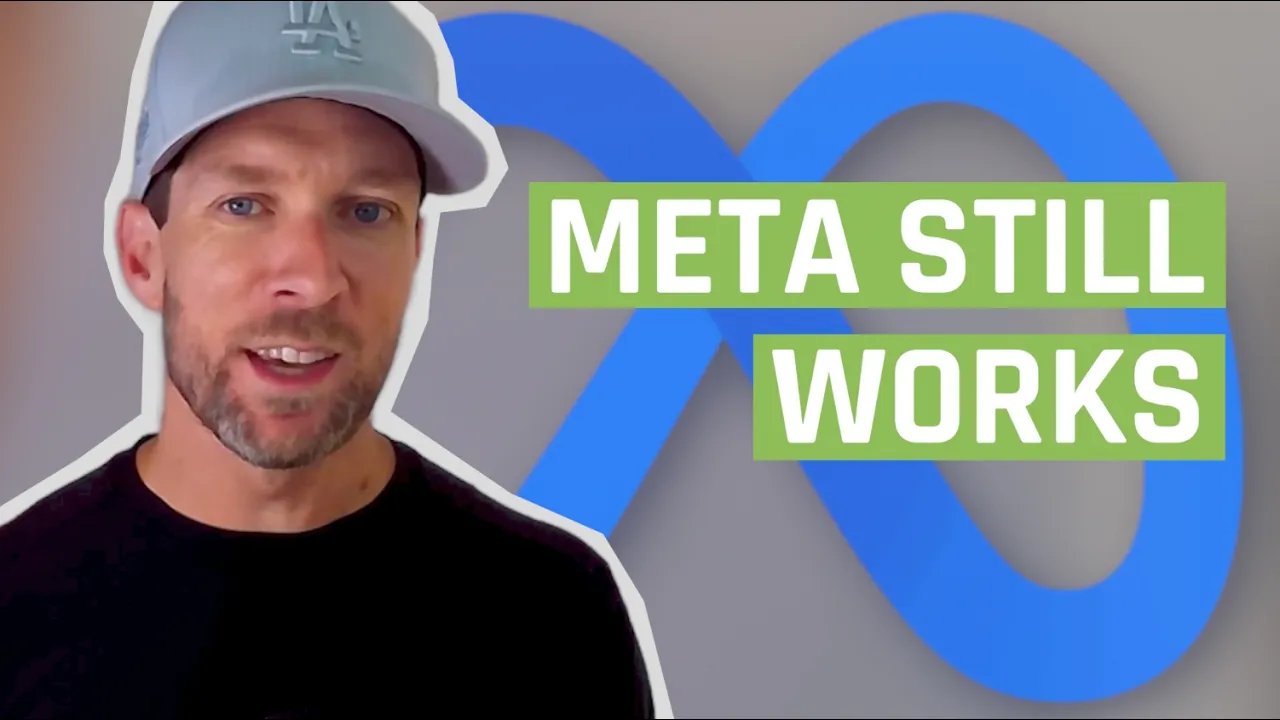
The Andrew Faris Podcast · @andrewfarispodcast
Words
7,157
Runtime
32:23
Speaking pace
221wpm
Reading time
30min
221 words per minute, above the 201 75th percentile of 349 measured videos. That distribution comes from the 349-video hook study.
Opening (first 30 seconds)
Today on the Andrew Ferris podcast, I've got six pretty quick, pretty tactical mix of tactical and some big picture thoughts on what is working, what is happening right now in the state of DTC for the actual brands that I'm working on, what am I seeing in the industry as AJF Growth seeks to provide great service to its clients as we run into challenges, as we try to grow. What am I seeing right now? What's working? What's not? What's coming down the pipe? Let's get into it. All right, I'm going to try and be hyper tactical and direct in this one and do my very best not
111 words, the words spoken in the first 30 seconds at 221 words per minute.
Free, no signup. See how the first 30 seconds hold attention, with rewrites.
Sentence shape
| Measure | This transcript |
|---|---|
| Sentences | 395 |
| Average words per sentence | 18.1 |
| Longest sentence | 149 words |
| Questions asked | 20 |
| Sentences containing a number | 11 |
Most used terms
Filler phrases
296 in total: uh 95 · like 65 · um 45 · you know 31 · actually 22 · sort of 15 · kind of 12 · I mean 4 · basically 4 · right? 2 · literally 1.
A literal whole-word count of the same phrase list the Prepublish browser extension uses, so a phrase inside another word is not counted and a phrase used in its ordinary sense still is. It is a count and not a judgement.
Free, no account. See where attention is likely to drop, with a rewrite for each weak line. The free check shows the scores and the one issue costing the most. Or run it on the words above first.
Free · No login · See a sample audit first if you prefer.
What this transcript is
Every word below is the caption track YouTube publishes for this video, pulled from the video itself and reproduced unchanged. It is not Prepublish's writing, not a summary, and not a re-transcription: it is the video's own published captions. English captions, generated automatically by YouTube, in the video’s original language. Source: the video on YouTube. A channel that would rather this page did not exist can ask for its removal through the contact page, and it is removed.
No Script X-ray for this video: YouTube shows a Most replayed graph only once a video has enough views.
Today on the Andrew Ferris podcast, I've got six pretty quick, pretty tactical mix of tactical and some big picture thoughts on what is working, what is happening right now in the state of DTC for the actual brands that I'm working on, what am I seeing in the industry as AJF Growth seeks to provide great service to its clients as we run into challenges, as we try to grow. What am I seeing right now? What's working? What's not?
What's coming down the pipe? Let's get into it. All right, I'm going to try and be hyper tactical and direct in this one and do my very best not to um be verbose and uh draw these out. So, let's get right into it. Number one, spend money on retention advertising. Spend money on retention advertising. Uh it has become this idea in people's mind for a long time that because new customer growth is the thing that drives total growth in your business, which of course that is true.
You need new customers for your business to grow. Uh and because there's a big big focus on incrementality of the revenue that you're driving, there's this little subtle thing that happens in people's minds, which is that you ought only to spend ad dollars on new customers. And that is wrong. You should also spend ad dollars generating returning customer revenue as long as it is still incremental. What you really should be focusing on is incremental revenue in your business.
Incremental revenue. And that incremental revenue may be from new customers. and maybe even returning customers. And ad spend may help with either or both in all kinds of ways. And so you should make decisions about how to allocate ad dollars in your ad account by is it generating revenue uh that was not going to come into my business before? And you should gen and you and you should make sure that the revenue you're generating is in excess of the cost including the COGS and all those things of generating that revenue.
And if that math works, then you should be spending on retention campaigns. And my contention is that for the vast majority of brands uh they ought to be spending some ad dollars specifically on retention campaigns. Uh and uh that can be in meta that might be rolled up in your app and spend because you can't make a distinction there. It might be in Google. There might be all kinds of things you're doing to spend money on past customers getting them to buy more products or to repeat purchase.
But you should probably be doing it. In most brands that I have looked at adding retention ad spend has created additional retention revenue. And so, so you should do it. You should be spending money on additional customers in retention. The way I do this normally in a meta account is I separate out I exclude past customers from my prospecting campaigns in meta. I separate them and put retention campaigns separate. Uh there's some potential drawback to that at the level of signal in the ad account.
Um which I I have some questions about. But the reason I do that is because I have a different target for my retention campaigns than I do for my prospecting campaigns. I typically want retention customers to come at a higher rorowass than prospecting uh customers because I'm assuming that some amount of the retention dollars that I'm spending is cannibalizing organic efforts but probably not all of it. And so typically if I'm getting a three or four or five to one on click from retention customers probably some amount of that is incremental.
And of course you can actually build an incrementality study or or a conversion lift study or something like that to measure this specifically but you should probably be doing it. That's the point. You're probably leaving money on the table if you're not doing this. Track your retention revenue, your return customer revenue separately from your new customer revenue. Spend some money on retention ads and see what happens to your retention revenue.
This will look very different for different kinds of brands. It's an absolute necessity if you're a brand like an apparel brand or, you know, homegoods or something where you're constantly releasing new versions of your products, new colors, new designs, anything like that. Uh your your past customers are not going to stay up with your email list perfectly. Lots of that emails going into the promotions and maybe even spam folder and they're just not going to click.
So, um, so doing that kind of thing is important. It probably changes a little bit if you're a subscription oriented brand and some of those, but even for my subscription brands, like we've definitely seen returning customer spend, driving returning customer drive, uh, uh, revenue. So, yeah, go after it. Spend on retention, pay attention to it, measure the performance of it in your brand. It probably is going to work.
Number two, I think we are probably reaching the AI trough of disillusionment. And what I mean by that is the thing that everybody points out, there's some kind of a graphic about this somewhere. And uh and I don't know, maybe I'll pull it if you're watching YouTube. Maybe I'm not going to, but basically there's a hype cycle with almost every new technology where everybody gets really excited. There's early adopters, people who overpromise, promise to the moon and all this stuff. the hype gets really really big and then sometime after the hype most people don't realize the hype and then there's a trough of disillusionment and then the long term levels back out okay to where it like gets to be part of uh part of the sort of normal use for people and it's funny because the trough of disillusionment happens actually as adoption goes up so um I you know I think there's no question that more and more people are using AI in more and more ways to do more and more really cool things in their business but here's what I think is going away I think people are quickly abandoning the idea that and I'm thinking here specifically in the lens of ad creative and copy that sort of AI is going to solve all of that for you right now really fast etc.
And in fact, I think there's this thing where people really hate the idea of AI overpromising particularly in creative. Uh like so if you think about um if you think about the response to icon that has happened where people are like mad at icon for not working and they're angry because they feel like they were overpromised so much. Like that is uh that is uh that is like totally where people are at with it is they're they're frustrated with the overpromise.
And what I think that's doing is making people start to kind of come back around and go, "Ah, wait a minute. Is AI all it's cracked up to be?" And here's what I believe the answer to that is is not to be into the trough of disillusionment. Instead, it's to recognize that AI to work well in your business, particularly at the level of creative copy, uh those kinds of things, that um that that that what you really need is incredible amounts of context, incredible carefulness in tuning the machine to do the thing that you want.
And therefore, uh you you need a whole bunch of deeper thinking in the level of how you actually set up and utilize AI for it to be really useful for you. The thing that I think people are dis are disillusioned about and that is going away is the idea that it was just going to be like pull up chat GPT and have an endless ad machine that produces really high quality winners. Even for clients of mine who are really AI forward and who are doing a great job utilizing AI in their businesses.
I'm seeing some elements where they're still building their AI tools. They're not turning, they're not going away from them, but there's some sense that maybe actually this isn't quite getting us as far as it uh as they as they thought it would get them to do certain kinds of things. Um and so yeah, so you know, and and I've even seen memes about sort of like, you know, CEOs saying, "What do we want AI? Uh what do we want it?
Uh what do we want it for? We don't know." Um you know, something like that. like and so there is this sort of back and forth and I just feel that brewing a little bit where there's this disillusionment. So here here's my here's my tactical takeaway from this though. Get really good at thinking more carefully about what it is that you want AI to do for you and then spend real time and effort making it happen. Like most types of automation and most types of sort of system and process building more generally it the problem is it actually takes a huge amount of work upfront to save you time down the road.
That's been my experience with AI as well. If you just ask for basic things, I mean, it can do a lot for you in that case, but it it can't take over and be this huge contributor. At AF Growth, the bet we're making above everything else is that we're putting a huge amount of time into integrating AI co-writing tools into our creative process. And what I have seen very clearly, even though we have given incredible context to our uh AI coowwriter, we call it Prometheus.
Um, we've given Prometheus a huge amount of context and we've given it a whole bunch of instructions, etc., But the output is still really mixed. And some of that will get better over time with better models and we can plug it into all that stuff. But part of it is just the continual fine-tuning into what will actually help it produce the kind of output that we want. It's better. It's much better now than it was when we started.
It's going to get better still um as we continue to do that. But that work happens at the level of details and process very very similar to the way that work happens at the level of details and process in your organization. like building careful notion and aa boards and things like that is a whole bunch of work up front but it saves you time down the road. Something similar is happening with AI. That's my current belief on where AI is at.
So resist the dis just like I think it was probably wise to resist the giant promises of like sit on the beach forever while AI makes endless ads that win. Uh I also think it there's a resist the urge to go the other way which is to sort of be like ah screw it you know. Um it it didn't work. AI doesn't work. I don't think that's right either. I just think it requires some more upfront effort to do the things that you want it to do.
Uh number three related point related point to this but I want to draw it as a separate thing because I think it's critical. The marketing output requires detail work that most people don't see and requires clarity that most people don't see. And uh and to do a great job at creative and copy and landers and offers and all this stuff, it requires thinking much more carefully, strategically, deeply, uh etc. than most people give it credit for.
And and and what I mean by this is that like what everybody wants to do is go find the magic creative unlock that wins for your brand. and they want the they want the they want the like sort of endless creative machine that constantly pumps out wins or they you know the thing I see a lot of people do you know I've seen this forever and I've probably done it myself you know you go and look at other pe other brands ads and say well this is what they're doing and so why don't we do that that would be the thing that works and then you go and do it and it doesn't work for you in quite the same way and and there's so much wheel spinning that happens at at the level of thinking carefully uh at at the level thinking like what creative will And a lot of that wheel spinning doesn't happen at the level of like of two things.
One of them is your customers themselves. So people are not thinking very carefully about what is unique about your brand, your customers, their specific desires relative to general ad creative. And then secondly to real deeper level ad strategy. And this is why like I put out an episode recently about making the best ad in the history of the world. Literally the best ad in the history of the world. And it probably sounded really basic to some people.
I kind of wondered if I would actually get torched for it in the comments. I didn't thankfully, but um but I didn't. But it's because I'm I am spending so much time right now thinking about this question like how detailed can I get about what makes good creative like at the level of the hook, at the level of the sort of design or nativeness of the ad, you know, sort of high quality versus lowquality, ugly versus beautiful.
Um what about at the level of message and angle? What about at the level of storytelling methodology and um and how you kind of keep somebody engaged throughout a whole video? And there there's actually if you go do that work, you can go deeper and deeper and deeper forever on this. And this fits the AI trough of disillusionment problem because what I think a lot of people wanted was was to be able to prompt AI something like this.
Um, you know, here is Alex Hormosi on creative or uh okay uh chatbt, you are uh an ad creative expert for a meta ads agency or whatever. you know that you give that that prompt and then you say uh and then you say uh like okay and so now write me this ad you know or you give it the brand book from the brand and say okay write write me this ad and the output isn't that good and and that's that I think is exactly kind of the problem here which is like you actually haven't thought deep enough about what actually makes great storytelling and great content and all these things and and I don't know it's possible maybe maybe it's hard to tune an LLM to really produce that kind of output But but I won't believe that you can't do it until I see people think more carefully about those two things.
Their customer specifically, their customers desire specifically and then the and then the the ad creative uh and like ad strategy ad B like the the fundamentals and the strategic value of that. And by the way, those things change for different customers. That's why it's important to do them together. Women are going to respond differently than men and older people are going to respond differently than younger people and and so on.
And so um and different categories are going to have different things going on. And so apparel is going to be really different than a supplement brand. And so you ha you have to just keep thinking and thinking and thinking and solving all these problems for forever. And this is why it is so hard to hire creative agencies and copywriters and creative strategists and all these things and why so much creative work just doesn't work.
It just doesn't it just doesn't do very well. And everybody will promise you and tell you that they have the magical way of doing creative that works all the time. But it's very very rare that I've seen people be able to consistently produce this over time. And in many cases, what I think is that the people who do often like just find some superstar level talent that seems to be able to do it. But that's really hard to hold on to.
And and relatively few people, so far as I can tell, have thought super carefully about how you do this uh how you do this consistently and sort of what the rules and principles in place actually are. And that's why in my view an actually a reasonable approach to this problem that more and more people I see take uh is just do volume you know like even aside from my focus on manual bids and some of that stuff like I this is why this makes sense like just okay if if nobody has the answer here for how to make creative that consistently works at scale just get make more just make more of it take more shots and get more smart people.
I saw Zack Stuck say something the other day about sort of his creative output for a couple of his brands and he was saying there was like, you know, four different creative agencies or, you know, creative teams or something working on his brands. Those four different creative teams and he said specifically one of the things he liked about having four creative teams was that they each had different styles that they were good at.
I think that's actually right that like that like different creative teams and groups um sort of have space for each other because they will develop different skill sets because the actual potential skill sets are sort of endless. And so instead of asking one creative team to do all of the kind of work for you, instead let them get really good at certain kinds of things, let them hammer away at that stuff all the time and then push really hard um by adding as as capital allows and as OPEX allows on adding more of that creative firepower to your account.
As an agent, that's what I would do on the brand side. Um, as an agency, what I'm trying to do is get as deep as possible, as clear as possible on at least some types of creative that we can replicate over time. So, even if we can't make every kind of creative excellently, and I certainly don't think we can at this point, that we there are some formats, some styles, some storytelling methods, etc. that we get incredibly good at, that we think really detailed about, that our that Prometheus, our coowriter gets really awesome at.
But that work is really hard. It's way harder than people let on. And uh and you ought to recognize that going into creative processes. Um and and the the trap I think to watch out for is basically anybody who's most people who sell you the idea that their creative method is the one that works. Um I just think if I just think most people can't even articulate a method and that's the thing to look out for. If they can't actually articulate a method, it it doesn't work.
And so, you know, I know for us again for AJF growth, like we're trying to think about, okay, what are the things that we believe about this that we can actually articulate and replicate over time. It won't be the beall endall for all creative ever, but um but there maybe are some things that we can get great at and replicate a bunch and then keep doing that and then just build on that slowly over time. It's easy to see why agencies take a long time to build because there's going to be more and more stuff to build on top of that foundation for a very long time.
So, that's number three. Rich Panel is becoming the customer service help desk software of record in the e-commerce space. And that's for the very clear and obvious reason that it is both more affordable and better than the alternatives. Uh let's start on more affordable. The two legacy players in the space uh Gorgeous and Zenesk. Uh if you switch from either of those pieces of software to Rich Panel, they guarantee you at least 30% savings on your customer service help desk bill.
You know how much I value lean opex and you know how important I think that is. That is reason enough right there to go to richpanel.com and get on a call with them. Go follow the link in the show notes and see if they are the right solution for you. Especially when you add on the fact that they also see normally a reduction in customer service tickets because of how good their software is and particularly their self-help portal uh of 30% as well.
So that means customers are finding answers to their questions faster and uh and getting better experience with your brand with your products because of that. Uh, and also they promise to get you uh, transferred over from your old software to them in just a couple weeks. They know you don't have time to waste. They know you don't want to spend all your time transferring customer service help desk software. They make it smooth and easy for you.
And the reason why Rich Panel is so good is because it was built AI first. It was built from the ground up with AI. Uh, if you believe that AI can help an e-commerce business, there is simply no place in your business where it is more likely to have a bigger impact faster and more dramatically than in customer service. It's really obvious that AI can help a ton answering customer service tickets. And that's why customer service times, response times very often go down for brands using Rich Panel.
That's why um customer service ratings go up. They see very high customer service ratings from brands using them. And that's why multiple of my clients are using Rich Panel right now and are very happy with it to do that. It is uh a really easy value proposition that you ought to be thinking about and using Rich Panel. If you're not using it already, go check it out. That's before you even talk about the AI ad engagement uh interactor so that on your ads you can have AI go and interact for you with customers.
A problem that I've seen almost never solved in the history of my time on meta ads. Uh being able to interact with ad comments in a way that is smooth and easy. It's really great. Richpanel.com. Go check it out today. Number four, Meta is still awesome and avoid doomerism. This is a very broad reflection. This one's not going to take a real long time, but I just want to say to you that for so long I have been hearing everybody talk about how CPMs are going up and you can't build a meta uh and you can't build a a brand on Meta anymore and blah blah blah.
And it's just nonsense. It is just nonsense. It is still the most powerful place to spend your next dollar. It probably will still be that for a long time. They still have all the users. Their machine learning seems to be getting better all the time as they get more and more data. It's just it just it still works. You can still build a big business that way. Can you build a $und00 million business on just Meta? Probably not.
Like, but I wouldn't tell I would have never said you could do that, right? There's other things you have to add over time. And even the idea of building just on Meta is probably a misnomer. Like, you have to do other good things as a brand. Uh and you have to uh and you have to you know release great products and hammer away your supply chain and keep your opex lean and plan cash and think about inventory turn and you know build great creative and think about organic and think about how your brand hits.
Those things are all part of how you build a great brand. But that doesn't mean meta is the problem. Meta is still awesome. It works great. It works amazingly. People are getting really really rich building brands on meta. And uh and while it is still hard, it was always hard. And this idea that it was like ever easy is just wrong. I was I've been running meta ads for 10 years, something like that. People talk about the glory days at those times.
I saw one brand that like completely smashed the universe 10 years ago. And by smash the universe, I mean they got to like 20 million in revenue. Like brands are just laughing at that stuff now because of time and because of how much better they are at it, how much reach there is. Meta is incredible. And that means there's one implication for you, which is to not point fingers at Meta when something is going wrong in your business. and at the same time to recognize that meta is not the answer to all of your problems.
And and and so it's it's like yes, meta is super frustrating at times and there's outages and I get it. I get it so much. I live in it every day. Believe me, I get it. I just think at the same time that we ought to recognize that like, you know, it just requires hard work over a very long period of time to get meta right. And when I look at my clients and the ones that are growing and the ones that are doing an awesome job, there are all these other elements on top of their meta-p going well that continue to contribute to that, you know, enormous LTV, great product, new product releases, um, supply chain victories, all those kinds of things.
Meta still works. Avoid doomerism. It's probably not going to stop working anytime soon. Um, and it's still an amazing place to spend your next money. Keep getting great at it. Keep investing in great tactics. It's probably your number one or two line item in your business on the cost side. just it it it's still meta. It's still good. Enough enough complaining about meta. Enough. In just a couple weeks, I'm going to be with my friends at more staffing at a conference.
I can't wait for it because these are people I have worked with for multiple years. They have become really important friends and colleagues in my space. Everything I do in some way touches more staffing or their sister companies. And I could not believe more uh in the uh power of adding high quality Filipino talent to your e-commerce business. And I and the reason I'm so like set on it and the reason I love working with them and have for so long is because I've seen the fruits of it in my business everywhere I look and work with them.
More staffing is a Philippines-based agency that will help you uh recruit, identify, recruit, train, onboard, and even provide ongoing coaching to uh talent for your e-commerce business. They were built on the back of a US-based e-commerce business. People who worked in US-based e-commerce businesses in the Philippines and thought, "How can we make this a great service that is not just some monster huge business and some endless service process, but more hands-on, hightouch, helping you get connected to truly great talent for your business, just like they saw in the US business that they were working on. uh it was so impactful in that business that they expanded the output of providing Filipino talent to other businesses and uh and so they've done that for a while now and it's been really successful for not just my business but for lots of their other clients.
Um more staffing connects you to incredible e-commerce talent across every part of your e-commerce business. And that's the thing it's not just like $5 an hour VAS or whatever it is. It's like go get highlevel really good quality manager director level employees etc across every part of the business that you are working on and get those people in the Philippines where you can reach the top end of the talent pool in the Philippines because your dollars go so far and at the same time that will still cost you dramatically less than paying that same equivalent talent in the US.
I have loved working with my Filipino teams. There have been great quality people, serious professionals who care a lot about the work. They're really engaged. They've made a big difference in my business. If you're hiring any part of your business, if you care about lean opex, if you care about finding a way to uh make sure your business has great talent at a cost that you can actually afford, you should at least get on a call with more staffing.
The thing is, if you hire with more staffing and your talent that you add doesn't last a year, they will help you replace that talent for free. Uh so, go check it out today. Staffing.co staffing.co or you can email me. I'd love to get you connected with them. podcastfgrowth.com. Thanks so much to More Staffing for supporting this show for so long. They are just huge partners in my business. They should be in yours, too.
Okay, next number five. Uh, Apploven is up and coming. This is another broader point, but I'm saying this on recording this on September 9th. It's going to be hopefully fast turnaround. The episode should go live soon. Uh, I say this uh because uh on October 1st, AppL is going to invite everybody to join their platform. And I have at least one brand that is spending material money though much less than meta but still material.
Let's call it 15% of their ad spend on app 111. That that app return looks really good. And we're running an incrementality study now. We'll see how the return is relative to the to the to the reported revenue in the platform. There are all these little things that are getting better all the time. Most recently, this is going to sound like a small detail, but it's really helpful. They've made it so that you can have you have multiple end cards with one piece of creative.
So you could run one video and have uh app optimize for your best end card. So that makes it easier to optimize at the level of end card which everybody says is good. Uh they've made that easier to build in the dashboard. The new dashboard itself is much better than the old one. And in my view, it's going to keep getting better over time. In fact, even more than that, you could look down the pipe and see app in opening up to more advertisers as a big problem because it's going to increase competition.
It's going to increase CPMs, uh that kind of thing. And so maybe it's going to be a really big problem. Or you could look at it and say actually they're going to get a whole bunch more data from a whole bunch more advertisers here very soon and that's going to help them solve the core problems which is an extremely large user base spending many many many hours on mobile gaming and they're going to get a bunch more conversion uh bunch more ad dollars and a bunch more conversion uh uh information to help them continue to build their machine learning and their algorithms too um to give you the best possible outcomes for your brand.
That would be the bet that I would make. That's certainly the way it's gone for Meta over time. They've only added dollars to the platform. They've made it more efficient over that time. Um, and that that should open up performance in some ways. That's the sort of optimistic take on it. And that's um that's that's what I believe. I think I think that will work. They have plenty of users. So, I'm not too worried about uh you know, a bunch more small e-commerce brands, especially because they've already had a bunch of big ones.
So, by almost by definition, the brands that are going to be added to the platform here very soon are going to be brands that are um that are uh uh lower spenders uh presumably. Uh on top of that um the you know one of the things I talk about a lot in the DTOC space that I think is really good is the intellectual capital and DDC balance sheet the idea that there's a whole bunch of collected knowledge about how to win on in all kinds of different aspects of your business.
I'm going to have Brian Porter on really soon and we're going to talk about how Simple Modern has raised their AOV over time and what how they why they cared about it at the margin level, at the channel level, how they accomplished it, what what the implications were for margin, etc. And you know that's going to be free. You're going to get that piece of information for free. And the thing is there's very little of that kind of information on App Leven right now.
It's one of the reasons I'm optimistic about it actually. Um because right now I don't think it's going to be the best it's going to ever be. I and I don't think it's going to be doubling your ad spend today, though I think some brands can get really far on it. What I think is that there's going to be a foundation setup that will be built on slowly over time and I would be trying to get in early. I'm certainly trying to do that with my brands where it makes sense in key moments.
Uh, you know, there's still some challenges. You can't exclude past customers. That creates an issue for some brands in particular. Uh, you know, there's there's definitely some stuff here that I think is a limitation um with App Leven still, but I I really think uh it's primed to be in a really good spot and uh and it's and is I'm just I'm just optimistic about it as a as a as a as a real additional ad channel for brands going forward.
As that opens up, if I had brands that were not already on it, I would be considering getting them on there if I could. Okay, number six, last but not least, I continue to think about the most revolutionary thing in my business in the last few months has been Patrick Kadu joining my business as a COO at AGF Growth. And it has been revolutionary because what we have Patrick and I have learned about each other is that we really actually do have extremely complimentary skill sets.
Um, and it turns out that Patrick is a great thinker about details and process. And I am terrible at it. And what it has highlighted for me is that there really is a gap in lots of companies between what the EOS people call a visionary and an integrator. And having both of those people in the company just really does actually matter. It matters so much because there is just such a different skill set in developing ideas and then implementing ideas.
And where I see so many companies go wrong including AJF growth for a very long time including 4x400 where I was uh before uh is that there is just there is there is um some mix of bad idea and bad process that is hurting brands and those are basically the two places or hurting companies and those are basically the two places where things can go wrong and you must have both. You must have both to really grow. This is why the EOS people, Go read Rocket Fuel.
It's very short read. Um, very quick read. Go read Rocket Fuel and look at the way they talk about this. This is why they promote this idea. I recognize that a book like Rocket Fuel for an organization like EOS is essentially just content marketing with negative CAC because you have to buy the book. But it's helpful and it's right and it's easy to see why this has worked for so many companies before because the Taylor Holiday CEO out there who can just sort of do everything and I've worked with Taylor a lot and so it's true like he's able to get down to the details of processes and thinking and help people sort it out and he's a very much visionary. they're just really rare and I'm just not as talented as Taylor.
And so like for me, I need somebody with me who can help build process. And I have just been amazed at the gap between uh between idea generation and process generation. And and over the next few months, I really over the next couple years, I really believe AJF Growth is going to provide an excellent service to our clients. I believe we are going to grow. I believe we're going to grow and I believe we're going to make money doing it.
And I think that is all true because we finally have this mix of skills that we just have never had before. Not that I really had ever asked anybody else to have those skills. And uh you know people would say these kinds of things before but until I experienced it I just did not understand how much that gap really existed. Everything about the way we are working at AJF growth is changing. And so my advice back to you watching or listening to this is to think about that in your organization.
Are you a visionary idea person thinking about the future, thinking big picture going forward, those kinds of things? Or are you a detail- oriented person who can actually help people get to brass tax and build repeatable process to do the work you need to do all the time? Uh, I just see this as a real problem in a lot of businesses and getting this right can go really really far, particularly for a service business like a like a like an agency where you know you have to be able to repeat a service.
I just think it's a huge deal. I did not I did not understand. It's probably true across all kinds of organizations. It's probably true in your home and in your marriage in certain ways like just having complimentary skill sets really matters, right? Um and so uh so it uh yeah, so think about that in your business. Um where are you missing out? Are you missing out on strategic ideas, having the right idea of what to do next, or are you missing out on actually implementing uh and and uh acting actioning the best ideas and and focusing and moving your moving your business forward?
Um it really matters. Okay, number six things. Let's just recap them really fast. Number one, spend money on retention. Number two, we're reaching the AI disillusionment. Uh the traffic disillusionment um and the the and don't get caught in it. Okay. Number three, uh, creative great creative thinking is much more detailed and much harder than many people think and it's really hard to replicate. Volume is a good answer to it.
Number four, meta is still awesome and you should not blame it and you should invest in it and you should keep going there and you should resist doomerism. Number five, AppLin is up and coming and I'm really optimistic about it and you should be trying to get in on it and start start learning and optimizing there uh if you can afford it. Number six, you need a um you need both great ideas and great implementation. You need to know where the gap is in your business and how to solve it.
Those are my six things for today. Hopefully that's helpful to you. Hopefully that's direct enough. Let's see. How long did I take on this? Not too long. Okay, we're good. All right. Thanks so much for watching, listening. I'll see you next time. Hey, like I said, I appreciate you watching. I appreciate you listening. You should subscribe wherever you're doing those things. And if you want to get out in front of working with AJF Growth, I'd love to hear from you.
We're probably not taking on new clients until next year. But, you know, still reach out, get a conversation going. Let's let's um start tilling the soil for a great relationship. Uh ajfgrowth.com has all the things you need to do that. Fill out the intake form. Uh and while you're at it, sign up for my newsletter. Why don't you? I barely ever send it. I'm trying to send it as often as I possibly can. Um but uh but there's a lot going on.
So, um so I definitely won't spam you, that's for sure. Thanks so much to my sponsors, More Staffing and Rich Panel. They are both um they are both people that I love working with. They're great people building great services and software and building my business on the back of more staffing. Like I said, rich panel, multiple of my clients are using for their customer service. Help desk software. You should be using both.
Go to the show notes to check out both of those. Uh I would love to hear from you about this. As always, podcast at ajfgrowth.com is the place to reach out to me. Thanks so much. Like I said, I'll see you next time.
The words are the caption track's own and nothing is reworded or re-transcribed. Paragraph breaks are placed between sentences so the text reads as prose.
Free tools for your own script: paste a draft and see where it stands before you record it.
Paste your draft and see where viewers are likely to drop off, with a rewrite for each weak line.
Paste the first 30 seconds of your own draft for a hook score and rewrites.
Check your draft against YouTube's advertiser-friendly guidelines before you record it.
Read this channel's public videos and transcripts, and download a writing brief for it.